

 Zobrazit v interiéru
 Odeslat
 Sdílet
 Podrobnosti
 Průvodce

 Stáhnout obrázek
 Podobné kousky
 Rentgenové snímky
 Slideshow
 Statistiky
John Bright (1811–1889)
 Akryl na plátně
- Obrazová tvorba na stěnu
- Pre-Raphaelite Realism
 1873
1873 237.0 x 147.0 cm
 Touchstones Rochdale
 Přečíst si více
Giclée / Umělecký tisk
Giclée nebo plátěný tisk muzeální kvality s rychlou výrobou a širokou nabídkou povrchových úprav. ( Objednat ručně malovanou reprodukci Přepnout na digitální verzi obrazu)




P118B Kč10

P118H Kč10

P118W Kč10

P438Z Kč10

P508JH Kč12

P508YH Kč12

P805H Kč10

P805Z Kč10

P919BZ Kč10

P919G Kč10

P919XJ Kč10

P959ZH Kč10

P968JZ Kč12

W106C Kč8

W218G Kč10

W218JH Kč8

W218Y Kč10

W307PJ Kč10

W316G Kč10

W316PJ Kč8

W316Y Kč10

W398PJ Kč8

W4111J Kč10

W500HY Kč15

W500JH Kč15

W692G Kč12

W849H Kč8

W940BG Kč15

W953PJ Kč8




Vyberte si z našich přednastavených velikostí, které odpovídají původním proporcím díla.

Zadejte šířku a výšku, které potřebujete pro váš rám nebo stěnu. Tisk lze pouze oříznout, nikdy však nelze zvětšit obraz nad jeho původní rozměr, proto při výběru jiného formátu dochází ke ztrátě části obrazu. Před samotným tiskem vám zašleme digitální náhled k schválení. Obraz zobrazený na této stránce nenabízí skutečný výřez — ten uvidíte pouze v náhledu.
Celosvětové doručení () do 2 týdnů namísto standardních 4/5 týdnů. (23 říjen)

Zdarma celosvětová expresní doprava

Vysoce kvalitní lněné plátno

Úplné pojištění přepravy

Záruka vrácení celního poplatku

Záruka věrného barevného shodu

100dení lhůta pro vrácení zboží (pouze při vadách výroby)

100% garance vrácení peněz

Sleva při více objednávkách
 Skleněná varianta je dostupná pouze u rozměrů menších než 110 cm

John Bright (1811–1889)
Giclée / Umělecký tisk
Velikost reprodukce
-


Celková cena
Kč 1716
John Bright (1811–1889): A Portrait of Moral Resolve
Lowes Cato Dickinson’s 1873 depiction of John Bright stands as a testament to Victorian England's fascination with capturing the essence of prominent figures—not merely their likeness, but also their inner convictions. Located at Touchstones Rochdale in the United Kingdom, this oil on canvas painting offers a glimpse into the mind of one of Britain’s most influential social reformers and theologians.
- Subject Matter: The portrait portrays John Bright himself—a Quaker minister and staunch advocate for abolitionism and universal suffrage. Dickinson meticulously rendered his dignified posture, conveying an aura of seriousness and contemplation.
- Style & Technique: Dickinson adhered to the tenets of Realism, prioritizing accuracy in portraying Bright’s physical appearance and surroundings. The artist skillfully utilized soft lighting to illuminate Bright's face, highlighting subtle facial features without resorting to harsh shadows—a technique characteristic of Pre-Raphaelite painters who sought to achieve a naturalistic aesthetic.
- Composition: The painting’s background is deliberately understated, featuring a dimly lit room adorned with bookshelves and a desk. This setting serves as a symbolic representation of Bright's intellectual pursuits and his dedication to scholarly reflection. Dickinson’s careful attention to detail extends beyond the figure itself, enriching the overall visual experience.
- Color Palette: Dickinson employed a restrained color palette—primarily focusing on tonal variations rather than vibrant hues—to emphasize texture and atmosphere. The muted colors contribute to the painting's solemn mood and underscore its contemplative nature.
Historical Context & Significance
Painted during the tumultuous period of British involvement in the First World War, Dickinson’s portrait reflects the anxieties and moral dilemmas confronting Victorian society. He was a fervent supporter of the League of Nations concept—a visionary initiative aimed at establishing international cooperation and preventing future conflicts—demonstrating his unwavering belief in humanist ideals.
Dickinson's artistic endeavors were deeply intertwined with broader social movements, notably the burgeoning Christian Socialism movement. His collaboration with luminaries like John Ruskin and Dante Gabriel Rossetti cemented his position within the influential Pre-Raphaelite circle, shaping the aesthetic sensibilities of his time.
Symbolism & Emotional Impact
The portrait’s solemn expression embodies Bright's unwavering moral compass—a reflection of his profound conviction in ethical principles and social justice. Dickinson captured not just a likeness but also an inner state, conveying the contemplative spirit of a man wrestling with weighty questions about humanity’s role in shaping its destiny.
The muted lighting and understated background contribute to the painting's emotional resonance—creating a space for introspection and prompting viewers to contemplate Bright’s legacy as a champion of reform and compassion. Dickinson’s masterful execution elevates this portrait beyond mere representation, transforming it into an enduring symbol of moral fortitude.
Resources & Further Exploration
- Wikipedia Search: Goldsworthy Lowes Dickinson – Explore his life and artistic contributions.
- Wikipedia Search: Lowes Cato Dickinson – Delve deeper into his biography and artistic style.
- Art UK Database: John Bright (1811–1889) – Discover more about this artwork and its provenance.
- Artist Database: Lowes Cato Dickinson – Explore his artistic career and influences.
- Internet Search: Buy a print of John Bright (1811–1889) – Consider acquiring a high-quality reproduction of this iconic painting.
Otázky a odpovědi
Z čeho je dílo "John Bright (1811–1889)" vyrobeno a v jakém je stylu?
„John Bright (1811–1889)“ od Lowes Cato Dickinson kombinuje techniku Akryl na plátně s uměleckým směrem Pre-Raphaelite Realism. Technika a směr popisují způsob vzniku a styl tohoto díla.
Který umělec a jaký styl stojí za dílem "John Bright (1811–1889)"?
Dílo "John Bright (1811–1889)" vytvořil/a Lowes Cato Dickinson v rámci stylu Pre-Raphaelite Realism. Autor/ka a směr definují tradici tohoto díla.
Jaké barvy dominují dílu „John Bright (1811–1889)“ od Lowes Cato Dickinson?
Dílo „John Bright (1811–1889)“ od Lowes Cato Dickinson využívá paletu Zemité tóny, přičemž hlavní barvou je Espresso (#40311c).
Biografie umělce
A Life Etched in Portraits: The Lowes Cato Dickinson
Lowes Cato Dickinson, born in Kilburn, London, in 1819, was a figure deeply embedded within the artistic and social currents of Victorian England. Coming from a family intimately connected to the art world—his father, Joseph Dickinson, being a respected lithographer and publisher on Bond Street—Dickinson’s path seemed preordained. Yet, his journey wasn't merely one of inheritance but of active engagement with the evolving aesthetic sensibilities and progressive social movements of his time. One of eleven siblings, he received his early education at Topsham School and Dr Lord's School in Tooting, grounding him in a solid foundation before fully immersing himself within the family business following his father’s death in 1849. He then joined forces with his brothers, Gilbert Bell Dickinson and William Robert Dickinson, to continue the legacy of Dickinson Brothers on Bond Street, a firm that quickly became synonymous with quality art publishing and photography. This early exposure wasn't simply about commerce; it was an apprenticeship in visual culture, shaping his eye for detail and composition—qualities that would define his later work as a portraitist.The Pre-Raphaelite Circle and the Call of Social Reform
Dickinson’s artistic development took a significant turn with a three-year sojourn in Italy around 1850. This period proved formative, exposing him to the masterpieces of the Renaissance and influencing his evolving style. He absorbed the stylistic principles championed by Dante Gabriel Rossetti and John Ruskin—a fervent devotion to nature alongside an insistence on emotional intensity—principles that would become central to his artistic vision. Upon his return to England, he found himself drawn into the orbit of the Pre-Raphaelite Brotherhood, though not formally affiliated with it. Nevertheless, Dickinson cultivated correspondence with key members of this influential group, solidifying his position within its intellectual landscape. This engagement extended beyond mere aesthetic admiration; it encompassed a profound sympathy for humanity and a conviction that art could serve as a catalyst for social betterment. He actively participated in the establishment of the Working Men's College alongside figures like Maurice and Kingsley—a testament to his unwavering belief in the transformative potential of education and his desire to uplift marginalized communities. The college’s walls bear witness to Dickinson’s artistic legacy, adorned with portraits commissioned by him that capture the essence of its founders.A Portraitist of Victorian Society
Dickinson honed his craft as a portrait painter during this period, developing a distinctive technique characterized by meticulous attention to facial expression and subtle shading—a method he often employed in collaboration with fellow artists like Frederic Denison Maurice. He skillfully recreated likenesses from photographs or descriptions, ensuring that memory endured beyond physical presence. His subjects spanned the spectrum of Victorian society: monarchs, statesmen, scientists, writers, and philanthropists—each portrait imbued with Dickinson’s profound understanding of human psychology and his ability to convey character through visual representation. Among his most celebrated commissions were portraits of Queen Victoria herself, Lord Kelvin, Sir Henry Norman, and numerous members of Parliament—works that remain invaluable documents of Victorian culture and intellectual life. His meticulous rendering of faces—a hallmark of his style—demonstrates a remarkable sensitivity to nuance and emotion.Notable Works and Legacy
Dickinson’s oeuvre comprises over fifty portraits, many of which hang prominently in institutions such as the National Portrait Gallery in London and Cambridge University—a testament to his enduring influence on British art history. His magnum opus is arguably the portrait of General Gordon at Khartoum, a monumental canvas that captures the heroic spirit of Victorian exploration and resilience. The meticulous detail with which he rendered Gordon’s visage exemplifies Dickinson's mastery of technique and his ability to convey profound psychological depth. Furthermore, Dickinson’s contribution extends beyond individual artworks; he established the Lowes Dickinson Award—a prestigious prize recognizing excellence in student art—affirming his commitment to fostering artistic talent and promoting creative endeavors. His papers, meticulously archived at Princeton, Oxford, and Cambridge Universities, continue to inspire scholars studying Victorian art, social history, and the intersection of faith and reform. Lowes Cato Dickinson’s life embodies a harmonious blend of artistic brilliance and humanist compassion—a legacy that resonates powerfully through his enduring images and his unwavering dedication to advancing knowledge and fostering social progress.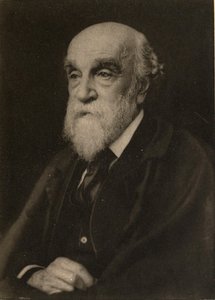
Lowes Cato Dickinson
1819 - 1908 , Spojené království
Rychlé informace
- Artistic Movement Or Style: Pre-Raphaelite
- Artists Or Movements Influenced By This Artist: ['Christian Socialism']
- Artists Who Influenced This Artist:
- John Ruskin
- Dante Gabriel Rossetti
- Date Of Birth: November 27, 1819
- Date Of Death: 1908
- Full Name: Lowes Cato Dickinson
- Nationality: British
- Notable Artworks:
- Gladstone's Cabinet (1868)
- Goldsworthy Lowes Dickinson
- Place Of Birth: Kilburn, United Kingdom
Související články
The Pre-Raphaelite Brotherhood: Reclaiming Beauty, Nature, and Truth in Victorian Art History
Explore the revolutionary Pre-Raphaelite Brotherhood. Discover how these visionary artists rejected academic tradition to reclaim beauty, nature, and truth through luminous detail and literary depth in Victorian art history.

John Singer Sargent: 25 mistrovských děl a inspirace pro váš domov | OriginalUniqueArt.com
Objevte 25 ikonických děl Johna Singera Sargenta – portrétů, impresionistických krajin a elegantních kompozic. Prozkoumejte příběhy umění, techniky a inspiraci pro váš interiér s reprodukcemi nejvyšší kvality na OriginalUniqueArt.com

Dante Gabriel Rossetti: Top 25 děl a umělecké ikony pro váš domov | OriginalUniqueArt.cz
Prozkoumejte 25 ikonických děl Dante Gabriela Rossettiho – symbolismus, viktoriánský romantismus a krásné ženy v obrazech. Reprodukce obrazů nejvyšší kvality pro váš interiér na OriginalUniqueArt.cz. Objevte celou kolekci online!

John Constable: 25 mistrovských děl krajinářské poezie | OriginalUniqueArt.com
Prozkoumejte 25 ikonických děl Johna Constabla, mistra anglického krajinářství a romantismu. Obdivujte jeho olejomalby, plátna s venkovskou atmosférou a inspirujte se pro dekoraci interiéru. Reprodukce obrazů nejvyšší kvality na OriginalUniqueArt.com

Sir John Everett Millais: Pre-Raphaelite Rebellion & Victorian Narrative Detail
Explore the revolutionary art of Sir John Everett Millais & the Pre-Raphaelite Brotherhood. Discover their radical realism, symbolic narratives, and lasting impact on Victorian aesthetics. A deep dive into 19th-century masterpieces.


