Text size

() ·

A painting made for you, by hand

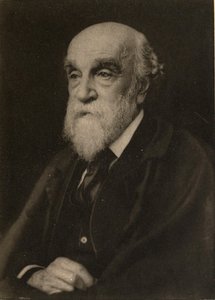
John Bright (1811–1889)

Ručně malovaná olejová reprodukce

Rukou malované olejné plátno v libovolném rozměru i s rámem, vyrobené našimi umělci na zakázku. ( Přepnout na tisk Přepnout na digitální obraz)

Popis sbírného předmětu

John Bright Admire John Bright (1811–1889) by Lowes Cato Dickinson – a poignant portrait capturing Victorian idealism and intellectual contemplation. Explore this Pre-Raphaelite masterpiece at Touchstones Rochdale.

Biografie umělce

Lowes Cato Dickinson (1819–1908) byl viktoriánský malíř portrétů a křesťanský socialista známý svým působením v Pre-Raphaelitismě. Jeho dílo zahrnuje ikonické obrazy královny Viktorie, politiků i významných vědců a je vystaveno především ve Výstavkovém sídlech Londýna.

from ·

Chapter 1

How large should it be?

Slide to change the size; the picture on the left shows the frame at its real width. The proportions of the original are kept.

Standardní velikost
na zakázku
CM
INCH

Vyberte si z našich přednastavených velikostí, které odpovídají původním proporcím díla.

šířka
výška

Zadejte šířku a výšku, které potřebujete pro váš rám nebo stěnu. Protože se jedná o ruční malbu, při výběru jiného formátu může umělec kolem obrazu domalovat o něco více, nebo jej mírně oříznout — rozhodnete si vy. Před zahájením malby vám zašleme digitální náhled ke schválení. Obraz zobrazený na této stránce neodpovídá skutečnému výsledku — pouze digitální náhled jej zobrazuje.

Chapter 2

How should it arrive?

Choose the edges of the stretched canvas

Choose your frame

Corner sample of the WhiteWrap canvas edge finish, stretched on masivní dřevo bars
White Kč1
Corner sample of the BlurSideWrap canvas edge finish, stretched on masivní dřevo bars
Blurside Kč1
Corner sample of the ExtendedWrap canvas edge finish, stretched on masivní dřevo bars
Extended Kč1
Corner sample of the P118B picture frame: tvarovaný polystyren, 5 cm wide and 3 cm thick
P118B Kč10
Corner sample of the P118H picture frame: tvarovaný polystyren, 5 cm wide and 3 cm thick
P118H Kč10
Corner sample of the P118W picture frame: tvarovaný polystyren, 5 cm wide and 3 cm thick
P118W Kč10
Corner sample of the P438Z picture frame: tvarovaný polystyren, 5.5 cm wide and 3.5 cm thick
P438Z Kč10
Corner sample of the P508JH picture frame: tvarovaný polystyren, 7 cm wide and 3.5 cm thick
P508JH Kč12
Corner sample of the P508YH picture frame: tvarovaný polystyren, 7 cm wide and 3.5 cm thick
P508YH Kč12
Corner sample of the P805H picture frame: tvarovaný polystyren, 5 cm wide and 3.5 cm thick
P805H Kč10
Corner sample of the P805Z picture frame: tvarovaný polystyren, 5 cm wide and 3.5 cm thick
P805Z Kč10
Corner sample of the P919BZ picture frame: tvarovaný polystyren, 7 cm wide and 3.5 cm thick
P919BZ Kč10
Corner sample of the P919G picture frame: tvarovaný polystyren, 7 cm wide and 3.5 cm thick
P919G Kč10
Corner sample of the P919XJ picture frame: tvarovaný polystyren, 7 cm wide and 3.5 cm thick
P919XJ Kč10
Corner sample of the P959ZH picture frame: tvarovaný polystyren, 5 cm wide and 3 cm thick
P959ZH Kč10
Corner sample of the P968JZ picture frame: tvarovaný polystyren, 6 cm wide and 4 cm thick
P968JZ Kč12
Corner sample of the W106C picture frame: masivní dřevo, 5 cm wide and 3 cm thick
W106C Kč8
Corner sample of the W218G picture frame: masivní dřevo, 5 cm wide and 3 cm thick
W218G Kč10
Corner sample of the W218JH picture frame: masivní dřevo, 5 cm wide and 3 cm thick
W218JH Kč8
Corner sample of the W218Y picture frame: masivní dřevo, 5 cm wide and 3 cm thick
W218Y Kč10
Corner sample of the W307PJ picture frame: masivní dřevo, 6 cm wide and 3 cm thick
W307PJ Kč10
Corner sample of the W316G picture frame: masivní dřevo, 6 cm wide and 3 cm thick
W316G Kč10
Corner sample of the W316PJ picture frame: masivní dřevo, 6 cm wide and 3 cm thick
W316PJ Kč8
Corner sample of the W316Y picture frame: masivní dřevo, 6 cm wide and 3 cm thick
W316Y Kč10
Corner sample of the W398PJ picture frame: masivní dřevo, 5 cm wide and 3 cm thick
W398PJ Kč8
Corner sample of the W4111J picture frame: masivní dřevo, 6.5 cm wide and 3.5 cm thick
W4111J Kč10
Corner sample of the W500HY picture frame: masivní dřevo, 7 cm wide and 5 cm thick
W500HY Kč15
Corner sample of the W500JH picture frame: masivní dřevo, 7 cm wide and 5 cm thick
W500JH Kč15
Corner sample of the W692G picture frame: masivní dřevo, 8 cm wide and 4 cm thick
W692G Kč12
Corner sample of the W849H picture frame: masivní dřevo, 5 cm wide and 3 cm thick
W849H Kč8
Corner sample of the W940BG picture frame: masivní dřevo, 7.5 cm wide and 4.5 cm thick
W940BG Kč15
Corner sample of the W953PJ picture frame: masivní dřevo, 6 cm wide and 3.5 cm thick
W953PJ Kč8
Corner sample of the H24-GOLD picture frame: řezané dřevo s gessu, 10 cm wide and 6 cm thick
H24-GOLD Kč30
Corner sample of the H24-SILVER picture frame: řezané dřevo s gessu, 10 cm wide and 6 cm thick
H24-SILVER Kč30
Corner sample of the H36-GOLD picture frame: řezané dřevo s gessu, 15 cm wide and 6.5 cm thick
H36-GOLD Kč45
Corner sample of the H36-SILVER picture frame: řezané dřevo s gessu, 15 cm wide and 6.5 cm thick
H36-SILVER Kč45

Moulding: . Overall size with the frame: .

Chapter 3

Who paints it, and should anything change?

Examples of what can be changed: Replace face with customer photo; Add pet (e.g., replace cat with dog); Include hidden message in background; Change background landscape or elements.
After order, OriginalUniqueArt.com team will email client for instructions and provide a mockup preview

Celosvětová doprava () za 3–4 týdny namísto standardních 5 týdnů. (1 listopad). Bez kompromisů v kvalitě.

Chapter 4

The finishing touches

A nameplate, as in a museum?

Detaily ryté bronzové plakety

This elegant plaque features the artist's name and the title of the artwork, finely engraved for a timeless presentation.

It is made from bronze with a refined, elegant finish. The text is precisely laser-engraved for a sharp and permanent result. Measuring 9x2 cm, the plaque is compact yet easy to read. It's built to be durable and scratch-resistant, offering a professional, museum-quality look. Mounting is simple thanks to the included adhesive backing.

Detaily průhledné akrylové desky

The plaque includes essential engraved details such as the artist's name, the title of the artwork, the date it was created, the type of media used-like oil on canvas or watercolor-a brief description of the piece, and a QR code that links to the complete artwork information.

It is crafted from clear acrylic, offering a sleek, modern appearance. The text is UV-engraved in black to ensure strong visual contrast. With a size of 10x15 cm, it ensures optimal readability. It comes equipped with two metal hooks for secure wall mounting. The plaque is designed to be weather-resistant, making it suitable for various environments, and it includes interactive features that work seamlessly with smartphone scanning.

Detaily černé akrylové destičky

This elegant plaque includes engraved information such as the artist's name, the title of the artwork, the date it was created, the type of media used (like oil on canvas or watercolor), a short description of the artwork, and a QR code for quick access to more information.

The plaque itself is made from refined black acrylic with a premium finish. The text is laser-engraved in white for high contrast and readability. Its size is 10x15 cm, designed to be easy to read. It comes with two metal hooks for professional mounting. The design is sleek and fits any interior style. It is also weather-resistant and durable, with built-in digital integration for mobile compatibility.

A protective varnish?

When do you need it?

Chapter 5

Your painting, as you ordered it

John Bright (1811–1889)

Technika reprodukce

Rozměry reprodukce

-

Vybraní mistři umění

Vyšší míra detailu, jemnosti a delší doba výroby

-

Možnosti rámování reprodukcí

-

-

U děl nebo reprodukcí, u nichž je jakákoliv strana větší než 105 cm (přibližně 41 palců), bude rám dodán jako sestava v rozloženém stavu. Tato metoda zajišťuje bezpečné doručení a chrání dílo před poškozením během přepravy.

Vyžaduje se odborná montáž – nejedná se o produkt pro svépomocnou realizaci (DIY).
Sestava musí být složena a plátno napnuto zkušeným profesionálním rámovačem s použitím dřevěného lepidla (není součástí balení), kleští na napínání plátna a svorek pro udržení pravých úhlů křížů během schnutí lepidla. Nesprávná montáž nebo nerovnoměrné napnutí plátna může způsobit trvalé poškození uměleckého díla, které není kryto naší zárukou.

  • Jsou zahrnuty všechny lišty z masivního dřeva, přesně na míru nařezané.

  • Sestavuje se pomocí součástí balení (šroubů), plus dřevěného lepidla na rohové spoje, které není součástí balení a musí jej zajistit váš rámovač.

  • Vyžaduje se profesionální nářadí, které není součástí sady: kleště na napínání plátna a svorky pro udržení kolmosti příček během schnutí lepidla.

Důležité:
Spoje v rozích vyžadují lepidlo na dřevo, tyčinky musí být přichyceny pomocí svorek, dokud lepidlo zcela neuschne, a pro napnutí plátna na sestavený rám je zapotřebí kleští na natahování plátna. Žádný z těchto náčiní není součástí sady. Před objednáním této velikosti prosím zajistěte zkušeného profesionálního rámovače.

Popisek díla

-

-

Ochranný lak

Lesklý lak (zvýrazňuje barvy, chrání před světlem a vlhkostí)

-

Přizpůsobit své umělecké dílo

Příklady možných úprav: nahrazení obličeje fotografií zákazníka; přidání domácího mazlíčka (např. výměna kočky za psa); vložení skrytého vzkazu do pozadí; změna krajiny nebo prvků v pozadí.

-

Prioritní doručení

Celosvětové doručení () za 3–4 týdny namísto standardních 5 týdnů. (1 listopad). Bez kompromisů v kvalitě.

-

Expresní doručení

Celosvětová doprava () do 5 týdnů. (8 listopad).

V ceně

Celková cena za vybrané možnosti reprodukcí

Kč 6518

Celková cena Kč 6518

Skleněná varianta je dostupná pouze u rozměrů menších než 110 cm

Included with every order

  • Zdarma celosvětová expresní doprava
  • Vysoce kvalitní lněné plátno
  • Kompletní pojištění přepravy
  • Záruka vrácení celního poplatku
  • Záruka věrného barevného souladu
  • 100dení lhůta pro vrácení zboží (pouze při vadách výroby)
  • 100% záruka vrácení peněz
  • Sleva při více objednávkách

John Bright (1811–1889): A Portrait of Moral Resolve

Lowes Cato Dickinson’s 1873 depiction of John Bright stands as a testament to Victorian England's fascination with capturing the essence of prominent figures—not merely their likeness, but also their inner convictions. Located at Touchstones Rochdale in the United Kingdom, this oil on canvas painting offers a glimpse into the mind of one of Britain’s most influential social reformers and theologians.

  • Subject Matter: The portrait portrays John Bright himself—a Quaker minister and staunch advocate for abolitionism and universal suffrage. Dickinson meticulously rendered his dignified posture, conveying an aura of seriousness and contemplation.
  • Style & Technique: Dickinson adhered to the tenets of Realism, prioritizing accuracy in portraying Bright’s physical appearance and surroundings. The artist skillfully utilized soft lighting to illuminate Bright's face, highlighting subtle facial features without resorting to harsh shadows—a technique characteristic of Pre-Raphaelite painters who sought to achieve a naturalistic aesthetic.
  • Composition: The painting’s background is deliberately understated, featuring a dimly lit room adorned with bookshelves and a desk. This setting serves as a symbolic representation of Bright's intellectual pursuits and his dedication to scholarly reflection. Dickinson’s careful attention to detail extends beyond the figure itself, enriching the overall visual experience.
  • Color Palette: Dickinson employed a restrained color palette—primarily focusing on tonal variations rather than vibrant hues—to emphasize texture and atmosphere. The muted colors contribute to the painting's solemn mood and underscore its contemplative nature.

Historical Context & Significance

Painted during the tumultuous period of British involvement in the First World War, Dickinson’s portrait reflects the anxieties and moral dilemmas confronting Victorian society. He was a fervent supporter of the League of Nations concept—a visionary initiative aimed at establishing international cooperation and preventing future conflicts—demonstrating his unwavering belief in humanist ideals.

Dickinson's artistic endeavors were deeply intertwined with broader social movements, notably the burgeoning Christian Socialism movement. His collaboration with luminaries like John Ruskin and Dante Gabriel Rossetti cemented his position within the influential Pre-Raphaelite circle, shaping the aesthetic sensibilities of his time.

Symbolism & Emotional Impact

The portrait’s solemn expression embodies Bright's unwavering moral compass—a reflection of his profound conviction in ethical principles and social justice. Dickinson captured not just a likeness but also an inner state, conveying the contemplative spirit of a man wrestling with weighty questions about humanity’s role in shaping its destiny.

The muted lighting and understated background contribute to the painting's emotional resonance—creating a space for introspection and prompting viewers to contemplate Bright’s legacy as a champion of reform and compassion. Dickinson’s masterful execution elevates this portrait beyond mere representation, transforming it into an enduring symbol of moral fortitude.

Resources & Further Exploration

Otázky a odpovědi

Kdo vytvořil dílo "John Bright (1811–1889)" a v jakém stylu je zpracováno?

Dílo "John Bright (1811–1889)" vytvořil/a Lowes Cato Dickinson v rámci stylu Pre-Raphaelite Realism. Autor/ka i toto umělecké směřování definují tradici tohoto díla.

Jak světlý je celkově obraz "John Bright (1811–1889)"?

Celkově je dílo „John Bright (1811–1889)“ hodnoceno jako hluboký stín. Vnímaná jasnost popisuje, jak světlé nebo tmavé se dílo jeví.

Kdo vytvořil dílo "John Bright (1811–1889)" a v jakém roce?

Lowes Cato Dickinson vytvořil/a „John Bright (1811–1889)“ v roce 1873.

More about this painting

Náhled v interiéru Náhled v AR Přepnout na tisk Přepnout na digitální obraz Sdílet
Podrobnosti o díle Průvodce Přidat do oblíbených Stáhnout Podobné položky Rentgenové snímky Slideshow Q&A Statistiky

In numbers

  • 1873the year it was painted
  • 29frames to choose from
  • standard sizes, in its own proportions
  • 5weeks to paint and deliver it
Lowes Cato Dickinson

Lowes Cato Dickinson

1819 - 1908, Spojené království

Quick facts about Lowes Cato Dickinson

  • Artistic Movement Or Style: Pre-Raphaelite
  • Artists Or Movements Influenced By This Artist: ['Christian Socialism']
  • Artists Who Influenced This Artist:
    • John Ruskin
    • Dante Gabriel Rossetti
  • Date Of Birth: November 27, 1819
  • Date Of Death: 1908
  • Full Name: Lowes Cato Dickinson
  • Nationality: British
  • Notable Artworks:
    • Gladstone's Cabinet (1868)
    • Goldsworthy Lowes Dickinson
  • Place Of Birth: Kilburn, United Kingdom

Biografie umělce

A Life Etched in Portraits: The Lowes Cato Dickinson

Lowes Cato Dickinson, born in Kilburn, London, in 1819, was a figure deeply embedded within the artistic and social currents of Victorian England. Coming from a family intimately connected to the art world—his father, Joseph Dickinson, being a respected lithographer and publisher on Bond Street—Dickinson’s path seemed preordained. Yet, his journey wasn't merely one of inheritance but of active engagement with the evolving aesthetic sensibilities and progressive social movements of his time. One of eleven siblings, he received his early education at Topsham School and Dr Lord's School in Tooting, grounding him in a solid foundation before fully immersing himself within the family business following his father’s death in 1849. He then joined forces with his brothers, Gilbert Bell Dickinson and William Robert Dickinson, to continue the legacy of Dickinson Brothers on Bond Street, a firm that quickly became synonymous with quality art publishing and photography. This early exposure wasn't simply about commerce; it was an apprenticeship in visual culture, shaping his eye for detail and composition—qualities that would define his later work as a portraitist.

The Pre-Raphaelite Circle and the Call of Social Reform

Dickinson’s artistic development took a significant turn with a three-year sojourn in Italy around 1850. This period proved formative, exposing him to the masterpieces of the Renaissance and influencing his evolving style. He absorbed the stylistic principles championed by Dante Gabriel Rossetti and John Ruskin—a fervent devotion to nature alongside an insistence on emotional intensity—principles that would become central to his artistic vision. Upon his return to England, he found himself drawn into the orbit of the Pre-Raphaelite Brotherhood, though not formally affiliated with it. Nevertheless, Dickinson cultivated correspondence with key members of this influential group, solidifying his position within its intellectual landscape. This engagement extended beyond mere aesthetic admiration; it encompassed a profound sympathy for humanity and a conviction that art could serve as a catalyst for social betterment. He actively participated in the establishment of the Working Men's College alongside figures like Maurice and Kingsley—a testament to his unwavering belief in the transformative potential of education and his desire to uplift marginalized communities. The college’s walls bear witness to Dickinson’s artistic legacy, adorned with portraits commissioned by him that capture the essence of its founders.

A Portraitist of Victorian Society

Dickinson honed his craft as a portrait painter during this period, developing a distinctive technique characterized by meticulous attention to facial expression and subtle shading—a method he often employed in collaboration with fellow artists like Frederic Denison Maurice. He skillfully recreated likenesses from photographs or descriptions, ensuring that memory endured beyond physical presence. His subjects spanned the spectrum of Victorian society: monarchs, statesmen, scientists, writers, and philanthropists—each portrait imbued with Dickinson’s profound understanding of human psychology and his ability to convey character through visual representation. Among his most celebrated commissions were portraits of Queen Victoria herself, Lord Kelvin, Sir Henry Norman, and numerous members of Parliament—works that remain invaluable documents of Victorian culture and intellectual life. His meticulous rendering of faces—a hallmark of his style—demonstrates a remarkable sensitivity to nuance and emotion.

Notable Works and Legacy

Dickinson’s oeuvre comprises over fifty portraits, many of which hang prominently in institutions such as the National Portrait Gallery in London and Cambridge University—a testament to his enduring influence on British art history. His magnum opus is arguably the portrait of General Gordon at Khartoum, a monumental canvas that captures the heroic spirit of Victorian exploration and resilience. The meticulous detail with which he rendered Gordon’s visage exemplifies Dickinson's mastery of technique and his ability to convey profound psychological depth. Furthermore, Dickinson’s contribution extends beyond individual artworks; he established the Lowes Dickinson Award—a prestigious prize recognizing excellence in student art—affirming his commitment to fostering artistic talent and promoting creative endeavors. His papers, meticulously archived at Princeton, Oxford, and Cambridge Universities, continue to inspire scholars studying Victorian art, social history, and the intersection of faith and reform. Lowes Cato Dickinson’s life embodies a harmonious blend of artistic brilliance and humanist compassion—a legacy that resonates powerfully through his enduring images and his unwavering dedication to advancing knowledge and fostering social progress.

Rychlé informace

  • Location: Touchstones Rochdale (Rochdale, United Kingdom)
  • Subject or theme: Portrait of John Bright
  • Artist: Lowes Cato Dickinson
  • Movement: Pre-Raphaelite
  • Dimensions: 237 x 147 cm
  • Year: 1873

Artový kvíz

U každé otázky je pouze jedna správná odpověď.

Otázka 1:
Jaký byl rok vytvoření obrazu „John Bright“ Lowesem Cato Dickinsonem?
Otázka 2:
Kde se nachází obraz „John Bright“ ?
Otázka 3:
Použil Lowes Cato Dickinson při tvorbě tohoto obrazu olejovou techniku?
Otázka 4:
Jaký styl malby lze použít k popisu obrazu „John Bright“ ?
Otázka 5:
Co naznačuje pozadí obrazu „John Bright“, konkrétně stolek a knihy?