Menu
BEZPLATNÉ UMĚLECKÉ PORADENSTVÍ
NáhledNáhled Náhled v ARNáhled v AR Koupit tisk Koupit tiskKoupit obrázek Koupit obrázek SdíletSdílet
Podrobnosti o dílePodrobnosti o díle Přidat do oblíbených Přidat do oblíbených StáhnoutStáhnout Podobné položkyPodobné položky Rentgenové snímkyRentgenové snímky SlideshowSlideshow

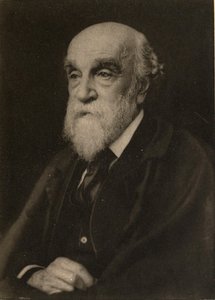
George Sclater Booth, Lord Basing

Portrét George Sclatera Bootha, Lord Basinga, prvního předsedy Hampshire County Council od Lowesa Cato Dickinsona – realistické obrazové dílo viktoriánské doby s důrazem na detailní zpracování osobnosti a oblečení.

Lowes Cato Dickinson (1819–1908) byl viktoriánský malíř portrétů a křesťanský socialista známý svým působením v Pre-Raphaelitismě. Jeho dílo zahrnuje ikonické obrazy královny Viktorie, politiků i významných vědců a je vystaveno především ve Výstavkovém sídlech Londýna.

Ručně malovaná olejová reprodukce

Ručně malovaná olejná barva na plátně ve vašem zvoleném rozměru i s rámem, vyrobená našimi umělci na zakázku. (Koupit tisk Koupit tiskKoupit obrázek Koupit obrázek)

P118B $10
P118H $10
P118W $10
P438Z $10
P508JH $12
P508YH $12
P805H $10
P805Z $10
P919BZ $10
P919G $10
P919XJ $10
P959ZH $10
P968JZ $12
W106C $8
W218G $10
W218JH $8
W218Y $10
W307PJ $10
W316G $10
W316PJ $8
W316Y $10
W398PJ $8
W4111J $10
W500HY $15
W500JH $15
W692G $12
W849H $8
W940BG $15
W953PJ $8

Standard
custom
CM
INCH

Vyberte si z našich přednastavených velikostí, které odpovídají původním proporcím díla.

šířka
výška

Můžete zadat vlastní rozměry pro konkrétní rám nebo prostor. Pokud se vámi vybraná velikost neshoduje s proporcemi původního obrazu, dílo buď ořízneme, nebo jej doplníme ručně malovanými prvky. Před zahájením výroby vám bude zaslán digitální náhled ke schválení.
Upozorňujeme, že náhled na obrazovce neodpovídá skutečnému ořezu ani rozšíření. Pouze digitální náhled přesně zobrazí finální kompozici.
Ačkoliv je možné zvolit vlastní velikost, pro zachování původních proporcí doporučujeme vybrat rozměr z předdefinovaného seznamu.

Příklady možných změn: Nahrazení obličeje vlastní fotografií; Přidání domácího mazlíčka (např. nahrazení kočky psem); Vložení skrytého vzkazu do pozadí; Změna krajiny nebo prvků v pozadí.
Po přijetí objednávky vám tým OriginalUniqueArt.com zašle e-mail s pokyny a poskytne náhledovou verzi.

Celosvětová doprava () za 3–4 týdny namísto standardních 5 týdnů. (17 srpen). Bez kompromisů v kvalitě.

why_choose_icon
Zdarma celosvětová expresní doprava
why_choose_icon
Vysoce kvalitní lněné plátno
why_choose_icon
Kompletní přepravní pojištění
why_choose_icon
Záruka vrácení celního poplatku
why_choose_icon
Záruka přesného barevného shodu
why_choose_icon
60denní lhůta pro vrácení zboží (pouze při vadách výroby)
why_choose_icon
100% garance vrácení peněz
why_choose_icon
Sleva při hromadné objednávce

Celková cena

$ 300

reproduction

George Sclater Booth, Lord Basing

Technika reprodukce

Rozměry reprodukce

-

Celková cena za výběr

$ 300

Základní informace

  • Artist: Lowes Cato Dickinson
  • Title: George Sclater Booth, Lord Basing
  • Location: Private Collection
  • Subject or theme: Portrait of George Sclater Booth
  • Influences: Romanticism
  • Notable elements or techniques: Realistic portraiture; careful shading

Popis díla

A Portrait of Victorian Dignity: Lowes Cato Dickinson’s Representation of George Sclater Booth

Lowes Cato Dickinson's depiction of George Sclater Booth, Lord Basing (1826–1894), stands as a testament to the meticulous craftsmanship and humanist spirit characteristic of Victorian portraiture. Executed sometime around 1889-1890, this painting transcends mere likeness; it captures an essence of character—quiet contemplation mingled with unwavering responsibility—that speaks powerfully across time. Dickinson’s artistic prowess is evident in his masterful handling of oil paint on canvas, employing a technique rooted in academic tradition yet imbued with subtle nuances that elevate the image beyond simple realism. The artist meticulously observed Booth's anatomy and drapery, achieving an impressive level of detail that conveys both physical presence and psychological depth.
  • Style: Realistic Portraiture – Dickinson adheres to the conventions established by artists like Sir Joshua Reynolds and Thomas Lawrence, prioritizing accuracy in depicting form and texture.
  • Technique: Impasto – Noticeable brushstrokes create a textured surface, particularly around Booth’s collar and shoulders. This impasto technique lends physicality to the portrait, suggesting an inner strength and conveying a sense of solidity.
  • Color Palette: Dominated by muted earthy tones—beige canvas, browns in Booth's suit jacket—the palette reflects the restrained aesthetic sensibilities prevalent during the Victorian era. However, subtle variations in hue contribute to atmospheric depth and illuminate Booth’s face with a gentle warmth.
The painting’s historical context illuminates its significance within Hampshire County Council’s social landscape. Booth served as its First Chairman from 1889 until his death in 1894, embodying the ideals of civic duty and public service—values deeply valued by Victorian society. Dickinson skillfully portrays Booth not merely as a politician but as an individual grappling with weighty responsibilities, reflected in his posture and gaze. The artist’s careful positioning of Booth's hand resting on his knee symbolizes thoughtfulness and deliberation, inviting viewers to contemplate the complexities of leadership and moral integrity. Symbolism: Dickinson utilizes visual cues to communicate deeper meanings beyond the surface appearance. The dark suit represents formality and adherence to social conventions, mirroring Booth’s role as a respected figure within Hampshire County Council. Furthermore, the muted beige background serves as a neutral counterpoint to Booth's presence, emphasizing his individuality against the backdrop of institutional authority. Emotional Impact: Ultimately, Dickinson’s portrait succeeds in conveying a profound sense of dignity and introspection. The gaze directed slightly off-canvas suggests a mind absorbed in thought—a quiet contemplation that speaks to the universal human experience of striving for moral excellence. This image resonates with viewers today as a reminder of Victorian values – integrity, responsibility, and a commitment to serving one’s community. It is a beautifully rendered depiction of a man who embodies the best qualities of his time, ensuring Booth's legacy continues to inspire admiration and contemplation.

Biografie umělce

A Life Etched in Portraits: The Lowes Cato Dickinson

Lowes Cato Dickinson, born in Kilburn, London, in 1819, was a figure deeply embedded within the artistic and social currents of Victorian England. Coming from a family intimately connected to the art world—his father, Joseph Dickinson, being a respected lithographer and publisher on Bond Street—Dickinson’s path seemed preordained. Yet, his journey wasn't merely one of inheritance but of active engagement with the evolving aesthetic sensibilities and progressive social movements of his time. One of eleven siblings, he received his early education at Topsham School and Dr Lord's School in Tooting, grounding him in a solid foundation before fully immersing himself within the family business following his father’s death in 1849. He then joined forces with his brothers, Gilbert Bell Dickinson and William Robert Dickinson, to continue the legacy of Dickinson Brothers on Bond Street, a firm that quickly became synonymous with quality art publishing and photography. This early exposure wasn't simply about commerce; it was an apprenticeship in visual culture, shaping his eye for detail and composition—qualities that would define his later work as a portraitist.

The Pre-Raphaelite Circle and the Call of Social Reform

Dickinson’s artistic development took a significant turn with a three-year sojourn in Italy around 1850. This period proved formative, exposing him to the masterpieces of the Renaissance and influencing his evolving style. He absorbed the stylistic principles championed by Dante Gabriel Rossetti and John Ruskin—a fervent devotion to nature alongside an insistence on emotional intensity—principles that would become central to his artistic vision. Upon his return to England, he found himself drawn into the orbit of the Pre-Raphaelite Brotherhood, though not formally affiliated with it. Nevertheless, Dickinson cultivated correspondence with key members of this influential group, solidifying his position within its intellectual landscape. This engagement extended beyond mere aesthetic admiration; it encompassed a profound sympathy for humanity and a conviction that art could serve as a catalyst for social betterment. He actively participated in the establishment of the Working Men's College alongside figures like Maurice and Kingsley—a testament to his unwavering belief in the transformative potential of education and his desire to uplift marginalized communities. The college’s walls bear witness to Dickinson’s artistic legacy, adorned with portraits commissioned by him that capture the essence of its founders.

A Portraitist of Victorian Society

Dickinson honed his craft as a portrait painter during this period, developing a distinctive technique characterized by meticulous attention to facial expression and subtle shading—a method he often employed in collaboration with fellow artists like Frederic Denison Maurice. He skillfully recreated likenesses from photographs or descriptions, ensuring that memory endured beyond physical presence. His subjects spanned the spectrum of Victorian society: monarchs, statesmen, scientists, writers, and philanthropists—each portrait imbued with Dickinson’s profound understanding of human psychology and his ability to convey character through visual representation. Among his most celebrated commissions were portraits of Queen Victoria herself, Lord Kelvin, Sir Henry Norman, and numerous members of Parliament—works that remain invaluable documents of Victorian culture and intellectual life. His meticulous rendering of faces—a hallmark of his style—demonstrates a remarkable sensitivity to nuance and emotion.

Notable Works and Legacy

Dickinson’s oeuvre comprises over fifty portraits, many of which hang prominently in institutions such as the National Portrait Gallery in London and Cambridge University—a testament to his enduring influence on British art history. His magnum opus is arguably the portrait of General Gordon at Khartoum, a monumental canvas that captures the heroic spirit of Victorian exploration and resilience. The meticulous detail with which he rendered Gordon’s visage exemplifies Dickinson's mastery of technique and his ability to convey profound psychological depth. Furthermore, Dickinson’s contribution extends beyond individual artworks; he established the Lowes Dickinson Award—a prestigious prize recognizing excellence in student art—affirming his commitment to fostering artistic talent and promoting creative endeavors. His papers, meticulously archived at Princeton, Oxford, and Cambridge Universities, continue to inspire scholars studying Victorian art, social history, and the intersection of faith and reform. Lowes Cato Dickinson’s life embodies a harmonious blend of artistic brilliance and humanist compassion—a legacy that resonates powerfully through his enduring images and his unwavering dedication to advancing knowledge and fostering social progress.
Lowes Cato Dickinson

Lowes Cato Dickinson

1819 - 1908 , Spojené království

Rychlé fakta

  • Artistic Movement Or Style: Pre-Raphaelite
  • Artists Or Movements Influenced By This Artist: ['Christian Socialism']
  • Artists Who Influenced This Artist:
    • John Ruskin
    • Dante Gabriel Rossetti
  • Date Of Birth: November 27, 1819
  • Date Of Death: 1908
  • Full Name: Lowes Cato Dickinson
  • Nationality: British
  • Notable Artworks:
    • Gladstone's Cabinet (1868)
    • Goldsworthy Lowes Dickinson
  • Place Of Birth: Kilburn, United Kingdom
Prozkoumejte umělecká díla uspořádaná podle témat, stylů a charakteristik.