

 Zobrazit v interiéru
 Odeslat
 Sdílet
 Podrobnosti
 Průvodce

 Stáhnout obrázek
 Podobné kousky
 Rentgenové snímky
 Slideshow
 Statistiky
Henry Wilkinson Cookson


 Přečíst si více
Giclée / Umělecký tisk
Giclée nebo plátěný tisk muzeální kvality s rychlou výrobou a širokou nabídkou povrchových úprav. ( Objednat ručně malovanou reprodukci Přepnout na digitální verzi obrazu)




P118B Kč10

P118H Kč10

P118W Kč10

P438Z Kč10

P508JH Kč12

P508YH Kč12

P805H Kč10

P805Z Kč10

P919BZ Kč10

P919G Kč10

P919XJ Kč10

P959ZH Kč10

P968JZ Kč12

W106C Kč8

W218G Kč10

W218JH Kč8

W218Y Kč10

W307PJ Kč10

W316G Kč10

W316PJ Kč8

W316Y Kč10

W398PJ Kč8

W4111J Kč10

W500HY Kč15

W500JH Kč15

W692G Kč12

W849H Kč8

W940BG Kč15

W953PJ Kč8




Vyberte si z našich přednastavených velikostí, které odpovídají původním proporcím díla.

Zadejte šířku a výšku, které potřebujete pro váš rám nebo stěnu. Tisk lze pouze oříznout, nikdy však nelze zvětšit obraz nad jeho původní rozměr, proto při výběru jiného formátu dochází ke ztrátě části obrazu. Před samotným tiskem vám zašleme digitální náhled k schválení. Obraz zobrazený na této stránce nenabízí skutečný výřez — ten uvidíte pouze v náhledu.
Celosvětové doručení () do 2 týdnů namísto standardních 4/5 týdnů. (22 říjen)

Zdarma celosvětová expresní doprava

Vysoce kvalitní lněné plátno

Úplné pojištění přepravy

Záruka vrácení celního poplatku

Záruka věrného barevného shodu

100dení lhůta pro vrácení zboží (pouze při vadách výroby)

100% garance vrácení peněz

Sleva při více objednávkách
 Skleněná varianta je dostupná pouze u rozměrů menších než 110 cm

Henry Wilkinson Cookson
Giclée / Umělecký tisk
Velikost reprodukce
-


Celková cena
Kč 1713
Henry Wilkinson Cookson – Portrait of Scholarly Dignity
Lowes Cato Dickinsonův obraz „Henry Wilkinson Cookson“ představuje fascinující okamžik viktoriánské akademické kultury. Tento olejový obraz, vytvořený roku 1875, zachycuje Henryho Wikinseca Cooksona, významného profesora Peterhouse College v Cambridge, ve výborném světle a nabízí pohled do intelektuálního prostředí doby. Dickinsonův styl je charakteristický klasickou technikou olejové malby na plátno, která dokáže vyobrazit komplexní vrstvy světla a stínu – což je patrné zejména při pozorování konturových detailů Cooksonovy tváře a oblečení. Umělecký jazyk obrazu je bohatý na estetické prvky, které odkazují k dobovým ideям vzdělání a intelektuálnímu rozvoji.- Technika: Dickinson využívá realistickou techniku olejové malby s důrazem na přesné reprodukce faktických detailů. Použití světla a stínu vytváří výrazný prostorový efekt, který dodává obrazu hloubku a dramatický působivost.
- Styl: Obraz vykazuje znaky akademického portrétu – klasické proporce těla, pečlivě nastudovaný pozadí a pozorný vztah k anatomii. Tento styl byl velmi populární ve viktoriánské době jako výraz intelektuální hodnoty.
- Historický Kontext: Rok 1875 byl obdobím rozkvětu vzdělávání a vědy v Británii, kdy Peterhouse College hrálo významnou roli při formování intelektuálních elit. Tento obraz odkazuje k této době a oslavuje hodnoty erudice a osobního rozvoje.
- Ideální doplněk do knihovny nebo kanceláře – vyjadřuje intelektuální hodnoty a estetickou kvalitu viktoriánské akademické kultury.
- Výborná volba pro dekorativní výzdobu prostorů, která dodává eleganci a klasický vzhled.
Otázky a odpovědi
Kdy bylo dílo "Henry Wilkinson Cookson" vytvořeno a ke kterému směru patří?
Dílo „Henry Wilkinson Cookson“ vzniklo v roce 1875 jako reprezentativní dílo směru Victorian Portraiture. Datum vzniku a příslušnost k danému směru pevně ukotvují toto umělecké dílo v dějinách umění.
Jak se v díle "Henry Wilkinson Cookson" propojují kontrast a harmonie?
V díle "Henry Wilkinson Cookson" je Mírný kontrast spojen s Silná barevná jednotnost harmonií.
Jaká velikost tisku díla „Henry Wilkinson Cookson“ od Lowes Cato Dickinson se hodí do doporučené místnosti?
Do místnosti typu Obývací pokoj se pro dílo „Henry Wilkinson Cookson“ doporučuje tisk v rozměru Velká.
Biografie umělce
A Life Etched in Portraits: The Lowes Cato Dickinson
Lowes Cato Dickinson, born in Kilburn, London, in 1819, was a figure deeply embedded within the artistic and social currents of Victorian England. Coming from a family intimately connected to the art world—his father, Joseph Dickinson, being a respected lithographer and publisher on Bond Street—Dickinson’s path seemed preordained. Yet, his journey wasn't merely one of inheritance but of active engagement with the evolving aesthetic sensibilities and progressive social movements of his time. One of eleven siblings, he received his early education at Topsham School and Dr Lord's School in Tooting, grounding him in a solid foundation before fully immersing himself within the family business following his father’s death in 1849. He then joined forces with his brothers, Gilbert Bell Dickinson and William Robert Dickinson, to continue the legacy of Dickinson Brothers on Bond Street, a firm that quickly became synonymous with quality art publishing and photography. This early exposure wasn't simply about commerce; it was an apprenticeship in visual culture, shaping his eye for detail and composition—qualities that would define his later work as a portraitist.The Pre-Raphaelite Circle and the Call of Social Reform
Dickinson’s artistic development took a significant turn with a three-year sojourn in Italy around 1850. This period proved formative, exposing him to the masterpieces of the Renaissance and influencing his evolving style. He absorbed the stylistic principles championed by Dante Gabriel Rossetti and John Ruskin—a fervent devotion to nature alongside an insistence on emotional intensity—principles that would become central to his artistic vision. Upon his return to England, he found himself drawn into the orbit of the Pre-Raphaelite Brotherhood, though not formally affiliated with it. Nevertheless, Dickinson cultivated correspondence with key members of this influential group, solidifying his position within its intellectual landscape. This engagement extended beyond mere aesthetic admiration; it encompassed a profound sympathy for humanity and a conviction that art could serve as a catalyst for social betterment. He actively participated in the establishment of the Working Men's College alongside figures like Maurice and Kingsley—a testament to his unwavering belief in the transformative potential of education and his desire to uplift marginalized communities. The college’s walls bear witness to Dickinson’s artistic legacy, adorned with portraits commissioned by him that capture the essence of its founders.A Portraitist of Victorian Society
Dickinson honed his craft as a portrait painter during this period, developing a distinctive technique characterized by meticulous attention to facial expression and subtle shading—a method he often employed in collaboration with fellow artists like Frederic Denison Maurice. He skillfully recreated likenesses from photographs or descriptions, ensuring that memory endured beyond physical presence. His subjects spanned the spectrum of Victorian society: monarchs, statesmen, scientists, writers, and philanthropists—each portrait imbued with Dickinson’s profound understanding of human psychology and his ability to convey character through visual representation. Among his most celebrated commissions were portraits of Queen Victoria herself, Lord Kelvin, Sir Henry Norman, and numerous members of Parliament—works that remain invaluable documents of Victorian culture and intellectual life. His meticulous rendering of faces—a hallmark of his style—demonstrates a remarkable sensitivity to nuance and emotion.Notable Works and Legacy
Dickinson’s oeuvre comprises over fifty portraits, many of which hang prominently in institutions such as the National Portrait Gallery in London and Cambridge University—a testament to his enduring influence on British art history. His magnum opus is arguably the portrait of General Gordon at Khartoum, a monumental canvas that captures the heroic spirit of Victorian exploration and resilience. The meticulous detail with which he rendered Gordon’s visage exemplifies Dickinson's mastery of technique and his ability to convey profound psychological depth. Furthermore, Dickinson’s contribution extends beyond individual artworks; he established the Lowes Dickinson Award—a prestigious prize recognizing excellence in student art—affirming his commitment to fostering artistic talent and promoting creative endeavors. His papers, meticulously archived at Princeton, Oxford, and Cambridge Universities, continue to inspire scholars studying Victorian art, social history, and the intersection of faith and reform. Lowes Cato Dickinson’s life embodies a harmonious blend of artistic brilliance and humanist compassion—a legacy that resonates powerfully through his enduring images and his unwavering dedication to advancing knowledge and fostering social progress.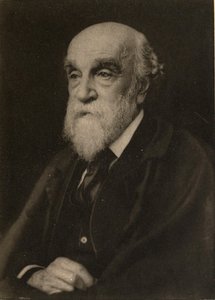
Lowes Cato Dickinson
1819 - 1908 , Spojené království
Rychlé informace
- Artistic Movement Or Style: Pre-Raphaelite
- Artists Or Movements Influenced By This Artist: ['Christian Socialism']
- Artists Who Influenced This Artist:
- John Ruskin
- Dante Gabriel Rossetti
- Date Of Birth: November 27, 1819
- Date Of Death: 1908
- Full Name: Lowes Cato Dickinson
- Nationality: British
- Notable Artworks:
- Gladstone's Cabinet (1868)
- Goldsworthy Lowes Dickinson
- Place Of Birth: Kilburn, United Kingdom
Související články

The Enduring Legacy of Oil on Canvas: Technique, History & Aesthetic Impact
Explore the rich history & techniques of oil painting – from Renaissance masters to Impressionism. Discover pigments, layering methods, and why this timeless medium endures. Expert insights for artists & art enthusiasts.

Trvalý odkaz olejomalby: Technika, historie a současná praxe
Prozkoumejte historii a techniky olejomalby s námi! Od středověku po současnost – detailní průvodce pro milovníky umění a profesionály. Objevte tajemství mistrů a inspirujte se.

The Enduring Power of Painting: A Historical & Contemporary Exploration of Form and Emotion
Explore the rich history & enduring techniques of oil painting with OriginalUniqueArt. Discover masterpieces, learn about art collecting, and find authentic handmade reproductions crafted by skilled artists.
The Timeless Charm of Oil on Board: Reimagining Texture and Light through the Impressionist Lens
Discover the profound intimacy of oil on panel. Explore how Impressionist masters used rigid supports to capture light, texture, and impasto depth through exquisite, handmade oil reproductions for discerning collectors.

Oil on Canvas: A Historical & Technical Exploration of a Timeless Artistic Medium
Explore the rich history & enduring techniques of oil painting on canvas. Discover the science behind its longevity, conservation practices, and contemporary relevance. Expert insights for art enthusiasts.


