 切换至版画销售渠道
 展开全文
展开全文







































 对于任何边长超过 105 厘米(约 41 英寸)的艺术品或复制品,画框将以拆解后的组件形式发货。此方法可确保安全送达并防止运输过程中的损坏。


A Window into a Tropical Paradise
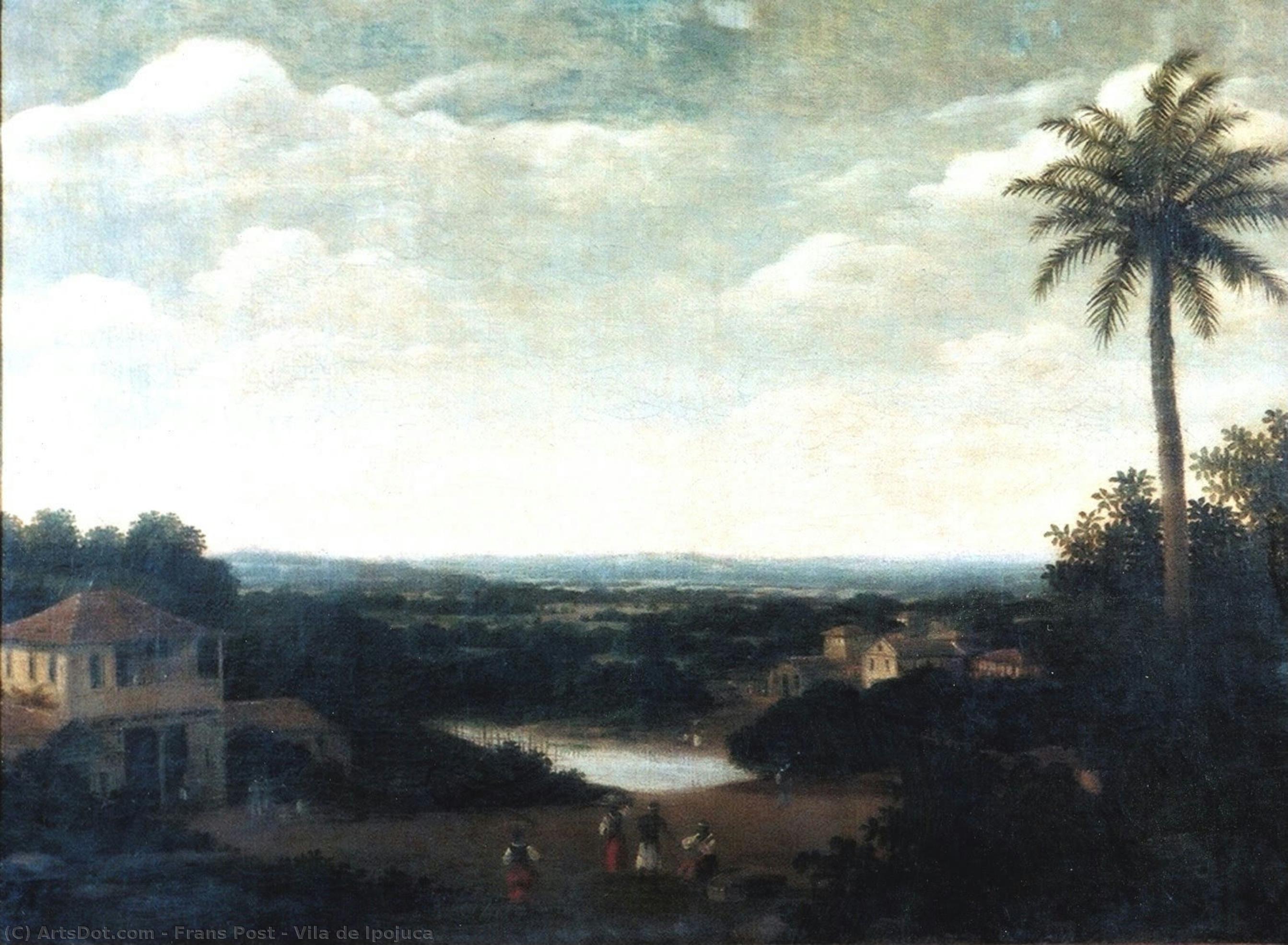
In the vast tapestry of the Dutch Golden Age, few threads are as vibrant and exotic as those woven by Frans Post. His masterpiece, Vila de Ipojuca, serves as a breathtaking portal to a bygone era, capturing a serene tropical vista that feels both intimately observed and beautifully idealized. The painting presents a lush, sun-drenched landscape where a colonial villa rests upon a gentle elevation, overlooking a world of verdant growth. A prominent palm tree stands as a majestic vertical anchor on the right, its silhouette guiding the eye through a composition that masterfully balances the wildness of nature with the quiet presence of human habitation. As figures stroll leisurely along a winding path toward the villa, the scene invites the viewer to step into a moment of profound tranquility, far removed from the bustling streets of Haarlem.
The atmosphere of the work is defined by a soft, almost ethereal haze that permeates the entire canvas. This technique, rooted in the tonal landscape traditions Post learned under masters like Pieter de Molijn, creates a sense of immense depth and atmospheric perspective. The distant horizon line dissolves into a gentle blur of blues and muted greens, suggesting an endless expanse of land and sky that stretches toward the unknown. This hazy quality does more than just simulate distance; it imbues the painting with a melancholic beauty, a nostalgic longing for a pristine wilderness captured at the dawn of colonial encounter. The lighting is diffused and gentle, casting a soft glow across the terrain that softens edges and blends shapes into a harmonious, organic whole.
Technique and the Painterly Touch
Upon closer inspection, the technical prowess of Post becomes even more apparent. Executed in oil on canvas, the painting reveals a texture that is both loose and remarkably deliberate. The artist employs varying thicknesses of paint to suggest the diverse textures of the Brazilian landscape—from the rugged bark of tropical flora to the smooth, sun-warmed surfaces of the villa's architecture. His palette is a sophisticated arrangement of muted earth tones, deep forest greens, and soft cerulean blues, which work in concert to establish a serene and contemplative mood. There are no harsh or jarring lines here; instead, every element is connected through soft, blended transitions that mirror the natural flow of a tropical breeze.
For the discerning collector or interior designer, Vila de Ipojuca offers much more than mere decoration. It is an evocative piece of history that brings a sense of worldly sophistication and calm to any space. The painting’s ability to evoke emotional responses—ranging from peace and wonder to a quiet, reflective nostalgia—makes it a powerful focal point for a curated room. Whether placed in a sunlit study or a grand living area, this reproduction captures the essence of a pioneer's vision, offering a timeless window into the breathtaking beauty of the Americas as seen through the eyes of a Dutch master.
常见问题与解答
"Vila de Ipojuca" 融合了怎样的色调与情感?
弗兰斯·波斯特 的《Vila de Ipojuca》 将 Neutrals 色调与 Melancholic 的基调完美融合。
弗兰斯·波斯特 的《Vila de Ipojuca》 的整体基调是什么?
弗兰斯·波斯特 的《Vila de Ipojuca》 的整体基调为 Romantic,这种基调传达了作品的整体氛围。
"Vila de Ipojuca" 的明暗对比是否强烈?
"Vila de Ipojuca" 的明暗对比度记录为 Statement。对比度描述了亮部与暗部之间的差异强度。
 实景预览
实景预览
 分享
分享 分享
分享
 详情
详情 指南
指南

 下载作品
下载作品
 相似作品
相似作品 X射线
X射线 幻灯片播放
幻灯片播放 Q&A
Q&A 统计数据
统计数据