
 实景预览
实景预览
 切换至版画销售渠道
 分享
分享 分享
分享
 详情
详情 指南
指南

 下载作品
下载作品
 相似作品
相似作品 X射线
X射线 幻灯片播放
幻灯片播放 Q&A
Q&A 统计数据
统计数据Vila de Ipojuca


 展开全文
展开全文
获取远超网页预览效果的印刷级文件。我们销售的每一张数字图像均源自库存数据库中的高分辨率母版——宽度通常在 5,000 至 15,000 像素之间——因此您可以放心地进行大幅打印、局部裁剪或还原细腻的细节。
每一件作品在离开我们的工作室前都经过了精心的处理。数字影像专家会对照原作核对色彩,并在必要时进行校正,随后利用专业修图工具提升清晰度与细节表现——且始终忠实于艺术家的笔触与风格。最终呈现的图像宛如原作本身,而非仅仅是一张加了滤镜的扫描件。
您可以在最终定稿前进行审核:我们的专家将在 72 小时内通过电子邮件向您发送图像以供审阅。如果不满意?您可以要求改进或修正;若质量未达预期,亦可申请退款。
这也是出版商、设计工作室、画廊及印刷厂所信赖的品质。
每份数字图像订单均包含的内容
专业级数字交付,品质保障
选择 OriginalUniqueArt.com,您获得的不仅仅是一张图像——您收到的是经过专业级增强、精雕细琢的数字艺术作品,并享有满意保证。以下是您的订单中自动包含的所有内容:

邮件即时送达
您的高分辨率数字图像文件将在下单后 72 小时内通过电子邮件发送给您 —— 即可立即使用。

AI 增强型数字文件
您的艺术品经过专业优化,结合先进的 AI 技术与人工修饰,确保呈现极致的细节、清晰度与色彩准确度。

终身免费重发服务
不小心删除了文件或找不到了?没关系——我们将随时为您免费重发。

无需进口税费,始终如一
即刻拥有您的艺术作品,无需支付任何关税、税费或运费——数字下载始终免税。

色彩精准保障
我们通过专业工具与色彩管理技术,确保您的数字图像尽可能真实地还原原作色彩。

100天满意保证
如果您对所购数字图像不满意,我们将在100天内为您进行修改或提供100%的全额退款——无需任何理由。

100% 退款保证
不满意?在收到数字文件后的100天内,您可以申请全额退款——无需任何理由。

批量订购优惠
购买 3 张享 10% 折扣 - 购买 5 张享 15% 折扣 - 购买 10 张以上享 20% 折扣。非常适合创意项目、画廊及机构使用。
A Window into a Tropical Paradise
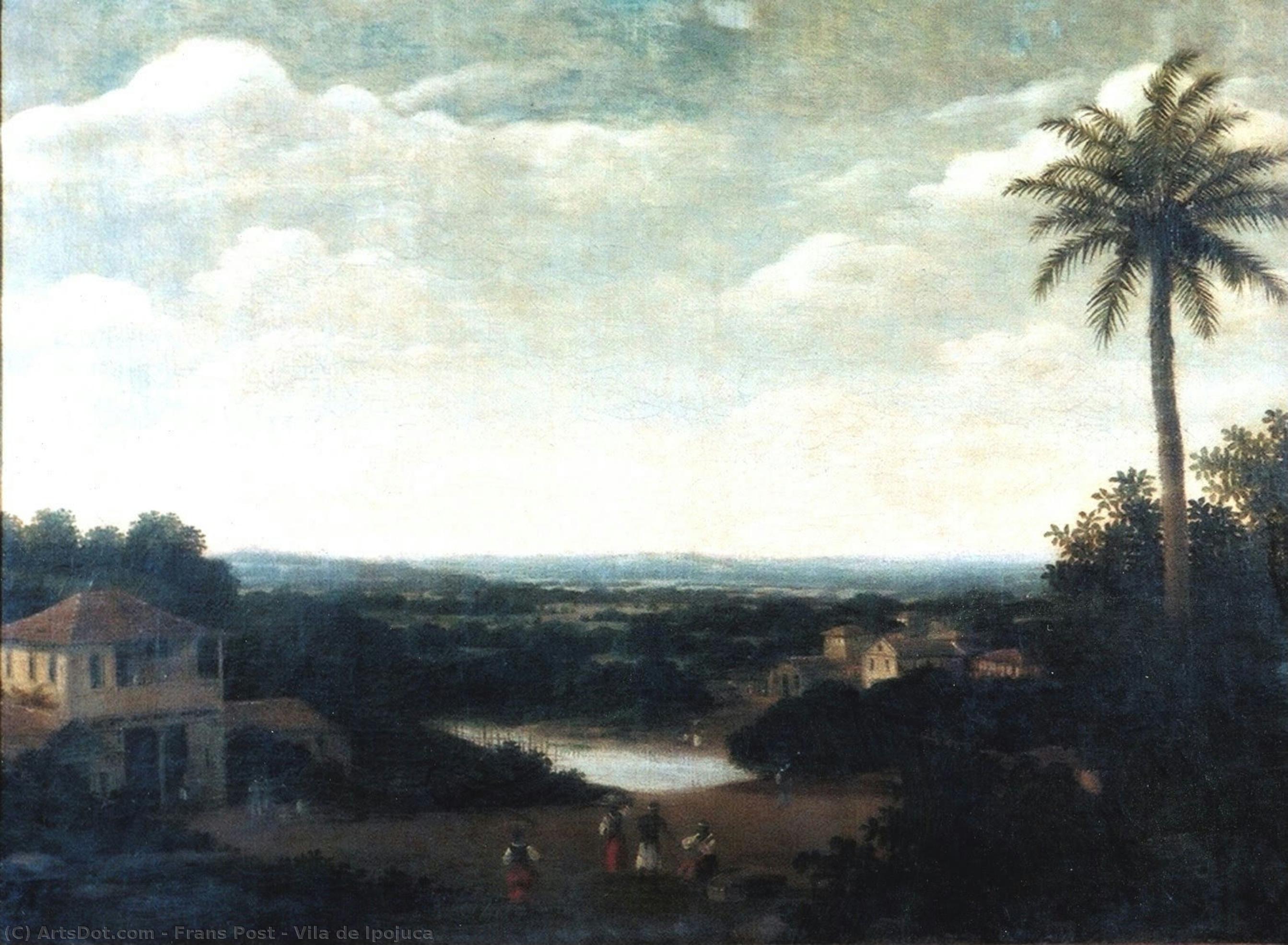
In the vast tapestry of the Dutch Golden Age, few threads are as vibrant and exotic as those woven by Frans Post. His masterpiece, Vila de Ipojuca, serves as a breathtaking portal to a bygone era, capturing a serene tropical vista that feels both intimately observed and beautifully idealized. The painting presents a lush, sun-drenched landscape where a colonial villa rests upon a gentle elevation, overlooking a world of verdant growth. A prominent palm tree stands as a majestic vertical anchor on the right, its silhouette guiding the eye through a composition that masterfully balances the wildness of nature with the quiet presence of human habitation. As figures stroll leisurely along a winding path toward the villa, the scene invites the viewer to step into a moment of profound tranquility, far removed from the bustling streets of Haarlem.
The atmosphere of the work is defined by a soft, almost ethereal haze that permeates the entire canvas. This technique, rooted in the tonal landscape traditions Post learned under masters like Pieter de Molijn, creates a sense of immense depth and atmospheric perspective. The distant horizon line dissolves into a gentle blur of blues and muted greens, suggesting an endless expanse of land and sky that stretches toward the unknown. This hazy quality does more than just simulate distance; it imbues the painting with a melancholic beauty, a nostalgic longing for a pristine wilderness captured at the dawn of colonial encounter. The lighting is diffused and gentle, casting a soft glow across the terrain that softens edges and blends shapes into a harmonious, organic whole.
Technique and the Painterly Touch
Upon closer inspection, the technical prowess of Post becomes even more apparent. Executed in oil on canvas, the painting reveals a texture that is both loose and remarkably deliberate. The artist employs varying thicknesses of paint to suggest the diverse textures of the Brazilian landscape—from the rugged bark of tropical flora to the smooth, sun-warmed surfaces of the villa's architecture. His palette is a sophisticated arrangement of muted earth tones, deep forest greens, and soft cerulean blues, which work in concert to establish a serene and contemplative mood. There are no harsh or jarring lines here; instead, every element is connected through soft, blended transitions that mirror the natural flow of a tropical breeze.
For the discerning collector or interior designer, Vila de Ipojuca offers much more than mere decoration. It is an evocative piece of history that brings a sense of worldly sophistication and calm to any space. The painting’s ability to evoke emotional responses—ranging from peace and wonder to a quiet, reflective nostalgia—makes it a powerful focal point for a curated room. Whether placed in a sunlit study or a grand living area, this reproduction captures the essence of a pioneer's vision, offering a timeless window into the breathtaking beauty of the Americas as seen through the eyes of a Dutch master.
常见问题与解答
"Vila de Ipojuca" 融合了怎样的色调与情感?
弗兰斯·波斯特 的《Vila de Ipojuca》 将 Neutrals 色调与 Melancholic 的基调完美融合。
弗兰斯·波斯特 的《Vila de Ipojuca》 的整体基调是什么?
弗兰斯·波斯特 的《Vila de Ipojuca》 的整体基调为 Romantic,这种基调传达了作品的整体氛围。
"Vila de Ipojuca" 的明暗对比是否强烈?
"Vila de Ipojuca" 的明暗对比度记录为 Statement。对比度描述了亮部与暗部之间的差异强度。
艺术家简介
美洲风景的先驱:弗兰斯·波斯特的生命与艺术
弗兰斯·詹斯佐恩·波斯特(Frans Janszoon Post),这个名字或许不像伦勃朗或维米尔等荷兰黄金时代的大师那样家喻户晓,但在艺术史上却占据着独特且至关重要的地位。1612年,他出生于哈勒姆一个充满艺术传统的家庭——他的父亲是一位玻璃画师,兄弟则是一位著名的建筑师。波斯特成为了首位致力于描绘美洲风景的欧洲艺术家,尤其是针对荷兰属巴西的壮丽图景。他的旅程不仅是地理上的跨越,更是一场连接两个世界的开拓行动,为欧洲提供了最早且持续的视觉窗口,去窥见新世界那异域般的美丽与复杂的殖租现实。尽管在最初的时代洪流中,他的光芒曾一度被同时代的其他大师所掩盖,但如今,波斯特的作品因其深远的历史意义、艺术创新以及观察与想象力的迷人融合而备受赞誉。早年训练与巴西的召唤
波斯特的成长岁月展开于哈勒姆那充满活力的艺术氛围之中,这座城市孕育了无尽的天才。他很可能从父亲和兄弟那里接受了最初的启蒙,吸收了他们在色彩、设计以及建筑原理方面的各自技艺。尽管缺乏正式的行会记录,但艺术界普遍认为彼得·德·莫林(Pieter de Molijn)曾担任他的导师,为他奠定了风景画的基础,这对于波斯特未来的事业至关重要。他在弗兰斯·哈尔斯(Frans Hals)所在的艺术圈层中活动,并与雅各布·范·吕斯达尔、萨洛蒙·范·吕斯达尔、阿德里安·范·奥斯塔德等哈勒姆风景画家有着深厚的艺术渊源。哈勒姆爆发的瘟疫或许是他远行的催化剂,但真正改变他艺术生涯轨迹的,是荷兰属巴西总督约翰·毛里茨·冯·纳绍-西根(Johan Maurits van Nassau-Siegen)发出的邀请。1637年,波斯特踏上了前往南美东北部的变革之旅,随身携带的不只有画笔与颜料,还有沉甸甸的使命——为欧洲观众视觉化地记录这片新获得的殖民领土。记录新世界:巴西时期(1637-1644)
波斯特在巴西度过的七年是其艺术生命的转折点。受奥兰治亲王腓特烈·亨利(Frederick Henry)的委托,他通过素描、蚀刻版画以及约六幅完成的油画,细致入微地记录了荷兰属巴西的风景、定居点和日常生活。这些早期的巴西作品因其将荷兰艺术传统与全新的题材相结合而显得卓越非凡。沃尔夫冈·斯切考(Wolfund Stechow)曾用“旧瓶装新酒”这一名言来形容波斯特的风格,精准地捕捉到了这种艺术融合。他描绘了可辨识的地标、当地的地貌以及蓬勃发展的殖民基础设施,每一处细节都透着敏锐的观察力。巴西特有的植被——棕榈树、甘蔗种植园——以及偶尔出现的野生动物,或许受到了随行自然学家格奥尔格·马格拉夫(Georg Marggraf)的影响,为他的构图增添了一种异域的诱惑力。这些画作的一个显著特征是经常占据主导地位的灰色天空,这赋予了画面一种忧郁且富有氛围感的特质,或许正映射了殖民生活中内在的复杂性与不确定性。这些作品并非仅仅是如画的风景,它们更是征服、劳作与文化交流的历史见证。回归哈勒姆与艺术转型
1644年回到荷兰后,波斯特重新融入了哈勒姆的艺术共同体,加入了圣路加行会并担任领导职务。然而,在巴西的经历已深刻改变了他的艺术视野。如果说他早期的作品侧重于写实主义和细致的观察,那么后期的绘画则转向了一种更具想象力与理想化的风格。风景变得更加辽阔且资源丰富,充满了丰饶感与征服者的气魄。明亮的色彩取代了巴西时期沉郁的色调,异域元素被引入以增强新世界的魅力。他强调深度与透视,创造出植被繁茂、生机勃勃的景象。深蓝色的运用——这可能是随着时间推移颜料退化所致——创造了强烈的对比,进一步提升了画面的戏剧性与壮丽感。波斯特一生创作了约140幅油画,其中约一半可以追溯到具体年份,这使得艺术史学家能够精确地追踪其风格的演变过程。遗产与历史意义
弗兰斯·波斯特的遗产远超其艺术技巧本身。他的作品是荷兰属巴西极其珍贵的视觉文献,为研究其景观、定居点、经济及社会动态提供了深刻见解。尽管晚年经历了个人生活的挣扎——包括潜在的酒精依赖问题——他在艺术史上仍是一个独特的人物:这位开拓性的欧洲艺术家将美洲风景带到了欧洲人的视野中,永远改变了人们对新世界的认知。他的绘画不仅仅是审美上的创作,更是殖民话语的工具,塑造了欧洲人对巴西及其潜力的理解。时至今日,他的作品不仅因其艺术价值而受到珍视,更因其历史意义而熠生辉,为我们打开了一扇通往全球历史关键时刻的窗口——那是一个充满探索、殖民与文化交流的时代,其回响至今仍未消散。
弗兰斯·波斯特
1612 - 1680 , 荷兰
基本信息
- Artistic Movement Or Style: 荷兰黄金时代绘画
- Artists Or Movements Influenced By This Artist: ['巴西风景艺术']
- Artists Who Influenced This Artist:
- Pieter de Molijn
- Frans Hals
- Date Of Birth: 1612年
- Date Of Death: 1680年
- Full Name: Frans Janszoon Post
- Nationality: 荷兰
- Notable Artworks:
- 《拉布拉多人的家》
- 《种植园主住所》
- 《伊塔马拉卡岛风景》
- Place Of Birth: 荷兰,哈勒姆