

 实景预览
实景预览
 发送
发送 分享
分享
 详情
详情 指南
指南

 下载图片
下载图片
 相似作品
相似作品 X射线
X射线 幻灯片播放
幻灯片播放 统计数据
统计数据Writing Table
 Baroque
 1710
1710- Early Modern
 80.0 x 188.0 cm
 弗里克美術館
 阅读全文
阅读全文
手工油画复制品
由我们的艺术家按需定制,为您提供您所选尺寸及画框的布面手工油画。 ( 切换至版画销售渠道 切换至数字图像销售渠道)




P118B ¥10

P118H ¥10

P118W ¥10

P438Z ¥10

P508JH ¥12

P508YH ¥12

P805H ¥10

P805Z ¥10

P919BZ ¥10

P919G ¥10

P919XJ ¥10

P959ZH ¥10

P968JZ ¥12

W106C ¥8

W218G ¥10

W218JH ¥8

W218Y ¥10

W307PJ ¥10

W316G ¥10

W316PJ ¥8

W316Y ¥10

W398PJ ¥8

W4111J ¥10

W500HY ¥15

W500JH ¥15

W692G ¥12

W849H ¥8

W940BG ¥15

W953PJ ¥8




您可以从与原作比例一致的预设尺寸中进行选择。

请输入您需要的宽度和高度,以适配您的画框或墙面。由于作品为手工绘制,若您选择不同的尺寸比例,艺术家可能会在画面边缘多画一些或稍作裁剪 —— 由您决定。在开始绘画之前,我们会为您发送一份数字效果图供您确认。本页面上展示的图片并非最终实物 —— 只有效果图才能反映真实结果。
下单后,OriginalUniqueArt.com 团队将通过电子邮件联系客户获取具体要求,并提供效果预览图


 玻璃选项仅适用于110厘米以下的尺寸。

Writing Table
复制品材质
复刻品尺寸说明
-


总计金额
¥ 2019
The Elegance of Innovation: A Masterpiece of the Louis XIV Era
In the grand tapestry of seventeenth-century decorative arts, few names resonate with as much prestige and opulence as André-Charles Boulle. His Writing Table, dating to approximately 1710, serves as a profound testament to a transformative era in furniture design. This piece is not merely a functional object but a sculptural triumph that captures the transition from the heavy, structured grandeur of Louis XIV’s early reign to a more fluid, graceful aesthetic. As one gazes upon its silhouette, one witnesses the birth of the bureau plat—the flat writing table—a design revolution that stripped away the cumbersome drawers and numerous legs of previous generations in favor of a streamlined, sophisticated elegance.
The artistry of this table lies in its masterful balance of strength and delicacy. The piece features an exquisite marble top, providing a cool, stately surface that contrasts beautifully with the warmth of the intricate carvings below. The legs, once straight and rigid in earlier centuries, were reimagined by Boulle with an elegant curve, lending the furniture a sense of rhythmic movement. This structural evolution reflects a broader cultural shift toward the Regence style, where the rigidity of absolute monarchy began to soften into a more refined, ornamental grace. For the discerning collector or interior designer, this table represents the pinnacle of French craftsmanship, offering a focal point that commands attention through its historical weight and aesthetic poise.
A Legacy of Marquetry and Material Mastery
To understand the soul of this writing table, one must delve into the technical brilliance of Boulle himself. Renowned for his revolutionary Boulle marquetry—a painstaking process involving the inlay of tortoiseshell, brass, and pewter—the master cabinetmaker treated wood as a canvas for complex, swirling patterns. While this specific piece highlights the structural innovation of the bureau plat, it carries the unmistakable DNA of Boulle’s decorative genius. The interplay of light upon the polished surfaces and the meticulous attention to every carved detail evoke an era of unparalleled luxury, where every object in a room was intended to reflect the status and sophisticated taste of its owner.
For those seeking to integrate such timeless beauty into a contemporary space, a high-quality reproduction of this Writing Table offers more than just decoration; it offers a connection to history. Whether placed in a sunlit library or as a statement piece in a modern study, the table brings an air of old-world nobility and intellectual depth. It serves as an emotional anchor, inviting moments of quiet reflection and scholarly pursuit. Owning a tribute to Boulle’s work is an invitation to surround oneself with the enduring spirit of French excellence, ensuring that the grandeur of the seventeenth century continues to breathe life into the homes of the twenty-first.
问答详情
André-Charles Boulle 的《Writing Table》 中占据主导地位的是哪些颜色?
André-Charles Boulle 的《Writing Table》 采用了 Earthy 色调,并以 Espresso (#605745) 作为主导色。
André-Charles Boulle 的《Writing Table》 的色调是明亮还是深沉?
André-Charles Boulle 的《Writing Table》 的记录数值为:亮度 balanced,亮度感 Soft Shadow。
"Writing Table" 是否体现了 André-Charles Boulle 一贯的创作风格?
"Writing Table" 描绘了 writing table, marble top, gold frame, intricate carvings, furniture,而 André-Charles Boulle 记录在案的主题则是 louis xiv grandeur, french royal style, innovation in furniture design, boulle marquetry technique, evolution of bureau plat。通过两者的对比,可以看出此作与艺术家惯用题材之间的关联。
艺术家简介
The Architect of Louis XIV Style
André-Charles Boulle (1642 – 1732) stands as a titan amongst French cabinetmakers, his name synonymous with opulent craftsmanship and the very embodiment of Louis XIV’s grandeur. More than just a furniture maker, Boulle was an innovator who fundamentally reshaped European taste, establishing a distinctive style—the ‘Boulle’ marquetry—that captivated royalty and aristocrats alike for decades to come. His legacy continues to inspire artisans today, cementing his place as one of the most influential figures in 17th-century decorative arts.
Born in Paris around 1642, he descended from a family steeped in artisanal tradition; his father, Jean Boulle, was himself a respected cabinetmaker. This familial connection provided him with an invaluable grounding in the craft, instilling within him not merely skill but also a deep appreciation for meticulous detail and artistic vision. While biographical details of his early years remain shrouded in the mists of time, his training undoubtedly prepared him for the extraordinary achievements that would follow, allowing him to rise to the prestigious position of ébéniste du roi.
The Revolution of Marquetry
Boulle’s genius resided primarily in his mastery of marquetry—a technique involving inlaying decorative materials like tortoiseshell, brass, pewter, and ivory into ebony or walnut veneers. Unlike previous methods which relied on simpler carving techniques, Boulle perfected a revolutionary process that achieved unparalleled levels of intricacy and realism. He meticulously hammered thin sheets of metal – primarily brass – onto the surface of the wood veneer, creating a raised relief effect that mimicked natural textures like foliage and stone.
This painstaking labor demanded exceptional precision and patience, resulting in furniture pieces that possessed breathtaking beauty and technical complexity. His work often featured:
- Intricate Brass Inlay: The use of fine metalwork to create shimmering, light-catching patterns.
- Tortoiseshell Elegance: The incorporation of organic, translucent materials to add depth and warmth.
- Royal Symbolism: Designs that reflected the power, prestige, and absolute authority of the French monarchy.
A Legacy of Opulence and Innovation
The impact of Boulle's work extended far beyond the borders of France, influencing the decorative arts of entire continents. His ability to blend neoclassical design with the emerging flourishes of the Rococo period allowed his pieces to remain relevant through shifting aesthetic tides. Whether it was a Barômetre en ébène et bronze doré reflecting the scientific curiosity of the age, or an opulent Cabinet from 1675 showcasing royal grandeur, each piece served as a testament to his unparalleled skill.
Even in smaller, more delicate works like his 1715 clock faces, one can observe the breathtaking detail of gilded gold and cherubs that defined his era. His mastery of gilded bronze and complex patterns created a visual language of luxury that remains the benchmark for fine cabinetry. Today, when we look upon the intricate layers of brass and ebony, we are not merely looking at furniture, but witnessing the enduring spirit of an artist who turned wood and metal into eternal poetry.

André-Charles Boulle
1642 - 1732 , France
快速概览
- Full Name: André-Charles Boulle
- Nationality: French
- Date Of Birth: 1642
- Date Of Death: 1732
- Place Of Birth: Paris, France
- Notable Artworks:
- Barometer Clock
- Writing Table
- Wardrobe and Clock
- Artistic Movement Or Style: Louis XIV Style / Boulle Marquetry
- Artists Who Influenced This Artist: ['Jean Boulle']
- Artists Or Movements Influenced By This Artist: ['Rococo']
相关文章
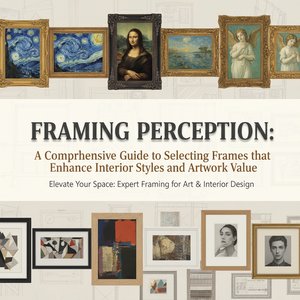
Framing Perception: A Comprehensive Guide to Selecting Frames that Enhance Interior Styles and Artwork Value
Elevate your space with expert art framing guidance! Discover how to choose frames that enhance artwork & interior design, protect valuable pieces, and create stunning displays. Trusted advice for designers & collectors.

自由装饰师必备:相框选择全攻略,打造艺术作品与空间完美融合的专业秘诀
作为自由装饰师,您需要精准的相框选择方案。本文汇聚行业专家经验,从材质、色彩、尺寸到保护维护,为您提供高端定制指南,让艺术作品与空间完美融合,提升整体品味与价值。

The Frame as Argument: An Expert Guide to Selecting the Perfect Frame for Your Art
Master the art of presentation with our expert guide on choosing the perfect frame. Learn how to enhance your artwork's value, complement your interior design, and ensure long-term preservation through professional framing techniques for collectors and enthusiasts alike.

Beyond Ornamentation: The Psychological Impact of Framing on Aesthetic Perception & Artistic Value
Explore the profound psychological impact of framing on art perception & value. Discover how color, composition, and historical context influence aesthetic judgment. Expert insights for collectors.
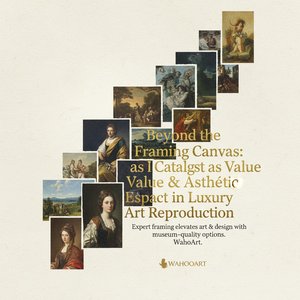
Beyond the Canvas: Framing as a Catalyst for Value & Aesthetic Impact in Luxury Art Reproduction
Discover how expert framing elevates your art investment & interior design. Explore museum-quality options, bespoke sizing, and preservation techniques for discerning collectors. Enhance value & aesthetic impact with OriginalUniqueArt.
