The Architect of Louis XIV Style
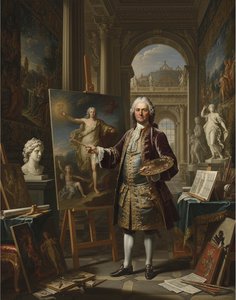
André-Charles Boulle (1642 – 1732) stands as a titan amongst French cabinetmakers, his name synonymous with opulent craftsmanship and the very embodiment of Louis XIV’s grandeur. More than just a furniture maker, Boulle was an innovator who fundamentally reshaped European taste, establishing a distinctive style—the ‘Boulle’ marquetry—that captivated royalty and aristocrats alike for decades to come. His legacy continues to inspire artisans today, cementing his place as one of the most influential figures in 17th-century decorative arts.
Born in Paris around 1642, he descended from a family steeped in artisanal tradition; his father, Jean Boulle, was himself a respected cabinetmaker. This familial connection provided him with an invaluable grounding in the craft, instilling within him not merely skill but also a deep appreciation for meticulous detail and artistic vision. While biographical details of his early years remain shrouded in the mists of time, his training undoubtedly prepared him for the extraordinary achievements that would follow, allowing him to rise to the prestigious position of ébéniste du roi.
The Revolution of Marquetry
Boulle’s genius resided primarily in his mastery of marquetry—a technique involving inlaying decorative materials like tortoiseshell, brass, pewter, and ivory into ebony or walnut veneers. Unlike previous methods which relied on simpler carving techniques, Boulle perfected a revolutionary process that achieved unparalleled levels of intricacy and realism. He meticulously hammered thin sheets of metal – primarily brass – onto the surface of the wood veneer, creating a raised relief effect that mimicked natural textures like foliage and stone.
This painstaking labor demanded exceptional precision and patience, resulting in furniture pieces that possessed breathtaking beauty and technical complexity. His work often featured:
- Intricate Brass Inlay: The use of fine metalwork to create shimmering, light-catching patterns.
- Tortoiseshell Elegance: The incorporation of organic, translucent materials to add depth and warmth.
- Royal Symbolism: Designs that reflected the power, prestige, and absolute authority of the French monarchy.
A Legacy of Opulence and Innovation
The impact of Boulle's work extended far beyond the borders of France, influencing the decorative arts of entire continents. His ability to blend neoclassical design with the emerging flourishes of the Rococo period allowed his pieces to remain relevant through shifting aesthetic tides. Whether it was a Barômetre en ébène et bronze doré reflecting the scientific curiosity of the age, or an opulent Cabinet from 1675 showcasing royal grandeur, each piece served as a testament to his unparalleled skill.
Even in smaller, more delicate works like his 1715 clock faces, one can observe the breathtaking detail of gilded gold and cherubs that defined his era. His mastery of gilded bronze and complex patterns created a visual language of luxury that remains the benchmark for fine cabinetry. Today, when we look upon the intricate layers of brass and ebony, we are not merely looking at furniture, but witnessing the enduring spirit of an artist who turned wood and metal into eternal poetry.
问答详情
André-Charles Boulle 出生于哪个国家?
André-Charles Boulle 出生于 France。
André-Charles Boulle 的哪些作品浏览量最高?
关于 André-Charles Boulle 作品的相关统计数据,请参阅艺术家的 访问统计 页面。
可以按媒介类型浏览 André-Charles Boulle 的作品吗?
若要查找André-Charles Boulle在特定媒介下的所有作品,请访问艺术家的全部媒介页面。