Pregledaj u prostoru
 Pošalji
 Podeli
 Detalji o delu
 Vodič
Vodič

 Preuzmi
 Slični predmeti
 Rendgenski snimak
 Automatska prezentacija
 Q&A
Q&A Statistika
O pečena govedina stare Engleske (

- 94.0 x 78.0 cm


 Pročitaj više
Giclee štampa / Umetnički otisak
Giclée štampa ili print na platnu muzejskog kvaliteta uz brzu izradu i raznovrsne opcije završne obrade. ( Kupite ručno oslikano delo Pređi na digitalnu sliku)




P118B дин10

P118H дин10

P118W дин10

P438Z дин10

P508JH дин12

P508YH дин12

P805H дин10

P805Z дин10

P919BZ дин10

P919G дин10

P919XJ дин10

P959ZH дин10

P968JZ дин12

W106C дин8

W218G дин10

W218JH дин8

W218Y дин10

W307PJ дин10

W316G дин10

W316PJ дин8

W316Y дин10

W398PJ дин8

W4111J дин10

W500HY дин15

W500JH дин15

W692G дин12

W849H дин8

W940BG дин15

W953PJ дин8




Izaberite jednu od naših unapred definisanih veličina koje odgovaraju originalnim proporcijama umetničkog dela.

Unesite željenu širinu i visinu kako bi se štampa uklopila u vaš ram ili zid. Štampu je moguće samo iseći, ali nikada povećati iznad dimenzija originalne slike, stoga format sa drugačijim proporcijama uzrokuje gubitak dela slike. Pre početka štampe, poslaćemo vam digitalni prikaz radi potvrde. Slika prikazana na ovoj stranici ne predstavlja stvarni isrez — to pokazuje samo digitalni prikaz.
Dostava širom sveta () za 2 nedelje umesto uobičajenih 4/5 nedelja. (1 новембар)

Besplatna ekspresna dostava širom sveta

Visokokvalitetno laneno platno

Potpuno osiguranje transporta

Garancija povraćaja carine i uvoznih dažbina

Garancija vernosti boja

Politika povraćaja u roku od 100 dana (samo u slučaju nedostataka)

Garancija povrata 100% novca

Popust na više proizvoda
 Opcija sa staklom dostupna je samo za dimenzije manje od 110 cm

O pečena govedina stare Engleske (
Giclee štampa / Umetnički otisak
Dimenzije reprodukcije
-


Ukupna cena
дин 8334
O pečenoj govedini stare Engleske
Vilijam Hogart, jedan od najslavnijih britanskih umetnika osamnaestog veka, stvorio je remek-delo koje ne samo da odražava njegov umetnički umeće, već i sažima politička i društvena osećanja svog vremena. O pečenoj govedini stare Engleske, naslikano 1748. godine, značajno je delo koje zaslužuje pažljivo proučavanje.Istorijski kontekst
Sredinom osamnaestog veka, politička opozicija poznata kao „Patrijote“ često se pozivala na ideju Engleske iz Elizabetinskog doba i ranijih perioda, kada su kraljevi navodno štitili svoj narod od nepravednih gospodara, a svi su živeli u harmoniji i prosperitetu. To je upravo ona „stara Engleska“ na koju se misli u naslovu. Bilo je to vreme kada se nacionalni identitet žestoko raspravljao, podstaknut anksioznošću zbog rastućeg uticaja Francuske i trajnim sećanjem na vladavinu Stjuarta. Hogartov prikaz teži da prizove tu idealizovanu viziju – oštar kontrast u odnosu na uočene nedostatke savremenog društva.Umetnički elementi
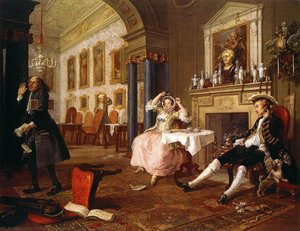
Ovo veliko ulje na platnu prikazuje grupu ljudi okupljenih ispred zgrade sa tornjem na kojem se nalazi sat. Scena je smeštena u Englesku tokom 18. veka, gde je vidljivo najmanje trinaest osoba; neki stoje, dok su drugi u sedeljima ili kleče. Deluje kao da su u razgovoru ili uživaju u međusobnom društvu. Zgrada dominira istaknutim satom koji se nalazi ka centru scene, a arhitektura deluje staromodno, doprinoseći istorijskoj atmosferi dela. Stolica se može videti i pored desne strane slike, što verovatno ukazuje na to da se ovo okupljanje odvijalo na otvorenom ili u javnom prostoru. Hogartova pedantna pažnja posvećena detaljima — od teksture odeće do izraza lica — pokazuje njegovo majstorstvo u realizmu i doprinosi prožimajućem kvalitetu slike.Umetnička značajnost
Otkrivanje umetničkih dela Milton Keynes Civic Offices nudi bogatstvo informacija i reprodukcija. Pored toga, Robert Dodd, još jedan istaknut britanski umetnik, poznat je po svojim morskim slikama i akvatintama. Njegova dela se mogu pronaći na stranici Roberta Dodda na OriginalUniqueArt.com. Ova slika se trenutno čuva u Tate Britain u Londonu, Ujedinjeno Kraljevstvo, gde nastavlja da očarava publiku svojom bogatom istorijskom i umetničkom značajnošću. Trajna privlačnost ove slike leži u njenoj sposobnosti da prenese složene ideje o nacionalnom identitetu, moralu i društvenoj kritici — temama koje snažno odjekuju čak i danas.Opis fotografije: Slika je veliko ulje na platnu koje prikazuje grupu ljudi okupljenih ispred zgrade sa tornjem na kojem se nalazi sat. Scena je smeštena u Englesku tokom 18. veka. Na slici je vidljivo najmanje trinaest osoba, neke stoje, dok su druge u sedeljima ili kleče. Čini se da su u razgovoru ili uživaju u međusobnom društvu. Zgrada ima istaknut toranj sa satom koji se nalazi ka centru scene. Arhitektura deluje staromodno, dodajući istorijsku atmosferu slici. Stolica se takođe može videti blizu desne strane slike, što verovatno ukazuje na to da se ovo okupljanje održalo na otvorenom ili u javnom prostoru. Ljudi na slici su obučeni u odeću tipičnu za 18. vek, pri čemu neki nose kravate, a drugi šešire. Celokupna atmosfera slike je živahna i društvena, beležeći trenutak u vremenu kada su se ovi pojedinci okupili da podele priče ili jednostavno uživaju u zajedničkom druženju.
Veličina: 94 x 78 cm
Datum: 1748
Informacije o umetniku:
Vilijam Hogart (1697–1764): Istražite satirične slike i gravure ovog pionirskog engleskog umetnika. Poznat po delu A Harlot’s Progress i društvenoj kritici.
Pitanja i odgovori
Koji umetnički pravac obuhvata „O pečena govedina stare Engleske (”, autor Вилијам Хогарш?
„O pečena govedina stare Engleske (“ je delo Ostalo pokreta. Ovaj pokret označava umetničku tradiciju kojoj je delo pripada.
Da li se "O pečena govedina stare Engleske (" nalazi u zemlji svog autora?
Ne – umetničko delo se nalazi u inostranstvu. Вилијам Хогарш je rođen/a u Велика Британија, dok se originalno delo "O pečena govedina stare Engleske (" čuva u muzeju u Јединство.
Da li je "O pečena govedina stare Engleske (" jedno od najpopularnijih dela umetnika Вилијам Хогарш?
"O pečena govedina stare Engleske (" je klasifikovan kao kultne.
Biografija umetnika
A London Life in Ink and Paint: The World of William Hogarth
William Hogarth, born into the bustling heart of 18th-century London in 1697, was more than just an artist; he was a visual historian, a keen observer of human nature, and a satirical commentator on the societal currents of his age. His life story is inextricably linked to the very fabric of England during a period of significant transformation – its burgeoning ambitions, underlying anxieties, and pervasive hypocrisies all finding potent expression in his remarkably detailed and often biting works. The son of a struggling Latin schoolmaster, Hogarth’s early experiences instilled within him both a love for learning and a sharp awareness of social inequalities, a foundation that would prove crucial to shaping his artistic vision. Initially apprenticed to an engraver, he quickly demonstrated a talent extending beyond mere technical skill; he possessed an innate ability to observe the nuances of human behavior and translate them into compelling visual narratives. However, he chafed against the constraints of traditional engraving, seeking a more expressive outlet for his burgeoning creativity. This led him to studies at both St Martin’s Lane Academy and under Sir James Thornhill, where he honed his skills in painting and composition, absorbing influences that would later inform his unique style. He established a distinctly British artistic identity. His work provides invaluable insights into 18th-century English society. He influenced generations of artists and satirists.The Birth of Modern Moral Subjects
Hogarth's true innovation lay not simply *what* he painted, but *how*. He pioneered what he termed “modern moral subjects” – series of pictures designed to tell a story, often imbued with a strong satirical edge. These weren’t isolated portraits or landscapes; they were visual novels unfolding before the viewer’s eyes, offering pointed commentary on contemporary society. A Harlot's Progress, created in 1742, stands as perhaps his most famous example. This series of six paintings meticulously follows the tragic downfall of Mary, a young woman arriving in London full of hope but quickly succumbing to the temptations and dangers of city life. Each scene is rendered with painstaking detail, filled with symbolic elements that reveal the moral decay surrounding her. The artist’s meticulous attention to observation—a hallmark of his style—transformed everyday occurrences into profound meditations on virtue and vice. Similarly, A Rake's Progress, begun in 1733, charts the reckless decline of Tom Rakewell, a man who squanders his inheritance on gambling, debauchery, and ultimately, madness. These weren’t merely cautionary tales; they were unflinching portraits of a society grappling with issues of class, morality, and social mobility. Hogarth didn't shy away from depicting the harsh realities of life, presenting them with a blend of humor and pathos that forced viewers to confront uncomfortable truths about themselves and their society. He skillfully captured the psychological complexities of his subjects, conveying both their ambition and their vulnerability.Technique and Influences: A Synthesis of Styles
Hogarth’s artistic style was a unique amalgamation of diverse influences. He greatly admired the realism and narrative detail found in the works of Dutch genre painters like Pieter de Hooch, evident in his meticulous depictions of interiors and everyday life. The artist's masterful use of line and shading—particularly noticeable in his engravings—created depth and texture, bringing his scenes to life with remarkable clarity. He employed a distinctive cross-hatching technique that achieved this effect, demonstrating an exceptional understanding of visual representation. Furthermore, Hogarth was influenced by literary works, particularly those of Jonathan Swift and Henry Fielding, whose satirical wit informed his own social observations. He believed that art should not merely be beautiful but should also serve a moral purpose, challenging viewers to think critically about the world around them and their place within it. He sought to hold a mirror up to nature, reflecting both its beauty and its ugliness with unflinching honesty. His engravings were particularly noteworthy for their expressive quality. He skillfully combined meticulous detail with dynamic composition—a technique that would become synonymous with his artistic legacy. Beyond these immediate influences, Hogarth absorbed stylistic elements from German Expressionists, demonstrating a remarkable openness to experimentation and innovation. This synthesis of styles cemented his position as a pioneer of modern art, shaping the trajectory of British painting for decades to come.Major Achievements and Legacy
Hogarth’s contribution to British art is undeniable. He elevated genre painting to new heights of sophistication and psychological insight—a feat rarely accomplished by his contemporaries. His series of moral subjects revolutionized visual storytelling, establishing a precedent for satirical prints and comic strips that continues to endure today. Artists like James Gillray and George Cruikshank were directly inspired by his style, carrying forward his tradition of social critique. He achieved fame and recognition during his lifetime, securing commissions from prominent patrons and garnering acclaim for his artistic prowess. Even Charles Lamb, the celebrated essayist, recognized the narrative power of Hogarth’s images, famously remarking that they were “like books to be read rather than merely looked at.” His enduring influence testifies to the timeless relevance of his themes—ambition, morality, social justice—issues that remain central to human experience. William Hogarth died in 1764, leaving behind a legacy that continues to inspire artists and scholars alike. He remains a pivotal figure in the history of British art, celebrated for his innovative approach to storytelling, his unflinching social commentary, and his enduring ability to capture the complexities of human life—a testament to the transformative power of artistic vision.
Вилијам Хогарш
1697 - 1764 , Велика Британија
Osnovne informacije
- Artistic Movement Or Style: Realizam i satira
- Artists Or Movements Influenced By This Artist: ['James Gillray']
- Artists Who Influenced This Artist:
- Pieter de Hooch
- Jonathan Swift
- Date Of Birth: 1697
- Date Of Death: 1764
- Full Name: William Hogarth
- Nationality: Britanski
- Notable Artworks:
- A Harlot's Progress
- A Rake's Progress
- Marriage A-la-Mode
- Place Of Birth: London, UK
Povezani članci

Engraving's Golden Age: 10 Masterpieces That Redefined Art | OriginalUniqueArt
Journey through art history with our Top 10 Legendary Engravings! Explore masterpieces by Dürer, Rembrandt & Goya. Discover the stories behind these iconic prints and find museum-quality reproductions for your home at OriginalUniqueArt.com.

Engraving: A Historical Survey of Technique, Artistic Expression & Enduring Legacy
Explore the rich history of engraving with OriginalUniqueArt. Discover techniques, iconic artists like Dürer & Callot, collecting tips, and expert guidance for preserving your art investment. Learn about intaglio printing & more!
The Sharpest Wit: A Critical Exploration of Satire in Art History – From Hogarth to Contemporary Critique
Explore the history of satire in art! From Hogarth's London to contemporary critique, discover how artists use wit & visual power to reflect and challenge society. Expert insights at OriginalUniqueArt.

William Hogarth: Satire, Social Commentary & the Birth of Modern British Art
Explore the satirical world of William Hogarth, pioneering British painter & engraver. Discover his iconic works like *A Rake's Progress* and insightful social commentary on 18th-century London life.

The Intricate World of Engraving: A Historical Survey of Technique, Artistic Expression & Enduring Legacy
Explore the rich history of engraving with OriginalUniqueArt. Discover techniques, iconic artists like Dürer & Callot, collecting tips, and expert guidance for preserving your art investment. Learn about intaglio printing & more!