Pregledaj u prostoru
 Podeli
 Podeli
 Detalji
 Guide
Guide

 Preuzmi sliku
 Slični predmeti
 Rendgenski snimak
 Automatska prezentacija
 Statistika
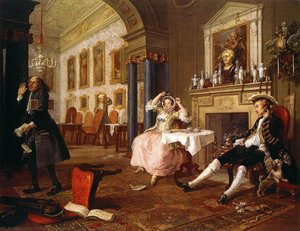
Dejвид Гарик kao Ričard III
 Akril na platnu
- Umetnost za zidove
- Barok
 1745
1745- Renesansa
 2508.0 x 1905.0 cm
 Walker Art Gallery
 Pročitaj više
Ručno rađena uljana reprodukcija
Ručno oslikano uljanim bojama na platnu u dimenzijama i okviru po vašem izboru, izrađeno po porudžbini od strane naših umetnika. ( Pređi na prodaju štampanih primeraka Pređi na prodaju digitalnih slika)




P118B $10

P118H $10

P118W $10

P438Z $10

P508JH $12

P508YH $12

P805H $10

P805Z $10

P919BZ $10

P919G $10

P919XJ $10

P959ZH $10

P968JZ $12

W106C $8

W218G $10

W218JH $8

W218Y $10

W307PJ $10

W316G $10

W316PJ $8

W316Y $10

W398PJ $8

W4111J $10

W500HY $15

W500JH $15

W692G $12

W849H $8

W940BG $15

W953PJ $8




Izaberite jednu od naših unapred definisanih veličina koje odgovaraju originalnim proporcijama umetničkog dela.

Možete uneti sopstvene dimenzije kako biste prilagodili umetničko delo određenom okviru ili prostoru. Ako odabrana veličina ne odgovara proporcijama originala, slika će biti isečena ili proširena dodatnim elementima koji se ručno oslikavaju. Digitalni prikaz će vam biti poslat na odobrenje pre početka proizvodnje.
Imajte na umu da pregled na ekranu ne odražava stvarno prisecanje ili proširenje. Samo mockup će precizno prikazati konačnu kompoziciju.
Iako su dostupne prilagođene veličine, preporučujemo da izaberete dimenziju iz unapred definisane liste kako biste sačuvali originalne proporcije.
Nakon narudžbine, tim OriginalUniqueArt.com će klijentu putem e-pošte poslati uputstva i dostaviti prikaz predloženog rešenja
Svetska isporuka () za 3/4 nedelje umesto uobičajenih 5 nedelja. (20 септембар). Bez kompromisa po pitanju kvaliteta.

Besplatna ekspresna dostava širom sveta

Visokokvalitetno laneno platno

Sveobuhvatno osiguranje transporta

Garancija povraćaja carine i uvoznih dažbina

Garancija vernosti boja i autentičnosti pri reprodukciji

Politika povraćaja u roku od 100 dana (samo u slučaju nedostataka)

Garancija povrata 100% novca

Popust pri većoj količini
 Opcija sa staklom dostupna je samo za dimenzije manje od 110 cm

Dejвид Гарик kao Ričard III
Tehnika izrade reprodukcije
Veličina reprodukcije
-


Ukupna cena
$ 300
Dejvid Garik kao Ričard III: Trijumf dramskog portretizma
Delo Vilijama Hogartša „Dejvid Garik kao Ričard III“, završeno 1745. godine, stoji kao monumentalno dostignuće u teatarskom portretizmu—svedočanstvo kako umetničke inovacije, tako i oštrog razumevanja umetnika svog doba. Više od običnog prikaza slavnog glumca, ovo remek-delo ulja na platnu prodire u teme ambicije, izdaje i psihološke patnje, učvršćujući svoje mesto u kanonu britanske barokne umetnosti i osiguravajući istaknut položaj u Galeriji Walker u Liverpulu.- Umetnik: Vilijam Hogartš (1697 – 1764)
- Mesto rođenja: London
- Država rođenja: Ujedinjeno Kraljevstvo
- Tehnika: Ulje na platnu
- Dimenzije: 2508 x 1905 cm
- Lokacija: Walker Art Gallery, Liverpul
Saradnja rođena iz prijateljstva i javnosti
Genesis dela „Dejvid Garik kao Ričard III“ leži u izvanrednom partnerstvu između samog Hogartša i Dejvida Garika—slavnog šekspirovskog Interpreta koji je očaravao publiku svojim tumačenjima kultnih uloga. Prepoznajući Garikov rastući slavni, Hogartš je vešto iskoristio tu povezanost kako bi uzdigao sopstvenu umetničku reputaciju, pretvarajući portret u lukav promotivni poduhvat. Ovde nije reč bilo samo o hvatanju Garikove sličnosti; cilj je bilo preneti samu suštinu njegove pozorišne persone—dramatičan prikaz koji je težio da otelotvori Šekspirovog napaćenog negativca.Kompozicija i simbolizam: Hvatanje košmara pred bitku
Kompozicija slike je pedantno osmišljena, prepuna simboličkih elemenata dizajniranih da pojačaju njen emocionalni utajni utisak. Garik je postavljen unutar šatora na Bosvortskom polju—mestu odlučujuće pobede Henrija VIII nad Ričardom III—neposredno pre sudbonosne bitke. Hogartš briljantno beleži Garikov psihološki stanj: „svetla gore plavo! Zar nije ponoć? Hladne, strašne kapi vise na mom drhtavom mesu...“ Ovaj upečatljivi opis naglašava Garikov strah i ranjivost, ogledajući anksioznost koja prati predstojeći sukob. Ispod njegove kacige nalazi se zgužvana poruka—bolan podsetnik na izdaju koja nadolazi nad likom Ričarda III.Umetnička tehnika i vizuelna drama
Hogartš je upotrebio majstorski potez četkicom kako bi preneo teksturu i dubinu, vešto mešajući boje da stvori atmosferu opipljive drame. Korišćenje povučene crvene zavese otkriva Garika na sceni—namerno korišćen postupak koji naglašava pozorišni kontekst portreta. Štaviše, uključivanje dva psa i ptice dodaje slojeve vizuelne intrigante, obogaćujući narativnu složenost scene. Ovi elementi doprinose osećaju neposrednosti i pozivaju na promišljanje o temama moći, obmane i sudbine.Nasleđe i relevantnost danas
„Dejvid Garik kao Ričard III“ ostaje trajni simbol britanske barokne umetnosti—očaravajući spoj istorijskog realizma i psihološke drame. Njegov uticaj se može videti u kasnijim pozorišnim portretima i nastavlja da inspiriše umetnike i danas. Za one koji traže inspiraciju ili razmatraju visokokvalitetnu reprodukciju, Galerija Walker nudi neprevaziđen pristup ovom remek-delu. Uz „Dejvid Garik kao Ričard III“, istražite Gibsonov „Tintirana Venera“ – još jedan zadivljujući primer Hogartšove umetničke veštine—dostupan na OriginalUniqueArt kako za kolekcionare, tako i za ljubitelje umetnosti.Biografija umetnika
A London Life in Ink and Paint: The World of William Hogarth
William Hogarth, born into the bustling heart of 18th-century London in 1697, was more than just an artist; he was a visual historian, a keen observer of human nature, and a satirical commentator on the societal currents of his age. His life story is inextricably linked to the very fabric of England during a period of significant transformation – its burgeoning ambitions, underlying anxieties, and pervasive hypocrisies all finding potent expression in his remarkably detailed and often biting works. The son of a struggling Latin schoolmaster, Hogarth’s early experiences instilled within him both a love for learning and a sharp awareness of social inequalities, a foundation that would prove crucial to shaping his artistic vision. Initially apprenticed to an engraver, he quickly demonstrated a talent extending beyond mere technical skill; he possessed an innate ability to observe the nuances of human behavior and translate them into compelling visual narratives. However, he chafed against the constraints of traditional engraving, seeking a more expressive outlet for his burgeoning creativity. This led him to studies at both St Martin’s Lane Academy and under Sir James Thornhill, where he honed his skills in painting and composition, absorbing influences that would later inform his unique style. He established a distinctly British artistic identity. His work provides invaluable insights into 18th-century English society. He influenced generations of artists and satirists.The Birth of Modern Moral Subjects
Hogarth's true innovation lay not simply *what* he painted, but *how*. He pioneered what he termed “modern moral subjects” – series of pictures designed to tell a story, often imbued with a strong satirical edge. These weren’t isolated portraits or landscapes; they were visual novels unfolding before the viewer’s eyes, offering pointed commentary on contemporary society. A Harlot's Progress, created in 1742, stands as perhaps his most famous example. This series of six paintings meticulously follows the tragic downfall of Mary, a young woman arriving in London full of hope but quickly succumbing to the temptations and dangers of city life. Each scene is rendered with painstaking detail, filled with symbolic elements that reveal the moral decay surrounding her. The artist’s meticulous attention to observation—a hallmark of his style—transformed everyday occurrences into profound meditations on virtue and vice. Similarly, A Rake's Progress, begun in 1733, charts the reckless decline of Tom Rakewell, a man who squanders his inheritance on gambling, debauchery, and ultimately, madness. These weren’t merely cautionary tales; they were unflinching portraits of a society grappling with issues of class, morality, and social mobility. Hogarth didn't shy away from depicting the harsh realities of life, presenting them with a blend of humor and pathos that forced viewers to confront uncomfortable truths about themselves and their society. He skillfully captured the psychological complexities of his subjects, conveying both their ambition and their vulnerability.Technique and Influences: A Synthesis of Styles
Hogarth’s artistic style was a unique amalgamation of diverse influences. He greatly admired the realism and narrative detail found in the works of Dutch genre painters like Pieter de Hooch, evident in his meticulous depictions of interiors and everyday life. The artist's masterful use of line and shading—particularly noticeable in his engravings—created depth and texture, bringing his scenes to life with remarkable clarity. He employed a distinctive cross-hatching technique that achieved this effect, demonstrating an exceptional understanding of visual representation. Furthermore, Hogarth was influenced by literary works, particularly those of Jonathan Swift and Henry Fielding, whose satirical wit informed his own social observations. He believed that art should not merely be beautiful but should also serve a moral purpose, challenging viewers to think critically about the world around them and their place within it. He sought to hold a mirror up to nature, reflecting both its beauty and its ugliness with unflinching honesty. His engravings were particularly noteworthy for their expressive quality. He skillfully combined meticulous detail with dynamic composition—a technique that would become synonymous with his artistic legacy. Beyond these immediate influences, Hogarth absorbed stylistic elements from German Expressionists, demonstrating a remarkable openness to experimentation and innovation. This synthesis of styles cemented his position as a pioneer of modern art, shaping the trajectory of British painting for decades to come.Major Achievements and Legacy
Hogarth’s contribution to British art is undeniable. He elevated genre painting to new heights of sophistication and psychological insight—a feat rarely accomplished by his contemporaries. His series of moral subjects revolutionized visual storytelling, establishing a precedent for satirical prints and comic strips that continues to endure today. Artists like James Gillray and George Cruikshank were directly inspired by his style, carrying forward his tradition of social critique. He achieved fame and recognition during his lifetime, securing commissions from prominent patrons and garnering acclaim for his artistic prowess. Even Charles Lamb, the celebrated essayist, recognized the narrative power of Hogarth’s images, famously remarking that they were “like books to be read rather than merely looked at.” His enduring influence testifies to the timeless relevance of his themes—ambition, morality, social justice—issues that remain central to human experience. William Hogarth died in 1764, leaving behind a legacy that continues to inspire artists and scholars alike. He remains a pivotal figure in the history of British art, celebrated for his innovative approach to storytelling, his unflinching social commentary, and his enduring ability to capture the complexities of human life—a testament to the transformative power of artistic vision.
Вилијам Хогарш
1697 - 1764 , Велика Британија
Brzi pregled
- Artistic Movement Or Style: Realizam i satira
- Artists Or Movements Influenced By This Artist: ['James Gillray']
- Artists Who Influenced This Artist:
- Pieter de Hooch
- Jonathan Swift
- Date Of Birth: 1697
- Date Of Death: 1764
- Full Name: William Hogarth
- Nationality: Britanski
- Notable Artworks:
- A Harlot's Progress
- A Rake's Progress
- Marriage A-la-Mode
- Place Of Birth: London, UK
Srodni članci

Barok Majstor dela: Top 10 Umjetničkih Remeka za Vaš Dom
Otkrijte 10 remek dela koja su definisala baroknu umetnost! Karavagio, Bernini i više – istražite priče iza ovih ikoničnih slika. Inspiracija za vaš dom? Pogledajte kolekciju na OriginalUniqueArt.com!

The Visceral Stage: Exploring Dramatic Narratives & Emotional Intensity in Baroque Art
Explore the dramatic world of Baroque art! Discover iconic masters like Caravaggio & Rembrandt, their techniques, and the movement's lasting impact. Expert insights for collectors & enthusiasts at OriginalUniqueArt.

Theatricality & Triumph: Baroque Drama in Painting & Sculpture
Explore the dramatic world of Baroque art! Discover its history, defining characteristics, & lasting influence on painting & sculpture. Expert insights into Caravaggio, Zurbarán, and Bernini – plus high-quality reproductions at OriginalUniqueArt.

Барокна драма: Уношење величине и емоција у савремене ентеријере
Откријте барокну драму и унесите величину у ваш ентеријер! OriginalUniqueArt нуди ручно насликане репродукције, персонализоване портрете и стручне консултације за љубитеље класичне уметности. Потражите савршено дело већ данас!

The Dramatic Flourish: Exploring the Baroque Movement's Enduring Legacy in Art History
Explore the dramatic world of Baroque art! Discover iconic artists like Caravaggio & Rubens, defining techniques, and its lasting impact on art history. Expert insights for collectors & enthusiasts at OriginalUniqueArt.