Pregledaj u prostoru
 Podeli
 Podeli
 Detalji
 Vodič
Vodič

 Preuzmi sliku
 Slični predmeti
 Rendgenski snimak
 Automatska prezentacija
 Statistika
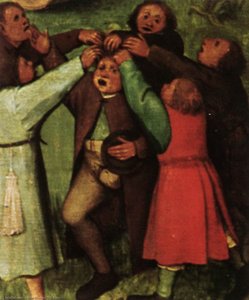
Триумф Смерти
 Ulje na platnu
- Umetnost za zidove
- Northern Renaissance
 1562
1562- Renesansa
 117.0 x 162.0 cm
 Museo del Prado
 Pročitaj više
Giclee štampa / Umetnički otisak
Giclée štampa ili print na platnu muzejskog kvaliteta uz brzu izradu i raznovrsne opcije završne obrade. ( Naručite ručno oslikano reprodukciju Pređi na prodaju digitalnih slika)




P118B дин10

P118H дин10

P118W дин10

P438Z дин10

P508JH дин12

P508YH дин12

P805H дин10

P805Z дин10

P919BZ дин10

P919G дин10

P919XJ дин10

P959ZH дин10

P968JZ дин12

W106C дин8

W218G дин10

W218JH дин8

W218Y дин10

W307PJ дин10

W316G дин10

W316PJ дин8

W316Y дин10

W398PJ дин8

W4111J дин10

W500HY дин15

W500JH дин15

W692G дин12

W849H дин8

W940BG дин15

W953PJ дин8




Izaberite jednu od naših unapred definisanih veličina koje odgovaraju originalnim proporcijama umetničkog dela.

Unesite širinu i visinu koja vam je potrebna, kako bi se uklopili u vaš ram ili na vaš zid. Štampa se može samo iseći, nikada ne može biti veća od originalne slike, stoga format sa drugačijim proporcijama gubi deo slike. Poslaćemo vam digitalni prikaz radi potvrde pre nego što započnemo štampu. Slika prikazana na ovoj stranici ne pokazuje stvarni rez — to pokazuje samo digitalni prikaz.
Dostava širom sveta () za 2 nedelje umesto uobičajenih 4/5 nedelja. (26 октобар)

Besplatna ekspresna dostava širom sveta

Visokokvalitetno laneno platno

Sveobuhvatno osiguranje transporta

Garancija povraćaja carine i uvoznih dažbina

Garancija vernosti boja i autentičnosti pri reprodukciji

Politika povraćaja u roku od 100 dana (samo u slučaju nedostataka)

Garancija povrata 100% novca

Popust pri većoj količini
 Opcija sa staklom dostupna je samo za dimenzije manje od 110 cm

Триумф Смерти
Giclee štampa / Umetnički otisak
Veličina reprodukcije
-


Ukupna cena
дин 8249
Majstorstvo Pijera Bruegela Starijeg
Pijer Bruegel Stariji, veličanstvena figura renesansnog slikarstva, stvorio je "Trijumf smrti" oko 1562. godine. Ovo remek-delo predstavlja vrhunac njegovog inovativnog pristupa tematici i njegove duboke sposobnosti da dočara ljudsku sudbinu sa neprevaziđenim detaljima i emocionalnom dubinom.
Vizija apokaliptičnog haosa
Ova slika na drvenoj podlozi prikazuje pustoš, prostranstvo preplavljeno vojskom skeleta koja nanosi neopisivu štetu živima. Scena je ispunjena dinamičnim pokretom i intenzivnom akcijom, što svedoči o Bruegelovom majstorstvu u kompoziciji i narativnom pripovedanju. Skeleti na konjima, koji vuku kola puna lobanja i učestvuju u raznim činovima uništenja, stvaraju osećaj nadmoćnog haosa i neizbežnosti.
Bogate zemljane nijanse i dramatično osvetljenje
Paletom boja dominiraju zemljani tonovi — braon, bež i siva — koji stvaraju sumornu atmosferu. Ove prigušene boje prožete su tragovima crvene boje, naročito u odeći pojedinih figura i krvi iz rana, što dodaje osećaj hitnosti i nasilja. Dramatično osvetljenje, sa izvorima svetlosti koji dolaze iz različitih pravaca, ističe određene likove i elemente dok druge baca u senku, pojačavajući dubinu i dimenzionalnost scene.
Simbolika i istorijski kontekst
"Trijumf smrti" je bogat simbolikom, odražavajući društvene strahove i anksioznost sredine 16. veka. Slika prikazuje ljude različitog socijalnog porekla — seljake, vojnike, plemiće, kralja i kardinala — koje smrt oduzima bez obzira na status. Ova univerzalna tema naglašava neizbežnost smrtnosti i uzaludnost ljudskih poduhvata pred licem smrti.
Scena uključuje različite metode pogubljenja, kao što su kolovrat, vešala, spaljivanje na lomači i posekotina, koji su bili uobičajeni u tom periodu. Prisustvo krsta u centru slike dodatno naglašava religiozne podtonove i moralne pouke koje je Bruegel želeo da prenese.
Emocionalni uticaj i umetničko nasleđe
Emocionalni uticaj "Trijumfa smrti" je dubok. On izaziva osećaj straha, haosa i očaja, dok istovremeno služi kao moćan komentar o brutalnosti i razaranju rata. Bruegelovo pedantno prikazivanje figura i elemenata, u kombinaciji sa upotrebom slojevitih glazura i finih poteza četkicom, stvara bogato i detaljno umetničko delo koje privlači posmatrače i poziva ih da istraže svaki ugao scene.
Ovo remek-delo inspirisalo je umetnike u različitim medijima, od književnosti do kinematografije. Njegovo trajno nasleđe leži u sposobnosti da uhvati ljudsko iskustvo u svojoj punoj složenosti i podstakne duboko razmišljanje o prirodi života i smrti.
Unos remek-dela u vaš prostor
Posedujte deo istorije umetnosti uz našu visokokvalitetnu reprodukciju "Trijumfa smrti". Ovo zadivljujuće umetničko delo uneti će dubinu, dramu i istorijski značaj u bilo koji enterijer. Bez obzira da li ste ljubitelj umetnosti, kolekcionar ili dizajner enterijera, ovo remek-delo će vas sigurno inspirisati i očarati.
Pitanja i odgovori
Kolika je luminancija dela „Триумф Смерти”, Пијетр Бругел Старији?
Boje dela "Триумф Смерти" pokazuju Blaga senka luminancu.
Koje su dimenzije originalnog dela „Триумф Смерти”, Пијетр Бругел Старији?
Zabeležene dimenzije dela „Триумф Смерти”, Пијетр Бругел Старији su 117 x 162 cm. Reprodukcije se mogu naručiti u drugim dimenzijama uz zadržavanje istih proporcija.
Koja osnovna nijansa prožima „Триумф Смерти”, Пијетр Бругел Старији?
Od okera do sepije nijansa prožima delo „Триумф Смерти”, Пијетр Бругел Старији.
Biografija umetnika
Pieter Bruegel the Elder (c. 1525-1569): Renaissance Master of Landscapes & Peasant Life
Pieter Bruegel the Elder emerged during a period of profound change, a time when the artistic landscape of Europe was shifting from the High Renaissance ideals of Italy towards the burgeoning complexities of Northern European expression. Born sometime between 1525 and 1530, likely in Breda – though details surrounding his early life remain somewhat elusive – Bruegel’s formative years unfolded amidst religious upheaval and a flourishing merchant culture. He began his artistic journey around 1545 as an apprentice to Pieter Coecke van Aelst, a respected Antwerp painter known for both his artistry and his designs for tapestries. This apprenticeship provided Bruegel with a solid grounding in the technical skills of oil painting and drawing, but perhaps more importantly, it exposed him to the humanist currents that were beginning to permeate intellectual circles. Van Aelst’s workshop was not merely a place of artistic instruction; it was a crucible where traditional techniques met new ideas, shaping Bruegel's future vision.Early Influences & Artistic Training
Bruegel’s initial artistic training took place under the tutelage of Pieter Coecke van Aelst, a figure who embodied the spirit of Antwerp’s artistic dynamism during this transitional era. Van Aelst’s workshop wasn’t simply focused on mastering painting; it fostered an environment where artists wrestled with emerging humanist philosophies and experimented with innovative compositional strategies. This exposure to humanist thought – particularly the emphasis on observation and rational analysis – would profoundly influence Bruegel's subsequent artistic endeavors. Furthermore, he honed his skills in drawing and etching, disciplines that complemented his painting practice and broadened his artistic repertoire. The Antwerp Guild of Saint Luke recognized Bruegel’s talent early on, granting him admittance as a free master in 1553 – a pivotal moment signifying his professional independence and establishing him as a respected artist within the city's thriving artistic community.Travels & Transformation: Exploring Diverse Cultures
Following his apprenticeship, Bruegel embarked on extensive travels that would irrevocably shape his artistic worldview. Between 1551 and 1553, he ventured into France, Switzerland, and Italy – journeys undertaken not merely for pleasure but as expeditions of intellectual and sensory exploration. These explorations yielded invaluable insights into the artistic traditions of other European nations, particularly Italy, where he encountered the monumental works of Leonardo da Vinci and Michelangelo. However, Bruegel’s artistic temperament remained distinctly Northern European; he didn't simply emulate Italian styles but rather absorbed their influence while retaining his own unique sensibility. The Alps captivated him with their dramatic grandeur, informing the compositional structure and atmospheric perspective found in many of his later landscapes. He meticulously documented these vistas, capturing both their beauty and their inherent complexity—a characteristic that would define his artistic legacy.A Revolutionary Vision: Landscapes Beyond Imitation
What distinguished Bruegel from his contemporaries was his audacious departure from prevailing artistic conventions. While Renaissance painters often idealized nature – striving to represent it in an aesthetically pleasing manner – Bruegel confronted it head-on, portraying it with unflinching realism and a keen awareness of its inherent contradictions. He rejected the notion that art should merely reflect beauty; instead, he sought to illuminate truth—often uncomfortable truths—about human existence and the natural world. His landscapes weren’t simply decorative backgrounds; they were active participants in the narrative, imbued with symbolic meaning and reflecting a deep understanding of nature's power and vulnerability. Consider Landscape with the Flight into Egypt: Bruegel doesn’t depict the biblical scene as a serene pilgrimage but rather presents it as a perilous journey through wintry terrain—a subtle commentary on the challenges faced by pilgrims throughout history.Iconic Masterpieces & Enduring Influence
Bruegel's artistic output produced some of the most recognizable and influential images of the sixteenth century. Paintings like The Triumph of Death – a terrifying depiction of mortality populated by grotesque figures—and Peasant Wedding – a vibrant celebration of rural life brimming with detail and humor—remain enduring symbols of Northern Renaissance art. These works stand apart from many of their contemporaries due to Bruegel’s masterful use of chiaroscuro—the dramatic interplay of light and shadow—which lends depth, realism, and emotional resonance to his compositions. His scenes weren't necessarily didactic; they were honest observations, capturing both the joys and sorrows inherent in human experience. Furthermore, Bruegel’s influence extended far beyond painting, inspiring artists across disciplines – including printmakers and filmmakers – who sought to capture the spirit of his time. He cemented his place as one of the foremost figures in art history—a testament to his unwavering commitment to artistic innovation and his profound understanding of the human condition.
Пијетр Бругел Старији
1525 - 1569 , Није спецификовано
Brzi pregled
- Artistic Movement Or Style: Renaissance painting
- Artists Who Influenced This Artist: ['Hieronymus Bosch']
- Date Of Birth: c. 1525
- Date Of Death: 1569
- Full Name: Pieter Bruegel the Elder
- Nationality: Flemish
- Notable Artworks:
- Landscape with the Flight into Egypt
- The Triumph of Death
- Peasant Wedding
- Hunters in the Snow
- The Tower of Babel
- Place Of Birth: Breda, Netherlands
Srodni članci
Glavna dela Severne Renesanse: 10 remek-dela koja su obeležila epohu (i vaš dom)
Otkrijte 10 remek dela Severne Renesanse koja su obeležila epohu! Jan van Eyck, Dürer i Bruegel – istražite priče iza ovih umetničkih majstorstava. Inspiracija za vaš dom i vrhunske reprodukcije na OriginalUniqueArt.com!

Pieter Bruegel the Elder: A Master of Genre, Landscape & Social Commentary
Explore the life & art of Pieter Bruegel the Elder, a pivotal figure of the Renaissance. Discover his groundbreaking genre scenes, symbolic landscapes, and lasting influence on art history. Learn more at OriginalUniqueArt.
25 Remek-dela Kunsthistorisches Museuma: Umetnička Baština Beča za Vas Dom
Uronite u svet 25 remek-dela Kunsthistorisches Museuma u Beču! Otkrijte priče iza Rafaelovih Madona, Rembrandtovih samoportreta i Vermeerove umetnosti. Inspiracija za dekoraciju enterijera & vrhunske reprodukcije slika na OriginalUniqueArt.com.
Dark Gray Masterpieces: 10 Iconic Paintings & Timeless Home Decor Ideas
Explore 10 iconic paintings dominated by dark gray tones, from Rembrandt & Caravaggio to Goya. Discover the stories behind these masterpieces and find museum-quality art reproductions for your home at . Explore the full collection online.

Shadow & Soul: The Bold Dark Art Trend Redefining Modern Urban Interiors
Level up your space with the boldest trend in urban design. Discover how dark art, moody textures, and high-contrast aesthetics create a powerful visual impact. Master the art of shadow and soul to transform your modern interior into a high-energy masterpiece.