Pregledaj u prostoru
 Pošalji
 Podeli
 Detalji o delu

 Преузми
 Slični predmeti
 Rendgenski snimak
 Slajdovi
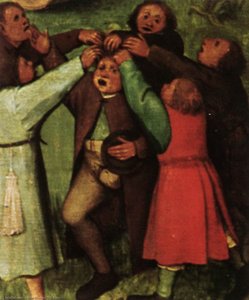
Деца играју
 Ulje na panelu
- Northern Renaissance
 1560
1560- Renesansa
 118.0 x 161.0 cm
 Kunsthistorisches Museum
 Pročitaj više
Ručno rađena uljana reprodukcija
Ručno oslikano uljanim bojama na platnu u dimenzijama i okviru po vašem izboru, izrađeno po porudžbini od strane naših umetnika. ( Kupi print Kupi digitalnu sliku)




P118B $10

P118H $10

P118W $10

P438Z $10

P508JH $12

P508YH $12

P805H $10

P805Z $10

P919BZ $10

P919G $10

P919XJ $10

P959ZH $10

P968JZ $12

W106C $8

W218G $10

W218JH $8

W218Y $10

W307PJ $10

W316G $10

W316PJ $8

W316Y $10

W398PJ $8

W4111J $10

W500HY $15

W500JH $15

W692G $12

W849H $8

W940BG $15

W953PJ $8




Izaberite jednu od naših unapred definisanih veličina koje odgovaraju originalnim proporcijama umetničkog dela.

Можете унети сопствене димензије како бисте прилагодили дело одређеном оквиру или простору. Ако одабрана величина не одговара пропорцијама оригинала, слика ће бити исечена или проширена додатним елементима који се ручно насликавају. Дигитални prikaz ће вам бити послат на одобрење пре почетка производње.
Имајте на уму да преглед на екрану не одражава стварно исецање или проширење. Само приказ (mockup) ће тачно приказати коначну композицију.
Иако су доступне прилагођене величине, препоручујемо да одаберете димензију из дефинисане листе како бисте сачували оригиналне пропорције.
Nakon narudžbine, tim OriginalUniqueArt.com će klijentu putem e-pošte poslati uputstva i dostaviti prikaz predloženog rešenja
Isporuka širom sveta () za 3/4 nedelje umesto uobičajenih 5 nedelja. (22 август). Bez kompromisa po pitanju kvaliteta.

Besplatna ekspresna dostava širom sveta

Visokokvalitetno laneno platno

Kompletno osiguranje transporta

Garancija povraćaja carine i uvoznih dažbina

Garancija vernosti boja

Politika povrata u roku od 60 dana (samo u slučaju nedostataka)

Garancija povrata novca od 100%

Popust pri grupnoj kupovini
 Opcija sa staklom dostupna je samo za dimenzije manje od 110 cm

Деца играју
Tehnika reprodukcije
Dimenzije reprodukcije
-


Konačna cena
$ 725
Opis umetničkog dela
Upečatljiva Predstavnost Djetinjeg Plaćenja i Zajednice
Uronite u bujnu scenu koja sačuva nemir i energičnost djetinjestva kroz maestralno pletenje pera Pieta Bruegla Starijeg. Ova živopisna kompozicija prikazuje djecu, upetkane u niz igara unutar živopisne flemingske varoši iz 16. stoljeća, pružajući prozor u život tog vremena. Dinamična energija i bogata pripovijest evociraju osjećaj zajedničke harmonije, čineći je fascinantnim centrom pozornosti za ljubitelje umjetnosti i sofisticirane interijere. Brueglova vizija nije samo zabavna scena; ona je duboko ukorijenjena u povijesnom i kulturnom kontekstu Flandrije, pružajući nam rijetku priliku da razumijemo vrijednosti i običaje tog vremena.Maestralan Stil i Tehniku Renesanse
Ovo djelo nastalo tijekom sjeverne renesanse, izuzetna je potvrda Brueglovoj iznimnoj vještine u detaljnom pripovijedanju i prirodnom predstavljanju. Izvršeno s uljenim bojama na platnu, ova radna površina pokazuje njegovu preciznost u pogledu teksture, boje i prostorne dubine. Živopisna paleta, dominirana zemljitim nijansama, nježnim plavima i živahnim crvenima, pojačava realizam i toplinu scene. Brueglova točna linija i organske oblike donose život zaokruženim oblicima djece i rustičnoj arhitekturi, pozivajući gledatelje da istražuju svaki kutak ovog živopisnog dijela.Povijesni Kontekst i Simbolizam
Slikano 1560., ovo djelo odražava vrijednosti i kulturne prakse renesansne Flandrije. Množstvo igara koje su se igrale djece – kotrljanje sjekiri, hodanje na platformama i igranje igračkama – više je od zabave; one simboliziraju nevinost, društvenu koheziju i moralnu važnost zajedničkog života. Velika zgrada u pozadini, možda gradska palača, nježno sugerira da su građanska vlast i djetinjska nevinost međusobno povezani, naglašavajući moral da počinje vođenje društva od morala i socijalnih vrlina temeljenih na zajednici i djetinjstvu.Emocionalni Utjecaj i Umjetnički Značaj
Ovo djelo resonira s temama vitalnosti, nevinosti i univerzalne radosti igre. Njegova živopisna kompozicija i detaljna pripovijest evociraju osjećaje nostalgije i čudesnosti, inspirajući gledatelje da razmišljaju o vremenu djetinjstva i društvenih veza. Kao visokokvalitetna reprodukcija, nudi smislvenu dodanu bilo kojoj kolekciji ili interijeru, obogaćujući sobe toplinom, poviješću i proslavom ljudske nevinosti. Bez obzira na to je li izložena u galeriji, sofisticiranom životnom prostoru ili kreativnom radnom mjestu, ovo djelo obećava da će privlačiti i inspirirati generacije koje dolaze.Biografija umetnika
Pieter Bruegel the Elder (c. 1525-1569): Renaissance Master of Landscapes & Peasant Life
Pieter Bruegel the Elder emerged during a period of profound change, a time when the artistic landscape of Europe was shifting from the High Renaissance ideals of Italy towards the burgeoning complexities of Northern European expression. Born sometime between 1525 and 1530, likely in Breda – though details surrounding his early life remain somewhat elusive – Bruegel’s formative years unfolded amidst religious upheaval and a flourishing merchant culture. He began his artistic journey around 1545 as an apprentice to Pieter Coecke van Aelst, a respected Antwerp painter known for both his artistry and his designs for tapestries. This apprenticeship provided Bruegel with a solid grounding in the technical skills of oil painting and drawing, but perhaps more importantly, it exposed him to the humanist currents that were beginning to permeate intellectual circles. Van Aelst’s workshop was not merely a place of artistic instruction; it was a crucible where traditional techniques met new ideas, shaping Bruegel's future vision.Early Influences & Artistic Training
Bruegel’s initial artistic training took place under the tutelage of Pieter Coecke van Aelst, a figure who embodied the spirit of Antwerp’s artistic dynamism during this transitional era. Van Aelst’s workshop wasn’t simply focused on mastering painting; it fostered an environment where artists wrestled with emerging humanist philosophies and experimented with innovative compositional strategies. This exposure to humanist thought – particularly the emphasis on observation and rational analysis – would profoundly influence Bruegel's subsequent artistic endeavors. Furthermore, he honed his skills in drawing and etching, disciplines that complemented his painting practice and broadened his artistic repertoire. The Antwerp Guild of Saint Luke recognized Bruegel’s talent early on, granting him admittance as a free master in 1553 – a pivotal moment signifying his professional independence and establishing him as a respected artist within the city's thriving artistic community.Travels & Transformation: Exploring Diverse Cultures
Following his apprenticeship, Bruegel embarked on extensive travels that would irrevocably shape his artistic worldview. Between 1551 and 1553, he ventured into France, Switzerland, and Italy – journeys undertaken not merely for pleasure but as expeditions of intellectual and sensory exploration. These explorations yielded invaluable insights into the artistic traditions of other European nations, particularly Italy, where he encountered the monumental works of Leonardo da Vinci and Michelangelo. However, Bruegel’s artistic temperament remained distinctly Northern European; he didn't simply emulate Italian styles but rather absorbed their influence while retaining his own unique sensibility. The Alps captivated him with their dramatic grandeur, informing the compositional structure and atmospheric perspective found in many of his later landscapes. He meticulously documented these vistas, capturing both their beauty and their inherent complexity—a characteristic that would define his artistic legacy.A Revolutionary Vision: Landscapes Beyond Imitation
What distinguished Bruegel from his contemporaries was his audacious departure from prevailing artistic conventions. While Renaissance painters often idealized nature – striving to represent it in an aesthetically pleasing manner – Bruegel confronted it head-on, portraying it with unflinching realism and a keen awareness of its inherent contradictions. He rejected the notion that art should merely reflect beauty; instead, he sought to illuminate truth—often uncomfortable truths—about human existence and the natural world. His landscapes weren’t simply decorative backgrounds; they were active participants in the narrative, imbued with symbolic meaning and reflecting a deep understanding of nature's power and vulnerability. Consider Landscape with the Flight into Egypt: Bruegel doesn’t depict the biblical scene as a serene pilgrimage but rather presents it as a perilous journey through wintry terrain—a subtle commentary on the challenges faced by pilgrims throughout history.Iconic Masterpieces & Enduring Influence
Bruegel's artistic output produced some of the most recognizable and influential images of the sixteenth century. Paintings like The Triumph of Death – a terrifying depiction of mortality populated by grotesque figures—and Peasant Wedding – a vibrant celebration of rural life brimming with detail and humor—remain enduring symbols of Northern Renaissance art. These works stand apart from many of their contemporaries due to Bruegel’s masterful use of chiaroscuro—the dramatic interplay of light and shadow—which lends depth, realism, and emotional resonance to his compositions. His scenes weren't necessarily didactic; they were honest observations, capturing both the joys and sorrows inherent in human experience. Furthermore, Bruegel’s influence extended far beyond painting, inspiring artists across disciplines – including printmakers and filmmakers – who sought to capture the spirit of his time. He cemented his place as one of the foremost figures in art history—a testament to his unwavering commitment to artistic innovation and his profound understanding of the human condition.
Пијетр Бругел Старији
1525 - 1569 , Није спецификовано
Osnovne informacije
- Artistic Movement Or Style: Renaissance painting
- Artists Who Influenced This Artist: ['Hieronymus Bosch']
- Date Of Birth: c. 1525
- Date Of Death: 1569
- Full Name: Pieter Bruegel the Elder
- Nationality: Flemish
- Notable Artworks:
- Landscape with the Flight into Egypt
- The Triumph of Death
- Peasant Wedding
- Hunters in the Snow
- The Tower of Babel
- Place Of Birth: Breda, Netherlands
Povezani članci
Iznad Piksela i Igre: Estetski i Identitetski Značaj Gejming Umetnosti za Modernog Kolekcionara
Istražite svet gejming umetnosti! Ekskluzivna analiza kolekcionarskih predmeta, trendova i investicionih mogućnosti. Saveti stručnjaka za modernog kolekcionara.

Pixelated Prestige: Exploring Scarcity, Value, and Cultural Impact in Limited Edition Gaming Paintings
Explore the world of limited edition gaming paintings! Discover investment strategies, artist insights & preservation tips for collectors. Trusted expertise in rare video game art.

Pixel & Palette: Exploring the Artistic Craftsmanship of Hand-Painted Game Universes and the Artists Who Bring Them to Life
Explore the artistry of hand-painted game universes! Discover techniques, artists & history behind this unique style. Expert insights for collectors & developers.

Pikseli na trotoaru: Estetska revolucija video igara i savremena vizuelna kultura
Istražite kako su video igre revolucionirale vizuelnu kulturu i uticale na umetnost, modu i dizajn. Analiziramo trendove, estetiku indie igara poput Limbo i budućnost interaktivnog stila.

Bridging Realities: Exploring Aesthetic Crossovers Between Video Game Universes and Fine Art Traditions
Explore the fascinating intersection of video game aesthetics & fine art traditions. Discover how gaming influences design, collect iconic art reproductions, and elevate your space with expert guidance from OriginalUniqueArt.