
 Pregledaj u prostoru
 Pošalji
 Podeli
 Detalji o delu
 Vodič
Vodič

 Preuzmi
 Slični predmeti
 Rendgenski snimak
 Automatska prezentacija
 Q&A
Q&A Statistika
Harry Clarke (1889–1931)

- 53.0 x 38.0 cm

 Pročitaj više
Umetničko delo prikazano na ovoj stranici zaštićeno je autorskim pravima, što znači da zakonski nismo u mogućnosti da kreiramo niti prodajemo identičnu reprodukciju. Ova zaštita se sprovodi u skladu sa međunarodnim sporazumima kao što su Bernska konvencija i nacionalnim zakonima, uključujući i one koji su definisani u Američki zakon o autorskom pravu – Naslov 17.
Ovaj metod je u potpunosti usklađen sa regulativama o autorskim pravima jer ne podrazumeva kopiranje ili dupliranje zaštićenih umetničkih dela. Umesto toga, reč je o kreativnoj reinterpretaciji – novom slikarskom delu koje je inspirisano originalom, ali nije identično njemu.
Giclee štampa / Umetnički otisak
Giclée štampa ili print na platnu muzejskog kvaliteta uz brzu izradu i raznovrsne opcije završne obrade. ( Kupite ručno oslikano delo Pređi na digitalnu sliku)




P118B дин10

P118H дин10

P118W дин10

P438Z дин10

P508JH дин12

P508YH дин12

P805H дин10

P805Z дин10

P919BZ дин10

P919G дин10

P919XJ дин10

P959ZH дин10

P968JZ дин12

W106C дин8

W218G дин10

W218JH дин8

W218Y дин10

W307PJ дин10

W316G дин10

W316PJ дин8

W316Y дин10

W398PJ дин8

W4111J дин10

W500HY дин15

W500JH дин15

W692G дин12

W849H дин8

W940BG дин15

W953PJ дин8




Izaberite jednu od naših unapred definisanih veličina koje odgovaraju originalnim proporcijama umetničkog dela.

Unesite željenu širinu i visinu kako bi se štampa uklopila u vaš ram ili zid. Štampu je moguće samo iseći, ali nikada povećati iznad dimenzija originalne slike, stoga format sa drugačijim proporcijama uzrokuje gubitak dela slike. Pre početka štampe, poslaćemo vam digitalni prikaz radi potvrde. Slika prikazana na ovoj stranici ne predstavlja stvarni isrez — to pokazuje samo digitalni prikaz.
Dostava širom sveta () za 2 nedelje umesto uobičajenih 4/5 nedelja. (1 новембар)

Besplatna ekspresna dostava širom sveta

Visokokvalitetno laneno platno

Potpuno osiguranje transporta

Garancija povraćaja carine i uvoznih dažbina

Garancija vernosti boja

Politika povraćaja u roku od 100 dana (samo u slučaju nedostataka)

Garancija povrata 100% novca

Popust na više proizvoda
 Opcija sa staklom dostupna je samo za dimenzije manje od 110 cm

Harry Clarke (1889–1931)
Giclee štampa / Umetnički otisak
Dimenzije reprodukcije
-


Ukupna cena
дин 8337
Biografija umetnika
A Life Immersed in Art: The World of Margaret Clarke
Margaret Clarke, born Margaret Crilley in Newry, County Down, Ireland on August 1st, 1884, emerged as a significant figure in the Irish art landscape during a period of profound social and artistic change. Often overshadowed by her more famous husband, Harry Clarke, recent scholarship has rightfully begun to illuminate her own remarkable talent and enduring legacy as a portrait painter who captured not merely likenesses but the very essence of her sitters. Her early life, though rooted in a modest background – her father was a flax hackler – fostered an environment that valued creativity; she initially trained alongside her sister Mary with aspirations of becoming a teacher before a scholarship to the Dublin Metropolitan School of Art irrevocably altered her path. It was there, under the tutelage of William Orpen, that Clarke’s artistic potential blossomed, quickly establishing her as one of his most promising pupils.Early Influences and Artistic Development
Orpen's influence proved pivotal in shaping Clarke’s approach to portraiture. He encouraged a directness of observation and a commitment to capturing the psychological depth of the subject, principles that would become hallmarks of her work. Clarke excelled at depicting individuality, moving beyond superficial representation to reveal what she termed the “true self” of those she painted. Her early successes included winning Board of Education medals for painting from life in 1911 and 1912, demonstrating a technical proficiency and sensitivity that garnered recognition even before her marriage. The vibrant Dublin art scene of the early 20th century provided fertile ground for her development; alongside fellow students like Beatrice Glenavy, James Sleator, Kathleen Fox, Leo Whelan, and notably Harry Clarke, she absorbed diverse artistic currents while forging her own distinct style. The shared experiences and mutual encouragement within this cohort were crucial to their individual growth. Her initial foray into the Royal Hibernian Academy in 1913 marked a formal entry into the established art world, though it was her personal connection with Harry Clarke that would dramatically shape the next chapter of her life.Marriage, Collaboration, and Continued Artistic Pursuit
The marriage of Margaret Crilley to Harry Clarke in 1914 was something of a surprise within artistic circles, yet it proved to be a partnership built on mutual respect and shared passion for art. They established a home at 33 North Frederick Street, becoming central figures in Dublin’s cultural life. While Harry's reputation soared with his stained glass masterpieces, Margaret continued her own painting career, balancing the demands of motherhood – they had three children: Michael, David, and Ann – with her artistic ambitions. The couple frequently visited the Aran Islands alongside artist Seán Keating, a journey that inspired landscapes and smaller studies in Clarke’s oeuvre. Following Harry's untimely death in 1931, Margaret assumed directorship of the Harry Clarke Stained Glass Studios, demonstrating remarkable resilience and business acumen while simultaneously maintaining her own artistic practice. This period was marked by both professional responsibility and personal grief, yet she persevered, ensuring the continuation of her husband’s legacy while steadfastly pursuing her own creative vision.A Legacy in Portraiture and Beyond
Clarke's portraits stand as a testament to her keen observational skills and empathetic understanding of human character. She received numerous commissions throughout the 1920s and beyond, capturing prominent figures such as Lennox Robinson, President Éamon de Valera, Archbishop McQuaid, and Dermod O’Brien. Her work wasn’t limited to formal portraiture; she also explored genre scenes like “The Ghost Sonata,” inspired by Strindberg's play, and intimate domestic moments such as "Bathtime at the Creche," often featuring her children and household staff as models. A critic in 1939 lauded her ability to create “remarkable drawings in which individuality is caught in a few swift economical lines.” Clarke’s commitment to art extended beyond her own practice; she taught at both the Dublin School of Art and the RHA Schools, nurturing the next generation of Irish artists. Her election as an Associate (ARHA) in 1926 and a full Royal Hibernian Academician (RHA) in 1927 solidified her position within the artistic establishment. She was also a founding member of the executive committee for the Irish Exhibition of Living Art in 1943, further demonstrating her dedication to promoting contemporary Irish art.Rediscovering Margaret Clarke: A Lasting Impact
For too long, Margaret Clarke’s contributions were viewed primarily through the lens of her relationship with Harry Clarke. However, recent exhibitions and scholarship have begun to redress this imbalance, revealing a gifted artist in her own right whose work deserves wider recognition. Her paintings, characterized by their psychological depth, technical skill, and sensitive portrayal of Irish life, offer a unique window into the early 20th century. Clarke’s legacy extends beyond the canvases she created; it encompasses her role as a teacher, director, and advocate for the arts in Ireland. Today, her work can be found in prestigious collections including the National Gallery of Ireland, The Hugh Lane, the Crawford Art Gallery, and the Ulster Museum, ensuring that her artistic voice continues to resonate with audiences for generations to come. Her story is one of resilience, talent, and a steadfast commitment to art in the face of personal and professional challenges – a truly inspiring figure whose contributions have rightfully earned their place in Irish art history.
Margaret Clarke
1888 - 1961 , Ireland
Osnovne informacije
- Full Name: Josef Albers
- Nationality: German-American
- Date Of Birth: 1888
- Date Of Death: 1961
- Place Of Birth: Newry, Ireland
- Notable Artworks:
- Homage to the Square
- Yellow Hexagon – Red-Orange Square
- Artistic Movement Or Style: Abstract painting
- Artists Who Influenced This Artist:
- Paul Klee
- Wassily Kandinsky
- Artists Or Movements Influenced By This Artist:
- Color Field painting
- Bauhaus movement
Povezani članci
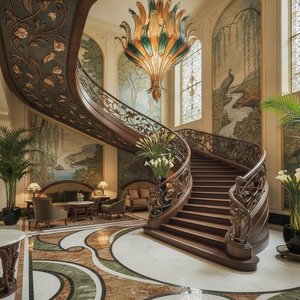
Art Nouveau Guide: Integrating Elegant Curves and Organic Design into Luxury Hotel Interiors
Master Art Nouveau integration for luxury hotel interiors. Discover expert strategies for utilizing organic curves, whiplash lines, and botanical motifs to create sophisticated, high-end hospitality spaces with scalable, professional art procurement solutions.
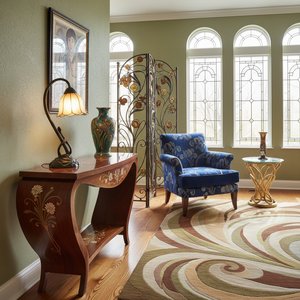
Art Nouveau: 10 Remek Dela Koja Su Definisala Pokret - Elegancija Za Vaš Dom
Otkrijte 10 remek dela Art Nouveau pokreta! Uronite u svet Alfonsa Muche, Gustava Klimta i drugih genijalaca. Istorija umetnosti, inspiracija za dekoraciju doma i reprodukcije vrhunskog kvaliteta na OriginalUniqueArt.com. Istražite celu kolekciju online!
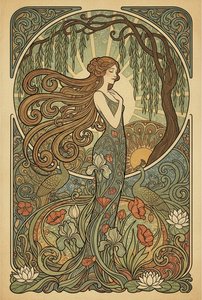
The Flowing Line & Flourishing Form: Exploring Art Nouveau's Aesthetic Legacy
Explore the captivating world of Art Nouveau! Discover its origins, key artists like Horta & Mucha, regional styles, innovative techniques, and lasting influence on architecture & design. A comprehensive guide for art enthusiasts.
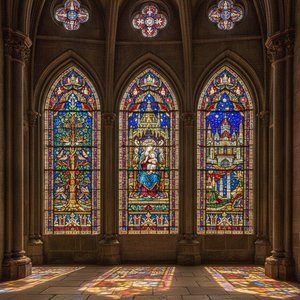
Luminous Masterpieces: The Captivating Beauty and Timeless Elegance of Stained Glass Artworks
Embark on a visual journey through the luminous world of stained glass art. Discover the exquisite craftsmanship, historical significance, and captivating beauty of masterworks from Art Nouveau to the Gothic era, curated for the discerning fine art enthusiast.
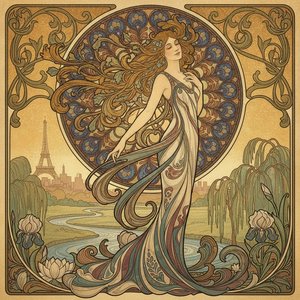
The Elegance of Art Nouveau: Embracing Nature's Fluid Beauty and the Belle Époque Spirit
Discover the enchanting world of Art Nouveau. Explore the organic beauty, flowing lines, and Belle Époque elegance that defined an era of unparalleled craftsmanship and natural inspiration.