

 Pregledaj u prostoru
 Pošalji
 Podeli
 Detalji o delu
 Vodič
Vodič

 Preuzmi
 Slični predmeti
 Rendgenski snimak
 Automatska prezentacija
 Q&A
Q&A Statistika
Марија Магдалена


 Pročitaj više
Giclee štampa / Umetnički otisak
Giclée štampa ili print na platnu muzejskog kvaliteta uz brzu izradu i raznovrsne opcije završne obrade. ( Kupite ručno oslikano delo Pređi na digitalnu sliku)




P118B дин10

P118H дин10

P118W дин10

P438Z дин10

P508JH дин12

P508YH дин12

P805H дин10

P805Z дин10

P919BZ дин10

P919G дин10

P919XJ дин10

P959ZH дин10

P968JZ дин12

W106C дин8

W218G дин10

W218JH дин8

W218Y дин10

W307PJ дин10

W316G дин10

W316PJ дин8

W316Y дин10

W398PJ дин8

W4111J дин10

W500HY дин15

W500JH дин15

W692G дин12

W849H дин8

W940BG дин15

W953PJ дин8




Izaberite jednu od naših unapred definisanih veličina koje odgovaraju originalnim proporcijama umetničkog dela.

Unesite željenu širinu i visinu kako bi se štampa uklopila u vaš ram ili zid. Štampu je moguće samo iseći, ali nikada povećati iznad dimenzija originalne slike, stoga format sa drugačijim proporcijama uzrokuje gubitak dela slike. Pre početka štampe, poslaćemo vam digitalni prikaz radi potvrde. Slika prikazana na ovoj stranici ne predstavlja stvarni isrez — to pokazuje samo digitalni prikaz.
Dostava širom sveta () za 2 nedelje umesto uobičajenih 4/5 nedelja. (29 октобар)

Besplatna ekspresna dostava širom sveta

Visokokvalitetno laneno platno

Potpuno osiguranje transporta

Garancija povraćaja carine i uvoznih dažbina

Garancija vernosti boja

Politika povraćaja u roku od 100 dana (samo u slučaju nedostataka)

Garancija povrata 100% novca

Popust na više proizvoda
 Opcija sa staklom dostupna je samo za dimenzije manje od 110 cm

Марија Магдалена
Giclee štampa / Umetnički otisak
Dimenzije reprodukcije
-


Ukupna cena
дин 8287
Luca Signorelli: A Titan of Renaissance Foreshortening
Luca Signorelli (c. 1450 – 1523) stands as one of the most influential figures in High Renaissance art, primarily recognized for his groundbreaking mastery of perspective and dramatic execution of monumental frescoes. Born in Cortona, Tuscany, Signorelli’s artistic journey spanned Florence, Siena, and Rome, establishing him as a celebrated workshop leader and cementing his legacy as an innovator who profoundly shaped the visual language of his era. His output is marked by an unparalleled sensitivity to human anatomy and emotion, resulting in images that resonate with both intellectual rigor and visceral impact.- Early Training & Influences: Signorelli’s formative years were spent under the tutelage of Piero della Francesca in Florence, absorbing the humanist ideals and geometric precision characteristic of the Florentine Renaissance. This foundational training instilled a meticulous attention to detail and an unwavering commitment to anatomical accuracy – qualities that would define his artistic style throughout his career.
- Cortona & The Workshop: Signorelli returned to Cortona after his time in Florence, establishing himself as a prolific artist and fostering a vibrant workshop environment where he nurtured the talents of younger painters. This period witnessed the production of numerous commissions, showcasing Signorelli’s versatility and cementing his reputation as a master craftsman.
- Notable Works: Signorelli's artistic achievements are epitomized by his monumental frescoes in Orvieto Cathedral – specifically “The Last Judgment,” considered his magnum opus. Alongside this masterpiece, he created stunning depictions of Saint Sebastian for the Museo dell’Opera del Duomo and produced evocative paintings for Palazzo Minucci-Solaini, demonstrating his ability to convey complex narratives with breathtaking visual grandeur.
The Last Judgment: A Symphony of Foreshortening
“The Last Judgment,” completed between 1499 and 1503 in Orvieto Cathedral, represents Signorelli’s apex of artistic achievement. This vast fresco cycle depicts the apocalyptic event described in Revelation, employing a revolutionary technique known as foreshortening – a method pioneered by Signorelli that dramatically compresses spatial depth, creating an illusionistic panorama that overwhelms the viewer with its scale and dynamism. The composition is meticulously structured around central axis, guiding the eye across the scene and emphasizing the dramatic confrontation between divine judgment and earthly despair. Signorelli’s masterful use of chiaroscuro – the interplay of light and shadow – amplifies the emotional intensity of the artwork, conveying a palpable sense of terror and awe.- Perspective Innovation: Signorelli's pioneering application of foreshortening fundamentally altered artistic conventions, establishing him as a visionary who anticipated developments in later Renaissance art. This technique allowed him to depict figures with astonishing realism, capturing their musculature and posture with unparalleled accuracy.
- Emotional Impact: The frescoes evoke profound contemplation on mortality and divine justice, prompting viewers to confront existential questions about human destiny. Signorelli’s expressive rendering of human emotion – fear, anguish, compassion – elevates the artwork beyond mere visual spectacle, transforming it into a powerful meditation on faith and redemption.
- Symbolism & Composition: The fresco's symbolism is rich with references to biblical imagery and theological concepts. The central figure of Christ dominates the composition, symbolizing divine authority and judgment, while surrounding figures depict saints, sinners, and angels engaged in a dramatic tableau of cosmic proportions.
Style & Technique
Signorelli’s artistic style embodies the humanist spirit of the High Renaissance, prioritizing anatomical accuracy and psychological realism alongside classical ideals of beauty and harmony. He favored tempera on wood as his primary medium, meticulously layering pigments to achieve luminous colors and subtle tonal variations. Signorelli's meticulous attention to detail—evident in every brushstroke—underscores his dedication to capturing the essence of human form and emotion with uncompromising precision. His masterful use of foreshortening further distinguishes him from his contemporaries, demonstrating an unparalleled understanding of spatial illusionism and elevating his frescoes to enduring monuments of artistic genius.- Tempera on Wood: Signorelli’s preference for tempera on wood ensured exceptional durability and luminosity—characteristics that continue to captivate audiences centuries later.
- Foreshortening Mastery: Signorelli's innovative technique revolutionized perspective, creating immersive visual experiences that challenged conventional artistic conventions.
- Chiaroscuro & Anatomical Precision: Signorelli’s masterful manipulation of light and shadow—combined with his meticulous anatomical rendering—established him as a pioneer in humanist art.
Pitanja i odgovori
Kojoj tonaciji teži "Марија Магдалена"?
Od ćilibara do šafrana nijansa prožima delo „Марија Магдалена”, autor Лука Сињорели.
Kako "Марија Магдалена" balansira svetlo i tamno?
Za delo „Марија Магдалена”, autor Лука Сињорели zabeležena je osvetljenost od umerena, uz luminancu od Blaga senka.
U kojoj fazi stvaralaštva umetnika Лука Сињорели se nalazi delo "Марија Магдалена"?
„Марија Магдалена“ pripada Mature Period u karijeri umetnika Лука Сињорели. Ova klasifikacija povezuje delo sa razvojem samog umetnika.
Biografija umetnika
Рани живот и формирање уметника
Лука Симонели, један од најзначајнијих представника Италијанске ренесансе, рођен је око 1450. године у Кортони, Тоскана. Иако тачан датум његовог рођења није познат, већина историчара га смешта између 1441. и 1445. године. Веома рано је показао изузетан дар за цртање и изванредну способност да дочара перспективу у својим радовима. Први утицаји на његов уметнички развој дошли су из Перуђе, где је био под снажним утицајем стилова Бенадета Бонфиглија и Пинтурикија. Према записима Ђорђа Вазарија, Симонели се школовао код Пијера дела Франческа преко свог стричевог брата Лазара Вазарија. Овај период школовања био је кључан за његов развој и усвајање техничких вештина које ће карактерисати његово дело.Уметничка каријера и главна дела
Симонелијева уметничка каријера се развијала кроз рад на различитим локацијама, укључујући Арецо (1472) и Читу ди Кастело (1474). Једно од његових раних значајнијих дела је слика "Школа Пана", која је била поклон Лоренцу де Медичију. Ово дело демонстрира Симонелијеву мајсторску способност да дочара реалистичан приказ људског тела, као и његову прецизну употребу светло-сенке (кијароскуро) и линеарне перспективе. Међутим, његово најзначајније дело, које га је увековечило у историји уметности, је монутална фреска "Страшни суд" у катедрали Орвието (1499-1503). Ова импресивна композиција представља апокалипсу и Страшни Суд са изузетном динамиком и драматичношћу. Друго важно дело је полиптих Светог Медарда (1507), који се налази у музеју Сан Медардо, Арчевија, Италија. Овај полиптих је пример његовог детаљног и реалистичког приказа људских фигура.Утицаји и развој стила
Симонелијев рад био је под утицајем ренесансног покрета, који је обележио прелаз између средњег века и раног модерног доба. Овај период карактерисала је обнова интересовања за класичне традиције, реализам и хуманизам. Поред Пијера дела Франческа, Симонели је био инспирисан радовима Фра Анђелика, познатог сликара који се одликовао изузетном вештином у приказу религиозних сцена. Током своје каријере, Симонели је развијао свој препознатљив стил, карактеристичан по прецизном цртању, реалистичном приказу анатомије и смелој употреби перспективе. Његова способност да дочара тродимензионални простор била је изузетан допринос ренесансној уметности.Наслеђе и историјски значај
Лука Симонели је оставио дубок траг на развоју ренесансне уметности. Његова употреба перспективе, посебно техника скраћења (форескортинга), имала је велики утицај на многе уметнике који су га следили. Као истакнута фигура Италијанске ренесансе, Симонелијево наслеђе се слави кроз његова дела која се чувају у музејима и катедралама широм Италије. Важни датуми:- 1450: Рођен у Кортони, Тоскана
- 1499-1503: Сликање "Страшног суда" у катедрали Орвието
- 1523: Умро, оставивши иза себе изузетан опус
Симболизам и техника
Симонелијева дела нису само технички импресивна, већ су и богата симболизмом. "Страшни Суд" у Орвиету је пример његове способности да кроз детаљан приказ религиозних сцена пренесе сложене теолошке концепте. У својим радовима користио је богато колоритне нијансе, динамичне композиције и изражајне фигуре како би створио емотивно наелектрисану атмосферу. Његова техника фреско сликања захтевала је изузетну прецизност и брзину рада, јер је морао да нанесе пигменте на влажан малтер пре него што се осуши. Оваква техничка захтевност додатно појачава вредност његових дела. Симонелијев утицај на развој ренесансне уметности је неизбрисив, а његова дела и данас инспиришу уметнике и историчаре уметности широм света.
Лука Сињорели
1450 - 1523 , Италија
Osnovne informacije
- Artistic Movement Or Style: Ренесанса
- Artists Or Movements Influenced By This Artist: ['Фра Анђелико']
- Artists Who Influenced This Artist: ['Пијеро дела Франческа']
- Date Of Birth: Око 1450.
- Date Of Death: 16. октобар 1523.
- Full Name: Лука ди Егидио ди Вентура Сињорели
- Nationality: Италијан
- Notable Artworks (List Of Titles):
- Страшни суд
- Школа Пана
- Place Of Birth (City And Country): Кортона, Италија
Povezani članci

Oil on Board: A Historical Survey of Technique, Aesthetic Qualities & Enduring Appeal
Explore the rich history of oil on board painting! Discover techniques, aesthetic qualities & enduring appeal from early masters to modern practice. Expert insights for collectors and art enthusiasts.

Luca Signorelli: Renaissance Innovation & Dramatic Foreshadowing of Modern Artistic Expression
Explore the revolutionary art of Luca Signorelli, a High Renaissance master renowned for his dramatic frescoes & anatomical precision. Discover his lasting impact on art history and techniques like foreshortening.

Oil on Canvas: A Historical & Technical Exploration of a Timeless Artistic Medium
Explore the rich history & enduring techniques of oil painting on canvas. Discover the science behind its longevity, conservation practices, and contemporary relevance. Expert insights for art enthusiasts.

The Enduring Legacy of Oil on Canvas: Technique, History & Aesthetic Impact
Explore the rich history & techniques of oil painting – from Renaissance masters to Impressionism. Discover pigments, layering methods, and why this timeless medium endures. Expert insights for artists & art enthusiasts.
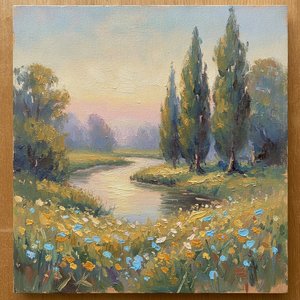
The Timeless Charm of Oil on Board: Reimagining Texture and Light through the Impressionist Lens
Discover the profound intimacy of oil on panel. Explore how Impressionist masters used rigid supports to capture light, texture, and impasto depth through exquisite, handmade oil reproductions for discerning collectors.


