

 Pregledaj u prostoru
 Podeli
 Podeli
 Detalji
 Vodič
Vodič

 Preuzmi sliku
 Slični predmeti
 Rendgenski snimak
 Automatska prezentacija
 Statistika
The fruit bowl


 Pročitaj više
Ručno rađena uljana reprodukcija
Ručno oslikano uljanim bojama na platnu u dimenzijama i okviru po vašem izboru, izrađeno po porudžbini od strane naših umetnika. ( Pređi na prodaju štampanih primeraka Pređi na prodaju digitalnih slika)




P118B дин10

P118H дин10

P118W дин10

P438Z дин10

P508JH дин12

P508YH дин12

P805H дин10

P805Z дин10

P919BZ дин10

P919G дин10

P919XJ дин10

P959ZH дин10

P968JZ дин12

W106C дин8

W218G дин10

W218JH дин8

W218Y дин10

W307PJ дин10

W316G дин10

W316PJ дин8

W316Y дин10

W398PJ дин8

W4111J дин10

W500HY дин15

W500JH дин15

W692G дин12

W849H дин8

W940BG дин15

W953PJ дин8




Izaberite jednu od naših unapred definisanih veličina koje odgovaraju originalnim proporcijama umetničkog dela.

Unesite širinu i visinu koja vam je potrebna, kako bi se uklopili u vaš ram ili zid. Pošto je ovo ručno oslikano delo, umetnik može naslikati malo više prostora oko slike ili malo skratiti ivice za dimenzije drugačijeg oblika — izbor je na vama. Pre početka rada, poslaćemo vam digitalni prikaz radi potvrde. Slika prikazana na ovoj stranici ne predstavlja konačan rezultat — samo digitalni prikaz pokazuje stvarnu sliku.
Nakon narudžbine, tim OriginalUniqueArt.com će klijentu putem e-pošte poslati uputstva i dostaviti prikaz predloženog rešenja
Svetska isporuka () za 3/4 nedelje umesto uobičajenih 5 nedelja. (25 октобар). Bez kompromisa po pitanju kvaliteta.

Besplatna ekspresna dostava širom sveta

Visokokvalitetno laneno platno

Sveobuhvatno osiguranje transporta

Garancija povraćaja carine i uvoznih dažbina

Garancija vernosti boja i autentičnosti pri reprodukciji

Politika povraćaja u roku od 100 dana (samo u slučaju nedostataka)

Garancija povrata 100% novca

Popust pri većoj količini
 Opcija sa staklom dostupna je samo za dimenzije manje od 110 cm

The fruit bowl
Tehnika izrade reprodukcije
Veličina reprodukcije
-


Ukupna cena
дин 30932
Juan Gris’s “The Fruit Bowl”: A Symphony of Cubist Fragmentation
Juan Gris's "The Fruit Bowl," painted in 1914, isn’t merely a still life; it’s a meticulously constructed meditation on perception and reality. Emerging from the vibrant crucible of early 20th-century Paris, this work embodies the radical innovations of Cubism while simultaneously hinting at a profound exploration of visual language. Gris, deeply influenced by the geometric explorations of Picasso and Braque, yet forging his own distinct path, presents us with an image that deliberately disrupts traditional notions of representation, inviting the viewer to actively participate in its construction.
The painting’s subject – a humble fruit bowl overflowing with apples, oranges, and grapes – is rendered through a process of deliberate fragmentation. Rather than offering a faithful depiction of form, Gris breaks down each object into its constituent geometric shapes: cylinders, spheres, planes, and sharp angles. These elements are then reassembled on the canvas in an arrangement that prioritizes structure and spatial relationships over literal accuracy. The bowl itself is not presented as a solid volume but rather as a collection of overlapping planes, creating a sense of depth and dynamism within the confined space of the painting.
The Language of Collage and “Le Vrai et Le Faux”
What truly distinguishes "The Fruit Bowl" is Gris’s masterful incorporation of collage. He meticulously pasted fragments of newspaper – a deliberate choice reflecting the burgeoning interest in mass media at the time – onto the canvas, layering them with painted elements. This technique wasn't simply decorative; it was a conscious effort to blur the boundaries between reality and representation. The inclusion of the phrase “Le vrai et le faux” (The real and the false) on one of the newspaper fragments directly addresses this tension, acknowledging the inherent artificiality of painting itself – the act of creating an illusion of reality. This bold statement underscores Gris’s commitment to exposing the constructed nature of visual perception.
The use of white paint on the canvas—particularly within the bowl's frame—further emphasizes this concept. The untreated, raw material of the canvas becomes a crucial element, visually merging with the painted reality and creating a palpable sense of layering and ambiguity. It’s as if Gris is inviting us to question what constitutes “real” – is it the tangible objects before us, or the representation we perceive through the act of looking?
A Synthesis of Color and Form
Despite the fragmented composition, "The Fruit Bowl" isn't a study in monochrome austerity. Gris employs a carefully considered palette of muted reds, yellows, and browns, punctuated by vibrant splashes of color within the fruit itself. This restrained use of color contributes to the painting’s overall sense of balance and harmony, while simultaneously drawing attention to the individual elements within the still life. The interplay between these colors creates a subtle visual rhythm that guides the viewer's eye through the composition.
Gris’s meticulous attention to detail—the precise rendering of each geometric shape, the careful placement of every newspaper fragment—demonstrates his commitment to both formal innovation and technical mastery. “The Fruit Bowl” is not just a product of Cubist experimentation; it's a testament to Gris’s exceptional skill as an artist and his profound understanding of the power of visual language.
A Legacy of Geometric Vision
Painted in 1914, "The Fruit Bowl" stands as a pivotal work in the development of Cubism. It exemplifies the movement's core principles – fragmentation, abstraction, and the exploration of multiple perspectives—while simultaneously establishing Gris’s unique artistic voice. His innovative use of collage, combined with his masterful control of color and form, cemented his place among the most influential artists of the 20th century. Reproductions of this captivating artwork offer a glimpse into a world where reality is deconstructed, reassembled, and ultimately redefined through the power of art.
Pitanja i odgovori
Koliko je godina imao/la Хуан Грис u vreme kada je nastalo delo "The fruit bowl"?
Kada je delo "The fruit bowl" nastalo 1914. godine, Хуан Грис – rođen/a 1887. godine – imao/la je 27 godina.
Kakvu bi atmosferu "The fruit bowl" unela u prostor?
Calm atmosfera dela „The fruit bowl”, Хуан Грис savršeno odgovara preporučenom prostoru: Living Room.
Na koji način „The fruit bowl”, Хуан Грис povezuje Synthetic Cubism sa domovinom umetnika?
Delo "The fruit bowl" delo je Хуан Грис, rođenog u Španija, u okviru pokreta Synthetic Cubism. Poreklom umetnika, ovo delo se povezuje sa Synthetic Cubism stilom kakav su zastupali umetnici iz Španija.
Biografija umetnika
Početak Putovanja: Život i Rani Radovi Huana Grisa
Rođen kao Hose Viktorijano Gonzales-Perez u Madridu 1887. godine, umetnik koji će svetu postati poznat kao Huan Gris započeo je putovanje koje će ga postaviti među najznačajnije figure ranog dvadesetovekovne umetnosti. Njegov početni put nije bio onaj koji direktno vodi platnu i kistu; studirao je inženjerstvo na Školi za umetnost i nauku, demonstrirajući analitički um koji će kasnije duboko uticati na njegov umetnički pristup. Čak i tokom ovih formativnih godina, kreativna iskra je plamtela – doprinos crteža lokalnim periodičnim publikacijama nagoveštavao je rastući vizuelni talenat. Upravo 1905. godine usvaja pseudonim Huan Gris, ime koje odjekuje novoosnovanim smislom identiteta i svrhe dok započinje formalne studije slikarstva pod vođstvom Hosea Morena Carbonera. Ovo je označilo ključnu promenu, postavljajući ga na put umetničke inovacije.Parisko Buđenje i Prihvatanje Kubizma
Godina 1906. svedočila je transformativnom preseljenju u Pariz, grad koji je tada pulsirao umetničkom energijom. Gris se uronio u ovo živahno okruženje, sklapajući prijateljstva sa prosvetljenim umovima poput Henrija Matisa, Žorža Braka i Fernanda Legera. U početku se angažovao u satiričnoj ilustraciji za publikacije kao što je *L'Assiette au Beurre*, usavršavajući svoje veštine posmatranja i razvijajući oštar osećaj vizuelnog duha. Međutim, magnetna privlačnost Pabla Pikasa se pokazala posebno uticajnom. Oko 1910. godine, Gris počinje da se ozbiljno posvećuje slikarstvu, udaljavajući se od karikature i krećući se ka novom jeziku kubizma. Ovo nije bila puka imitacija; krenuo je u potragu za destilacijom suštine oblika i prostora, tražeći novi vizuelni poredak. Njegova rani istraživanja obeleženo je namernim odstupanjem od tradicionalne reprezentacije, prihvatanjem apstrakcije kao sredstva za hvatanje osnovne strukture stvarnosti.Geometrija Percepcije: Stil i Ključna Dela
Umetnički rad Huana Grisa karakteriše izuzetna jasnoća i intelektualni rigor. On nije samo dekonstruisao objekte; rekonstruisao ih je sa namernom preciznošću, naglašavajući geometrijske oblike i pažljivo razmotrenu paletu boja. Ovaj pristup ga je doveo do onoga što je postalo poznato kao njegova „kristalna perioda”, exemplifikovano remek-delima poput *Natura mrtva ispred otvorenog prozora* i *Place Ravignan* (1915). Ova dela pokazuju izvanrednu interakciju ravni i uglova, stvarajući osećaj dubine i solidnosti istovremeno izazivajući konvencionalne predstave o perspektivi. Nakon 1913. godine, Gris je prihvatio sintetički kubizam, pionirski koristeći *papier collé* – kolaž – ugrađujući stvarne materijale poput izrezaka novina i teksturiranih papira u svoje kompozicije. Ova tehnika dodaje još jedan sloj kompleksnosti i taktilnosti njegovom radu, zamućujući granice između slikarstva i skulpture. Vredna dela uključuju *Gitara ispred mora* (1925), svedočanstvo o njegovim pojednostavljenim oblicima i poštovanju kubističkih principa, i *Počast Pablu Pikasu* (1912), što je signaliziralo njegov rastući ugled u avangardnom svetu umetnosti.Nasleđe i Trajni Uticaj
Huan Grisov doprinos kubizmu seže dalje od same stilističke inovacije; doneo je jedinstvenu intelektualnu dubinu i strukturnu jasnoću pokretu. Prešao je iz analitičke faze, ka organizovanijem i sintetičkom pristupu, naglašavajući red i preciznost. Njegov rad je snažno uticao na puristički stil koji su zagovarali Amade Ozenfant i Šarl Eduar Žanere (Le Korbuzije), pozivajući se na povratak klasičnim principima oblika i kompozicije. Grisova naglašena geometrijska forma, harmonične palete boja i integracija svakodnevnih predmeta u njegovu umetnost uspostavile su ga kao ključnu figuru dvadesetovekovne umetnosti. Njegovo nasleđe nastavlja da inspiriše umetnike danas, demonstrirajući trajni uticaj kubizma i vizionarski genij Huana Grisa – španskog majstora koji je ponovo oblikovao naše razumevanje percepcije i reprezentacije.- Umetnički pokret ili stil: Kubizam, Sintetički kubizam
- Umetnici ili pokreti koje je ovaj umetnik uticao: Purizam, Amade Ozenfant, Le Korbuzije
- Umetnici koji su uticali na ovog umetnika: Pablo Pikaso, Henri Matis, Žorž Brak
- Datum rođenja: 23. mart 1887.
- Datum smrti: 11. maj 1927.
- Puno ime: Hose Viktorijano Gonzales-Perez
- Nacionalnost: Španac
- Značajna dela: Gitara ispred mora, Počast Pablu Pikasu, Mlinar, Portret gospođe Žozete Gris
- Mesto rođenja: Madrid, Španija

Хуан Грис
1887 - 1927 , Španija
Brzi pregled
- Artistic Movement Or Style: Кубизам, Синтетички кубизам
- Artists Or Movements Influenced By This Artist:
- Пуризам
- Амеде Озенфан
- Ле Корбизје
- Artists Who Influenced This Artist:
- Пабло Пикасо
- Анри Матис
- Жорж Браке
- Date Of Birth: 23. март 1887.
- Date Of Death: 11. мај 1927.
- Full Name: Хосе Викторијано Гонзалез-Перез
- Nationality: Шпански
- Notable Artworks:
- Гитарa испред мора
- Почаст Паблу Пикасу
- Мелницар
- Портрет Жозете Гри
- Place Of Birth: Мадрид, Шпанија
Srodni članci

The Bountiful Still Life: Symbolism & Artistic Representation of Fruit Across Art History
Explore the rich history of still life painting & the symbolism of fruit across art movements. Discover masterpieces from Caravaggio to Cézanne with OriginalUniqueArt – expert guidance & museum-quality reproductions.
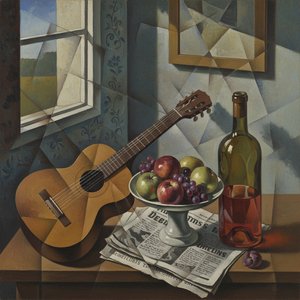
Deconstructing Reality: A Comprehensive Exploration of Cubist Still Life
Explore the revolutionary world of Cubist Still Life with OriginalUniqueArt. Discover Picasso & Braque's groundbreaking techniques, its philosophical roots, and lasting impact on modern art. Expert insights for collectors.
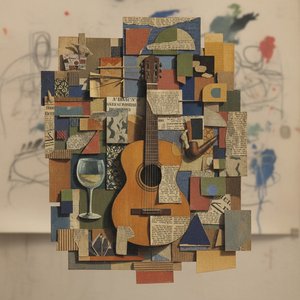
Deconstructing Reality: A Comprehensive Exploration of Synthetic Cubism's Evolution & Impact
Explore the revolutionary world of Synthetic Cubism! Discover its origins, key artists like Picasso & Braque, techniques, and lasting impact on modern art. A comprehensive guide for enthusiasts.
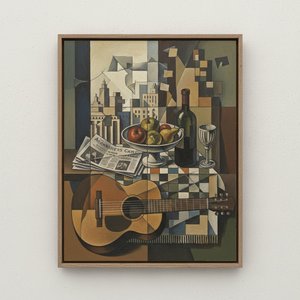
Juan Gris: Cubist Deconstruction & Synthesis – A Comprehensive Exploration
Explore the revolutionary art of Juan Gris – a master of Cubism. Discover his unique approach to deconstruction, vibrant Synthetic Cubist works, and lasting influence on modern art. Expert analysis for collectors.
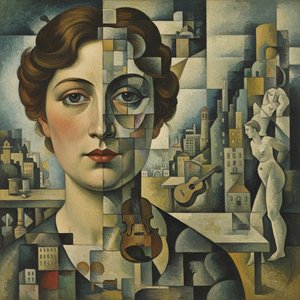
Deconstructing Reality: Cubism's Revolutionary Impact on 20th-Century Art
Explore the revolutionary world of Cubism with OriginalUniqueArt. Discover Picasso & Braque's groundbreaking techniques, its philosophical roots, and lasting impact on modern art. Expert insights for collectors.


