
 Pregledaj u prostoru
 Pošalji
 Podeli
 Detalji o delu
 Vodič
Vodič

 Preuzmi
 Slični predmeti
 Rendgenski snimak
 Automatska prezentacija
 Pitanja i odgovori
 Statistika
Wheat Fields

- 100.0 x 130.0 cm


 Pročitaj više
Giclee štampa / Umetnički otisak
Giclée štampa ili print na platnu muzejskog kvaliteta uz brzu izradu i raznovrsne opcije završne obrade. ( Kupite ručno oslikano delo Pređi na digitalnu sliku)




P118B дин10

P118H дин10

P118W дин10

P438Z дин10

P508JH дин12

P508YH дин12

P805H дин10

P805Z дин10

P919BZ дин10

P919G дин10

P919XJ дин10

P959ZH дин10

P968JZ дин12

W106C дин8

W218G дин10

W218JH дин8

W218Y дин10

W307PJ дин10

W316G дин10

W316PJ дин8

W316Y дин10

W398PJ дин8

W4111J дин10

W500HY дин15

W500JH дин15

W692G дин12

W849H дин8

W940BG дин15

W953PJ дин8




Izaberite jednu od naših unapred definisanih veličina koje odgovaraju originalnim proporcijama umetničkog dela.

Unesite željenu širinu i visinu kako bi se štampa uklopila u vaš ram ili zid. Štampu je moguće samo iseći, ali nikada povećati iznad dimenzija originalne slike, stoga format sa drugačijim proporcijama uzrokuje gubitak dela slike. Pre početka štampe, poslaćemo vam digitalni prikaz radi potvrde. Slika prikazana na ovoj stranici ne predstavlja stvarni isrez — to pokazuje samo digitalni prikaz.
Dostava širom sveta () za 2 nedelje umesto uobičajenih 4/5 nedelja. (11 новембар)

Besplatna ekspresna dostava širom sveta

Visokokvalitetno laneno platno

Potpuno osiguranje transporta

Garancija povraćaja carine i uvoznih dažbina

Garancija vernosti boja

Politika povraćaja u roku od 100 dana (samo u slučaju nedostataka)

Garancija povrata 100% novca

Popust na više proizvoda
 Opcija sa staklom dostupna je samo za dimenzije manje od 110 cm

Wheat Fields
Giclee štampa / Umetnički otisak
Dimenzije reprodukcije
-


Ukupna cena
дин 8497
Jacob van Ruisdael’s “Wheat Fields”: A Symphony of Light and Landscape
“Wheat Fields,” painted circa 1670 by Jacob Jansz van Ruisdael, stands as arguably the most arresting depiction of Dutch pastoralism from the Golden Age. More than just a scenic vista, it's a masterful orchestration of atmospheric perspective and compositional dynamism—a painting that continues to resonate with viewers centuries later. Examining its intricacies reveals not only Van Ruisdael’s technical prowess but also his profound understanding of conveying emotion through visual language.A Masterclass in Atmospheric Perspective
Van Ruisdael's signature style is characterized by a deliberate flattening of depth, achieved through subtle gradations of color and tonal variation. The distant wheat field recedes into hazy blues and greens—a technique known as atmospheric perspective—creating an illusion of vastness and conveying the serenity of rural life. Unlike many contemporaries who prioritized detailed realism, Ruisdael prioritized capturing the essence of a landscape rather than meticulously recreating every blade of grass. This approach aligns perfectly with the prevailing philosophical currents of the time, where contemplation and reflection on nature held considerable sway. The artist skillfully uses light—particularly diffused sunlight filtering through clouds—to sculpt the forms of the field and its inhabitants, imbuing the scene with an ethereal quality.Compositional Drama: Figures Amidst Vastness
The inclusion of two figures—a man carrying a bag and a woman accompanied by a child—adds a crucial element of narrative complexity to the landscape. Their placement at the forefront draws the eye inward, anchoring the viewer’s gaze amidst the expansive expanse of wheat and sky. The figures aren't merely decorative additions; they serve as symbols of human presence within the natural world, prompting contemplation about our relationship with the environment. Furthermore, Van Ruisdael employs a dynamic diagonal line that bisects the canvas, guiding the eye across the scene and enhancing its visual impact. This compositional device contributes to the painting’s dramatic tension—the subtle interplay between light and shadow emphasizing the contours of the landscape and the figures alike.Symbolism Rooted in Dutch Identity
“Wheat Fields” embodies the spirit of the Dutch Golden Age, reflecting a fascination with idealized representations of national identity. The wheat field itself symbolizes fertility and prosperity—themes central to Dutch agricultural traditions and economic success during this period. The inclusion of livestock reinforces these associations, grounding the scene in tangible realities while simultaneously elevating it to a realm of symbolic significance. Van Ruisdael’s depiction of the sky—dominated by swirling clouds illuminated by sunlight—suggests both beauty and vulnerability—a motif that resonates with broader anxieties about the unpredictable forces of nature.Emotional Resonance: Tranquility and Reflection
Ultimately, “Wheat Fields” succeeds in evoking a profound sense of tranquility and contemplation. The muted palette—primarily blues, greens, and browns—creates an atmosphere of calm repose, inviting viewers to immerse themselves in the stillness of the countryside. Yet, beneath this surface serenity lies a subtle undercurrent of drama—the interplay of light and shadow hinting at hidden complexities. As Gavin Finney eloquently describes it, Ruisdael “picks the moment you’d want to press the shutter on a camera,” capturing not just what is seen but also what is felt—a testament to Van Ruisdael's ability to transform visual observation into emotionally resonant art.- Artist: Jacob Jansz van Ruisdael
- Date: Circa 1670
- Medium: Oil on Canvas
- Dimensions: 39 3/8 x 51 1/4 in. (100 x 130.2 cm)
Pitanja i odgovori
Kakvu atmosferu donosi „Wheat Fields”, autor Јакоб ван Ројсдал u enterijer?
„Wheat Fields”, autor Јакоб ван Ројсдал odiše Serene atmosferom i preporučuje se za Living Room. Raspoloženje je ono što umetničko delo unosi u prostor oko sebe.
Kako mogu da preuzmem sliku dela „Wheat Fields”, autor Јакоб ван Ројсдал?
Preuzimanje je dostupno za "Wheat Fields": na stranici Preuzimanje digitalnog prikaza ovog umetničkog dela možete preuzimanje digitalne slike visoke rezolucije.
Kolika je luminancija dela „Wheat Fields”, autor Јакоб ван Ројсдал?
Luminansa zabeležena za „Wheat Fields”, autor Јакоб ван Ројсдал iznosi Gentle Luminance.
Biografija umetnika
Rani život i formiranje umetnika
Јакоб Исаксзон ван Рујсдаел, име које одјекује у свету сликарства као синоним за Холандско златно доба, рођен је 1628. године у Хаарлему, Холандија. У време велике економске моћи и културног препорода, Рујсдаел се од малих дана окренуо свету природе, који ће касније постати главна тема његовог опуса. Иако детаљи о његовом раном школовању нису у потпуности познати, претпоставља се да је учио код локалних мајстора, развијајући вештину цртања и сликања пејзажа. Већ од 1646. године, почиње да ствара импресивне призоре холандске провинције, постављајући темеље за свој будући успех.
Уметнички стил и карактеристике дела
Рујсдаелов рад се одликује изузетном разностраношћу и плодним стваралаштвом. Његови пејзажи нису само реалистичне репродукције природе, већ су прожети дубоким емоцијама и симболизмом. Од 1646. године, сликао је прелепе сцене холандског села, које су касније добиле херојскији карактер након његовог путовања у Немачку 1650. године. Како се селио и радио у Амстердаму, његова дела су постала све сложенијих композиција, често са небом које заузима две трећине платна. Ово је био карактеристичан елемент његовог стила – драматично небо које одражава променљиве расположења природе и човекове емоције.
Мајсторство светлости, композиције и значајни радови
Рујсдаел је био изузетан мајстор светла и композиције. У његовим делима, светлост игра кључну улогу, обликујући облик, стварајући атмосферу и наглашавајући детаље. Његова способност да пренесе дубину и перспективу била је изузетна за то време. Међу његовим најпознатијим радовима су:
- Водопад у каменитом и планинском пејзажу, где демонстрира своје мајсторство светлости и композиције, стварајући драматичну и импресивну сцену.
- Поглед на Хаарлем са просторима за бељење веша, који је пример његове способности да ухвати суштину холандског пејзажа, преносећи осећај мира и хармоније.
- Поглед на Дам и Дамрак у Амстердаму, где показује своју вештину у сликању градских призора, детаљно реконструишући атмосферу прометног града.
Утицај и наслеђе
Рујсдаелов утицај на традицију пејзажног сликарства је огроман. Његов рад је инспирисао генерације сликара, укључујући енглеске романтичаре, барбизонску школу у Француској и представнике школе реке Хадсон у Сједињеним Државама. Он је отворио пут новим начинима визуелизације природе, наглашавајући њену лепоту, моћ и духовну димензију. Његова дела су данас изложена у престижним музејима широм света, укључујући Националну галерију у Лондону, Ријксмузеум у Амстердаму и Ермитаж у Санкт Петербургу.
Рујсдаел је умро 1682. године у Амстердаму, оставивши за собом богато наслеђе које наставља да инспирише и одушевљава љубитеље уметности широм света. Он је био истински мајстор пејзажа, који је успео да пренесе лепоту и дубоку емоцију природе кроз своје импресивне радове.

Јакоб ван Ројсдал
1628 - 1682 , Холандија
Osnovne informacije
- Artistic Movement Or Style: Холандско златно доба
- Artists Or Movements Influenced By This Artist:
- Енглески романтичари
- Барбизонска школа
- Школа реке Хадсон
- Artists Who Influenced This Artist:
- Корнелис Вром
- Аларт ван Евердинген
- Date Of Birth: 1628
- Date Of Death: 1682
- Full Name: Јакоб Исаксзон Ван Рујсдаел
- Nationality: Холанђанин
- Notable Artworks:
- Просвет у шуми
- Пејзаж са селом у даљини
- Шумица
- Манастир
- Окренација на пристаниш
- Два водена млина и отворени шлюц
- Пејзаж са путником
- Седло
- Ивица шуме са житом
- Шумска сцена са језером
- Шумски поток
- Водопад у каменитом пејзажу
- Пејзаж са пастирима и сељацима
- Поља жита
- Пространи пејзаж са руинираним замком
- Пејзаж са црквом и селом
- Водопад
- Пејзаж са водопадом
- Ветмило у Вијк би Дурстеде
- Пејзаж са руинираним замком и црквом
- Зимски пејзаж
- Пљава пшенице
- Забрана
- Планински поток
- Капела поред водопада
- Поглед на плажу
- Поглед на Хаарлем са просторама за бељење веша
- Поглед на Дам и Дамрак
- Place Of Birth: Хаарлем, Холандија
Povezani članci

The Golden Harvest: Examining Vincent van Gogh’s Wheat Field Landscapes from Saint-Rémy
Explore the vibrant textures and colors of Van Gogh's Saint-Rémy wheat fields. Dive into this expert analysis of Post-Impressionist mastery.
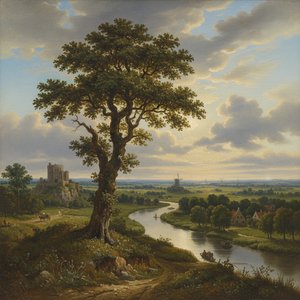
Jacob van Ruisdael: Master of Dutch Landscape & the Evocation of National Identity
Explore the life & work of Jacob van Ruisdael, the preeminent Dutch landscape painter. Discover his technical brilliance, symbolic depth, and lasting influence on art history. Learn about collecting Ruisdael's masterpieces.

Dutch Golden Age Landscapes: The Art of Atmospheric Realism and the Pastoral Ideal
Explore the mastery of Dutch Golden Age landscapes and atmospheric realism. Discover the secrets of these 17th-century masters now.

Jan van Goyen: Master of Dutch Landscape & Atmospheric Perspective
Discover Jan van Goyen, the master of Dutch landscape painting. Explore his subtle technique, atmospheric realism & lasting influence on art history. Learn about this 17th-century pioneer at OriginalUniqueArt.

Dutch Baroque Masters: 10 Paintings That Shaped an Era | OriginalUniqueArt
Journey through the Golden Age with our guide to the Top 10 Dutch Baroque masterpieces! Explore iconic paintings by Rembrandt, Vermeer & Frans Hals. Find museum-quality art reproductions and elevate your home decor at OriginalUniqueArt.com.

