 Naručite reprodukciju Kupi digitalnu sliku
 Pošalji
 Podeli
 Detalji o delu
 Dodaj u omiljene

 Преузми
 Slični predmeti
 Rendgenski snimak
 Slajdovi
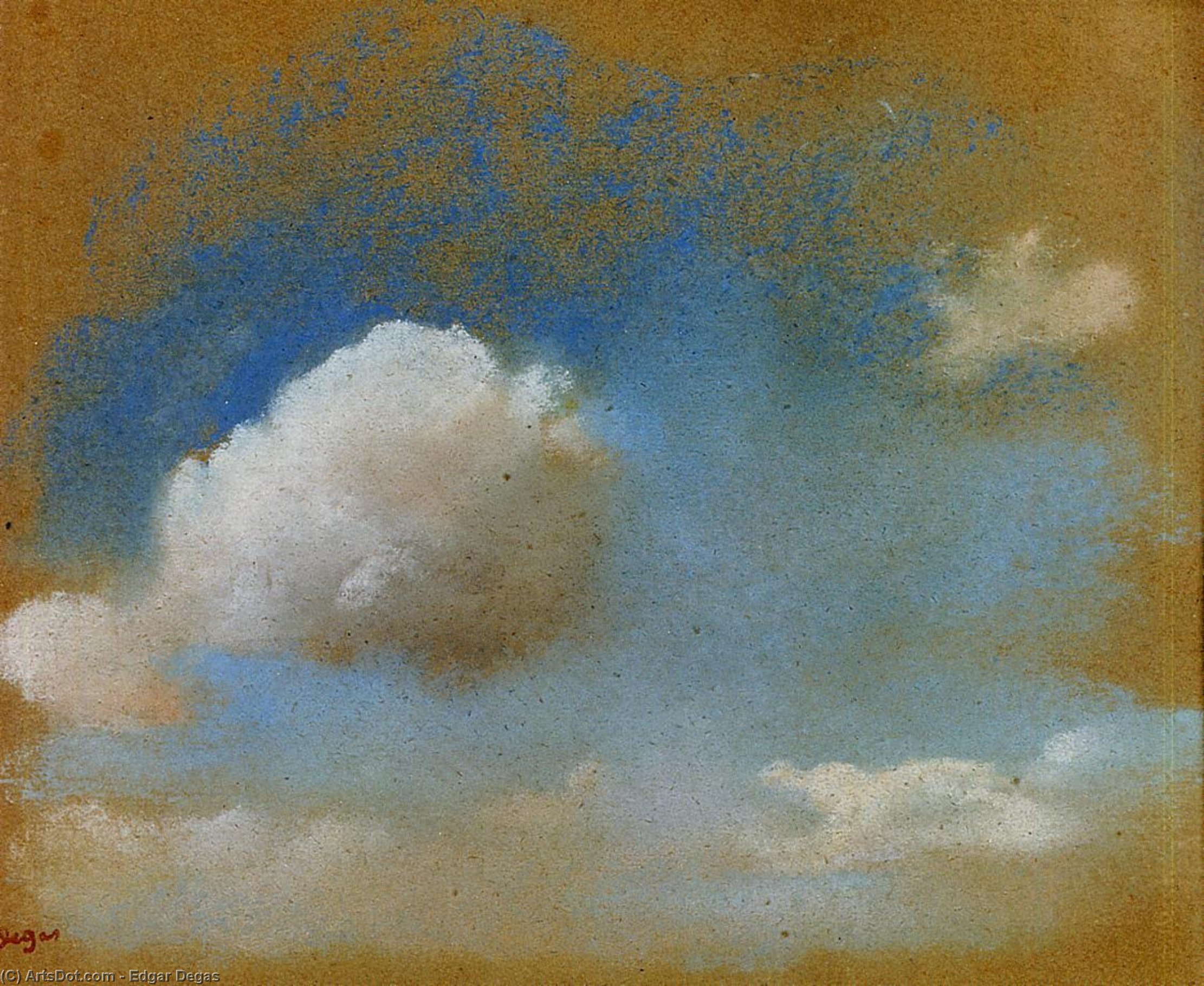
Sky Study


 Pročitaj više
Giclee štampa / Umetnički otisak
Giclée štampa ili print na platnu muzejskog kvaliteta uz brzu proizvodnju i fleksibilne opcije završne obrade.




P118B $10

P118H $10

P118W $10

P438Z $10

P508JH $12

P508YH $12

P805H $10

P805Z $10

P919BZ $10

P919G $10

P919XJ $10

P959ZH $10

P968JZ $12

W106C $8

W218G $10

W218JH $8

W218Y $10

W307PJ $10

W316G $10

W316PJ $8

W316Y $10

W398PJ $8

W4111J $10

W500HY $15

W500JH $15

W692G $12

W849H $8

W940BG $15

W953PJ $8




Izaberite jednu od naših unapred definisanih veličina koje odgovaraju originalnim proporcijama umetničkog dela.

Možete uneti sopstvene dimenzije kako biste umetničko delo prilagodili specifičnom okviru ili prostoru. Ako odabrani format ne odgovara proporcijama originalne slike, mi ćemo ili iscrtati deo dela ili proširiti sliku pomoću ogledane ivice ili jednobojnog popunjavanja. Digitalni prikaz će vam biti poslat na odobrenje pre početka proizvodnje.
Imajte na umu da pregled na ekranu ne odražava stvarno iscrtavanje ili proširivanje. Samo će prikaz (mockup) precizno pokazati finalnu kompoziciju.
Iako su prilagođene dimenzije dostupne, preporučujemo da odaberete dimenziju sa unapred definisane liste kako biste očuvali originalne proporcije.
Dostava širom sveta () za 2 nedelje umesto uobičajenih 4/5 nedelja. (20 јул)

Besplatna ekspresna dostava širom sveta

Visokokvalitetno laneno platno

Kompletno osiguranje transporta

Garancija povraćaja carine i uvoznih dažbina

Garancija vernosti boja

Politika povrata u roku od 60 dana (samo u slučaju nedostataka)

Garancija povrata novca od 100%

Popust pri grupnoj kupovini
 Opcija sa staklom dostupna je samo za dimenzije manje od 110 cm

Sky Study
Giclee štampa / Umetnički otisak
Dimenzije reprodukcije
-


Konačna cena
-
Opis predmeta
A Moment Frozen in Pastel Light
- Subject Matter: Edgar Degas’s “Sky Study,” completed in 1869, captures an unassuming yet profoundly beautiful subject – the expanse of a blue sky punctuated by delicate cloud formations. Unlike many Impressionist paintings focused on bustling urban scenes or portraits of fashionable society, Degas deliberately chose to depict the natural world with remarkable precision and sensitivity.
- Style & Technique: The painting exemplifies Impressionism’s core tenets, prioritizing the fleeting effects of light and color over meticulous detail. However, Degas distinguishes himself through his masterful use of pastel—a medium he favored alongside oil paints—creating a luminous and airy atmosphere reminiscent of Monet's seascapes. The pastel technique allows for subtle gradations of tone and hue, conveying an ethereal quality that transcends mere representation.
- Historical Context: Created during the zenith of Impressionism, “Sky Study” reflects the artistic fervor of its time. Artists were actively rejecting academic conventions in favor of capturing immediate sensory experience. Degas’s decision to focus on a simple landscape speaks to this broader movement's desire to explore beauty in everyday life and to challenge established artistic hierarchies.
- Symbolism & Emotion: While seemingly serene, “Sky Study” carries an underlying sense of contemplation. The scattered clouds symbolize impermanence—a recurring motif in Degas’s oeuvre—and invite viewers to consider the passage of time. More broadly, the painting evokes feelings of tranquility and wonder, mirroring the Impressionists' fascination with capturing the sublime beauty of nature.
- Comparative Analysis: Considered alongside Degas’s other works like “Houses by the Seaside” and “The Cup of Tea,” “Sky Study” reveals a consistent preoccupation with portraying scenes of domestic life and natural landscapes. Its pastel palette—similar to that employed in “Houses by the Seaside”—underscores Degas's commitment to conveying intimacy and capturing subtle nuances of light and color, solidifying his position as one of Impressionism’s most distinctive voices.
Notable Museums Featuring Degas’s Works Include:
- The Philadelphia Museum of Art
- Musée d'Orsay
Biografija umetnika
Edgar Degas: A Revolutionary French Artist Known for His Captivating Ballet Dancers, Parisian Scenes, and Innovative Techniques—A True Master of Modern Art
Edgar Degas stands as a monumental figure in the annals of art history – an artist who defied categorization yet irrevocably shaped the trajectory of modern painting. Born Hilaire-Germain-Edgar De Gas in Paris, 1834, he possessed a singular vision that blended classical training with a radical embrace of contemporary life, establishing him as one of the foremost innovators of his time. His legacy continues to resonate today, influencing artists across generations and cementing his place among the titans of Impressionism and Realism alike.Early Life and Artistic Foundations
Degas’s upbringing was comfortably bourgeois; his father served as a banker, providing financial stability for his family, while his mother descended from Creole lineage in New Orleans – an experience that instilled in him a fascination with diverse cultures and perspectives. From a young age, he demonstrated an aptitude for drawing and painting, initially honing his skills by meticulously copying works within the Louvre Museum—a formative practice that cultivated a lifelong devotion to classical art forms. This dedication wasn’t merely academic; it represented a conscious rejection of prevailing artistic conventions and fueled a desire to forge his own path. He enrolled at Lycée Louis-leGrand, but quickly realized that formal education alone wouldn't satisfy his creative impulses.Beyond Impressionism: A Unique Artistic Vision
While fellow Impressionists like Monet and Renoir sought to capture the ephemeral beauty of fleeting moments outdoors—primarily bathed in sunlight—Degas largely conducted his artistic endeavors within the confines of his studio. This deliberate choice allowed him unparalleled control over composition, color palettes, and textural nuances. He eschewed the grand narratives favored by academic painters, instead focusing on subjects that resonated with the pulse of everyday Parisian life: laundresses diligently tending to their tasks, cabaret singers captivating audiences with their performances, milliners crafting elaborate hats—and, most notably, dancers. Degas didn’t merely depict ballerinas as idealized figures; he confronted them with unflinching honesty, portraying their grueling rehearsals and capturing the physicality of their profession with remarkable precision. His canvases often featured unconventional cropping techniques—placing figures in unexpected positions—and utilized asymmetrical arrangements that conveyed a sense of dynamism and immediacy. He was driven by an unwavering commitment to observing reality without embellishment, striving to reveal its inherent beauty through meticulous detail.Influences Shaping Degas’s Artistic Style
Degas's artistic sensibilities were profoundly shaped by a constellation of influences—spanning from classical masters like Ingres to the pioneering Realists championed by Courbet and Pissarro. However, perhaps the most transformative encounter was his immersion in Japanese prints—Ukiyo-e—which captivated him with their bold compositions, flattened perspectives, and masterful use of color. These prints instilled in Degas a stylistic sensibility that prioritized visual impact over traditional representational accuracy, encouraging him to experiment with innovative techniques and challenge established artistic norms. He skillfully blended these influences into his own distinctive style, resulting in artworks characterized by both elegance and psychological depth.Notable Achievements and Legacy
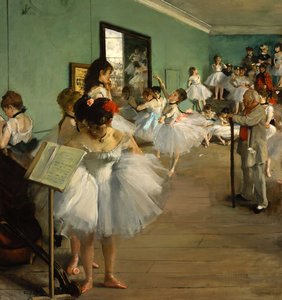
Degas’s oeuvre encompasses an astonishing array of mediums—oil paintings, sculptures, prints, and drawings—each imbued with a remarkable level of technical virtuosity. His ballet class scenes—particularly *The Ballet Class*—remain iconic representations of artistic observation and capture the essence of movement with breathtaking clarity. Similarly, his depictions of racehorses and jockeys exemplify his fascination with capturing fleeting moments of action and conveying emotion through subtle gestures and expressions. Furthermore, Degas’s portraits are distinguished by their psychological complexity, delving beneath surface appearances to reveal the inner lives of his subjects—a hallmark of his artistic approach. His influence extended far beyond his own lifetime, inspiring subsequent generations of artists who embraced innovation and pursued stylistic experimentation. Edgar Degas's enduring legacy resides not only in his masterpieces but also in his unwavering belief that art should serve as a conduit for truthfulness and beauty—principles that continue to resonate powerfully within the artistic landscape today.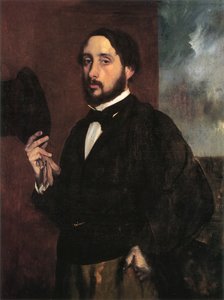
Хилари Жермен Едгар Дегас
1834 - 1917 , Француска
Osnovne informacije
- Artistic Movement Or Style: Impressionizam i Realizam
- Artists Who Influenced This Artist:
- Ingres
- Courbet
- Pissarro
- Date Of Birth: 19 July 1834
- Date Of Death: 27 September 1917
- Full Name: Hilaire-Germain-Edgar De Gas
- Nationality: Francuski
- Notable Artworks:
- Dancer and Tambourine
- The Ballet Class
- Degas in a Green Jacket
- The Collector
- Women Combing Their Hair
- Place Of Birth: Paris, France
Povezani članci
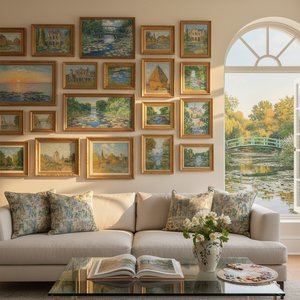
Claude Monet: 25 Remek-dela Impresionizma za Vaš Dom | OriginalUniqueArt
Uronite u svet Claudea Moneta sa 25 remek-dela impresionizma! Otkrijte priče iza poznatih slika, tehnike i inspiraciju. Reprodukcije vrhunskog kvaliteta za luksuzni dekor doma na OriginalUniqueArt.com.

Paul Cézanne: 25 Remek-dela Revolucionarnog Umjetnika | OriginalUniqueArt
Istražite 25 remek-dela Paula Cézanna, revolucionarnog slikara impresionizma i postimpresionizma. Otkrijte priče iza ikoničnih pejzaža, portreta i mrtve prirode. Kupite luksuzne reprodukcije slika na OriginalUniqueArt.com!

Sir Alfred Munnings' Masterpieces: 25 Paintings That Define Equine Art | OriginalUniqueArt
Explore 25 iconic Sir Alfred Munnings paintings! Discover the beauty of British Impressionism, equine art & rural England. Find museum-quality reproductions and elevate your home decor with OriginalUniqueArt. Explore the full collection online.

Edgar Degas: Capturing Modern Life – A Study of Movement, Observation, and the Parisian Belle Époque
Explore the captivating world of Edgar Degas! Discover his innovative techniques, iconic ballet paintings, and unique portrayal of Parisian life in this insightful art history study.

Impressionism's Masterpieces: 10 Paintings That Defined a Movement | OriginalUniqueArt
Journey through Impressionism's heart with 10 iconic paintings by Monet, Renoir & Degas. Explore light, color & the stories behind these masterpieces. Find museum-quality art reproductions and elevate your home decor on OriginalUniqueArt.com.