Pregledaj u prostoru
 Podeli
 Podeli
 Detalji
 Vodič
Vodič

 Preuzmi sliku
 Slični predmeti
 Rendgenski snimak
 Automatska prezentacija
 Statistika
Veštice
 Akril na platnu
- Umetnost za zidove
- Северно ренесанса
 Rano srednjevekovno doba
 203.0 x 264.0 cm
 Louvre
 Pročitaj više
Giclee štampa / Umetnički otisak
Giclée štampa ili print na platnu muzejskog kvaliteta uz brzu izradu i raznovrsne opcije završne obrade. ( Naručite ručno oslikano reprodukciju Pređi na prodaju digitalnih slika)




P118B дин10

P118H дин10

P118W дин10

P438Z дин10

P508JH дин12

P508YH дин12

P805H дин10

P805Z дин10

P919BZ дин10

P919G дин10

P919XJ дин10

P959ZH дин10

P968JZ дин12

W106C дин8

W218G дин10

W218JH дин8

W218Y дин10

W307PJ дин10

W316G дин10

W316PJ дин8

W316Y дин10

W398PJ дин8

W4111J дин10

W500HY дин15

W500JH дин15

W692G дин12

W849H дин8

W940BG дин15

W953PJ дин8




Izaberite jednu od naših unapred definisanih veličina koje odgovaraju originalnim proporcijama umetničkog dela.

Unesite širinu i visinu koja vam je potrebna, kako bi se uklopili u vaš ram ili na vaš zid. Štampa se može samo iseći, nikada ne može biti veća od originalne slike, stoga format sa drugačijim proporcijama gubi deo slike. Poslaćemo vam digitalni prikaz radi potvrde pre nego što započnemo štampu. Slika prikazana na ovoj stranici ne pokazuje stvarni rez — to pokazuje samo digitalni prikaz.
Dostava širom sveta () za 2 nedelje umesto uobičajenih 4/5 nedelja. (21 октобар)

Besplatna ekspresna dostava širom sveta

Visokokvalitetno laneno platno

Sveobuhvatno osiguranje transporta

Garancija povraćaja carine i uvoznih dažbina

Garancija vernosti boja i autentičnosti pri reprodukciji

Politika povraćaja u roku od 100 dana (samo u slučaju nedostataka)

Garancija povrata 100% novca

Popust pri većoj količini
 Opcija sa staklom dostupna je samo za dimenzije manje od 110 cm

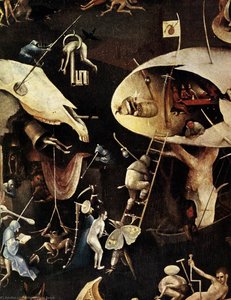
Veštice
Giclee štampa / Umetnički otisak
Veličina reprodukcije
-


Ukupna cena
дин 8200
Sklonak u Grotesku: „Veštice“ Jeronimaša Bosha
„Veštice“ Jeronimaša Bosha, pažljivo izvedeni olovni crtež, pruža uznemirujući pogled u umetnikov jedinstveno mračan i vizionarski svet. Datiran na kasno 15. vek – iako je njegovo tačno stvaranje ostaje okruženo misterijom – ovo delo nije samo prikaz veštice; to je složena alegorija koja istražuje teme moralnosti, iskušenja i anksioznosti brzo menjajuće Evrope. Bosch, rođen Jheronimus van Aken oko 1450. godine u ’s-Hertogenboschu, Nizozemska, već je u ovom periodu uspostavljao svoj prepoznatljiv stil – mešavinu pedantne detaljnosti sa fantastičnim temama – predviđajući surrealne pejzaže i uznemirujuće figure koje će definisati njegovo nasleđe.
Neposredni uticaj crteža leži u njegovoj gustoj kompoziciji. Preklapaju se figure, izvedene sa neverovatnom preciznošću kroz prepletene olovne poteze, stvarajući osećaj haotičnog kretanja i klaustrofobije. Bosch odbacuje tradicionalnu perspektivu, ravnoći scenu u simbolički prostor gde je prostinska dubina sekundarna u odnosu na prenošenje emocionalne intenziteta. Sama tehnika – majstorski korišćenje isprekidanja i poprečnih isprekidanja – ključna je. Ove linearne tehnike nisu samo za senčenje; one generišu teksturu, sugerišu grube površine odeće figura, uznemirujuće detalje njihovih instrumenata, pa čak i samu zemlju ispod njih. Difuzno osvetljenje, bez jakih svetlih tačaka ili senki, dodatno doprinosi snovitoj kvaliteti, uvlačeći posmatrača u svet kojim upravlja sopstvena unutrašnja logika.
Dekodiranje Simbola: Ritual Nemira
„Veštice“ nije jednostavna ilustracija čarobnjaka; to je pažljivo konstruisano takloko koje trpi simboličkim elementima. Figure angažovane u raznim aktivnostima – jahanje životinja, sviranje instrumenata i manipulisanje čudnim predmetima – predstavljaju aspekte ljudske želje i prekršaja. Prisustvo centralne, gotovo oltarske strukture sugerišu ritualno okupljanje, dok uključivanje muzičkih instrumenata ukazuje na osvajaću moć užitka i distrakcije. Bosch je često koristio ovakvu sliku da bi kritikovao društvene vrline – pohlepu, požudu i religijsku hipokriziju – suptilno ugrađene unutar izgleda fantastičnih scena.
Specifični detalji nose posebnu važnost. Životinje – svinja, zajonjica, pas – svaka nosi simboličku težinu u ikonografiji Bosha. Prisustvo velikog, grotesknog ptice sugerišu korupciju i raspad. Čak predmeti koje drže figure – čudni alati, muzički instrumenti i uznemirujući uređaji – funkcionišu kao vizuelne metafore za iskušenje i moralni kompromis. Dekodiranje ovih simbola zahteva razumevanje šireg umetničkog konteksta Bosha, posebno njegovog angažovanja sa kasno srednjovekovnom religioznom misliju i folklorem.
Vizija Umetnika: Renesanski Surrealizam
Stil Bosha često se opisuje kao „renesanski surrealizam“, termin koji savršeno hvata fuziju pedantnog realizma sa divlivo maštovitim temama. Bio je majstor detalja, prikazujući čak i najgrotesnije crte sa uznemirujućom tačnošću. Ipak, njegove scene odbijaju logičko objašnjenje, stvarajući atmosferu uznemirujuće lepote i duboke psihološke dubine. Emocioni ton dela je neosporno uznemirujući – osetljiv osećaj nelagode i dezorijentacije prožima sliku.
Razmatranje materijala – verovatno mastilo na papiru – otkriva dalje uvide u tehniku Bosha. Preciznost postignuta crtanjem olovkom govori o njegovoj posvećenosti i kontroli, dok izbor papira sugerišu namernu selekciju zbog njegove teksture i pogodnosti za detaljno slikanje. Preživljavanje dela je neverovatno, s obzirom na krhkost tako delikatnih crteža; ono stoji kao svedočanstvo Boshovom veštini i trajnoj moći njegove vizije.
Reprodukcija Dostojna Izlaganja
OriginalUniqueArt nudi pažljivo izrađene, ručno raškolovane reprodukcije „Veštica“, omogućavajući ljubiteljima umetnosti da dožive puni uticaj ovog ikoničnog remek-dela. Svaka reprodukcija hvata prepleteni detalj, uznemirujuću atmosferu i simboličko bogatstvo originalnog crteža Bosha. Bilo da je izloženo u privatnoj kolekciji ili integrisano u dizajn enterijera, OriginalUniqueArt reprodukcija pruža opipljivu vezu sa jednim od najenigmičnijih i najuticajnijih umetnika istorije – prozor u svet koji je istovremeno strašan i duboko očaravajući.
Pitanja i odgovori
Kako mogu da preuzmem sliku dela „Veštice”, Јеронимијус Бош?
„Veštice”, Јеронимијус Бош možete preuzeti na stranici za Preuzimanje ovog dela, kao preuzimanje digitalne slike visoke rezolucije.
Koliko je zasićena paleta dela "Veštice"?
Boje dela „Veštice”, Јеронимијус Бош imaju Ubledelo zasićenost. Zasićenost opisuje koliko su boje jarke ili prigušene.
Na koji način se "Veštice" uklapa u teme i stil umetnika Јеронимијус Бош?
„Veštice“ deli sa ostalim delima umetnika Јеронимијус Бош svoj Северно ренесанса stil i prepoznatljive teme: религиозна морална учинања, анксиотети, симболика, средњи вековни фолклор, вере, социјална критика, људска природа, бош-ов јединствен визуелни језик.
Biografija umetnika
A Netherlandish Enigma: The Life and Art of Hieronymus Bosch
Born around 1450 in the vibrant, bustling town of ’s-Hertogenbosch in the Netherlands—then part of Brabant—Hieronymus Bosch, originally Jheronimus van Aken, remains one of art history’s most compelling and mysterious figures. His world was steeped in late medieval religious fervor, folklore, and a growing sense of societal unease, all of which would profoundly shape his uniquely unsettling artistic vision. Coming from a family with a long tradition of painting—his grandfather, Jan van Aken, and father, Anthonius van Aken, were both artists—Bosch likely received his earliest training within the family workshop, absorbing the techniques and conventions of Netherlandish painting. However, even in his formative years, he began to diverge from established norms, hinting at the extraordinary imagination that would define his career. Biographical details are frustratingly scarce; records are fragmented, leaving much open to speculation and interpretation, adding to the aura of mystique surrounding both the man and his work. He married Aleyt Goyaerts van den Meerveen sometime before 1481, a union that provided him with some financial security through her family’s holdings, but little else is known about their personal life. Fantastical Visions and Symbolic Depths Bosch's artistic style is instantly recognizable—a captivating blend of meticulous detail and wildly imaginative imagery. He primarily worked with oil on oak panels, demonstrating a masterful command of the medium, achieving luminous colors and intricate textures. While his early works show influences from traditional Netherlandish painting, particularly in their realism and attention to detail, he quickly moved beyond mere imitation, developing a profoundly original vision. His paintings are not simply representations of reality; they are allegorical landscapes populated by bizarre creatures, hybrid beings, and unsettling scenes that seem plucked from dreams—or nightmares. Religious themes form the core of much of his work, but these are rarely straightforward depictions of biblical stories. Instead, Bosch uses symbolism to explore complex moral and theological concepts, often focusing on the dangers of sin, the fragility of earthly pleasures, and the inevitability of divine judgment. His creatures—grotesque demons, fantastical animals, and strangely human figures—are not merely decorative elements; they are embodiments of vice, temptation, and spiritual corruption. The blending of the sacred and the profane, the beautiful and the grotesque, creates a uniquely unsettling effect that continues to captivate viewers centuries later.Masterpieces of Moral Allegory
Among Bosch’s most celebrated achievements is The Garden of Earthly Delights (c. 1490-1510), a triptych that remains one of the most enigmatic and debated works in art history. When opened, it presents a panoramic vision of paradise, earthly life, and hell—a complex allegorical representation of humanity’s fall from grace. The left panel depicts the Garden of Eden, teeming with fantastical creatures and lush vegetation; the central panel portrays a world consumed by sensual pleasure and unrestrained desire; and the right panel offers a terrifying glimpse into the torments of hell. The Triptych of the Last Judgement (c. 1480-1490) is another powerful example of his skill in portraying both heavenly bliss and infernal torment, while The Ascent of the Blessed (c. 1480-1490) demonstrates his ability to create ethereal and dreamlike scenes. Even smaller works like Epiphany (c. 1495) showcase his innovative use of oil on wood and complex symbolism, revealing a mind constantly grappling with profound questions about faith, morality, and the human condition.Influences and Artistic Development
Bosch’s artistic trajectory reveals a gradual shift from conventional Netherlandish painting to an increasingly personal and expressive style. Early works demonstrate considerable skill in depicting realistic figures and landscapes—traits inherited from his family tradition—but he quickly abandoned these techniques in favor of bolder colors, more dramatic compositions, and a preoccupation with unsettling imagery. Scholars suggest possible connections to medieval folklore, religious texts—particularly those emphasizing apocalyptic themes—and the prevailing anxieties of the time, including fears of heresy and social upheaval. However, it’s clear that Bosch synthesized these elements into something entirely new and uniquely his own. His artistic vision was profoundly shaped by humanist ideas circulating in Europe during his lifetime, prompting him to question established dogma and explore psychological dimensions previously ignored by artists. He absorbed influences from artists like Pieter Bruegel the Elder, whose landscapes conveyed moral lessons with a similar blend of realism and symbolism.Legacy and Enduring Influence
Identifying Bosch’s direct influences is a challenging task, given the originality of his vision. Scholars suggest possible connections to medieval folklore, religious texts—particularly those emphasizing apocalyptic themes—and the prevailing anxieties of the time, including fears of heresy and social upheaval. However, it's clear that he revolutionized Netherlandish painting by introducing unprecedented levels of psychological complexity and symbolic depth. His impact on subsequent artists is undeniable. Pieter Bruegel the Elder directly followed in his footsteps, adopting similar themes and compositional techniques, while later movements, such as Surrealism, also drew inspiration from Bosch’s dreamlike imagery and exploration of the subconscious. Artists like Salvador Dalí and Max Ernst openly acknowledged their debt to his unsettling visions. Even today, Bosch's work continues to fascinate and provoke debate, solidifying his place as a master of Netherlandish painting and a visionary artist whose influence extends far beyond his own time. His paintings offer valuable insights into the religious, social, and psychological climate of the late 15th and early 16th centuries, challenging conventional norms and paving the way for new forms of artistic expression. He died in 1516, leaving behind a body of work that continues to haunt and inspire, ensuring his enduring legacy as one of art history’s most singular and unforgettable voices.
Јеронимијус Бош
1450 - 1516 , Holandija
Brzi pregled
- Artistic Movement Or Style: Surrealizam i simbolizam
- Artists Or Movements Influenced By This Artist: ['Pieter Bruegel stariji']
- Date Of Birth: c. 1450
- Date Of Death: 1516
- Full Name: Hieronymus Bosch
- Nationality: Nizozemski
- Notable Artworks:
- Posljednji Sud
- Odvijanje Svete Duše
- Epifanska Križanje
- Place Of Birth: Den Bosch, Nizozemska
Srodni članci

The Nuances of Graphite: Exploring Emotional Depth & Technical Mastery in Pencil Drawing
Explore the captivating world of graphite drawing! Discover its rich history, master essential techniques like chiaroscuro, and learn how artists evoke emotion through this timeless medium. Expert insights for art enthusiasts.
Hieronymus Bosch: Decoding the Visions of a Netherlandish Master
Explore the captivating world of Hieronymus Bosch! Delve into the symbolism, religious context, and artistic innovation of this Netherlandish master with OriginalUniqueArt's expert analysis. Discover his iconic paintings & lasting influence.
Top 25 Remek-dela Prado Muzeja: Umetnička Baština Španije za Vaš Dom
Istražite 25 remek-dela Prado muzeja u Madridu! Otkrijte priče iza Velázqueza, Goye i El Greca. Pronađite inspiraciju za dekoraciju enterijera uz reprodukcije slika vrhunskog kvaliteta na OriginalUniqueArt.com.

Mastering the Line: A Comprehensive Expert Guide to Technical Precision and Expressive Depth in Drawing
Elevate your artistic practice with this expert guide to mastering the line. Discover advanced techniques in graphite, charcoal, and contour drawing designed for art students seeking technical precision and expressive depth in their fine art studies.
Hieronimus Bosch: 25 Remek-dela Nizozemskog Majstora za Ljubitelje Umetnosti i Dekoraciju Doma
Istražite 25 remek-dela Hieronimusa Boscha – nizozemskog renesansnog slikara. Otkrijte simbolizam, fantastične figure i moralnu dubinu njegovih oltarskih slika. Reprodukcije vrhunskog kvaliteta za dekoraciju doma na OriginalUniqueArt.com.