Pregledaj u prostoru
 Podeli
 Podeli
 Detalji
 Vodič
Vodič

 Preuzmi sliku
 Slični predmeti
 Rendgenski snimak
 Automatska prezentacija
 Statistika
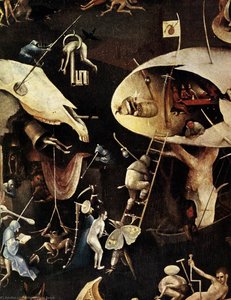
Sedam smrtnih grehova
 Tempera na drvenoj podlozi
- Severna renesansa
 1480
1480- Kasno srednjovekovno doba
 120.0 x 150.0 cm
 Museo del Prado
 Pročitaj više
Ručno rađena uljana reprodukcija
Ručno oslikano uljanim bojama na platnu u dimenzijama i okviru po vašem izboru, izrađeno po porudžbini od strane naših umetnika. ( Pređi na prodaju štampanih primeraka Pređi na prodaju digitalnih slika)




P118B дин10

P118H дин10

P118W дин10

P438Z дин10

P508JH дин12

P508YH дин12

P805H дин10

P805Z дин10

P919BZ дин10

P919G дин10

P919XJ дин10

P959ZH дин10

P968JZ дин12

W106C дин8

W218G дин10

W218JH дин8

W218Y дин10

W307PJ дин10

W316G дин10

W316PJ дин8

W316Y дин10

W398PJ дин8

W4111J дин10

W500HY дин15

W500JH дин15

W692G дин12

W849H дин8

W940BG дин15

W953PJ дин8




Izaberite jednu od naših unapred definisanih veličina koje odgovaraju originalnim proporcijama umetničkog dela.

Unesite širinu i visinu koja vam je potrebna, kako bi se uklopili u vaš ram ili zid. Pošto je ovo ručno oslikano delo, umetnik može naslikati malo više prostora oko slike ili malo skratiti ivice za dimenzije drugačijeg oblika — izbor je na vama. Pre početka rada, poslaćemo vam digitalni prikaz radi potvrde. Slika prikazana na ovoj stranici ne predstavlja konačan rezultat — samo digitalni prikaz pokazuje stvarnu sliku.
Nakon narudžbine, tim OriginalUniqueArt.com će klijentu putem e-pošte poslati uputstva i dostaviti prikaz predloženog rešenja
Svetska isporuka () za 3/4 nedelje umesto uobičajenih 5 nedelja. (26 октобар). Bez kompromisa po pitanju kvaliteta.

Besplatna ekspresna dostava širom sveta

Visokokvalitetno laneno platno

Sveobuhvatno osiguranje transporta

Garancija povraćaja carine i uvoznih dažbina

Garancija vernosti boja i autentičnosti pri reprodukciji

Politika povraćaja u roku od 100 dana (samo u slučaju nedostataka)

Garancija povrata 100% novca

Popust pri većoj količini
 Opcija sa staklom dostupna je samo za dimenzije manje od 110 cm

Sedam smrtnih grehova
Tehnika izrade reprodukcije
Veličina reprodukcije
-


Ukupna cena
дин 30932
Srednjovekovna vizija sudbine i morala
Ovo očaravajuće umetničko delo, nastalo oko 1480. godine, predstavlja složenu alegorijsku scenu usredsređenu na popularni srednjovekovni motiv „Točka sudbine“. Više od same vizuelno upečatljive kompozicije, ovo je duboka meditacija o cikličnoj prirodi života, nepredvidivoj ruci sudbine i trajnoj borbi između vrlina i poroka. Ovo delo nudi fascinantan uvid u anksioznosti i verovanja Evrope kasnog 15. veka.
Dekodiranje alegorije
Centralni fokus umetničkog dela je veliki, pedantno prikazani kružni točak postavljen ispred dramatično tamne pozadine. Unutar svakog segmenta točka odvijaju se minijaturne scene koje prikazuju promenljivu ljudsku sreću – trenuci prosperiteta i uspeha upoređeni su sa epizodama nedaća i pada. Ova vizuelna reprezentacija otelovljuje verovanje da je život po svojoj prirodi nestabilan, neprestano se krećući između radosti i tuge. Točak okružuju natpisi, verovatno na latinskom jeziku, koji nagoveštavaju naučna i religiozna tumačenja. Iznad i ispod točka, scene uzdizanja ka nebu i suđenja dodatno naglašavaju teme spasenja i posledica.
Umetnički stil i tehnika
Izvedeno sa izvanrednim detaljima, ovo delo je primer karakteristika ranog nederlandske slikarstva. Umetnik, Jeronim Bos, majstorski koristi pedantnu tehniku – verovatno temperu ili ulje na panelu – kako bi stvorio bogato detaljiranu površinu. Iako se perspektiva ne koristi na strogo realističan način, ona služi simboličkoj nameri, naglašavajući hijerarhijsku važnost figura unutar kompozicije. Svedena, ali živopisna paleta boja — bogate crvene, plave, zelene i zlatne — privlači oko ka ključnim elementima, pojačavajući narativnu snagu umetničkog dela.
Istorijski i kulturni značaj
Jeronim Bos je bio jedinstven glas u umetnosti 15. veka, poznat po svojoj maštovitoj i često uznemirujućoj imagery. Njegov rad odražava religiozni žar i moralne brige tog perioda, nudeći vizuelnu propovet o prolaznosti zemaljskih užitaka i neizbežnosti božanskog suda. Sam motiv „Točka sudbine“ bio je duboko ukorenjen u srednjovekovnoj misli, predstavljajući kako proizvoljnu prirodu sudbine, tako i potencijal za duhovno iskupljenje.
Emocionalna rezonanca i uticaj na enterijer
Ovo umetničko delo izaziva snažan emocionalni odgovor – spoj strahopoštovanja, anksioznosti i kontemplacije. Sama složenost kompozicije poziva na dugotrajno posmatranje, podstičući posmatrače da dešifruju njene slojeve značenja. Kao upečatljiv element u bilo kom enterijeru, ono dodaje dubinu, intelektualnu radoznalost i dodir istorijskog dostojanstva. Njegova tamna paleta pruža upečatljiv kontrast svetlijim pozadinama, čineći ga prikladnim i za tradicionalne i za savremene ambijente. Reprodukcija ovog dela nije samo dekorativni element; to je poziv na dijalog sa vekovima umetničke i filozofske misli.
Pitanja i odgovori
Koji raspoloženje izražava „Sedam smrtnih grehova”, Јеронимијус Бош unutar pokreta Severna renesansa?
„Sedam smrtnih grehova“ nosi Misteriozno emocionalni ton unutar pokreta Severna renesansa.
Da li su boje dela "Sedam smrtnih grehova" jake ili nežne?
Intenzitet boja dela "Sedam smrtnih grehova" je Uravnoteženo. Intenzitet opisuje koliko boje deluju snažno.
Kakvu atmosferu odiše "Sedam smrtnih grehova"?
„Sedam smrtnih grehova”, Јеронимијус Бош se opisuje kao delo Mistična atmosfera raspoloženja. Ovakva klasifikacija može pomoći u uklapanju dela u određeni ambijent.
Biografija umetnika
A Netherlandish Enigma: The Life and Art of Hieronymus Bosch
Born around 1450 in the vibrant, bustling town of ’s-Hertogenbosch in the Netherlands—then part of Brabant—Hieronymus Bosch, originally Jheronimus van Aken, remains one of art history’s most compelling and mysterious figures. His world was steeped in late medieval religious fervor, folklore, and a growing sense of societal unease, all of which would profoundly shape his uniquely unsettling artistic vision. Coming from a family with a long tradition of painting—his grandfather, Jan van Aken, and father, Anthonius van Aken, were both artists—Bosch likely received his earliest training within the family workshop, absorbing the techniques and conventions of Netherlandish painting. However, even in his formative years, he began to diverge from established norms, hinting at the extraordinary imagination that would define his career. Biographical details are frustratingly scarce; records are fragmented, leaving much open to speculation and interpretation, adding to the aura of mystique surrounding both the man and his work. He married Aleyt Goyaerts van den Meerveen sometime before 1481, a union that provided him with some financial security through her family’s holdings, but little else is known about their personal life. Fantastical Visions and Symbolic Depths Bosch's artistic style is instantly recognizable—a captivating blend of meticulous detail and wildly imaginative imagery. He primarily worked with oil on oak panels, demonstrating a masterful command of the medium, achieving luminous colors and intricate textures. While his early works show influences from traditional Netherlandish painting, particularly in their realism and attention to detail, he quickly moved beyond mere imitation, developing a profoundly original vision. His paintings are not simply representations of reality; they are allegorical landscapes populated by bizarre creatures, hybrid beings, and unsettling scenes that seem plucked from dreams—or nightmares. Religious themes form the core of much of his work, but these are rarely straightforward depictions of biblical stories. Instead, Bosch uses symbolism to explore complex moral and theological concepts, often focusing on the dangers of sin, the fragility of earthly pleasures, and the inevitability of divine judgment. His creatures—grotesque demons, fantastical animals, and strangely human figures—are not merely decorative elements; they are embodiments of vice, temptation, and spiritual corruption. The blending of the sacred and the profane, the beautiful and the grotesque, creates a uniquely unsettling effect that continues to captivate viewers centuries later.Masterpieces of Moral Allegory
Among Bosch’s most celebrated achievements is The Garden of Earthly Delights (c. 1490-1510), a triptych that remains one of the most enigmatic and debated works in art history. When opened, it presents a panoramic vision of paradise, earthly life, and hell—a complex allegorical representation of humanity’s fall from grace. The left panel depicts the Garden of Eden, teeming with fantastical creatures and lush vegetation; the central panel portrays a world consumed by sensual pleasure and unrestrained desire; and the right panel offers a terrifying glimpse into the torments of hell. The Triptych of the Last Judgement (c. 1480-1490) is another powerful example of his skill in portraying both heavenly bliss and infernal torment, while The Ascent of the Blessed (c. 1480-1490) demonstrates his ability to create ethereal and dreamlike scenes. Even smaller works like Epiphany (c. 1495) showcase his innovative use of oil on wood and complex symbolism, revealing a mind constantly grappling with profound questions about faith, morality, and the human condition.Influences and Artistic Development
Bosch’s artistic trajectory reveals a gradual shift from conventional Netherlandish painting to an increasingly personal and expressive style. Early works demonstrate considerable skill in depicting realistic figures and landscapes—traits inherited from his family tradition—but he quickly abandoned these techniques in favor of bolder colors, more dramatic compositions, and a preoccupation with unsettling imagery. Scholars suggest possible connections to medieval folklore, religious texts—particularly those emphasizing apocalyptic themes—and the prevailing anxieties of the time, including fears of heresy and social upheaval. However, it’s clear that Bosch synthesized these elements into something entirely new and uniquely his own. His artistic vision was profoundly shaped by humanist ideas circulating in Europe during his lifetime, prompting him to question established dogma and explore psychological dimensions previously ignored by artists. He absorbed influences from artists like Pieter Bruegel the Elder, whose landscapes conveyed moral lessons with a similar blend of realism and symbolism.Legacy and Enduring Influence
Identifying Bosch’s direct influences is a challenging task, given the originality of his vision. Scholars suggest possible connections to medieval folklore, religious texts—particularly those emphasizing apocalyptic themes—and the prevailing anxieties of the time, including fears of heresy and social upheaval. However, it's clear that he revolutionized Netherlandish painting by introducing unprecedented levels of psychological complexity and symbolic depth. His impact on subsequent artists is undeniable. Pieter Bruegel the Elder directly followed in his footsteps, adopting similar themes and compositional techniques, while later movements, such as Surrealism, also drew inspiration from Bosch’s dreamlike imagery and exploration of the subconscious. Artists like Salvador Dalí and Max Ernst openly acknowledged their debt to his unsettling visions. Even today, Bosch's work continues to fascinate and provoke debate, solidifying his place as a master of Netherlandish painting and a visionary artist whose influence extends far beyond his own time. His paintings offer valuable insights into the religious, social, and psychological climate of the late 15th and early 16th centuries, challenging conventional norms and paving the way for new forms of artistic expression. He died in 1516, leaving behind a body of work that continues to haunt and inspire, ensuring his enduring legacy as one of art history’s most singular and unforgettable voices.
Јеронимијус Бош
1450 - 1516 , Holandija
Brzi pregled
- Artistic Movement Or Style: Surrealizam i simbolizam
- Artists Or Movements Influenced By This Artist: ['Pieter Bruegel stariji']
- Date Of Birth: c. 1450
- Date Of Death: 1516
- Full Name: Hieronymus Bosch
- Nationality: Nizozemski
- Notable Artworks:
- Posljednji Sud
- Odvijanje Svete Duše
- Epifanska Križanje
- Place Of Birth: Den Bosch, Nizozemska
Srodni članci
Hieronymus Bosch: Decoding the Visions of a Netherlandish Master
Explore the captivating world of Hieronymus Bosch! Delve into the symbolism, religious context, and artistic innovation of this Netherlandish master with OriginalUniqueArt's expert analysis. Discover his iconic paintings & lasting influence.
Late Medieval Masterpieces: 10 Artworks That Defined an Era | OriginalUniqueArt
Journey through 10 defining Late Medieval masterpieces – from Giotto's frescoes to Jan van Eyck’s realism. Explore the stories, techniques & vibrant colors of Gothic art. Find museum-quality reproductions and elevate your home decor with OriginalUniqueArt.com! Discover all masterpieces on OriginalUniqueArt.com
Top 25 Remek-dela Prado Muzeja: Umetnička Baština Španije za Vaš Dom
Istražite 25 remek-dela Prado muzeja u Madridu! Otkrijte priče iza Velázqueza, Goye i El Greca. Pronađite inspiraciju za dekoraciju enterijera uz reprodukcije slika vrhunskog kvaliteta na OriginalUniqueArt.com.
High Medieval Art: 10 Masterpieces That Shaped an Era | OriginalUniqueArt
Journey through High Medieval Art! Explore 10 iconic masterpieces – from Giotto's frescoes to stunning Gothic cathedrals. Discover the stories behind these timeless paintings, sculptures & illuminated manuscripts. Find museum-quality art reproductions at OriginalUniqueArt.com.
Hieronimus Bosch: 25 Remek-dela Nizozemskog Majstora za Ljubitelje Umetnosti i Dekoraciju Doma
Istražite 25 remek-dela Hieronimusa Boscha – nizozemskog renesansnog slikara. Otkrijte simbolizam, fantastične figure i moralnu dubinu njegovih oltarskih slika. Reprodukcije vrhunskog kvaliteta za dekoraciju doma na OriginalUniqueArt.com.