Pregledaj u prostoru
 Podeli
 Podeli
 Detalji
 Vodič
Vodič

 Preuzmi sliku
 Slični predmeti
 Rendgenski snimak
 Automatska prezentacija
 Statistika
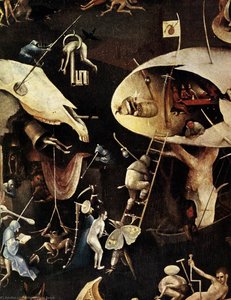
Triptih o plugu (centralni panel)
 Ulje na panelu
- Zidna umetnost
- Severna renesansa
 1500
1500- Renesansa
 135.0 x 100.0 cm
 Museo del Prado
 Pročitaj više
Giclee štampa / Umetnički otisak
Giclée štampa ili print na platnu muzejskog kvaliteta uz brzu izradu i raznovrsne opcije završne obrade. ( Naručite ručno oslikano reprodukciju Pređi na prodaju digitalnih slika)




P118B дин10

P118H дин10

P118W дин10

P438Z дин10

P508JH дин12

P508YH дин12

P805H дин10

P805Z дин10

P919BZ дин10

P919G дин10

P919XJ дин10

P959ZH дин10

P968JZ дин12

W106C дин8

W218G дин10

W218JH дин8

W218Y дин10

W307PJ дин10

W316G дин10

W316PJ дин8

W316Y дин10

W398PJ дин8

W4111J дин10

W500HY дин15

W500JH дин15

W692G дин12

W849H дин8

W940BG дин15

W953PJ дин8




Izaberite jednu od naših unapred definisanih veličina koje odgovaraju originalnim proporcijama umetničkog dela.

Unesite širinu i visinu koja vam je potrebna, kako bi se uklopili u vaš ram ili na vaš zid. Štampa se može samo iseći, nikada ne može biti veća od originalne slike, stoga format sa drugačijim proporcijama gubi deo slike. Poslaćemo vam digitalni prikaz radi potvrde pre nego što započnemo štampu. Slika prikazana na ovoj stranici ne pokazuje stvarni rez — to pokazuje samo digitalni prikaz.
Dostava širom sveta () za 2 nedelje umesto uobičajenih 4/5 nedelja. (22 октобар)

Besplatna ekspresna dostava širom sveta

Visokokvalitetno laneno platno

Sveobuhvatno osiguranje transporta

Garancija povraćaja carine i uvoznih dažbina

Garancija vernosti boja i autentičnosti pri reprodukciji

Politika povraćaja u roku od 100 dana (samo u slučaju nedostataka)

Garancija povrata 100% novca

Popust pri većoj količini
 Opcija sa staklom dostupna je samo za dimenzije manje od 110 cm

Triptih o plugu (centralni panel)
Giclee štampa / Umetnički otisak
Veličina reprodukcije
-


Ukupna cena
дин 8200
Vizionarski spust: Haos kola od sena
U prostratom, vrtložitom pejzažu umetnosti severne renesanse, malo je dela koja poseduju uznemirujući magnetizam kao što ga ima Triptih o kola od sena Jeronimusa Boša. Centralni panel, remek-delo psihološke dubine i surrealističke predviđeności, predstavlja nam scenu koja je istovremeno obična i apokaliptična. U samom srcu, masivna kola od sena — simbol svetovnih dobara i prolaznosti života — vuku demonska bića kroz prepun masu ljudi. Ovo nije samo prikaz žetve; to je duboka meditacija o ljudskom stanju, gde težnja za zemaljskim užitkom deluje kao težak teret koji vuče dušu ka neizbežnom ponoru. Zagledati se u ovaj panel znači ući u groznični san u kojem se granice između fizičkog sveta i duhovnog carstva rastapaju u haotičnom plesu greha i spasenja.
Jezik simbola: Dekodiranje Bošove noćne more
Svaki milimetar ove kompozicije zasićen je značenjem, pozivajući posmatrača da postane detektiv božanskog. Boš koristi složen vokabular simbola kako bi kritikovao poroke svog vremena. Samo seno predstavlja prolaznu prirodu materijalnog bogatstva — nešto što se lako skuplja, ali je u suštini prazno. Dok posmatramo trinaest figura rasutih po pejzažu, vidimo čovečanstvo u punom svom razbijenom sjaju: neki se pohlepno drže kola, dok su drugi ometeni od strane grotesknih čudovišta koja izranjaju sa periferije. Čovek koji se brani od režljivog psa služi kao dirljiv podsetnik na borbu za otpornost usred zla, ipak čak i ovaj mali čin hrabrosti bledi pred nadmoćnim zamahom kola. Uključivanje naizgled običnih predmeta, poput kišobrana, stvara oštru suprotnost, prizemljujući Bošove fantastične užase u prepoznatljivu, svakodnevnu stvarnost koja čini da se nadolazeća noćna mora osećaju previše sličnim našima.
Majstorstvo tehnike severne renesanse
Tehnički gledano, centralni panel je trijumf ranoneterlandske tradicije. Izveden uljem na drvetu, Boš primenjuje pedantni pristup detaljima koji omogućava i široke panoramske prizore i mikroskopsko ispitivanje. Umetnikova sposobnost manipulacije svetlom i teksturama stvara osećaj dubine koji vuče oko kroz talasasti teren ka dalekom, zastrašujućem horizontu. Njegov potez četkicom, iako dovoljno precizan da dočara pojedinačne slamke sena i groteskne crte hibridnih stvorenja, zadržava atmosferski kvalitet koji hvata maglovitu, nesigurnu svetlost sveta u tranziciji. Za izbirljivog kolekcionara ili dizajnera enterijera, visokokvalitetna reprodukcija ovog dela nudi više od pukog vizuelnog središta; ona pruža prozor u sofisticiranu eru tehničkog majstorstva i intelektualne složenosti.
Večna odjekivanja za modernog kolekcionara
Pored svog istorijskog značaja, Triptih o kola od sena nastavlja da odjekuje savremenim senzibilitetom. U doba preopterećenosti informacijama i društvenih previranja, Bošovo istraživanje haosa, iskušenja i potrage za moralnim utemeljenjem deluje izrazito moderno. Ova slika ne ukrašava prostor; ona njime vlada, delujući kao duboko tema za razgovor koja podstiče debatu i introspekciju. Bilo da je postavljena u pažljivo odabrani galerijski ambijent ili kao odvažna izjava u sofisticiranom životnom prostoru, ovo delo služi kao trajan podsetnik na moć umetnosti da se suoči sa našim najdubljim strahovima i najsloženijim istinama. Posedovanje reprodukcije tako monumentalnog dostignuća omogućava čoveku da očuva fragment ove večne, proganjajuće lepote unutar sopstvenog okruženja.
Pitanja i odgovori
Na koji način se preporučuje štampa za "Triptih o plugu (centralni panel)" – koja veličina i koja orijentacija?
Preporučeno je štampanje dela „Triptih o plugu (centralni panel)”, Јеронимијус Бош u veličini Veliki format i Vertikalna orijentacija orijentaciji.
Koju fazu razvoja umetnika Јеронимијус Бош predstavlja delo "Triptih o plugu (centralni panel)"?
U okviru karijere umetnika Јеронимијус Бош, delo "Triptih o plugu (centralni panel)" pripada periodu Zrelo doba. Ova faza omogućava poređenje sa drugim delima ovog umetnika.
Koju emociju prenosi „Triptih o plugu (centralni panel)”, Јеронимијус Бош?
Emocionalni ton zabeležen za „Triptih o plugu (centralni panel)”, Јеронимијус Бош je Misteriozno. On sažima osećaj koji ovo delo izražava.
Biografija umetnika
A Netherlandish Enigma: The Life and Art of Hieronymus Bosch
Born around 1450 in the vibrant, bustling town of ’s-Hertogenbosch in the Netherlands—then part of Brabant—Hieronymus Bosch, originally Jheronimus van Aken, remains one of art history’s most compelling and mysterious figures. His world was steeped in late medieval religious fervor, folklore, and a growing sense of societal unease, all of which would profoundly shape his uniquely unsettling artistic vision. Coming from a family with a long tradition of painting—his grandfather, Jan van Aken, and father, Anthonius van Aken, were both artists—Bosch likely received his earliest training within the family workshop, absorbing the techniques and conventions of Netherlandish painting. However, even in his formative years, he began to diverge from established norms, hinting at the extraordinary imagination that would define his career. Biographical details are frustratingly scarce; records are fragmented, leaving much open to speculation and interpretation, adding to the aura of mystique surrounding both the man and his work. He married Aleyt Goyaerts van den Meerveen sometime before 1481, a union that provided him with some financial security through her family’s holdings, but little else is known about their personal life. Fantastical Visions and Symbolic Depths Bosch's artistic style is instantly recognizable—a captivating blend of meticulous detail and wildly imaginative imagery. He primarily worked with oil on oak panels, demonstrating a masterful command of the medium, achieving luminous colors and intricate textures. While his early works show influences from traditional Netherlandish painting, particularly in their realism and attention to detail, he quickly moved beyond mere imitation, developing a profoundly original vision. His paintings are not simply representations of reality; they are allegorical landscapes populated by bizarre creatures, hybrid beings, and unsettling scenes that seem plucked from dreams—or nightmares. Religious themes form the core of much of his work, but these are rarely straightforward depictions of biblical stories. Instead, Bosch uses symbolism to explore complex moral and theological concepts, often focusing on the dangers of sin, the fragility of earthly pleasures, and the inevitability of divine judgment. His creatures—grotesque demons, fantastical animals, and strangely human figures—are not merely decorative elements; they are embodiments of vice, temptation, and spiritual corruption. The blending of the sacred and the profane, the beautiful and the grotesque, creates a uniquely unsettling effect that continues to captivate viewers centuries later.Masterpieces of Moral Allegory
Among Bosch’s most celebrated achievements is The Garden of Earthly Delights (c. 1490-1510), a triptych that remains one of the most enigmatic and debated works in art history. When opened, it presents a panoramic vision of paradise, earthly life, and hell—a complex allegorical representation of humanity’s fall from grace. The left panel depicts the Garden of Eden, teeming with fantastical creatures and lush vegetation; the central panel portrays a world consumed by sensual pleasure and unrestrained desire; and the right panel offers a terrifying glimpse into the torments of hell. The Triptych of the Last Judgement (c. 1480-1490) is another powerful example of his skill in portraying both heavenly bliss and infernal torment, while The Ascent of the Blessed (c. 1480-1490) demonstrates his ability to create ethereal and dreamlike scenes. Even smaller works like Epiphany (c. 1495) showcase his innovative use of oil on wood and complex symbolism, revealing a mind constantly grappling with profound questions about faith, morality, and the human condition.Influences and Artistic Development
Bosch’s artistic trajectory reveals a gradual shift from conventional Netherlandish painting to an increasingly personal and expressive style. Early works demonstrate considerable skill in depicting realistic figures and landscapes—traits inherited from his family tradition—but he quickly abandoned these techniques in favor of bolder colors, more dramatic compositions, and a preoccupation with unsettling imagery. Scholars suggest possible connections to medieval folklore, religious texts—particularly those emphasizing apocalyptic themes—and the prevailing anxieties of the time, including fears of heresy and social upheaval. However, it’s clear that Bosch synthesized these elements into something entirely new and uniquely his own. His artistic vision was profoundly shaped by humanist ideas circulating in Europe during his lifetime, prompting him to question established dogma and explore psychological dimensions previously ignored by artists. He absorbed influences from artists like Pieter Bruegel the Elder, whose landscapes conveyed moral lessons with a similar blend of realism and symbolism.Legacy and Enduring Influence
Identifying Bosch’s direct influences is a challenging task, given the originality of his vision. Scholars suggest possible connections to medieval folklore, religious texts—particularly those emphasizing apocalyptic themes—and the prevailing anxieties of the time, including fears of heresy and social upheaval. However, it's clear that he revolutionized Netherlandish painting by introducing unprecedented levels of psychological complexity and symbolic depth. His impact on subsequent artists is undeniable. Pieter Bruegel the Elder directly followed in his footsteps, adopting similar themes and compositional techniques, while later movements, such as Surrealism, also drew inspiration from Bosch’s dreamlike imagery and exploration of the subconscious. Artists like Salvador Dalí and Max Ernst openly acknowledged their debt to his unsettling visions. Even today, Bosch's work continues to fascinate and provoke debate, solidifying his place as a master of Netherlandish painting and a visionary artist whose influence extends far beyond his own time. His paintings offer valuable insights into the religious, social, and psychological climate of the late 15th and early 16th centuries, challenging conventional norms and paving the way for new forms of artistic expression. He died in 1516, leaving behind a body of work that continues to haunt and inspire, ensuring his enduring legacy as one of art history’s most singular and unforgettable voices.
Јеронимијус Бош
1450 - 1516 , Holandija
Brzi pregled
- Artistic Movement Or Style: Surrealizam i simbolizam
- Artists Or Movements Influenced By This Artist: ['Pieter Bruegel stariji']
- Date Of Birth: c. 1450
- Date Of Death: 1516
- Full Name: Hieronymus Bosch
- Nationality: Nizozemski
- Notable Artworks:
- Posljednji Sud
- Odvijanje Svete Duše
- Epifanska Križanje
- Place Of Birth: Den Bosch, Nizozemska
Srodni članci
Top 25 Remek-dela Prado Muzeja: Umetnička Baština Španije za Vaš Dom
Istražite 25 remek-dela Prado muzeja u Madridu! Otkrijte priče iza Velázqueza, Goye i El Greca. Pronađite inspiraciju za dekoraciju enterijera uz reprodukcije slika vrhunskog kvaliteta na OriginalUniqueArt.com.
Hieronymus Bosch: Decoding the Visions of a Netherlandish Master
Explore the captivating world of Hieronymus Bosch! Delve into the symbolism, religious context, and artistic innovation of this Netherlandish master with OriginalUniqueArt's expert analysis. Discover his iconic paintings & lasting influence.
Hieronimus Bosch: 25 Remek-dela Nizozemskog Majstora za Ljubitelje Umetnosti i Dekoraciju Doma
Istražite 25 remek-dela Hieronimusa Boscha – nizozemskog renesansnog slikara. Otkrijte simbolizam, fantastične figure i moralnu dubinu njegovih oltarskih slika. Reprodukcije vrhunskog kvaliteta za dekoraciju doma na OriginalUniqueArt.com.
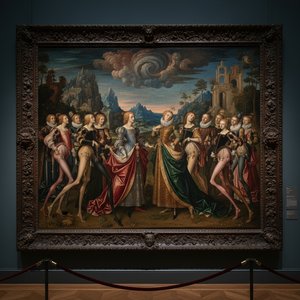
Northern Mannerism: The Dramatic Evolution of Renaissance Art and the Mastery of Elegant Distortion
Explore the dramatic evolution of Northern Mannerism. Discover how masters like Bosch and Grünewald transitioned from Renaissance harmony to profound, elegant distortion through an expert analysis of symbolism, emotional intensity, and artistic innovation.

The Northern Renaissance: A Flourishing of Realism, Religious Reform & Artistic Innovation
Explore the Northern Renaissance! Discover Jan van Eyck's innovations, religious shifts, & key artists of this influential period. Expert analysis and insights into Early Netherlandish painting at OriginalUniqueArt.