 Pregledaj u prostoru
 Podeli
 Podeli
 Detalji
 Vodič
Vodič

 Preuzmi sliku
 Slični predmeti
 Rendgenski snimak
 Automatska prezentacija
 Statistika
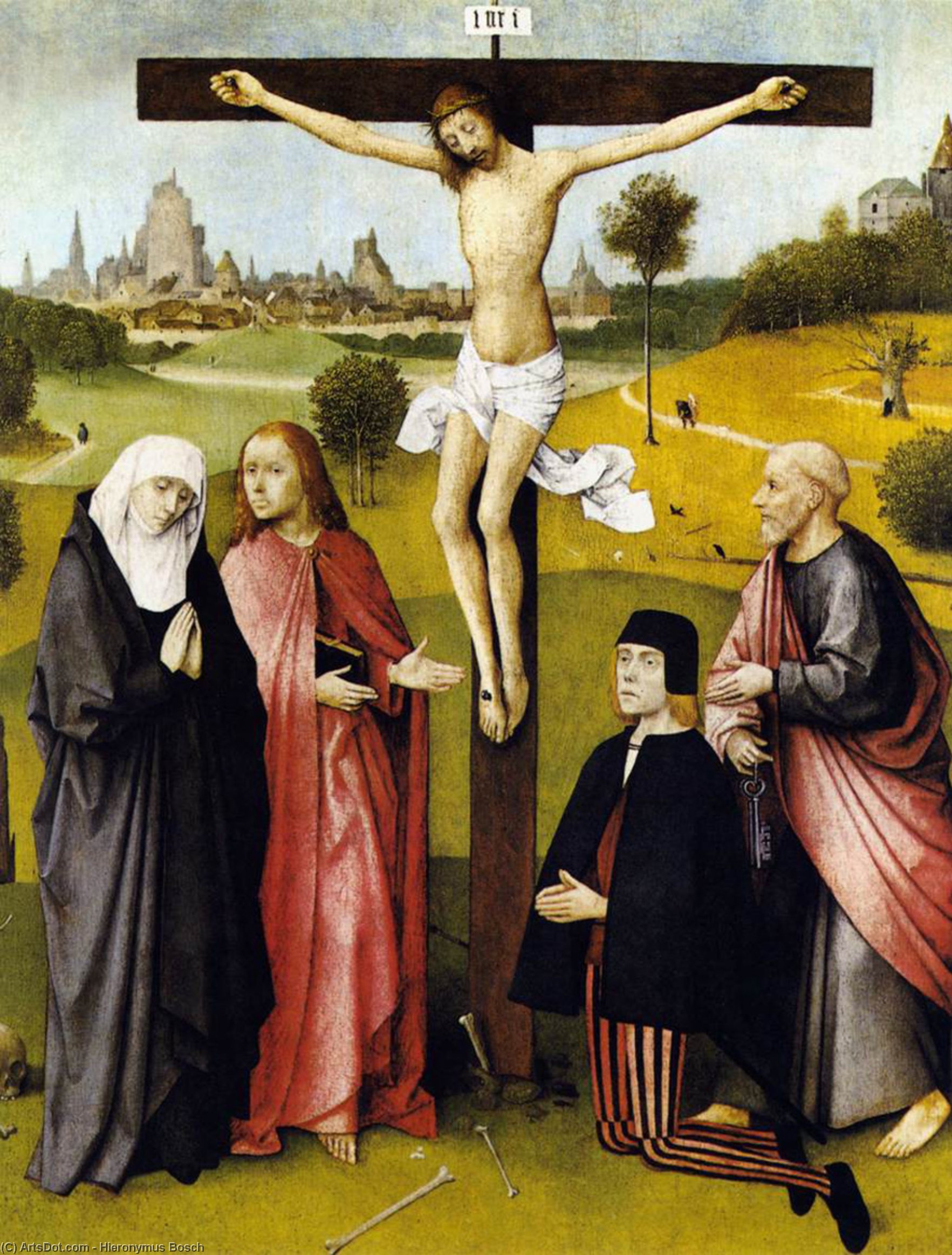
Raspeće sa donatorom
 Ulje na panelu
- Zidna umetnost
- Rana nederlandska umetnost
 1480
1480- Renesansa
 74.0 x 61.0 cm
 Musées Royaux des Beaux-Arts
 Pročitaj više
Giclee štampa / Umetnički otisak
Giclée štampa ili print na platnu muzejskog kvaliteta uz brzu izradu i raznovrsne opcije završne obrade. ( Naručite ručno oslikano reprodukciju Pređi na prodaju digitalnih slika)




P118B дин10

P118H дин10

P118W дин10

P438Z дин10

P508JH дин12

P508YH дин12

P805H дин10

P805Z дин10

P919BZ дин10

P919G дин10

P919XJ дин10

P959ZH дин10

P968JZ дин12

W106C дин8

W218G дин10

W218JH дин8

W218Y дин10

W307PJ дин10

W316G дин10

W316PJ дин8

W316Y дин10

W398PJ дин8

W4111J дин10

W500HY дин15

W500JH дин15

W692G дин12

W849H дин8

W940BG дин15

W953PJ дин8




Izaberite jednu od naših unapred definisanih veličina koje odgovaraju originalnim proporcijama umetničkog dela.

Možete uneti sopstvene dimenzije kako biste umetničko delo prilagodili specifičnom okviru ili prostoru. Ako odabrani format ne odgovara proporcijama originalne slike, mi ćemo ili iscrtati deo dela ili proširiti sliku pomoću ogledane ivice ili jednobojnog popunjavanja. Digitalni prikaz će vam biti poslat na odobrenje pre početka proizvodnje.
Imajte na umu da pregled na ekranu ne odražava stvarno iscrtavanje ili proširivanje. Samo će prikaz (mockup) precizno pokazati finalnu kompoziciju.
Iako su prilagođene dimenzije dostupne, preporučujemo da odaberete dimenziju sa unapred definisane liste kako biste očuvali originalne proporcije.
Dostava širom sveta () za 2 nedelje umesto uobičajenih 4/5 nedelja. (13 октобар)

Besplatna ekspresna dostava širom sveta

Visokokvalitetno laneno platno

Sveobuhvatno osiguranje transporta

Garancija povraćaja carine i uvoznih dažbina

Garancija vernosti boja i autentičnosti pri reprodukciji

Politika povraćaja u roku od 100 dana (samo u slučaju nedostataka)

Garancija povrata 100% novca

Popust pri većoj količini
 Opcija sa staklom dostupna je samo za dimenzije manje od 110 cm

Raspeće sa donatorom
Giclee štampa / Umetnički otisak
Veličina reprodukcije
-


Ukupna cena
дин 8126
Prozor u veru i misteriju: Raspeće sa donatorom Jeronima Bosca
Ovaj očaravajući rad ulje na panelu, nastao oko 1480. godine delom enigmatičnog Jeronima Bosca, nudi duboku meditaciju o veri, patnji i spasenju. Trenutno smešten u Kraljevskim lepim umetnostima (Musées Royaux des Beaux-Arts) u Briselu, Belgija, ovo delo je primer prepoznatljivog stila rane nederlandske umetnosti – ključnog trenutka u umetnosti severne renesanse. Dimenzija 74 x 61 cm, ovo je komad koji nagrađuje pažljivo posmatranje, otkrivajući slojeve simbolike i umetničkog majstorstva.Tema i kompozicija
Slikanje se fokusira na potresnu scenu Hristovog raspeća. Bosac ne prikazuje grafički prikaz agonije; umesto toga, on se fokusira na svečanost i duhovnu težinu događaja. Figure okružuju krst – neke kleče u poštovanju, dok druge posmatraju u tihoj kontemplaciji. Veruje se da je istaknuta figura, bogato obučena i koja drži simbole autoriteta (krunu i skiptar), donator ili predstavnik zemaljske moći koji svedoči ovom božanskom žrtvavanjima. Kompozicija je tesno uokvirena, vodeći oko posmatrača direktno ka Hristu i podstičući intimnu povezanost sa scenom. U pozadini se razvija pejzaž koji pruža dubinu, ali ostaje podređen centralnoj drami.Jedinstveni stil i tehnika Bosca
Bosac je bio istinski original, a Raspeće sa donatorom prikazuje njegov prepoznatljiv stil. On majstorski spaja realizam sa fantastičnim elementima, stvarajući atmosferu koja je istovremeno utemeljena u zemaljskom zapažanju i prožeta duhovnom misterijom. Njegova tehnika uključivala je postepeno nanošenje slojeva prozirnih uljanih glasa na hrastovom panelu, što je rezultiralo luminoznim bojama i neverovatno finim detaljima. Preciznost linija koje definišu figure i arhitektonske elemente govori o pedantnom pristupu, dok je ukupni efekat onaj vanzemaljskog lepote.Simbolika i interpretacija
Bosčevo delo je poznato po svojoj složenoj simbolici, a ova slika nije izuzetak. Uključivanje naizda nebitnih detalja – knjige, ptice u letu, čaše postavljene s desne strane – poziva na višestruke interpretacije. Figura donatora može predstavljati poklonodavca koji je naručio rad, ali takođe simbolizuje ulogu čovečanstva u Hristovoj žrtvi. Ptica, često povezana sa dušom ili božanskim glasnikom, mogla bi značiti nadu ili duhovnu uspon. Svaki element doprinosi bogatoj tapiseriji značenja, podstičući posmatrače da aktivno učestvuju u umetničkom delu i formiraju sopstveno razumevanje.Istorijski kontekst i umetnički značaj
Naslikano tokom perioda religioznog žara i umetničkih inovacija, Raspeće sa donatorom odražava duhovne brige kasnog 15. veka. Bosčevo delo se izdvaja od konvencionalnijih prikaza raspeća koja su bila uobičajena u to vreme. On nije bio zainteresovan samo za ilustrovanje biblijskih narativa; težio je istraživanju psiholoških i duhovnih dimenzija vere. Uticao je na generacije umetnika, uključujući Pintera Bruegela Molderog, i nastavlja da izaziva divljenje i fascinaciju i danas. Ovo delo je svedočanstvo umetničke evolucije unutar pokreta rane nederlandske umetnosti, demonstrirajući njenu jedinstvenu mešavinu realizma, simbolike i religiozne pobožnosti.Emocionalni utisak i dizajn enterijera
Ova slika izaziva osećaj svečanosti, kontemplacije i duhovne čežnje. Iako prikazuje tragičan događaj, ona se ne zadržava na brutalnosti, već naglašava duboku žrtvu koja je u njenom srcu. Njena prigušena paleta boja – dominirana zemljanim tonovima sa akcentima živopisne crvene – dobro se uklapa u različite sheme dizajna enterijera.- U tradicionalnom okruženju, ona bi dopunila nameštaj od tamnog drveta i bogate tekstilne materijale.
- Moderniji prostor mogao bi koristiti ovu sliku kao fokusnu tačku, kontrastirajući njen istorijski stil sa savremenim elementima.
- Njeno kontemplativno raspoloženje čini je idealnom za biblioteke, studije ili prostore za meditaciju.
Pitanja i odgovori
Kakvu atmosferu odiše "Raspeće sa donatorom"?
„Raspeće sa donatorom”, Јеронимијус Бош se opisuje kao delo Mistična raspoloženja. Ovakva klasifikacija može pomoći u uklapanju dela u određeni ambijent.
Da li je "Raspeće sa donatorom" dostupan kao umetnička štampa?
"Raspeće sa donatorom" je dostupan kao umetnička štampa na pamučnom platnu ili arhivskom kanvas papiru. Porudžbine se vrše na ova stranica, u dimenziji po vašem izboru.
Koji nacionalni poreklom stoji iza Rana nederlandska umetnost dela "Raspeće sa donatorom"?
Delo "Raspeće sa donatorom" delo je Јеронимијус Бош, rođenog u Holandija, u okviru pokreta Rana nederlandska umetnost. Poreklom umetnika, ovo delo se povezuje sa Rana nederlandska umetnost stilom kakav su zastupali umetnici iz Holandija.
Gde mogu pronaći vodič za "Raspeće sa donatorom"?
Dostupna je Vodič stranica za „Raspeće sa donatorom”, Јеронимијус Бош: štampani informativni list o umetničkom delu, dizajniran za učenike i upotrebu u učionici.
Odakle dolaze posetioci dela „Raspeće sa donatorom”, Јеронимијус Бош?
Postoji Statistika stranica za „Raspeće sa donatorom“. Ona prikazuje mesečne posete ovom umetničkom delu i drugim delima ovog umetnika, uz detaljnu analizu po državama i jezicima.
Mogu li da gledam "Raspeće sa donatorom" kao prezentaciju preko celog ekrana?
Diaporama dela "Raspeće sa donatorom" možete pogledati na stranici Diaporama tog umetničkog dela.
Na koji način se "Raspeće sa donatorom" uklapa u teme i stil umetnika Јеронимијус Бош?
„Raspeće sa donatorom“ pripada Rana nederlandska umetnost periodu stvaralaštva umetnika Јеронимијус Бош, čije su upečatljive teme obuhvatale religijska alegorija i simbolizam, srednjovekovne poučne priče, uticaj ranog renesansa, ljudska patnja i sud, bošove mračne vizije, donacija kao kritika, kompleksna, slojevita naracija.
Mogu li da vidim rendgenski prikaz dela „Raspeće sa donatorom”, Јеронимијус Бош?
Stranica Rentgenski snimak za delo „Raspeće sa donatorom”, Јеронимијус Бош predstavlja interaktivni preglednik koji vam omogućava da prolazite kroz jedanaest optičkih slojeva slike dela, uključujući i prikaz u stilu rendgenskog snimka.
Biografija umetnika
A Netherlandish Enigma: The Life and Art of Hieronymus Bosch
Born around 1450 in the vibrant, bustling town of ’s-Hertogenbosch in the Netherlands—then part of Brabant—Hieronymus Bosch, originally Jheronimus van Aken, remains one of art history’s most compelling and mysterious figures. His world was steeped in late medieval religious fervor, folklore, and a growing sense of societal unease, all of which would profoundly shape his uniquely unsettling artistic vision. Coming from a family with a long tradition of painting—his grandfather, Jan van Aken, and father, Anthonius van Aken, were both artists—Bosch likely received his earliest training within the family workshop, absorbing the techniques and conventions of Netherlandish painting. However, even in his formative years, he began to diverge from established norms, hinting at the extraordinary imagination that would define his career. Biographical details are frustratingly scarce; records are fragmented, leaving much open to speculation and interpretation, adding to the aura of mystique surrounding both the man and his work. He married Aleyt Goyaerts van den Meerveen sometime before 1481, a union that provided him with some financial security through her family’s holdings, but little else is known about their personal life. Fantastical Visions and Symbolic Depths Bosch's artistic style is instantly recognizable—a captivating blend of meticulous detail and wildly imaginative imagery. He primarily worked with oil on oak panels, demonstrating a masterful command of the medium, achieving luminous colors and intricate textures. While his early works show influences from traditional Netherlandish painting, particularly in their realism and attention to detail, he quickly moved beyond mere imitation, developing a profoundly original vision. His paintings are not simply representations of reality; they are allegorical landscapes populated by bizarre creatures, hybrid beings, and unsettling scenes that seem plucked from dreams—or nightmares. Religious themes form the core of much of his work, but these are rarely straightforward depictions of biblical stories. Instead, Bosch uses symbolism to explore complex moral and theological concepts, often focusing on the dangers of sin, the fragility of earthly pleasures, and the inevitability of divine judgment. His creatures—grotesque demons, fantastical animals, and strangely human figures—are not merely decorative elements; they are embodiments of vice, temptation, and spiritual corruption. The blending of the sacred and the profane, the beautiful and the grotesque, creates a uniquely unsettling effect that continues to captivate viewers centuries later.Masterpieces of Moral Allegory
Among Bosch’s most celebrated achievements is The Garden of Earthly Delights (c. 1490-1510), a triptych that remains one of the most enigmatic and debated works in art history. When opened, it presents a panoramic vision of paradise, earthly life, and hell—a complex allegorical representation of humanity’s fall from grace. The left panel depicts the Garden of Eden, teeming with fantastical creatures and lush vegetation; the central panel portrays a world consumed by sensual pleasure and unrestrained desire; and the right panel offers a terrifying glimpse into the torments of hell. The Triptych of the Last Judgement (c. 1480-1490) is another powerful example of his skill in portraying both heavenly bliss and infernal torment, while The Ascent of the Blessed (c. 1480-1490) demonstrates his ability to create ethereal and dreamlike scenes. Even smaller works like Epiphany (c. 1495) showcase his innovative use of oil on wood and complex symbolism, revealing a mind constantly grappling with profound questions about faith, morality, and the human condition.Influences and Artistic Development
Bosch’s artistic trajectory reveals a gradual shift from conventional Netherlandish painting to an increasingly personal and expressive style. Early works demonstrate considerable skill in depicting realistic figures and landscapes—traits inherited from his family tradition—but he quickly abandoned these techniques in favor of bolder colors, more dramatic compositions, and a preoccupation with unsettling imagery. Scholars suggest possible connections to medieval folklore, religious texts—particularly those emphasizing apocalyptic themes—and the prevailing anxieties of the time, including fears of heresy and social upheaval. However, it’s clear that Bosch synthesized these elements into something entirely new and uniquely his own. His artistic vision was profoundly shaped by humanist ideas circulating in Europe during his lifetime, prompting him to question established dogma and explore psychological dimensions previously ignored by artists. He absorbed influences from artists like Pieter Bruegel the Elder, whose landscapes conveyed moral lessons with a similar blend of realism and symbolism.Legacy and Enduring Influence
Identifying Bosch’s direct influences is a challenging task, given the originality of his vision. Scholars suggest possible connections to medieval folklore, religious texts—particularly those emphasizing apocalyptic themes—and the prevailing anxieties of the time, including fears of heresy and social upheaval. However, it's clear that he revolutionized Netherlandish painting by introducing unprecedented levels of psychological complexity and symbolic depth. His impact on subsequent artists is undeniable. Pieter Bruegel the Elder directly followed in his footsteps, adopting similar themes and compositional techniques, while later movements, such as Surrealism, also drew inspiration from Bosch’s dreamlike imagery and exploration of the subconscious. Artists like Salvador Dalí and Max Ernst openly acknowledged their debt to his unsettling visions. Even today, Bosch's work continues to fascinate and provoke debate, solidifying his place as a master of Netherlandish painting and a visionary artist whose influence extends far beyond his own time. His paintings offer valuable insights into the religious, social, and psychological climate of the late 15th and early 16th centuries, challenging conventional norms and paving the way for new forms of artistic expression. He died in 1516, leaving behind a body of work that continues to haunt and inspire, ensuring his enduring legacy as one of art history’s most singular and unforgettable voices.
Јеронимијус Бош
1450 - 1516 , Holandija
Brzi pregled
- Artistic Movement Or Style: Surrealizam i simbolizam
- Artists Or Movements Influenced By This Artist: ['Pieter Bruegel stariji']
- Date Of Birth: c. 1450
- Date Of Death: 1516
- Full Name: Hieronymus Bosch
- Nationality: Nizozemski
- Notable Artworks:
- Posljednji Sud
- Odvijanje Svete Duše
- Epifanska Križanje
- Place Of Birth: Den Bosch, Nizozemska
Srodni članci

The Enduring Legacy of Oil on Canvas: Technique, History & Aesthetic Impact
Explore the rich history & techniques of oil painting – from Renaissance masters to Impressionism. Discover pigments, layering methods, and why this timeless medium endures. Expert insights for artists & art enthusiasts.

The Enduring Power of Painting: A Historical & Contemporary Exploration of Form and Emotion
Explore the rich history & enduring techniques of oil painting with OriginalUniqueArt. Discover masterpieces, learn about art collecting, and find authentic handmade reproductions crafted by skilled artists.
Hieronymus Bosch: Decoding the Visions of a Netherlandish Master
Explore the captivating world of Hieronymus Bosch! Delve into the symbolism, religious context, and artistic innovation of this Netherlandish master with OriginalUniqueArt's expert analysis. Discover his iconic paintings & lasting influence.
Oil on Panel Masters: 10 Paintings That Revolutionized Art |
Journey through 10 legendary 'Oil on Panel' masterpieces by Van Eyck, Bosch & Bruegel. Explore the stories behind these iconic Renaissance & Baroque paintings and find museum-quality art reproductions to elevate your home decor. Discover all masterpieces on !
Hieronimus Bosch: 25 Remek-dela Nizozemskog Majstora za Ljubitelje Umetnosti i Dekoraciju Doma
Istražite 25 remek-dela Hieronimusa Boscha – nizozemskog renesansnog slikara. Otkrijte simbolizam, fantastične figure i moralnu dubinu njegovih oltarskih slika. Reprodukcije vrhunskog kvaliteta za dekoraciju doma na OriginalUniqueArt.com.