Pregledaj u prostoru
 Podeli
 Podeli
 Detalji
 Vodič
Vodič

 Preuzmi sliku
 Slični predmeti
 Rendgenski snimak
 Automatska prezentacija
 Statistika
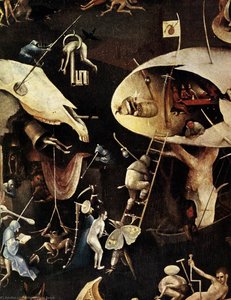
Hrist koji nosi krst (10)
 Ulje na panelu
- Umetnost za zidove
- Severni renesans
 1515
1515- Renesansa
 74.0 x 81.0 cm
 Museum voor Schone Kunsten
 Pročitaj više
Giclee štampa / Umetnički otisak
Giclée štampa ili print na platnu muzejskog kvaliteta uz brzu izradu i raznovrsne opcije završne obrade. ( Naručite ručno oslikano reprodukciju Pređi na prodaju digitalnih slika)




P118B $10

P118H $10

P118W $10

P438Z $10

P508JH $12

P508YH $12

P805H $10

P805Z $10

P919BZ $10

P919G $10

P919XJ $10

P959ZH $10

P968JZ $12

W106C $8

W218G $10

W218JH $8

W218Y $10

W307PJ $10

W316G $10

W316PJ $8

W316Y $10

W398PJ $8

W4111J $10

W500HY $15

W500JH $15

W692G $12

W849H $8

W940BG $15

W953PJ $8




Izaberite jednu od naših unapred definisanih veličina koje odgovaraju originalnim proporcijama umetničkog dela.

Možete uneti sopstvene dimenzije kako biste umetničko delo prilagodili specifičnom okviru ili prostoru. Ako odabrani format ne odgovara proporcijama originalne slike, mi ćemo ili iscrtati deo dela ili proširiti sliku pomoću ogledane ivice ili jednobojnog popunjavanja. Digitalni prikaz će vam biti poslat na odobrenje pre početka proizvodnje.
Imajte na umu da pregled na ekranu ne odražava stvarno iscrtavanje ili proširivanje. Samo će prikaz (mockup) precizno pokazati finalnu kompoziciju.
Iako su prilagođene dimenzije dostupne, preporučujemo da odaberete dimenziju sa unapred definisane liste kako biste očuvali originalne proporcije.
Dostava širom sveta () za 2 nedelje umesto uobičajenih 4/5 nedelja. (25 септембар)

Besplatna ekspresna dostava širom sveta

Visokokvalitetno laneno platno

Sveobuhvatno osiguranje transporta

Garancija povraćaja carine i uvoznih dažbina

Garancija vernosti boja i autentičnosti pri reprodukciji

Politika povraćaja u roku od 100 dana (samo u slučaju nedostataka)

Garancija povrata 100% novca

Popust pri većoj količini
 Opcija sa staklom dostupna je samo za dimenzije manje od 110 cm

Hrist koji nosi krst (10)
Giclee štampa / Umetnički otisak
Veličina reprodukcije
-


Ukupna cena
$ 80
Hrist koji nosi krst (10): Remek-delo severne renesanse
Jeronim Bos, jedan od najenigmatičnijih i najfascinantnijih umetnika severne renesanse, stvorio je seriju slika koje prikazuju Hrista kako nosi krst. Među ovim delima, Hrist koji nosi krst (10), koji se čuva u Muzeju lepih umetnosti u Gentu, u Belgiji, izdvaja se svojom jedinstvenom kompozicijom i emocionalnom dubinom.
Kompozicija i tehnika slika
Ovo upečatljivo umetničko delo dimenzija je 74 x 81 cm i izvedeno je uljanim bojama na panelu. Ono predstavlja prepun scenu sa brojnim figurama koje okružuju Isusa dok on nosi krst. Pozadina uključuje intrigantne elemente poput sata i knjige, što doprinosi složenosti kompozicije. Svaka figura u sceni je pedantno detaljno prikazana, pokazujući Bosovu izvanrednu veštinu u dočaravanju ljudskih emocija i individualnih karakteristika. Upotreba ulja na panelu omogućava bogatstvo boja i tekstura, pojačavajući ukupni vizuelni utisak i doprinoseći neprolaznoj privlačnosti ovog dela.
Umetnički stil i istorijski kontekst
Bosov stil u ovoj slici karakterističan je za period renesanse, sa fokusom na realizam i simbolizam. Delo datira iz 1515. godine, iz Bosove kasne faze stvaralaštva. Iako tačan datum nastanka ostaje neizvestan, veruje se da je ovo jedno od njegovih poznijih dela. Pripadnost slike bila je predmet debata među istoričarima umetnosti, pri čemu neki sugerišu da ju je stvorio sledbenik Bosom, a ne sam umetnik. Uprkos ovoj naučnoj raspravi, delo nesumnjivo odražava Bosovu autentičnu umetničku viziju i tehničku virtuoznost.
Simbolizam i emocionalni utisak
Slika je bogata simbolikom, pozivajući posmatrače da u dubini scene uokusaju skrivenija značenja. Isus, u samom centru, otelovljuje patnju i iskupljenje, a njegova poza prenosi osećaj tihe predanosti usred ogromnih muka. Okružujuće figure, često prikazane sa grotesknim crtama, simbolizuju zlo i greh sa kojima se Hrist suočava na svom putu ka Kalvari. Sat u pozadini može predstavljati prolaznost vremena i neizbežnost sudbine, dok drugi elementi doprinose atmosferi moralnog rasula i duhovne borbe. Hrist koji nosi krst (10) izaziva snažan emocionalni odgovor – osećaj tuge, kontemplacije i, na kraju, nade u suočavanju sa nedaćom.
Značaj danas i istraživanje Bosovog nasleđa
Uprkos tome što je stvoreno pre više od pet vekova, Hrist koji nosi krst (10) ostaje moćno i provokativno delo. Njegove teme patnje, iskupljenja i borbe između dobra i zla nastavljaju da rezonuju sa publikom i danas. Za one koji su zainteresovani da istraže više dela Jeronima Bosom ili drugih umetnika renesanse, OriginalUniqueArt nudi širok spektar ručno rađenih reprodukcija uljanih slika. Posetite https://OriginalUniqueArt.com kako biste otkrili ova remek-dela.
Biografija umetnika
A Netherlandish Enigma: The Life and Art of Hieronymus Bosch
Born around 1450 in the vibrant, bustling town of ’s-Hertogenbosch in the Netherlands—then part of Brabant—Hieronymus Bosch, originally Jheronimus van Aken, remains one of art history’s most compelling and mysterious figures. His world was steeped in late medieval religious fervor, folklore, and a growing sense of societal unease, all of which would profoundly shape his uniquely unsettling artistic vision. Coming from a family with a long tradition of painting—his grandfather, Jan van Aken, and father, Anthonius van Aken, were both artists—Bosch likely received his earliest training within the family workshop, absorbing the techniques and conventions of Netherlandish painting. However, even in his formative years, he began to diverge from established norms, hinting at the extraordinary imagination that would define his career. Biographical details are frustratingly scarce; records are fragmented, leaving much open to speculation and interpretation, adding to the aura of mystique surrounding both the man and his work. He married Aleyt Goyaerts van den Meerveen sometime before 1481, a union that provided him with some financial security through her family’s holdings, but little else is known about their personal life. Fantastical Visions and Symbolic Depths Bosch's artistic style is instantly recognizable—a captivating blend of meticulous detail and wildly imaginative imagery. He primarily worked with oil on oak panels, demonstrating a masterful command of the medium, achieving luminous colors and intricate textures. While his early works show influences from traditional Netherlandish painting, particularly in their realism and attention to detail, he quickly moved beyond mere imitation, developing a profoundly original vision. His paintings are not simply representations of reality; they are allegorical landscapes populated by bizarre creatures, hybrid beings, and unsettling scenes that seem plucked from dreams—or nightmares. Religious themes form the core of much of his work, but these are rarely straightforward depictions of biblical stories. Instead, Bosch uses symbolism to explore complex moral and theological concepts, often focusing on the dangers of sin, the fragility of earthly pleasures, and the inevitability of divine judgment. His creatures—grotesque demons, fantastical animals, and strangely human figures—are not merely decorative elements; they are embodiments of vice, temptation, and spiritual corruption. The blending of the sacred and the profane, the beautiful and the grotesque, creates a uniquely unsettling effect that continues to captivate viewers centuries later.Masterpieces of Moral Allegory
Among Bosch’s most celebrated achievements is The Garden of Earthly Delights (c. 1490-1510), a triptych that remains one of the most enigmatic and debated works in art history. When opened, it presents a panoramic vision of paradise, earthly life, and hell—a complex allegorical representation of humanity’s fall from grace. The left panel depicts the Garden of Eden, teeming with fantastical creatures and lush vegetation; the central panel portrays a world consumed by sensual pleasure and unrestrained desire; and the right panel offers a terrifying glimpse into the torments of hell. The Triptych of the Last Judgement (c. 1480-1490) is another powerful example of his skill in portraying both heavenly bliss and infernal torment, while The Ascent of the Blessed (c. 1480-1490) demonstrates his ability to create ethereal and dreamlike scenes. Even smaller works like Epiphany (c. 1495) showcase his innovative use of oil on wood and complex symbolism, revealing a mind constantly grappling with profound questions about faith, morality, and the human condition.Influences and Artistic Development
Bosch’s artistic trajectory reveals a gradual shift from conventional Netherlandish painting to an increasingly personal and expressive style. Early works demonstrate considerable skill in depicting realistic figures and landscapes—traits inherited from his family tradition—but he quickly abandoned these techniques in favor of bolder colors, more dramatic compositions, and a preoccupation with unsettling imagery. Scholars suggest possible connections to medieval folklore, religious texts—particularly those emphasizing apocalyptic themes—and the prevailing anxieties of the time, including fears of heresy and social upheaval. However, it’s clear that Bosch synthesized these elements into something entirely new and uniquely his own. His artistic vision was profoundly shaped by humanist ideas circulating in Europe during his lifetime, prompting him to question established dogma and explore psychological dimensions previously ignored by artists. He absorbed influences from artists like Pieter Bruegel the Elder, whose landscapes conveyed moral lessons with a similar blend of realism and symbolism.Legacy and Enduring Influence
Identifying Bosch’s direct influences is a challenging task, given the originality of his vision. Scholars suggest possible connections to medieval folklore, religious texts—particularly those emphasizing apocalyptic themes—and the prevailing anxieties of the time, including fears of heresy and social upheaval. However, it's clear that he revolutionized Netherlandish painting by introducing unprecedented levels of psychological complexity and symbolic depth. His impact on subsequent artists is undeniable. Pieter Bruegel the Elder directly followed in his footsteps, adopting similar themes and compositional techniques, while later movements, such as Surrealism, also drew inspiration from Bosch’s dreamlike imagery and exploration of the subconscious. Artists like Salvador Dalí and Max Ernst openly acknowledged their debt to his unsettling visions. Even today, Bosch's work continues to fascinate and provoke debate, solidifying his place as a master of Netherlandish painting and a visionary artist whose influence extends far beyond his own time. His paintings offer valuable insights into the religious, social, and psychological climate of the late 15th and early 16th centuries, challenging conventional norms and paving the way for new forms of artistic expression. He died in 1516, leaving behind a body of work that continues to haunt and inspire, ensuring his enduring legacy as one of art history’s most singular and unforgettable voices.
Јеронимијус Бош
1450 - 1516 , Holandija
Brzi pregled
- Artistic Movement Or Style: Surrealizam i simbolizam
- Artists Or Movements Influenced By This Artist: ['Pieter Bruegel stariji']
- Date Of Birth: c. 1450
- Date Of Death: 1516
- Full Name: Hieronymus Bosch
- Nationality: Nizozemski
- Notable Artworks:
- Posljednji Sud
- Odvijanje Svete Duše
- Epifanska Križanje
- Place Of Birth: Den Bosch, Nizozemska
Srodni članci
Glavna dela Severne Renesanse: 10 remek-dela koja su obeležila epohu (i vaš dom)
Otkrijte 10 remek dela Severne Renesanse koja su obeležila epohu! Jan van Eyck, Dürer i Bruegel – istražite priče iza ovih umetničkih majstorstava. Inspiracija za vaš dom i vrhunske reprodukcije na OriginalUniqueArt.com!
Hieronymus Bosch: Decoding the Visions of a Netherlandish Master
Explore the captivating world of Hieronymus Bosch! Delve into the symbolism, religious context, and artistic innovation of this Netherlandish master with OriginalUniqueArt's expert analysis. Discover his iconic paintings & lasting influence.
Top 25 Remek-dela Prado Muzeja: Umetnička Baština Španije za Vaš Dom
Istražite 25 remek-dela Prado muzeja u Madridu! Otkrijte priče iza Velázqueza, Goye i El Greca. Pronađite inspiraciju za dekoraciju enterijera uz reprodukcije slika vrhunskog kvaliteta na OriginalUniqueArt.com.
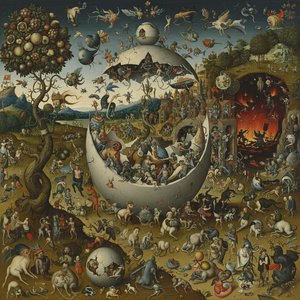
Hieronimus Bosch: 25 Remek-dela Nizozemskog Majstora za Ljubitelje Umetnosti i Dekoraciju Doma
Istražite 25 remek-dela Hieronimusa Boscha – nizozemskog renesansnog slikara. Otkrijte simbolizam, fantastične figure i moralnu dubinu njegovih oltarskih slika. Reprodukcije vrhunskog kvaliteta za dekoraciju doma na OriginalUniqueArt.com.
25 Remek-dela Britanskog muzeja: Umetnička baština za vaš dom | OriginalUniqueArt
Otkrijte 25 remek-dela Britanskog muzeja u Londonu! Istražite priče iza slika, skulptura i antikvitetnih blaga. Inspiracija za dekoraciju enterijera & reprodukcije vrhunskog kvaliteta na OriginalUniqueArt.com.