
 Pregledaj u prostoru
 Pošalji
 Podeli
 Detalji o delu
 Vodič
Vodič

 Preuzmi
 Slični predmeti
 Rendgenski snimak
 Automatska prezentacija
 Pitanja i odgovori
 Statistika
We ... By his death we were Baptized


 Pročitaj više
Umetničko delo prikazano na ovoj stranici zaštićeno je autorskim pravima, što znači da zakonski nismo u mogućnosti da kreiramo niti prodajemo identičnu reprodukciju. Ova zaštita se sprovodi u skladu sa međunarodnim sporazumima kao što su Bernska konvencija i nacionalnim zakonima, uključujući i one koji su definisani u Američki zakon o autorskom pravu – Naslov 17.
Ovaj metod je u potpunosti usklađen sa regulativama o autorskim pravima jer ne podrazumeva kopiranje ili dupliranje zaštićenih umetničkih dela. Umesto toga, reč je o kreativnoj reinterpretaciji – novom slikarskom delu koje je inspirisano originalom, ali nije identično njemu.
Giclee štampa / Umetnički otisak
Giclée štampa ili print na platnu muzejskog kvaliteta uz brzu izradu i raznovrsne opcije završne obrade. ( Kupite ručno oslikano delo Pređi na digitalnu sliku)




P118B дин10

P118H дин10

P118W дин10

P438Z дин10

P508JH дин12

P508YH дин12

P805H дин10

P805Z дин10

P919BZ дин10

P919G дин10

P919XJ дин10

P959ZH дин10

P968JZ дин12

W106C дин8

W218G дин10

W218JH дин8

W218Y дин10

W307PJ дин10

W316G дин10

W316PJ дин8

W316Y дин10

W398PJ дин8

W4111J дин10

W500HY дин15

W500JH дин15

W692G дин12

W849H дин8

W940BG дин15

W953PJ дин8




Izaberite jednu od naših unapred definisanih veličina koje odgovaraju originalnim proporcijama umetničkog dela.

Unesite željenu širinu i visinu kako bi se štampa uklopila u vaš ram ili zid. Štampu je moguće samo iseći, ali nikada povećati iznad dimenzija originalne slike, stoga format sa drugačijim proporcijama uzrokuje gubitak dela slike. Pre početka štampe, poslaćemo vam digitalni prikaz radi potvrde. Slika prikazana na ovoj stranici ne predstavlja stvarni isrez — to pokazuje samo digitalni prikaz.
Dostava širom sveta () za 2 nedelje umesto uobičajenih 4/5 nedelja. (10 новембар)

Besplatna ekspresna dostava širom sveta

Visokokvalitetno laneno platno

Potpuno osiguranje transporta

Garancija povraćaja carine i uvoznih dažbina

Garancija vernosti boja

Politika povraćaja u roku od 100 dana (samo u slučaju nedostataka)

Garancija povrata 100% novca

Popust na više proizvoda
 Opcija sa staklom dostupna je samo za dimenzije manje od 110 cm

We ... By his death we were Baptized
Giclee štampa / Umetnički otisak
Dimenzije reprodukcije
-


Ukupna cena
дин 8500
A Descent Into Shadow and Ascent Towards Light
In the profound depths of Georges Rouault’s 1948 masterpiece, "We ... By his death we were Baptized," viewers are invited into a spiritual landscape where the boundaries between human suffering and divine grace dissolve. This work is far more than a mere biblical illustration; it is a monumental testament to the artist's lifelong commitment to portraying the raw, unvarnished reality of the human condition. Rouault, a master of Expressionism, utilizes a stark, almost monochromatic palette to establish an immediate emotional gravity. The canvas is dominated by heavy shades of black, gray, and white, creating a somber atmosphere that feels both ancient and urgently present. Through this deliberate use of tonal modulation, the artist eschews traditional illusionistic beauty in favor of a psychological depth that resonates with anyone who has ever navigated the shadows of existence.
The composition is masterfully dense, pulling the observer into a claustrophobic yet sacred space. At the base of the work, a group of figures—a grieving mother, a priest, and various onlookers—are huddled together, their faces etched with the unmistakable marks of anguish and despair. Yet, even within this heavy atmosphere of sorrow, there is a sense of profound movement. The eye is naturally drawn upward, following the vertical energy of the piece toward a hovering dove, the universal symbol of the Holy Spirit. This transition from the terrestrial weight of human grief to the celestial lightness of the divine represents Rouault’s core artistic philosophy: the belief that through the recognition of our mortality and suffering, we may find a path toward spiritual transcendence.
The Mastery of Line and Texture
To behold a reproduction of this work is to appreciate the incredible tactile quality Rouault achieved through his unique technical background. Having served an apprenticeship as a glass painter, Rouault brought the sensibilities of stained-glass artistry to the medium of printmaking and painting. He employs extensive hatching and cross-hatching techniques that create an intricate, weathered texture across the surface. These bold, often jagged lines do not merely define shapes; they imbue the figures with a rugged, sculptural presence, as if they were carved from the very stone of a desolate landscape. This heavy linework provides a graphic strength that anchors the composition, ensuring that even in its most ethereal moments, the work remains grounded in a powerful, physical reality.
For the discerning collector or interior designer, this piece offers a sophisticated interplay of light and shadow. The lighting appears to emanate from an unseen source above, casting harsh, unforgiving shadows that emphasize the dramatic tension of the scene. This high-contrast approach creates a sense of drama that is both captivating and meditative. Because the work relies on such strong structural elements—the thick contours and the rhythmic repetition of lines—it possesses a timeless quality that allows it to serve as a profound focal point in any curated space, whether it be a quiet study or a grand gallery wall.
A Legacy of Empathy and Redemption
The historical context of Rouault’s life is inseparable from the emotional resonance of this piece. Born amidst the turmoil of the Paris Commune and raised with a deep Catholic faith, his work has always been a dialogue between the darkness of worldly hardship and the light of religious hope. In "We ... By his, death we were Baptized," we see the culmination of this lifelong pursuit. The subject matter—the baptism of Christ—serves as a metaphor for rebirth and the cleansing power of faith amidst decay. It is an invitation to look past the surface of despair to find the underlying promise of redemption.
Owning a high-quality reproduction of such a significant work allows one to bring this atmosphere of contemplative strength into the home. The piece does not merely decorate a room; it transforms it, offering a window into a profound spiritual journey. It is an ideal acquisition for those who appreciate art that challenges the intellect and stirs the soul, providing a constant source of inspiration through its masterful balance of heavy, expressive shadows and the radiant, symbolic promise of light.
Pitanja i odgovori
Da li je delo "We ... By his death we were Baptized" autora Жорж Руо u javnom vlasništvu i zašto?
"We ... By his death we were Baptized" autora Жорж Руо je u i dalje je zaštićeno autorskim pravima. Autorska prava se računaju od godine smrti umetnika, a Жорж Руо je preminuo/la 1958.
Gde mogu kupiti ručno oslikanu reprodukciju dela „We ... By his death we were Baptized”, autor Жорж Руо?
„We ... By his death we were Baptized“ je dostupan kao ručno oslikana uljana reprodukcija na lanenom platnu. Porudžbinu možete izvršiti na stranici Ručno oslikana reprodukcija ulja na platnu, uz mogućnost izbora veličine.
Ko je autor dela "We ... By his death we were Baptized" i u kom umetničkom pravcu?
Жорж Руо je kreirao/la "We ... By his death we were Baptized" u okviru Expressionism pokreta.
Biografija umetnika
Живот у париским сенкама
Жорж Руо, рођен у Паризу 1871. године током бурних времена Комуне, проживео је живот дубоко утицан тешкоћама и духовном потрагом. Његове ране године провели су буквално у сенкама – његова породица се склонила у подрум током бомбардовања града, догађај који ће одјекивати кроз његов уметнички визију. Ово скромно почетак, заједно са религиозним васпитањем које је негује његова мајка, усадио му је дубоко саосећање према маргинализованима и онима који пате – теме које ће бити централне у његовом опусу. Није био предодређен за формално академско образовање; уместо тога, започео је учеништво као стаклар са четрнаест година, занат који је дубоко обликовао његову естетику. Живахне нијансе и смеле линије својствене витражним прозорима постали су основа његовог зрелог стила – карактеристична употреба тамних контура које оквирују светле бочене површине, подсећајући на средњовековну уметност. Ово рани урон није био само технички; био је духовни, усађујући му цењење за наративну моћ светлости и слике. Истовремено се посветио формалном школовању на École des Beaux-Arts, где је постао предани ученик Густава Мороа, чији су симболистички тежње даље неговали Руоову склоност ка емотивно наелектризованим темама.Од загрљаја Фовизма до дубине Експресионизма
Уметнички пут Жоржа Руоа није био пут тренутног признања или лаке категоризације. Иако је првобитно био под утицајем Симболиста, нашао се привучен растућим Фовистичким покретом раних двадесетих година 20. века. Спријатељио се са уметницима попут Анрија Матиса и Албера Маркеа, учествујући на изложбама заједно са њима, али му је темперамент увек управљао ка трезвенијем и интроспективнијем путу него чисто естетским истраживањима његових савременика. Живахне боје Фовизма служиле су као одскочна даска, али је Руо брзо надмашио њихове границе, удушавајући своја платна емоционалним интензитетом који је предвидео Експресионизам. Почео је да се фокусира на субјекте које често нису примећени или сматрани недостојним уметничке пажње: проститутке, клоунове, судије и затворенике. Ово нису били само прикази друштвених аутсајдера; то су били додирне алегорије за људско стање – истраживања греха, откупљења и својствене достојанства у патњи. Његове карактеризације, често гротескне али дубоко саосећајне, одразиле су растући осећај нелагодности и отуђености у модерном друштву, утичући на генерацију експресионистичких сликара који су тражили начин да пренесу унутрашње муке кроз изобличење облика и оштре боје.Морална компас на платну и штампи
Први светски рат се показао као преломни тренутак за Руоа, учврстивши његову посвећеност религиозној вери и продубљујући морални тежак рад његове уметности. Већим делом се повлачио из јавних изложби током овог периода, посветивши себе интензивно личним пројектима попут серије *Miserere* – монументалног циклуса отисака који приказују сцене људске патње инспирисане Псалмима. Ова дела, створена током више од деценије, су вероватно његово најмоћније и трајно достигнуће. Саме плоче су се понављале, одражавајући Руоову неуморну потрагу за емоционалном истином и духовним разумевањем. Није био заинтересован само за представљање; настојао је да зароби сирову суштину људског искуства – муку, очај, али и сјај наде који постоји чак и у најмрачнијим кутцима постојања. Осим *Miserere*, његова платна су наставила да истражују сличне теме, често са фигурама изолованим и оптерећеним својим околностима, али прожетим тихом достојанством. Његови прикази клоунова, на пример, нису били само комични; то су биле трагичне фигуре које оличавају апсурдност и усамљеност живота.Заоставштина страсти и духовног резонанса
Уметничка заоставштина Жоржа Руоа протеже се далеко ван његових техничких иновација или стилских припадности. Био је дубоко духовни уметник који је користио свој занат као средство моралног испитивања и емпатичке везе. Његов рад је оспорио конвенционална схватања лепоте, прихвативши ружну и патњу као саставне делове људског искуства. Оdbacio је чисто декоративно у корист уметности која је суочила гледаоце са непријатним истинама о себи и свом друштву. Касније у животу, добио је поруџбине за религиозне радове, укључујући дизајн за балет Сергеја Дјагиљева *Продигални син*, даље учвршћујући његов углед као јединствено преданог уметника. Куриозан и можда трагичан додатак његовој каријери је чињеница да је Руо уништио око 300 својих слика касније у животу – акт вођен самокритиком и неуморном потрагом за уметничком савршенством. Ова драматична геста подвлачи интензитет његовог креативног процеса и непоколебљиву посвећеност изражавању своје унутрашње визије. Руо је умро у Паризу 1958. године, оставивши за собом дело које наставља да одјекује код публике данас – сведочанство трајне моћи уметности рођене из саосећања, вере и непредузетог погледа на сложеност људског срца. Његова платна нису само слике; то су прозори у душу.
Жорж Руо
1871 - 1958 , Француска
Povezani članci

Mastering Charcoal: The History, Technique, and Chiaroscuro Power of Black and White Art
Explore the profound history and technical mastery of charcoal art. From prehistoric origins to Renaissance chiaroscuro, learn the essential additive and subtractive techniques used by masters to capture light, shadow, and raw emotional depth in monochrome fine art.

Mastering Charcoal: A Professional Guide to Texture and Depth for Large-Scale Interior Art Commissions
Discover professional techniques for mastering charcoal texture and depth. An expert guide for hotel designers and procurement managers looking to integrate high-impact monochrome art into large-scale hospitality projects with precision and scale.
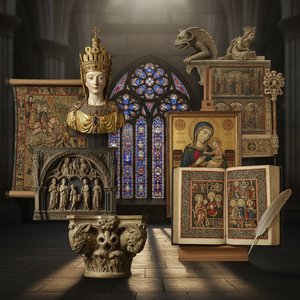
High Medieval Art: 10 Masterpieces That Shaped an Era | OriginalUniqueArt
Journey through High Medieval Art! Explore 10 iconic masterpieces – from Giotto's frescoes to stunning Gothic cathedrals. Discover the stories behind these timeless paintings, sculptures & illuminated manuscripts. Find museum-quality art reproductions at OriginalUniqueArt.com.

Mastering Charcoal: The Definitive Expert Guide to Capturing Profound Depth, Texture, and Shadow
Elevate your artistry with this definitive expert guide to mastering charcoal. Designed for art students, learn professional techniques for capturing profound depth, intricate textures, and dramatic shadows through advanced blending and chiaroscuro methods.

Mastering the Line: A Comprehensive Expert Guide to Technical Precision and Expressive Depth in Drawing
Elevate your artistic practice with this expert guide to mastering the line. Discover advanced techniques in graphite, charcoal, and contour drawing designed for art students seeking technical precision and expressive depth in their fine art studies.