

 Vezi în context
 Trimite
 Distribuie
 Detalii

 Descarcă
 Produse similare
 Radiografie
 Diaporama
 Statistici
Granida and Diafilo


 Citește mai mult
Achiziționați o imagine digitală de înaltă rezoluție, îmbunătățită, mult superioară previzualizării online.
Fiecare fișier este pregătit cu meticulozitate de specialiștii noștri interni, utilizând instrumente avansate și retușare manuală expertă. Ne asigurăm că fiecare imagine beneficiază de o claritate excepțională, o acuratețe precisă a culorilor și detalii fine.
Fișierul final este livrat prin e-mail în termen de 72 de ore, optimizat pentru utilizare imediată în medii profesionale, editoriale și de imprimare. Aceasta este aceeași calitate în care au încredere studiouri de design, edituri și galerii de top.
Imagine Digitală
Descărcați un fișier la rezoluție înaltă pentru afișare personală, imprimare și proiecte creative. ( Comută pe versiunea Print Comandă pictură realizată manual)
Inclus în fiecare comandă de imagini digitale
Livrare digitală de expertiză, garantată
Când alegeți OriginalUniqueArt.com, nu primiți doar o simplă imagine – primiți o operă de artă digitală îmbunătățită profesional, creată cu precizie și susținută de o garanție de satisfacție. Iată tot ceea ce primești odată cu comanda ta, în mod automat:

Livrare rapidă prin e-mail
Fișierul imaginii digitale la rezoluție înaltă vă va fi trimis prin e-mail în termen de 72 de ore de la finalizarea comenzii – gata pentru utilizare imediată.

Fișier digital optimizat prin IA
Opera ta de artă este optimizată profesional prin intermediul unor instrumente AI avansate și al editării manuale, asigurând un nivel maxim de detalii, claritate și acuratețe a culorilor.

Retransmitere gratuită pe viață
Ai șters sau ai pierdut din greșeală fișierul? Nu îți face griji – ți-l vom retrimite oricând, gratuit.

Fără taxe de import – Întotdeauna
Bucură-te instant de noua ta operă de artă, fără taxe vamale, taxe de import sau costuri de livrare – descărcările digitale sunt întotdeauna fără taxe.

Garanția fidelității culorilor
Asigurăm o reflectare cât mai fidelă a culorilor originale în imaginea ta digitală, prin utilizarea unor instrumente profesionale și a proceselor de gestionare a culorii.

Garanție de satisfacție de 100 de zile
Dacă nu sunteți mulțumit de imaginea digitală achiziționată, o vom revizui sau vă vom returna 100% în termen de 100 de zile – fără nicio întrebare.

Garanție de returnare 100% a banilor
Nu ești mulțumit? Primești rambursarea integrală în termen de 100 de zile de la primirea fișierului digital – fără nicio întrebare.

Reduceri pentru comenzi în volum
Cumpără 3 imagini, economisește 10% - Cumpără 5, economisește 15% - Cumpără 10+, economisește 20%. Ideal pentru proiecte creative, galerii și agenții.
A Tender Encounter in the Golden Glow of the Baroque
In the delicate interplay of light and shadow, Pieter van der Werff’s 1711 masterpiece, Granida and Diafilo, invites the viewer into a world of profound intimacy and pastoral romance. This exquisite painting captures a fleeting, breathless moment between two lovers, set against a backdrop that feels both timeless and deeply atmospheric. The composition centers on a seated figure, draped in rich, crimson fabrics that command attention, gently offering a small token—perhaps a flower or an apple—to her reclining companion. As the light of a setting sun or rising dawn washes over the scene, it illuminates the soft textures of skin and silk, creating a sense of palpable warmth. The figures are nestled within a lush, natural sanctuary where the foliage breathes with life, and the sky transitions through a dreamlike spectrum of azure and amber, evoking the quiet magic of a twilight encounter.
The artistry of Van der Werff is on full display through his masterful command of the Baroque style, characterized by a refined realism that borders on the porcelain. Unlike the more rugged textures found in some of his contemporaries, Van der Werff’s technique is marked by an extraordinary smoothness and meticulous attention to detail. Every fold of the heavy red drapery, every strand of hair, and the subtle luminosity of the figures' complexions are rendered with a precision that suggests a deep reverence for classical beauty. This smooth, almost enamel-like finish allows light to dance across the surface of the canvas, lending a three-dimensional volume to the bodies and a lifelike vitality to the surrounding landscape. For the discerning collector or interior designer, this level of technical sophistication offers a centerpiece that radiates elegance and a sense of historical prestige.
Symbolism and the Language of Courtly Love
Beyond its visual splendor, Granida and Diafilo serves as a narrative window into the themes of courtship and destiny. The title itself points toward a legendary tale of pastoral romance, where characters often represent the purity of emotion amidst the complexities of fate. The act of presenting a small object—a symbol of affection and a peace offering—acts as the emotional fulcrum of the piece, bridging the space between the seated and reclining figures. This gesture, combined with the soft, adoring gaze of Diafilo, speaks to the universal language of devotion. The setting, a secluded grove at the edge of day and night, symbolizes a liminal space where the boundaries between the human heart and the natural world dissolve, making the painting not just a depiction of a story, but an exploration of the very essence of romantic longing.
For those looking to integrate such a profound work into a curated space, this reproduction offers more than mere decoration; it provides an emotional anchor. The painting’s ability to evoke nostalgia and tranquility makes it an ideal choice for sophisticated living areas or quiet study retreats. It carries with it the weight of the Dutch Golden Age's refined sensibilities, bringing a touch of 18th-century courtly grace into the modern home. Whether viewed as a triumph of light and color or as a poetic meditation on love, Van der Werff’s work remains a captivating testament to the enduring power of classical storytelling through art.
Biografie artist
A Refined Vision of the Dutch Golden Age: Pieter van der Werff
Pieter van der Werff, a name perhaps less immediately recognized than those of Rembrandt or Vermeer, nevertheless occupies a significant and fascinating niche within the pantheon of Dutch Golden Age painters. Born in The Hague in 1665 and passing away in Rotterdam in 1722, his career unfolded during a period of immense artistic flourishing in the Netherlands, yet he carved out a distinctive style characterized by elegance, meticulous detail, and an early embrace of innovative pigments. His life was deeply intertwined with that of his brother, Adriaen van der Werff, who served as both mentor and foundational influence, shaping Pieter’s trajectory from its earliest stages. While Adriaen achieved considerable renown – even securing a prestigious position at the court of the Elector Palatine – Pieter established himself primarily in Rotterdam, becoming the favored portraitist of the city's affluent citizenry and leaving behind a legacy that offers invaluable insights into the social fabric and aesthetic sensibilities of his time.Early Life and Artistic Training
Pieter’s formative years were steeped in artistic tradition. Growing up alongside Adriaen van der Werff – a celebrated painter himself – instilled within him an unwavering dedication to mastering the craft of painting. Adriaen's influence extended beyond mere instruction; he fostered a profound appreciation for Baroque aesthetics and championed a commitment to realism, qualities that would become central to Pieter’s artistic philosophy. Recognizing his brother’s talent, Adriaen proactively nurtured Pieter’s abilities, ensuring he received comprehensive training in technique and composition. This familial bond proved instrumental in shaping Pieter's artistic development, propelling him toward excellence from the outset of his career. The brothers’ shared passion for art created an environment conducive to innovation and refinement—a crucible where Pieter’s distinctive style was forged.Style and Technique: Embracing Baroque Elegance
Pieter van der Werff’s artistic style is undeniably rooted in the Baroque movement, yet he tempered its grandeur with a distinctly Dutch sensibility. Like many artists of his era, he employed dramatic compositions, rich color palettes—particularly favoring hues like crimson and ochre—and heightened emotional intensity to convey profound narratives. However, unlike some contemporaries who succumbed to excessive ornamentation, Pieter prioritized meticulous detail and psychological nuance, achieving remarkable likenesses that captured not only physical appearance but also the inner character of his subjects. His portraits were meticulously crafted studies in observation, reflecting a deep understanding of human anatomy and expression. He skillfully utilized chiaroscuro—the dramatic interplay of light and shadow—to sculpt form and imbue his paintings with palpable atmosphere. This masterful technique distinguishes Pieter’s work from many others produced during the Golden Age, elevating it to a level of artistic sophistication rarely matched.Notable Works and Artistic Achievements
Pieter van der Werff's oeuvre encompasses a diverse range of subjects—portraits, mythological scenes, historical narratives, and genre paintings—demonstrating his versatility as an artist. Among his most celebrated achievements are “Expulsion of Adam and Eve,” a monumental depiction of biblical drama imbued with emotional fervor; “Granida and Diafilo,” a captivating portrayal of Greek mythology that showcases Pieter’s ability to convey complex emotions through visual storytelling; “Bubble Blowing,” a charming genre scene capturing the innocence and spontaneity of everyday life; and “Johan de Vries portrait,” an exquisite likeness reflecting Pieter's unparalleled skill in capturing psychological depth. These paintings stand as testament to his artistic prowess and underscore his enduring legacy within Dutch Baroque art history. His meticulous attention to detail—particularly evident in the rendering of fabrics, textures, and facial expressions—established him as one of the foremost portraitists of his time.The Pioneer’s Palette: Prussian Blue and Artistic Innovation
Pieter van der Werff's contribution to artistic innovation extends beyond stylistic considerations; he was among the first Dutch painters to embrace Prussian blue—a newly synthesized pigment—with unprecedented enthusiasm. Recognizing its transformative potential, he incorporated this vibrant hue into numerous canvases, elevating his paintings with luminosity and depth. This bold experimentation signaled a departure from conventional color palettes and cemented Pieter’s reputation as a visionary artist who dared to push boundaries. The use of Prussian blue not only enhanced the aesthetic impact of his works but also reflected a broader intellectual curiosity—a willingness to explore new artistic possibilities—that distinguished him from many of his peers. His pioneering spirit continues to inspire artists today, reminding us that true creativity lies in embracing innovation and challenging established norms.Legacy and Historical Significance
Pieter van der Werff’s enduring legacy resides not merely in the beauty of his paintings but also in their profound historical significance. He served as a visual recorder of Rotterdam's elite during the Golden Age, capturing portraits of prominent citizens—including Paulus Verschuur—and documenting significant events—such as visits by dignitaries like Peter the Great—with remarkable accuracy and sensitivity. His works offer invaluable insights into the social customs, fashions, and intellectual currents of his time, enriching our understanding of Dutch Baroque culture. Furthermore, Pieter’s artistic achievements stand as a beacon of excellence within the broader context of Dutch art history, securing his place among the most revered masters of his generation. His paintings continue to captivate audiences worldwide, demonstrating the timeless appeal of masterful technique and evocative storytelling—a testament to Pieter van der Werff's enduring contribution to the artistic heritage of the Netherlands.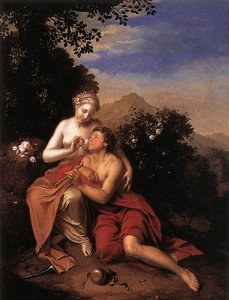
Pieter van der Werff
1665 - 1722 , Olanda
Informații esențiale
- Artistic Movement Or Style: Baroque
- Artists Who Influenced This Artist: Adriaen van der Werff
- Date Of Birth: 1665
- Date Of Death: 1722
- Full Name: Pieter van der Werff
- Nationality: Dutch
- Notable Artworks:
- Expuls Adam şi Eva
- Granida şi Diafilo
- Bellen blazen
- Place Of Birth: The Hague, Netherlands