

O Cronică a Viziunilor: Sufletul Moștenirii Artistice a Kölnului
Situat în inima istorică a orașului Köln, Muzeul Wallraf-Richartz & Fondation Corboud se ridică ca o mărturie profundă a puterii durabile a creativității umane și a patronajului privat. Este mult mai mult decât un simplu depozit de capodopere; este o călătorie imersivă prin însăși țesătura istoriei artei europene. De la adâncimile senine și spirituale ale Evului Mediu, până la experimentarea vibrantă și revoluționară a începutului de secol XX, muzeul oferă o narațiune continuă despre modul în care umanitatea a perceput frumusețea, divinitatea și sinele. Povestea acestei instituții este indisolubil legată de identitatea însăși a Kölnului — un oraș care a supraviețuit ascensiunii și prăbușirii imperiilor, rămânând totodată un păstrător neclintit al memoriei culturale. Fondat prin moștenirea lui Ferdinand Franz Wallraf și Johann Heinrich Richartz, muzeul servește drept o punte între epoci, invitând vizitatorii să fie martori la evoluția graduală a stilului, a gândirii și a emoției.
Arhitectura muzeului oferă un dialog imediat și izbitor între antichitate și modernitate. Proiectată de Oswald Mathias Ungers și inaugurată în anul 2001, structura evită intenționat estetica tradițională și greoaie a muzeelor, alegând în schimb linii moderne, curate și spații expansive, contemplative. Totuși, sub pielea sa contemporană se ascunde o conexiune profundă cu lumea antică; muzeul este construit pe fundațiile templului roman din Köln dedicat lui Marte, un memento subtil că chiar și cele mai moderne expresii artistice sunt înrădăcinate în straturile de istorie de sub picioarele noastre. Această sinteză arhitecturală creează o atmosferă în care austeritatea prezentului completează perfect bogăția trecutului, permițând artei să respire într-un spațiu care pare simult monumentat și intim.
De la Splendoarea Gotică la Măreția Barocului
A păși în galeriile muzeului înseamnă a intra într-o lume a detaliilor exquisite și a intensității dramatice. Colecția gotică rămâne bijuteria coroanei instituției, având ca punct central eterea Madona din Grădina de Trandafiri de Stefan Lochner. În această capodoperă, se regăsește o fuziune uluitoare de eleganță gotică și un realism flamand emergent, unde culorile luminoase și texturile meticuloase evocă un sentiment de grație divină. Utilizarea lapis lazuli măcinat în astfel de lucrări ne amintește de prețiozitatea artei în Evul Mediu, deoarece acești pigmenți călătoreau distanțe vaste pentru a ajunge în Köln. Această eră a devotamentului este îmbogățită și de altarele din Marea Biserică Sfântul Martin, care prezintă tranziția graduală către naturalism și o conexiune umană mai profundă cu divinul.
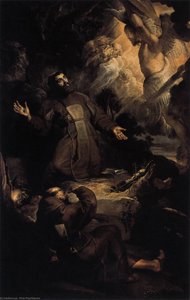
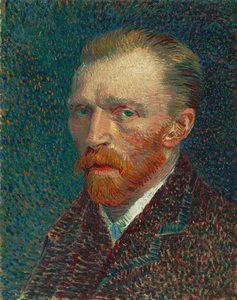
Pe măsură ce parcurgi galeriile, contemplarea liniștită a perioadei gotice cedează loc energiei teatrale a Barocului. Aici, muzeul dezvăluie amploarea pură a ambiției artistice. Operele lui Rubens, precum Io și Argus , radiază un sentiment palpabil de putere și senzualitate, utilizând o compoziție magistrală și o lumină dramatică pentru a captiva privitorul. Această eră a măreției este echilibrată de profunzimea psihologică găsită în autoportretele lui Rembrandt, unde utilizarea chiascurii invită la o privire introspectivă asupra sufletului artistului. Alături de acestea, realismul meticulos al lui Frans Hals surprinde emoția umană cu o sensibilitate care rămâne la fel de emoționantă astăzi precum era acum secole, oferind o fereastră către fascinația înfloritoare pentru identitate și teatralitate care a definit acea epocă.
Moștenirea Radiantă a Impressionismului
Călătoria prin timp culminează în lumina uluitoare a Fondation Corboud, unde muzeul îmbrățișează spiritul revoluționar al Impressionismului. Pășirea în aceste galerii este similară cu rătăcirea printr-pre o grădină inundată de soare sau cu o plimbare pe malul unui râu învăluit în ceață. Colecția celebrează grația delicată a unor artiști precum Berthe Morisot, a cărei operă Copil printre trandafiri sprijiniți surprinde momente trecătoare de inocență scăldate în lumina filtrată de soare. Această secțiune a muzeului este un triumf senzorial, concentrându-se pe pensulații fragmentate și nuanțe atmosferice care au deschis calea către arta modernă. Prezentând lucrări ale unor maeștri precum Monet, Manet, Renoir și Cézanne, muzeul oferă o concluzie radiantă arcului său istoric.
Ceea ce distinge cu adevărat Muzeul Wallraf-Richartz este această abordare holistică a experienței artistice. Acesta nu izolează pur și simplu mișcările în compartimente separate, ci le prezintă ca pe o evoluție continuă și vie a spiritului uman. Pentru iubitorul de artă, este un loc al descoperirii; pentru colecționar, o sursă de inspirație profundă; iar pentru designerul de interior, o lecție magistrală de culoare, textură și compoziție. Fie că explorezi expoziția curentă „Muzeul Muzeelor” sau că stai în fața unei Madone de secole vechi, fiecare vizitator pleacă cu o înțelegere mai profundă a sufletului artistic al Europei — o celebrare a creativității care rămâne la fel de vitală astăzi precum a fost la începuturile muzeului.