

 Previzualizare
 Trimite prin felicitare
 Distribuie
 Detalii despre lucrare
 Ghid
Ghid

 Descarcă imaginea
 Produse similare
 Radiografie
 Galerie foto
 Statistici
Catharsis

 Vezi mai mult
Achiziționați o imagine digitală de înaltă rezoluție, îmbunătățită, mult superioară previzualizării online.
Fiecare fișier este pregătit cu meticulozitate de specialiștii noștri interni, utilizând instrumente avansate și retușare manuală expertă. Ne asigurăm că fiecare imagine beneficiază de o claritate excepțională, o acuratețe precisă a culorilor și detalii fine.
Fișierul final este livrat prin e-mail în termen de 72 de ore, optimizat pentru utilizare imediată în medii profesionale, editoriale și de imprimare. Aceasta este aceeași calitate în care au încredere studiouri de design, edituri și galerii de top.
Imagine Digitală
Descărcați un fișier la rezoluție înaltă pentru afișare personală, imprimare și proiecte creative. ( Comută pe versiunea Print Comandă pictură realizată manual)
Inclus în fiecare comandă de imagini digitale
Livrare digitală de expertiză, garantată
Când alegeți OriginalUniqueArt.com, nu primiți doar o simplă imagine – primiți o operă de artă digitală îmbunătățită profesional, creată cu precizie și susținută de o garanție de satisfacție. Iată tot ceea ce primești odată cu comanda ta, în mod automat:

Livrare rapidă prin e-mail
Fișierul imaginii digitale la rezoluție înaltă vă va fi trimis prin e-mail în termen de 72 de ore de la finalizarea comenzii – gata pentru utilizare imediată.

Fișier digital optimizat prin IA
Opera ta de artă este optimizată profesional prin intermediul unor instrumente AI avansate și al editării manuale, asigurând un nivel maxim de detalii, claritate și acuratețe a culorilor.

Retransmitere gratuită pe viață
Ai șters sau ai pierdut din greșeală fișierul? Nu îți face griji – ți-l vom retrimite oricând, gratuit.

Fără taxe de import – Întotdeauna
Bucură-te instant de noua ta operă de artă, fără taxe vamale, taxe de import sau costuri de livrare – descărcările digitale sunt întotdeauna fără taxe.

Garanția acurateții culorilor
Asigurăm o reflectare cât mai fidelă a culorilor originale în imaginea ta digitală, prin utilizarea unor instrumente profesionale și a proceselor de gestionare a culorii.

Garanție de satisfacție de 100 de zile
Dacă nu sunteți mulțumit de imaginea digitală achiziționată, o vom revizui sau vă vom returna 100% în termen de 100 de zile – fără nicio întrebare.

Garanție de returnare 100% a banilor
Nu ești mulțumit? Primești rambursarea integrală în termen de 100 de zile de la primirea fișierului digital – fără nicio întrebare.

Reduceri pentru comenzi în volum
Cumpără 3 imagini, economisește 10% - Cumpără 5, economisește 15% - Cumpără 10+, economisește 20%. Ideal pentru proiecte creative, galerii și agenții.
The Artist's Vision
Jose Clemente Orozco was a prominent figure in the Mexican Mural Renaissance, along with Diego Rivera and David Alfaro Siqueiros. His work is characterized by its emphasis on social justice and its critique of modern society. In Catharsis, Orozco presents a dystopian vision of humanity, plagued by conflict, decay, and the dehumanizing effects of industrialization.Symbolism and Themes
The painting is rich in symbolism, with various motifs and themes that reflect the artist's concerns about the state of modern society. Some of the key elements include:- Conflict and violence: The scene depicts a violent struggle between two men, surrounded by chaos and destruction.
- Decay and social unrest: The painting shows a sense of decay and social unrest, with figures of prostitutes and other marginalized groups.
- Industrialization and technology: The presence of machines and industrial equipment serves as a commentary on the dehumanizing effects of modern technology.
The Museo del Palacio de Bellas Artes is a renowned cultural institution in Mexico City, featuring an extensive collection of Mexican art from the 19th and 20th centuries. To discover more about this museum and its collections, visit https://OriginalUniqueArt.com.
Întrebări și răspunsuri
La ce vârstă a creat José Clemente Orozco opera „Catharsis”?
José Clemente Orozco a creat "Catharsis" la vârsta de 51. Artistul s-a născut în 1883, iar lucrarea datează din 1934.
Unde pot vedea o previzualizare a unei reproduceri a operei "Catharsis" de José Clemente Orozco?
Pentru o previzualizare a unei reproduceri a operei "Catharsis" de José Clemente Orozco, accesați pagina de Previzualizare în spațiu a lucrării.
Care este situația drepturilor de autor pentru "Catharsis" de José Clemente Orozco?
Statutul drepturilor de autor pentru "Catharsis" - în domeniul public – drepturile de autor au expirat - este determinat de data decesului artistului, în anul 1949.
Biografie artist
José Clemente Orozco - A Life Forged in Revolution: The World of José Clemente Orozco
José Clemente Orozco, born November 23, 1883, in the small town of Zapotlán el Grande (now Ciudad Guzmán), Jalisco, Mexico, stands as a monumental figure in the pantheon of Mexican muralists. His life was inextricably linked to the tumultuous currents of his nation’s history—a period defined by revolution, social upheaval, and a fervent search for national identity. Orozco wasn't merely a painter; he was a visual chronicler of Mexico’s soul, translating its struggles, hopes, and contradictions onto vast canvases that continue to resonate with power today. From an early age, the vibrant yet often harsh realities of Mexican life captivated him. His initial artistic awakening occurred during his school years in Mexico City, where he became enthralled by the work of José Guadalupe Posada, a master engraver whose satirical depictions of death and daily life challenged societal norms. This exposure instilled in Orozco a commitment to art as a vehicle for social commentary—a principle that would define his entire career. A youthful accident, losing his left hand at seventeen while experimenting with explosives, did not deter him; instead, it seemed to fuel an even greater determination to overcome adversity and express himself through artistic creation.Early Life & Artistic Formation
Orozco’s formative years were marked by a profound engagement with Mexican culture and folklore. He absorbed the spirit of Posada's engravings—a rebellious defiance of convention coupled with a deep empathy for the marginalized—and this influence would permeate his entire oeuvre. Recognizing the importance of formal training, he enrolled at the Academy of San Carlos in 1906, where he encountered David Alfaro Siqueiros, another student who shared his passion for social realism and revolutionary ideals. This encounter proved pivotal, fostering a collaborative spirit that would characterize their artistic partnership throughout their careers. Despite facing significant obstacles—including the devastating loss of his left hand—Orozco persevered with unwavering dedication, demonstrating an extraordinary resilience and transforming physical impairment into a catalyst for creative innovation. His decision to abandon architectural studies in favor of painting was driven by a conviction that art offered a more potent means of addressing social injustices and shaping national consciousness.The Birth of Mexican Muralism & Orozco’s Distinct Voice
The eruption of the Mexican Revolution (1910-1920) unleashed an unprecedented surge of artistic expression across Mexico, fueled by aspirations to forge a uniquely Mexican aesthetic—one that honored indigenous heritage and confronted the nation's pressing challenges. Alongside Diego Rivera and Siqueiros, Orozco emerged as one of the “big three” muralists who spearheaded this movement, establishing a new paradigm for art practice as a tool for social transformation. Unlike Rivera’s optimistic portrayal of Mexico’s past and future, or Siqueiros’ dynamic celebration of revolutionary fervor, Orozco adopted a darker, more introspective approach—one that interrogated the psychological complexities of human experience and confronted the brutal realities of conflict. He rejected simplistic narratives in favor of allegorical representations that demanded careful contemplation, reflecting his profound understanding of symbolism and its capacity to convey nuanced meanings. His distinctive style—characterized by monumental scale, earthy palettes, and fragmented figures—became instantly recognizable and profoundly influential.Technique & Symbolism: A Language of Walls
Orozco’s mastery lay not only in his ability to capture emotional intensity but also in his groundbreaking utilization of fresco technique—a method that involved applying pigment directly onto wet plaster, resulting in durable murals capable of enduring for centuries. He meticulously studied the works of European masters like Gustave Moreau and Edvard Munch, absorbing their expressive techniques and exploring the psychological dimensions of art. His artistic vision was informed by a deep engagement with philosophical ideas—particularly those championed by Nietzsche—who questioned traditional morality and celebrated the affirmation of life in its totality. Recurring motifs—such as machines, skulls, and fragmented human figures—served as potent symbols within his murals, conveying themes of dehumanization, mortality, and psychological turmoil. These images weren’t merely decorative; they functioned as conduits for profound philosophical meditations on the human condition.Legacy & Enduring Impact
José Clemente Orozco's influence extends far beyond the confines of Mexico. His monumental murals—including *Omnisciencia*, *The Poor*, *Cortés & La Malinche*, and *Mexican Soldiers*—remain among the most iconic representations of Mexican history and culture, inspiring artists worldwide. He championed social realism as a means to confront societal injustices and elevate the artistic consciousness of his time. The Museo de las Artes Universidad Guadalajara houses a workshop-museum dedicated to preserving Orozco’s legacy—a testament to his unwavering commitment to artistic innovation and intellectual rigor. Artists like Gustavo Arias Murueta and Óscar Salas Moya acknowledge Orozco's profound impact on their own creative endeavors, demonstrating the enduring resonance of his vision. His work continues to provoke contemplation and inspire dialogue about fundamental questions concerning human existence—solidifying his place as one of Mexico’s most celebrated artistic figures.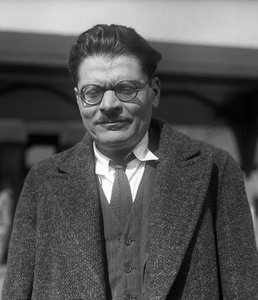
José Clemente Orozco
1883 - 1949 , Mexic
Detalii rapide
- Artistic Movement Or Style: Muralismo mexicano
- Artists Or Movements Influenced By This Artist: ['Diego Rivera']
- Artists Who Influenced This Artist: ['José Guadalupe Posada']
- Date Of Birth: November 23, 1883
- Date Of Death: September 7, 1949
- Full Name: José Clemente Orozco
- Nationality: Mexicano
- Notable Artworks:
- Omnisciencia
- Cortés & La Malinche
- Place Of Birth: Ciudad Guzmán, México