Visualizar na parede
 Compartilhar
 Compartilhar
 Detalhes
 Guia
Guia

 Baixar imagem
 Semelhantes
 Raio X
 Ver diaporama
 Perguntas e Respostas
 Estatísticas
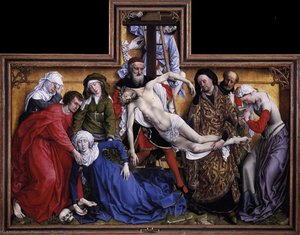
Deposição (detalhe)


 Ler mais
Giclée / Impressão de Arte
Impressão giclée ou em tela de qualidade de museu, com produção rápida e opções flexíveis de acabamento. ( Comprar pintura feita à mão Alternar para Imagem Digital)




P118B €10

P118H €10

P118W €10

P438Z €10

P508JH €12

P508YH €12

P805H €10

P805Z €10

P919BZ €10

P919G €10

P919XJ €10

P959ZH €10

P968JZ €12

W106C €8

W218G €10

W218JH €8

W218Y €10

W307PJ €10

W316G €10

W316PJ €8

W316Y €10

W398PJ €8

W4111J €10

W500HY €15

W500JH €15

W692G €12

W849H €8

W940BG €15

W953PJ €8




Escolha entre os nossos tamanhos pré-definidos que respeitam as proporções originais da obra de arte.

Insira a largura e a altura desejadas para se ajustarem à sua moldura ou parede. Uma impressão pode ser apenas cortada, nunca ampliada além da imagem original; portanto, um tamanho com proporções diferentes resultará na perda de parte da imagem. Enviamos uma maquete digital para sua aprovação antes de realizarmos a impressão. A imagem exibida nesta página não mostra o corte real — apenas a maquete o faz.
Entrega mundial () em 2 semanas, em vez das 4/5 semanas padrão. (6 Novembro)

Envio expresso gratuito para todo o mundo

Tela de Linho de Alta Qualidade

Seguro de transporte completo

Garantia de Reembolso de Impostos Alfandegários

Garantia de Fidelidade Cromática

Política de Devolução em 100 Dias (Apenas para Defeitos)

Garantia de reembolso de 100%

Oferta de desconto por quantidade
 A opção de vidro está disponível apenas para tamanhos inferiores a 110 cm

Deposição (detalhe)
Giclée / Impressão de Arte
Tamanho da Reprodução
-


Preço Total
€ 72
A Descensão da Cruz de Rogier van der Weyden: Uma Obra-Prima de Emoção e Detalhe
A obra A Descensão da Cruz, de Rogier van der Weyden, concluída por volta de 1435, posiciona-se como, indiscutivelmente, a pintura flamenga mais influente retratando a crucificação de Cristo — um testemunho de sua habilidade inigualável em capturar emoções profundas e um realismo meticuloso. Encomendado pela guilda Leuven Schutterij, este painel monumental transcende a mera representação; ele encarna uma meditação teológica profundamente ponderada sobre o sofrimento e a redenção.
- Tema: A pintura retrata o corpo sem vida de Cristo sendo baixado da cruz por José de Arimateia e Nicodemos — uma cena relatada nos Evangelhos como central para a narrativa da Paixência.
- Estilo e Técnica: O estilo de Van der Weyden é caracterizado por uma qualidade escultural, alcançada através de uma modelagem minuciosa da carne, das dobras dos tecidos e das expressões faciais. Ele utilizou tinta a óleo sobre painel de carvalho, empregando técnicas de veladura que criaram superfícies luminosas e intensificaram a profundidade textural — uma abordagem revolucionária para sua época em comparação com a pintura em têmpera.
- Contexto Histórico: Pintada durante o Renascimento Flamengo Inicial, A Descensão da Cruz reflete a fascinação humanista pela anatomia e pelo naturalismo, ao lado de uma fervorosa devoção à iconografia cristã. A obra exemplifica o fervor artístico da crescente cultura cívica de Leuven e ressalta a importância do mecenato religioso na moldagem da produção artística.
- Simbolismo: A própria composição é carregada de significado simbólico. O formato em "T" do corpo de Cristo ecoa a crucificação, enquanto o posicionamento cuidadoso das figuras — particularmente de Nicodemos — sugere contemplação e pesar. O crânio na base simboliza a mortalidade e serve como um lembrete pungente do sacrifício de Cristo para a salvação da humanidade.
- Impacto Emocional: Erwin Panofsky descreveu famosamente A Descensão da Cruz como o "epítome daquilo que os italianos mais admiravam na pintura flamenga inicial: brilho pictórico e sentimento". De fato, os rostos expressivos da pintura — particularmente os de Maria Madalena e Nicodemos — capturam um sentido palpável de luto e compaixão. A renderização magistral da emoção por Van der Weyden eleva a obra além do mero espetáculo visual, transformando-a em uma meditação profundamente comovente sobre a fé e o sofrimento humano.
Pesquisas adicionais sugerem conexões com Giovanni Antonio da Brescia, um influente gravador do Renascimento italiano cujas gravuras espelhavam as inovações estilísticas de Van der Weyden — um testemunho do intercâmbio intercultural de ideias artísticas durante este período transformador.
Explore a beleza profunda e a ressonância emocional de A Descensão da Cruz, de Rogier van der Weyden, através de uma reprodução de alta qualidade em OriginalUniqueArt.com.
Perguntas e Respostas
Em que parte da casa uma reprodução de "Deposição (detalhe)" ficaria bem?
Uma reprodução de "Deposição (detalhe)" fica muito bem em um(a) Sala de Estar.
As cores de "Deposição (detalhe)", de Rogier van der Weyden são saturadas ou suaves?
"Deposição (detalhe)", de Rogier van der Weyden apresenta uma saturação de Suave e equilibrada.
Posso examinar "Deposição (detalhe)" com mais detalhes?
A visualização em Raio-X de "Deposição (detalhe)", de Rogier van der Weyden está disponível na página Raio X da obra: um exame interativo da imagem através de onze camadas ópticas.
Biografia do Artista
A Master of Emotion: The Life and Legacy of Rogier van der Weyden
Rogier van der Weyden, a pivotal figure in the burgeoning world of Early Netherlandish painting, emerged from the vibrant city of Tournai around 1400. While details surrounding his early life remain somewhat shrouded in mystery, it’s believed he initially honed his skills not with brush and pigment alone, but as a goldsmith – a training that instilled within him an unwavering dedication to meticulous detail and a refined sensibility for craftsmanship, qualities that would become hallmarks of his artistic style. The precision demanded by working with precious metals undoubtedly translated into the exquisite rendering of textures, fabrics, and expressions that define his masterpieces. He wasn’t merely depicting reality; he was recreating it with painstaking accuracy, imbued with an almost reverent attention to detail.From Tournai to Brussels: A Rising Star
By 1427, van der Weyden had ascended to the rank of master within the Guild of Saint Luke in Tournai – a significant turning point that solidified his position as a professional artist and opened doors to important commissions. His ascent continued when he entered the service of Philip the Good, Duke of Burgundy, in 1435 – a patronage that would profoundly shape his career for the remainder of his life. Serving as court painter afforded him not only financial security but also access to an elite circle of influence and exposure to some of the most discerning eyes of the era. It was during this period that van der Weyden’s artistic vision truly began to mature, moving away from the somewhat rigid conventions of earlier Netherlandish painters towards a more emotionally resonant and naturalistic approach. He wasn't simply painting religious scenes; he was striving to evoke genuine feeling in the viewer, to create an experience that transcended mere observation.The Language of Feeling: Style and Technique
Rogier van der Weyden’s artistic signature is immediately recognizable through several defining characteristics. His palette was remarkably rich and diverse, a vibrant tapestry of colors carefully chosen to avoid repetition and create depth and complexity within his compositions. He possessed an extraordinary ability to convey profound emotion – *pathos* – particularly in depictions of religious subjects like the Lamentation, where grief and sorrow are palpable. This emotional intensity wasn’t achieved through dramatic gestures or exaggerated expressions; rather, it was subtly woven into the very fabric of the painting, conveyed through delicate nuances of facial expression, body language, and composition. His figures, while adhering to the conventions of the time, demonstrate a growing interest in realistic representation – not just in anatomy and drapery, but also in capturing the psychological states of his subjects. They possess a dignified, almost sculptural quality, particularly evident in his grand triptychs, lending them an air of solemnity and reverence. He masterfully employed oil paint, building up layers of translucent glazes to achieve luminous effects and create a sense of depth and realism that was revolutionary for its time.Notable Works and Enduring Masterpieces
Throughout his prolific career, van der Weyden produced numerous works that stand as testaments to his artistic prowess. *St Luke Drawing a Portrait of the Madonna*, housed in the Museum of Fine Arts, Boston, showcases his mastery of oil on panel and meticulous observation. The *Lamentation*, residing in the Musée des Beaux-Arts Tournai, Belgium, is perhaps his most celebrated work – a powerfully emotive depiction of Christ’s mourning, renowned for its dramatic use of *chiaroscuro* and its ability to evoke profound sorrow in the viewer. Multiple versions of *The Deposition* exist, each demonstrating his skill in conveying grief and drama with breathtaking sensitivity. The *Annunciation*, a masterpiece of refined style and attention to detail, exemplifies his ability to imbue even the most traditional subjects with a sense of freshness and vitality. And finally, the intricate and richly detailed *Bladelin Triptych* stands as a monumental achievement – a complex altarpiece that showcases the full range of van der Weyden’s artistic abilities. These works, and many others, continue to captivate audiences today, solidifying his position as one of the most important painters of the 15th century.Lasting Influence: A Legacy Forged in Paint
Van der Weyden’s influence extended far beyond the borders of his native Flanders. His works were highly sought after throughout Europe, particularly in Italy and Spain, where they introduced a new level of emotional depth and naturalism to local artistic traditions. Although his fame experienced a period of relative decline in the 17th century, a rediscovery during the 19th century cemented his place as one of the most important painters of the 15th century. He stands alongside Jan van Eyck and Robert Campin as one of the “three great” Early Flemish masters, each contributing uniquely to the development of Northern Renaissance art. His innovative techniques and emotionally charged compositions paved the way for future generations of artists, inspiring countless imitators and influencing the course of Western painting for centuries to come. He helped establish oil painting as the dominant medium and elevated the status of the artist within society, transforming them from skilled craftsmen into revered creators. Rogier van der Weyden’s legacy continues to resonate today, a testament to his enduring genius and his profound understanding of the human condition.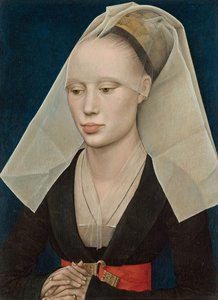
Rogier van der Weyden
1400 - 1464 , Bélgica
Dados Rápidos
- Artistic Movement Or Style: Pintura Flamenga
- Artists Or Movements Influenced By This Artist:
- Renascença Italiana
- Pintura Espanhola
- Artists Who Influenced This Artist:
- Campin
- Van Eyck
- Date Of Birth: c. 1400
- Date Of Death: 1464
- Full Name: Rogier van der Weyden
- Nationality: Beldica
- Notable Artworks:
- Lamentação
- Deposição
- Anunciação
- Triptique Bladelin
- Place Of Birth: Tournai, Bélgica
Artigos Relacionados

Os 10 Mestres da Pintura Primitiva Flamenga que Moldaram a Arte
Descubra os 10 quadros que revolucionaram a Pintura Primitiva Flamenga! Explore Jan van Eyck, Rogier van der Weyden e outros mestres renascentistas. Encontre reproduções de alta qualidade para decorar sua casa com arte atemporal em OriginalUniqueArt.com.

Renascimento Primitivo Flamenco: 10 Obras-Primas Essenciais para Decorar com Arte
Descubra as 10 obras-primas do Renascimento Primitivo Flamenco! Explore a arte de Jan van Eyck, Robert Campin e outros mestres. Reproduções de alta qualidade para decorar sua casa com beleza e história. Explore a coleção completa em OriginalUniqueArt.com

Rogier van der Weyden: Emotion, Innovation & the Early Netherlandish Renaissance
Explore the revolutionary art of Rogier van der Weyden, a pivotal figure of the Early Netherlandish Renaissance. Discover his emotional realism, innovative compositions, and lasting impact on painting history.

Rembrandt van Rijn: As 25 Obras-Primas que Definem um Mestre da Luz e Sombra | OriginalUniqueArt
Descubra as 25 obras-primas de Rembrandt van Rijn, o mestre da luz e sombra! Explore a história por trás de 'A Ronda Noturna', seus auto-retratos e muito mais. Encontre reproduções de arte exclusivas para decorar sua casa com OriginalUniqueArt.com.

Hugo van der Goes: Devotion, Innovation & the Psychological Depth of Early Netherlandish Painting
Explore the revolutionary art of Hugo van der Goes – a master of Early Netherlandish painting renowned for his dramatic realism, psychological depth & profound influence on Renaissance artists. Discover his iconic works and lasting legacy.