Visualizar na parede
 Compartilhar
 Compartilhar
 Detalhes
 Guia
Guia

 Baixar imagem
 Semelhantes
 Raio X
 Ver diaporama
 Perguntas e Respostas
 Estatísticas
A Madalena Lendo

- 62.0 x 55.0 cm


 Ler mais
Giclée / Impressão de Arte
Impressão giclée ou em tela de qualidade de museu, com produção rápida e opções flexíveis de acabamento. ( Comprar pintura feita à mão Alternar para Imagem Digital)




P118B €10

P118H €10

P118W €10

P438Z €10

P508JH €12

P508YH €12

P805H €10

P805Z €10

P919BZ €10

P919G €10

P919XJ €10

P959ZH €10

P968JZ €12

W106C €8

W218G €10

W218JH €8

W218Y €10

W307PJ €10

W316G €10

W316PJ €8

W316Y €10

W398PJ €8

W4111J €10

W500HY €15

W500JH €15

W692G €12

W849H €8

W940BG €15

W953PJ €8




Escolha entre os nossos tamanhos pré-definidos que respeitam as proporções originais da obra de arte.

Insira a largura e a altura desejadas para se ajustarem à sua moldura ou parede. Uma impressão pode ser apenas cortada, nunca ampliada além da imagem original; portanto, um tamanho com proporções diferentes resultará na perda de parte da imagem. Enviamos uma maquete digital para sua aprovação antes de realizarmos a impressão. A imagem exibida nesta página não mostra o corte real — apenas a maquete o faz.
Entrega mundial () em 2 semanas, em vez das 4/5 semanas padrão. (11 Novembro)

Envio expresso gratuito para todo o mundo

Tela de Linho de Alta Qualidade

Seguro de transporte completo

Garantia de Reembolso de Impostos Alfandegários

Garantia de Fidelidade Cromática

Política de Devolução em 100 Dias (Apenas para Defeitos)

Garantia de reembolso de 100%

Oferta de desconto por quantidade
 A opção de vidro está disponível apenas para tamanhos inferiores a 110 cm

A Madalena Lendo
Giclée / Impressão de Arte
Tamanho da Reprodução
-


Preço Total
€ 73
Uma Jornada à Alma Religiosa: A Magdalêne Lendo de Rogier van der Weyden
Rogier van der Weyden, um nome que ressoa na história da arte flamenga primitiva, é celebrado como um artista cuja obra transcende o mero retrato visual. Criado em 1445, “A Magdalêne Lendo” permanece uma pedra angular do cânone artístico ocidental – uma demonstração de precisão artística e profunda contemplação espiritual que continua a fascinar estudiosos e amantes da beleza até hoje.
Esta pintura extraordinária não apenas captura um momento específico no tempo, mas também revela os valores culturais e religiosos da época. Ambientada em um cenário interno iluminado pela luz suave de uma janela, a obra apresenta Mary Magdalene como uma figura central, envolvida na leitura de um livro – um gesto que simboliza uma busca incessante pelo conhecimento espiritual e pela introspecção moral, características marcantes do pensamento humanoístico florescente no século XV.
A Maestria Técnica: Uma Revolução na Pintura Flamenga
Van der Weyden revolucionou a expressão artística através da aplicação meticulosa da técnica do óleo sobre tela. Diferentemente da têmpera dominante na época anterior, o óleo proporcionava uma luminosidade incomparável e detalhes texturais excepcionais – um feito alcançado por meio de camadas sucessivas de pigmentos aplicados em diversas aplicações de óleo pintado. O artista demonstrou uma atenção obsessiva à textura do tecido, utilizando técnicas inovadoras para criar efeitos de luz e sombra que antes eram considerados impossíveis.
Cada pincelada é carregada de significado técnico: camadas finas de glazes de pigmentos sobrepostas cuidadosamente aplicadas revelam uma compreensão profunda da ciência dos materiais e uma habilidade impressionante na reprodução da realidade. Essa maestria técnica não apenas garante a beleza estética da obra, mas também permite que ela transmita emoções profundas ao espectador.
Simbolismo Religioso: Uma Linguagem Visual Poderosa
Além da beleza estética e da inovação técnica, “A Magdalêne Lendo” está repleta de simbolismo religioso. O jarro de unguento colocado aos pés da figura feminina é um emblema tradicional associado à Magdalêne – uma referência poderosa à sua função como ungüentista de Jesus Cristo, representando a purificação ritual e a compaixão como valores fundamentais na iconografia cristã.
A postura contemplativa da personagem, o olhar sereno e os delicados traços faciais são elementos que convidam o observador à reflexão sobre temas universais como fé, arrependimento e busca pela verdade espiritual. Esta obra permanece um testemunho eloquente do poder da arte para comunicar ideias complexas e despertar emoções profundas.
Um Legado Duradouro: A Magdalêne Lendo na História da Arte
“A Magdalêne Lendo” é considerada uma das obras mais importantes da pintura flamenga primitiva, influenciando artistas posteriores e estabelecendo novos padrões de beleza e expressão artística. Sua presença no Museu Nacional de Londres garante que sua mensagem espiritual continue a inspirar gerações futuras de amantes da arte e estudiosos da história.
Perguntas e Respostas
Onde posso baixar "A Madalena Lendo", de Rogier Van Der Weyden?
"A Madalena Lendo", de Rogier Van Der Weyden pode ser descarregado na página de Download da obra, como download de imagem digital em alta resolução.
Qual é a paleta de cores de "A Madalena Lendo"?
"A Madalena Lendo", de Rogier Van Der Weyden utiliza uma paleta de cores Tons terrosos. A paleta sintetiza o caráter cromático geral da obra.
"A Madalena Lendo", de Rogier Van Der Weyden é uma pintura, um desenho ou uma gravura?
"A Madalena Lendo" é uma obra de Arte de Parede.
Biografia do Artista
A Vida e a Identidade de Rogier Van Der Weyden
O nome Rogier Van Der Weyden emerge das paisagens linguísticas em constante mutação do século XV. Nascido em Tournai, um bispado que hoje integra a Bélgica, por volta de 1399 ou 1400, ele transitou por um mundo de identidades em evolução. Foi conhecido como Roger de la Pasture e Rogelet de le Pasture antes que o seu nome fosse traduzido para o neerlandês como Rogier van der Weyden. Esta transição reflete as complexas texturas sociais e regionais dos Países Baixos Borguinhões durante a sua vida.
A sua existência foi definida pela transição de um artesão para uma figura central da pintura flamenga primitiva. Ele navegou pelos círculos de alto prestígio da corte borguinhon, movendo-se entre os centros urbanos de Tournai e Bruxelas. A sua vida chegou ao fim a 18 de junho de 1464, deixando para trás um corpo de obras que redefiniu a capacidade de expressar a emoção humana na arte do Renascimento Nórdico, afastando-se da iconografia rígida em direção a uma realidade mais visceral e pulsante.
Vida Inicial, Família e Formação
Os alicerces da precisão de Rogier Van Der Weyden residem na oficina de um cuteloeiro. Seu pai, Henri de le Pasture, era um homem próspero que faleceu por volta de 1425-26. Ao lado de sua mãe, Agnes de Wattrélos — por vezes chamada de demoiselle Agnès de Waterlos — ele foi criado em um ambiente definido pelo artesanato meticuloso. Antes que o pincel se tornasse sua ferramenta primordial, é provável que Rogier tenha lapidado sua sensibilidade técnica como ourives. Essa imersão precoce na manipulação de metais preciosos instilou nele uma disciplina para o detalhe minucioso e um sentido refinado de textura que, mais tarde, viria a definir sua abordagem magistral na pintura a óleo.
Uma mudança decisiva em sua trajetória profissional ocorre no final da década de 1420. Em 5 de março de 1427, Rogier ingressou na oficina de Robert Campin como aprendiz. Este período marca sua transição da bancada do metalúrgico para o cavalete do pintor. Durante esses anos formativos, sua vida pessoal também floresceu; ele se casou com Elisabeth Goffaert entre 1426 e 1427, união da qual nasceram quatro filhos: Cornelius, Margaretha, Pieter e Jan.
Vida Profissional em Tournai e Bruxelas
A ascensão profissional de Rogier Van Der Weyden tem o seu ponto de partida em Tournai. Já em 1427, ele havia alcançado o prestigiado estatuto de mestre na Guilda de São Lucas, um patamar que lhe conferia a legitimidade legal e o prestígio social necessários para gerir uma oficina formal. O reconhecimento de sua maestria consolidou-se definitivamente em 1 de agosto de 1432, quando obteve o título oficial de Mestre Pintor, consolidando sua presença como uma figura de relevância incontornável na estrutura das guildas locais.
Com o tempo, o foco de sua atividade artística deslocou-se para Bruxelas. Em 2 de março de 1436, ele foi investido com o honroso título de pintor da cidade de Bruxelas, um cargo que ancorou sua carreira no coração político e administrativo da região. Rogier Van Der Weyden manteve uma presença vibrante e produtiva, operando oficinas ativas tanto em Tournai quanto em Bruxelas, coordenando a produção artística entre estes dois grandes centros urbanos. Por volta de 1443, sua influência na cidade expandiu-se ainda mais; ele passou a ocupar duas casas adjacentes na Rua de Ouro, situadas nas proximidades do Palácio de Coudenberg e da Câmara Municipal, estabelecendo um centro de criação no epicentro da vida urbana.
Patronos, Oficina e Encomendas
O sucesso consolida-se em 1435, quando Rogier Van Der Weyden entra ao serviço de Filipe, o Bom, Duque da Borgonha. Este prestigiado cargo assegura o seu estatuto junto à corte mais influente da Europa, fazendo com que a sua reputação transcenda as fronteiras dos Países Baixos. Aristocratas estrangeiros procuram o seu talento, enviando encomendas através de vastas distâncias para garantir a assinatura do seu estilo único. Foi um artista de imenso sucesso em vida, exercendo uma presença artística que ecoava até à Itália e à Espanha.
A sua oficina funcionava como um verdadeiro centro de excelência técnica e de instrução artística. Tendo sido discípulo de Robert Campin, Rogier Van Der Weyden perpetuou uma linhagem de precisão absoluta. Ele não se limitava a produzir obras; ele moldava a próxima geração de pintores. É neste seu universo que Hans Memling entra na sua órbita, aprendendo os métodos que viriam a definir a próxima era da arte do Norte. A oficina operava com um elevado grau de organização profissional, gerindo com mestria as exigências tanto de líderes civis como de patronos privados.
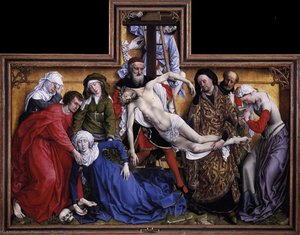
- Deposição (c. 1435)
- São Lucas Pintando um Retrato da Madona (c. 1435)
- A Anunciação (c. 1440)
- Retábulo dos Sete Sacramentos (1445)
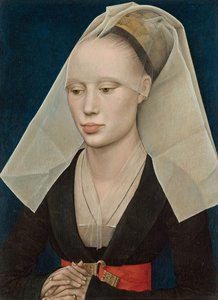
- Retrato de uma Dama (c. 1460)
Técnica e Estilo Artístico
O pincel move-se com a precisão de um ourives. Trabalhando a partir de modelos vivos, Rogier Van Der Weyden captura o mundo físico com um realismo meticuloso e detalhado. Ele não se limita a replicar um rosto; ele esculpe-o. Embora as suas observações sejam aguçadas, ele frequentemente idealiza certas características faciais, refinando o retratado numa versão de si mesmo que possui uma certa elegância gótica. Esta tensão entre o real e o ideal define a sua abordagem à forma humana.
Luz e sombra atuam como ferramentas de profundidade psicológica. Na sua retratística, ele utiliza planos escuros para isolar o sujeito, forçando o olhar do espectador para o rosto e as mãos. Esta técnica elimina distrações. Ele constrói as suas imagens através da aplicação cuidadosa da tinta a óleo, sobrepondo camadas de vernizes translúcidos para alcançar efeitos luminosos e uma sensação de profundidade profunda. A sua paleta é expansiva, utilizando uma gama de cores extraordinariamente ampla e tons variados para garantir que nenhuma área de uma tela seja idêntica em matiz. Esta variedade cria uma sensação de espaço vivo, que respira.
A emoção não é um elemento secundário; ela está integrada na própria anatomia das suas composições. Ele alcança um sentido de *pathos* expressivo através de gestos subtis e da qualidade pesada e escultural dos drapeados. Em cenas de intenso sofrimento, a dor é palpável na inclinação de uma cabeça ou na tensão de uma mão. O domínio técnico do seu meio permite que esta emoção seja sentida de forma visceral, em vez de ser meramente simbólica.
Obras-Primas e Legado Imortal
O peso emocional da obra de Rogier Van Der Weyden gravita, frequentemente, em torno da dor profunda da Paixão. Na Lamentação, preservada no Musée des Beaux-Arts em Tournai, na Bélgica, a tristeza é quase palpável, transcendendo a tela para tocar a alma do observador. Essa intensidade encontra um paralelo na Deposição, uma pintura em painel datada de cerca de 1435. Em uma linha de tensão dramática semelhante, o Descendimentos da Cruz, no Museo del Prado, em Madri, captura o mesmo desespero contido. Estas obras não se limitam a retratar eventos religiosos; elas traduzem o sofrimento humano em uma linguagem visual composta por dobras pesadas de tecidos e gestos profundamente expressivos.
A precisão técnica do mestre estende-se até as encomendas mais íntimas e complexas. A Anunciação exibe um estilo refinado, enquanto o Tríptico Bladelin apresenta uma composição intrincada e meticulosa. Em 1445, ele concluiu o Retábulo dos Sete Sacramentos, uma obra de grande escala que articula verdades teológicas complexas através de uma narrativa visual poderosa. Mesmo em cenas menores e mais contemplativas, o detalhamento permanece aguçado. A Madalena Lendo, também de 1445, foca na quietude da reflexão espiritual, enquanto a Virgem e o Menino no Museum of Fine Arts, em Houston, captura um momento terno e profundamente humano entre mãe e filho.
- A Deposição, c. 1435
- A Madalena Lendo, 1445
- O Retábulo dos Sete Sacramentos, 1445
Legado e Influência na Arte
Rogier Van Der Weyden ocupa uma posição central na história da arte do Renascimento Nórdico. Ele é reconhecido ao lado de Jan van Eyck e Robert Campin como um dos três grandes mestres flamengos do início do período. Seu alcance estende-se muito além das fronteiras dos Países Baixos; seus painéis viajam por toda a Europa, encontrando uma alta demanda na Itália e na Espanha. Essa presença internacional garante que suas inovações estilísticas reverberem através de diversas tradições artísticas.
O impacto de sua obra é visível na evolução da pintura europeia. Seus avanços técnicos e sua abordagem específica em relação à emoção humana influenciaram uma linhagem de artistas significativos, incluindo Antonello da Messina, Albrecht Durer e Martin Schongauer. Ao afastar-se da iconografia rígida em direção a um naturalismo mais visceral, ele proporcionou uma nova linguagem visual para a representação da condição humana. Seus métodos quanto ao uso da pintura a óleo e à renderização da profundidade psicológica abriram caminho para as gerações subsequentes de pintores.
Onde Ver Suas Obras Hoje
A presença de Rogier Van Der Weyden nas coleções modernas atravessa os principais centros culturais da Europa e das Américas. Em Madrid, o Museo del Prado abriga peças de enorme importância, incluindo a Deposição de 1435. A National Gallery, em Londres, preserva suas pinturas, como a obra A Madalena Lendo, de 1445. Do outro lado do canal, o Musée du Louvre, em Paris, guarda sua arte, enquanto o Metropolitan Museum of Art, em Nova York, mantém uma seleção de seus trabalhos. Em Bruxelas, os Museus Reais de Belas-Artes acolhem suas pinturas, preservando a linguagem visual que ele ajudou a estabelecer nos Países Baixos.
O alcance de sua influência estende-se até os grandes museus estatais da Alemanha e da Áustria. O Staatliche Museen, em Berlim, detém diversas obras, incluindo detalhes do Retábulo de Miraflores de 1445. Em Viena, o Kunsthistorisches Museum mantém suas pinturas, garantindo que sua precisão técnica permaneça acessível tanto a estudiosos quanto ao público em geral. Estas instituições atuam como os principais repositórios de sua produção sobrevivente, onde as texturas específicas das veladuras a óleo e a qualidade escultural de suas figuras permanecem visíveis ao olhar moderno.
- 1435: Deposição - Museo del Prado, Madrid
- 1445: A Madalena Lendo - National Gallery, Londres
- 1445: Retábulo dos Sete Sacramentos - Koninklijk Museum voor Schone Kunsten, Antuérpia
Rogier Van Der Weyden
1400 - 1464 , Bélgica
Dados Rápidos
- Artistic Movement Or Style: Arte flamenga primitiva
- Artists Or Movements Influenced By This Artist: ['Pintura ocidental']
- Date Of Birth: 1400
- Date Of Death: 1464
- Full Name: Rogier Van Der Weyden
- Nationality: Belga
- Notable Artworks:
- São Lucas desenhando um retrato da Madona
- A Lamentação
- A Deposição
- A Anunciação
- Tríptico Bladelin
- Place Of Birth: Tournai, Bélgica
Artigos Relacionados

Master of Emotion: The 25 Greatest Artworks by Rogier van der Weyden
Immerse yourself in the profound emotion of Rogier van der Weyden. Explore 25 iconic Early Netherlandish masterpieces, from intricate textures to divine pathos. Find museum-quality art reproductions and timeless decor inspiration. Discover all masterpieces on OriginalUniqueArt.com.

Master of Emotion: The 25 Greatest Artworks by Rogier van der Weyden
Immerse yourself in the profound emotion of Rogier van der Weyden. Explore 25 iconic Early Netherlandish masterpieces, from intricate textures to divine pathos. Find inspiration for museum-quality art reproductions and decor. Discover all masterpieces on OriginalUniqueArt.com.

Master of Emotion: The 25 Greatest Artworks by Rogier van der Weyden
Explore 25 emotive masterpieces by Rogier van der Weyden. Discover the soul of Netherlandish art on OriginalUniqueArt.com.

Master of Emotion: The 25 Greatest Artworks by Rogier van der Weyden
Immerse yourself in the profound emotion of Rogier van der Weyden’s greatest works. Explore 25 iconic Northern Renaissance masterpieces, from intricate textures to divine pathos. Find museum-quality art reproductions and decor inspiration. Discover all masterpieces on OriginalUniqueArt.com.

25 Masterpieces by Rogier van der Weyden: The Pinnacle of Emotional Art
Immerse yourself in the profound emotion of Rogier van der Weyden’s greatest works. From Northern Renaissance mastery to exquisite textures, explore 25 iconic Flemish paintings and find museum-quality reproductions for your collection. Discover all masterpieces on OriginalUniqueArt.com.