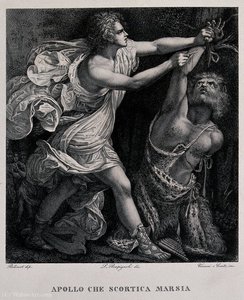
Portret Giovanni Biliverti

13 najsłynniejszych obrazów artysty Giovanni Biliverti, każdy niepowtarzalny

Aktualizacja: Listopad 2026 · ranking według naszego wskaźnika popularności (liczba wyszukiwań, wizyt i zamówień dla każdego dzieła) · 13 dzieł Giovanni Biliverti w naszym katalogu

W skrócie

Tobias's Farewell to the Angel - Świątobliwego Tobiasza i Archanioła Benedykta (1610) to obraz autorstwa Giovanni Biliverti, który przyciąga najwięcej spojrzeń; oryginał znajduje się w Ermitaż, Sankt Petersburg. Następnie wzrok kieruje się na The Holy Family (1644) i Ritter in schwarzer Rüstung und bekleidete Frau, in d. Hand einen Ring (1601). Spośród 13 dzieł Giovanni Biliverti w naszym katalogu, tych 13 jest najbardziej znanych – każde z nich to unikatowy oryginał, przedstawiony wraz z rokiem powstania, muzeum oraz powodem, dla którego przetrwało próbę czasu.

1585 – 1644, Florence Baroque Najwięcej dzieł: Ermitaż

10 najlepszych obrazów autorstwa Giovanni Biliverti według oka galerii

1
Tobias's Farewell to the Angel - Świątobliwego Tobiasza i Archanioła Benedykta (1610) autorstwa Giovanni Biliverti

Tobias's Farewell to the Angel - Świątobliwego Tobiasza i Archanioła Benedykta

1610 · Obraz olejny na płótnie · Ermitaż, Sankt Petersburg

Giovanni Biliverti (1585 – 1644), floreński malarz pochodzący z Maastricht, pozostawił po sobie bogate dziedzictwo twórczości Mannerysty i początków Baroku. Jego kariera rozpoczęła się w Delft, gdzie uczył się pod okiem ojca Giacomo Giovanni Biliverti – samego doświadczonego malarza i złotnika – przed przeniesieniem się do Florencji, szukając patronatu i możliwości rozwoju artystycznego.

2
The Holy Family (1644) autorstwa Giovanni Biliverti

The Holy Family

1644 · Oil On Canvas · Statens Museum for Kunst, Kopenhaga

In this 1644 oil on canvas, a group of figures is arranged within a circular composition, creating a sense of enclosure and unity. The figures are positioned closely together, their limbs and garments overlapping to form a tight, central cluster. A soft, directional light source illuminates the scene from the side, casting the background into deep shadow while highlighting the pale skin and the folds of the fabric. The central…

3
Ritter in schwarzer Rüstung und bekleidete Frau, in d. Hand einen Ring (1601) autorstwa Giovanni Biliverti

Ritter in schwarzer Rüstung und bekleidete Frau, in d. Hand einen Ring

1601 · Oil

In Ritter in schwarzer Rüstung und bekleidete Frau, in d. Hand einen Ring, Giovanni Biliverti organizes the scene around two primary figures. On the left, a knight clad in detailed, dark plate armor leans forward in a dynamic, slightly hunched posture. His movement directs the viewer's attention toward the right side of the canvas. There, a nude woman sits upon a rocky outcrop, her back partially turned toward the viewer…

4
Isabella of Aragon at the Feet of Charles VIII (1628) autorstwa Giovanni Biliverti

Isabella of Aragon at the Feet of Charles VIII

1628 · Oil On Canvas

The oil painting titled Isabella of Aragon at the Feet of Charles VIII was executed by the artist Giovanni Biliverti. Created about 1628, this work presents a historical or allegorical scene. The subject matter involves figures dressed in regal attire, positioned within a dark and theatrical setting. The composition focuses on the interaction between three primary figures, establishing a sense of movement and emotional tension through their specific arrangement.

5
The Temptation of Charles and Ubalde (1629) autorstwa Giovanni Biliverti

The Temptation of Charles and Ubalde

1629 · Oil · Luwr, Paryż

In the evocative masterpiece The Temptation of Charles and Ubalde, Giovanni Bilivert invites the viewer into a world where the boundaries between virtue and vice blur amidst a lush, untamed landscape. This captivating work serves as a profound testament to the transitional era of the early 17th century, capturing the precise moment when the structured elegance of Mannerism began to yield to the dramatic, emotive power of the Baroque. The…

6
Allegory of Meekness autorstwa Giovanni Biliverti

Allegory of Meekness

Oil · Kunsthistorisches Museum, Wiedeń

A young woman leans forward, her weight shifting toward a small lamb. She cradles the animal against her chest, her arms forming a soft circle around its fleece. The scene is tight, a close-up portrait that pulls the viewer into a shallow space where only this connection exists. Her reddish-brown hair falls in fluid locks, framing a face illuminated by a diffused light. This light catches the curve of her…

7
sant'elena who leads the excavations for the discovery of the Holy Cross autorstwa Giovanni Biliverti

sant'elena who leads the excavations for the discovery of the Holy Cross

Oil

A crown rests upon the head of a woman, marking her status amidst the dust of excavation. She moves through a crowd of figures, her hands reaching toward the sacred relic that has been unearthed. The scene is thick with the presence of others, some pressing close to the center of the action while others linger in the periphery. Two birds occupy the space, one near the upper corner and…

8
The Archangel Raphael Refusing Tobias's Gift (1612) autorstwa Giovanni Biliverti

The Archangel Raphael Refusing Tobias's Gift

1612 · Oil On Canvas · Ermitaż, Sankt Petersburg

We are looking at The Archangel Raphael Refusing Tobias's Gift, a significant oil on canvas created by Giovanni Biliverti. This work dates to 1612, a period when the artist was establishing his presence within the Florentine artistic landscape. The painting captures a moment of profound spiritual interaction, rendered with the technical precision characteristic of Biliverti's hand.

9
Angelica Hides from Ruggiero (1623) autorstwa Giovanni Biliverti

Angelica Hides from Ruggiero

1623 · Oil On Canvas

In a forest glade overlooking the sea of Brittany, a dramatic tension unfolds between two figures. Ruggiero, a knight caught in the throes of sudden passion, struggles with his armor, his movements clumsy and hurried as he attempts to disrobe. He is unaware that the woman, Angelica, is already preparing to vanish. She holds a magic ring, a small object capable of rendering her invisible, providing her only means of…

10
Hagar in the Desert autorstwa Giovanni Biliverti

Hagar in the Desert

Oil On Canvas · Ermitaż, Sankt Petersburg

A winged figure descends from the upper left, creating a sharp diagonal against the seated woman on the right. This composition directs the viewer's eye through a landscape of deep ochre and crimson drapery. The scene captures a moment of spiritual encounter, where the celestial meets the earthly within a wild, naturalistic setting. Light falls heavily upon the figures, utilizing chiaroscuro to pull them from a shadowed, muted background of…

Słynne obrazy artysty Giovanni Biliverti, od 11 do 13

Tematy, które przyciągnęły wzrok Giovanni Biliverti

Cztery motywy najczęściej powracające w tych oryginałach, z których każdy doczekał się swojego najdoskonalszego przykładu.

Muzea przechowujące oryginały Giovanni Biliverti

6 muzeów, w których znajduje się najwięcej obrazów z tej strony.

Muzea Miasto Dzieła artysty Giovanni Biliverti Obrazy z tej listy
Ermitaż, Sankt PetersburgErmitaż Sankt Petersburg 3 Tobias's Farewell to the Angel - Świątobliwego Tobiasza i Archanioła Benedykta, The Archangel Raphael Refusing Tobias's Gift, Hagar in the Desert
Statens Museum for Kunst, KopenhagaStatens Museum for Kunst Kopenhaga 1 The Holy Family
Luwr, ParyżLuwr Paryż 1 The Temptation of Charles and Ubalde
Kunsthistorisches Museum, WiedeńKunsthistorisches Museum Wiedeń 1 Allegory of Meekness
Bawarskie Państwowe Zbiory Malarstwa, MonachiumBawarskie Państwowe Zbiory Malarstwa Monachium 1 Narcissus and Echo
National Gallery, LondynNational Gallery Londyn 1 Saint Zenobius revives a Dead Boy

Giovanni Biliverti na przestrzeni dekad: jeden unikatowy oryginał dla każdego

Dzieła według dekad

Wybierz dekadę, aby zobaczyć dzieło, które ją definiuje.

Obrazy artysty Giovanni Biliverti: pytania do galerii

Jakie jest najsłynniejsze dzieło artysty Giovanni Biliverti?Odkryj odpowiedź

Tobias's Farewell to the Angel - Świątobliwego Tobiasza i Archanioła Benedykta (1610), Ermitaż, Sankt Petersburg. Następne są The Holy Family (1644) oraz Ritter in schwarzer Rüstung und bekleidete Frau, in d. Hand einen Ring (1601).

W jakim wieku Giovanni Biliverti stworzył/a Tobias's Farewell to the Angel - Świątobliwego Tobiasza i Archanioła Benedykta?Odkryj odpowiedź

25 lat: Tobias's Farewell to the Angel - Świątobliwego Tobiasza i Archanioła Benedykta pochodzi z 1610, a Giovanni Biliverti urodził(a) się w 1585.

Które dziesięć obrazów Giovanni Biliverti jest najbardziej znanych?Odkryj odpowiedź

Tobias's Farewell to the Angel - Świątobliwego Tobiasza i Archanioła Benedykta, The Holy Family, Ritter in schwarzer Rüstung und bekleidete Frau, in d. Hand einen Ring, Isabella of Aragon at the Feet of Charles VIII, The Temptation of Charles and Ubalde, Allegory of Meekness, sant'elena who leads the excavations for the discovery of the Holy Cross, The Archangel Raphael Refusing Tobias's Gift, Angelica Hides from Ruggiero i Hagar in the Desert. Powyższy ranking zawiera rok powstania oraz muzeum dla każdego z nich.

Ile znanych dzieł stworzył Giovanni Biliverti?Odkryj odpowiedź

Nasz katalog zawiera 13 dzieł artysty Giovanni Biliverti, datowanych od 1601 do 1644.

Gdzie można zobaczyć najsłynniejsze oryginały Giovanni Biliverti?Odkryj odpowiedź

W większości znajdują się w Ermitaż (Sankt Petersburg), Statens Museum for Kunst (Kopenhaga) i Luwr (Paryż). Powyższa tabela muzeów zawiera ich pełną listę.

W jakim okresie Giovanni Biliverti stworzył/a swoje najsłynniejsze obrazy?Odkryj odpowiedź

W 1610s: 3 z 13 dzieł na tej stronie powstało w tym czasie, w tym Tobias's Farewell to the Angel - Świątobliwego Tobiasza i Archanioła Benedykta.

Który z najsłynniejszych obrazów artysty Giovanni Biliverti powstał najwcześniej, a który najpóźniej?Odkryj odpowiedź

Na tej stronie najwcześniejszy to Ritter in schwarzer Rüstung und bekleidete Frau, in d. Hand einen Ring (1601), a najpóźniejszy The Holy Family (1644).

Jakie tematy preferował Giovanni Biliverti?Odkryj odpowiedź

Woman (7), Man (5) i People (4), w ramach 13 dzieł na tej stronie.

Jakich materiałów Giovanni Biliverti używał najczęściej?Odkryj odpowiedź

Oil On Canvas, dla 6 z 13 dzieł na tej stronie.

Do jakiego nurtu należy twórczość Giovanni Biliverti?Odkryj odpowiedź

Baroque, sądząc po oryginałach na tej stronie.

Jakie oryginały Giovanni Biliverti można zobaczyć w Ermitaż?Odkryj odpowiedź

Tobias's Farewell to the Angel - Świątobliwego Tobiasza i Archanioła Benedykta, The Archangel Raphael Refusing Tobias's Gift i Hagar in the Desert: Ermitaż, Sankt Petersburg posiada 3 dzieł widocznych na tej stronie.

Giovanni Biliverti: portret artysty

The Florentine Master of Light and Shadow

In the vibrant, transitioning era between the structured elegance of Mannerism and the dramatic intensity of the Baroque, the name Giovanni Bilivert emerges as a luminous figure in the Florentine artistic landscape. Though his roots trace back to the Dutch city of Maastricht—born Jacob Janszoon Bijlevelt to a family of Flemish descent—his soul was irrevocably shaped by the warmth and grandeur of Italy. His journey from the workshops of Delft, where he learned the meticulous craft of his father, the goldsmith and painter Giacomo Giovanni Biliverti, to the prestigious studios of Florence, represents a profound cultural synthesis. This fusion of Northern precision and Italian passion allowed him to develop a style that was both technically rigorous and emotionally resonant.

Bilivert’s early training was a tapestry of diverse influences, beginning with the delicate touch of Alessandro Casolani in Siena. However, it was his pivotal apprenticeship under Lodovico Cardi, famously known as Cigoli, that would define his artistic trajectory. Working alongside Cigoli in Rome between 1604 and 1607, Bilivert was immersed in the high-stakes world of papal commissions under Clement VIII. This period served as a crucible, refining his ability to handle large-scale compositions and instilling in him a deep understanding of the emerging Baroque aesthetic, characterized by a newfound sense of movement and psychological depth.

A Legacy Within the Medici Circle

The year 1609 marked a monumental milestone in Bilivert’s career when he was admitted to the Accademia delle Arti del Disegno in Florence. This prestigious institution, under the direct patronage of the Medici family, provided him with an unparalleled platform to showcase his talents. His relationship with the Florentine court was not merely that of a painter but also of a versatile designer; he contributed significantly to the exquisite pietra dura projects commissioned by Cosimo II de’ Medici. This multidisciplinary expertise allowed him to infuse his canvases with a decorative richness and a tactile quality that mirrored the luxury of the Grand Ducal court.

His oeuvre is a testament to his ability to navigate complex narratives through the masterful use of chiaroscuro. In works such as The Temptation of Charles and Ubalde, Bilivert captures a sense of dramatic tension, utilizing lush landscapes and carefully orchestrated light to guide the viewer's eye through scenes of seduction and moral conflict. His talent for portraying human emotion through subtle gestures and expressive facial features is perhaps most poignant in his biblical depictions, where the divine and the earthly intersect with breathtaking grace.

Masterpieces and Enduring Significance

The enduring power of Bilivert’s art lies in its ability to evoke a sense of wonder and spiritual contemplation. His celebrated works often revolve around themes of protection, farewell, and divine intervention, most notably seen in the Tobias cycle. In 'Tobias’s Farewell to the Angel', the artist achieves a serene yet profound composition that remains one of his most cherished legacies, currently housed in the prestigious Galleria Palatina. Whether he was depicting the Archangel Raphael refusing a gift or the dramatic flaying of Marsyas by Apollo, Bilivert possessed a unique capacity to breathe life into myth and scripture.

As we reflect on his contributions to art history, several key elements define his lasting impact:

  • Technical Mastery: His ability to blend the meticulous detail of his Northern heritage with the dramatic lighting techniques of the Italian Baroque.
  • Narrative Depth: A profound skill in using composition and gesture to convey complex theological and mythological stories.
  • Cultural Bridge: Serving as a vital link between the late Mannerist tradition and the burgeoning Baroque movement within the influential Florentine milieu.

Though his life ended in 1644, the echoes of Giovanni Bilivert’s brushwork continue to resonate through the halls of the world's great museums. He remains a quintessential artist of his age, a painter who could capture the fleeting light of a Tuscan afternoon and the eternal weight of a divine encounter with equal, incomparable brilliance.