Contemporary Art · 1985
Mask (Yi Eungro, 1985)
Yi Eungro (1904–1989) stworzył Mask. Dzieło pochodzi z 1985. Należy do nurtu Contemporary Art. Wykonano w technice Wood. Przechowywane jest w Lee Ungno Museum w Daegu, Korea Południowa. Wymiary to 30 × 4 cm.
- 1985
- Wood
- 30 × 4 cm
- Lee Ungno Museum, Daegu

 Ręcznie malowany obraz olejny
 Wyślij jako kartkę
 Udostępnij
 Karta informacyjna


 Pobierz obraz
 Podobne obiekty
 Pokaz slajdów
 Pytania i odpowiedzi

 Statystyki
Mask w skrócie
- Tytuł
- Mask
- Artysta
- Yi Eungro (1904–1989)
- Miejsce urodzenia artysty
- Seul, Korea Południowa
- Data powstania
- 1985
- Technika wykonania
- Wood
- Wymiary
- 30 × 4 cm
- Gdzie można je zobaczyć
- Lee Ungno Museum, Daegu, Korea Południowa
- Ruch
- Contemporary Art
- Epoka
- Modern
- Temat
- mask, sculpture, face, wood carving, portrait, distorted face
Co przedstawia Mask?
The Soul Within the Wood: A Glimpse into Yi Eungro’s Mask
In the quiet intimacy of Mask, we encounter a profound dialogue between form and raw material. Created in 1985, this evocative sculpture serves as a hauntingly beautiful testament to the late-career explorations of the master Korean-French artist, Yi Eungro. While much of his legacy is anchored in the fluid grace of ink wash landscapes and the delicate precision of traditional Korean motifs, this piece reveals a more visceral, tactile dimension of his creative spirit. The work presents a face carved with an almost primal intensity, where the grain of the wood meets the deliberate, distorted contours of a human expression. It is a piece that does not merely sit in a space; it commands it, inviting the viewer to peer into the very essence of identity and the masks we wear in the theater of existence.
The technique employed here speaks to a mastery of texture and volume. The artist has manipulated the medium to create a striking interplay of light and shadow, particularly within the hollowed recesses of the eyes and the jagged, rhythmic placement of the teeth. There is a deliberate roughness to the surface that honors the organic nature of the wood, yet the anatomical distortions suggest a sophisticated understanding of movement and emotion. This sculptural approach allows the piece to transcend the two-dimensional plane, offering a physical presence that feels both ancient and strikingly modern. For the discerning collector or interior designer, such a work offers a centerpiece of immense character, providing a grounding, earthy element that pairs exquisitely with contemporary minimalist settings or more traditional, curated galleries.
Beyond its physical attributes, Mask carries a heavy symbolic weight. The concept of the mask is universal—a symbol of protection, deception, and the multifaceted nature of the human psyche. By rendering this face with such raw, unpolished features, Yi Eungro strips away the veneer of social artifice to reveal something more fundamental and perhaps more unsettling. The visible teeth and the asymmetrical gaze evoke a sense of primal vulnerability, reminding us of the wilder, untamed aspects of our shared humanity. It is an artwork that resonates on an emotional level, stirring feelings of curiosity, introspection, and even a touch of melancholy.
Integrating a high-quality reproduction of this masterpiece into a collection allows for the preservation of this profound emotional experience within a domestic or professional environment. Whether placed under soft gallery lighting to highlight its carved depths or positioned as a focal point in a study, Mask serves as a constant source of inspiration. It is more than a mere object; it is a window into the historical intersection of Korean tradition and French modernism, captured through the hands of an artist who spent his life bridging two worlds to find a singular, universal truth.
W którym muzeum znajduje się Mask?
Lee Ungno Museum
Daegu, Korea Południowa
Symfonia tuszu i nowoczesności: Dziedzictwo Lee Ungno W samym sercu kulturowego krajobrazu Daejeon, Muzeum Lee Ungno stanowi głębokie świadectwo transformującej mocy artystycznej wizji. Instytucja ta służy jako most między epokami, oferując rzadki wgląd w duszę człowieka, który z sukcesem dokonał syntezy medytacyjnego ciężaru wschodniego malarstwa tuszem z odważnymi, eksperymentalnymi granicami zachodniego modernizmu. Przekroczenie progu tego muzeum to wejście w przestrzeń, gdzie starożytne tradycje koreańskiej kaligrafii spotykają elektryzującą energię europejskiego ekspresjonizmu abstrakcyjnego, tworząc dialog rezonujący przez pokolenia.
Zdjęcia w wysokiej rozdzielczości dzieła Mask

Chronione prawem autorskim: pliki te służą wyłącznie do osobistego wglądu i nie stanowią licencji na ich powielanie.
Yi Eungro, Mask (1985).
Yi Eungro (1904–1989), Mask, 1985, wood, Lee Ungno Museum, Daegu, Korea Południowa. Źródło obrazu: OriginalUniqueArt.com.
Odpowiedzi na pytania dotyczące Mask
Gdzie można zobaczyć oryginał „Mask” – Yi Eungro?
Oryginał dzieła „Mask” – Yi Eungro znajduje się w Lee Ungno Museum, Daegu, Korea Południowa. Reprodukcja pozwala na eksponowanie pracy w domu.
W którym roku powstało dzieło "Mask"?
W jakiej technice wykonano „Mask” – Yi Eungro?
Jakie są wymiary oryginału "Mask"?
Oryginalne wymiary dzieła „Mask” to 4 x 30 cm. Znajomość pierwotnej skali może być pomocna przy wyborze odpowiedniego rozmiaru reprodukcji.
Co przedstawia „Mask” – Yi Eungro?
Czy „Mask” – Yi Eungro znajduje się w domenie publicznej?
Kto stworzył "Mask"?
Do jakiego nurtu w sztuce należy „Mask” – Yi Eungro?
„Mask” to dzieło należące do nurtu Contemporary Art. Nurt ten określa tradycję artystyczną, w której osadzone jest dzieło.
O artyście: Yi Eungro

1904–1989, Korea Południowa
Yi Eungro
**wczesne lata i edukacja** lee ungno, znany również jako yi eungro, był urodzonym w Korei francuskim malarzem i grafikiem, który przyszedł na świat w 1904 roku w Seulu. Jego wczesne lata zostały naznaczone krótką edukacją w szkole hongseong botong hakyo (홍성보통학교, 홍城초등학교, 洪城普通學校), po której od 1920 roku całkowicie poświęcił się zgłębianiu tajników malarstwa pod okiem yeomjae song tae-hoe. **kariera artystyczna w Korei i Japonii** Prawdziwy rozkwit kariery artystycznej lee ungno nastąpił po jego przeprowadzce do Seulu w 1922 roku, kiedy to został uczniem słynnego kaligrafa, malarza i fotografa haegang kim gyu-jin. To właśnie pod jego okiem artysta zgłębiał techniki malowania „czterech szlachetnych roślin” w stylu „haegang”.
Inne prace Yi Eungro
 Untitled1969
 Composition1970
 I Ching 64 Hexagrams Sequence(山風蠱)1974
 People1979
Eseje o Mask
 Unveiling the Raw Emotion: The Top 25 Masterpieces by Francis BaconBorn in Dublin and shaped by post-war London, Bacon’s brushstrokes capture the weight of existence through the shadows of the human psyche.
 Unmasking the Grotesque: The Top 25 Masterpieces by James EnsorBorn in the coastal air of Ostend in 1860, Ensor used carnival masks and the grotesque to unmask the human condition through a fever dream …
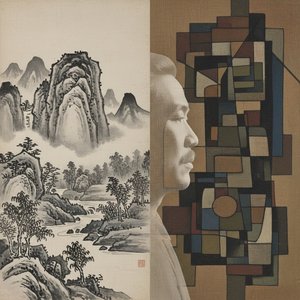 Yi Eungro: Bridging East & West in the Landscape of Korean ModernismExplore the captivating world of Yi Eungro (Lee Ungno), a pivotal figure in Korean modernism. Discover his unique fusion of Eastern and Wes…