

 Podgląd w skali
 Wyślij jako kartkę
 Udostępnij
 Szczegóły dzieła

 Pobierz
 Podobne obiekty
 RTG
RTG Pokaz slajdów
Dew-Drenched Furze
 Oil On Canvas
- WallArt
- Pre-Raphaelite Brotherhood
 1889
1889- 19th Century
 12.0 x 173.0 cm
 Tate Britain
 Rozwiń treść
Ręcznie malowana reprodukcja olejowa
Ręcznie malowany obraz olejny na płótnie, wykonany na zamówienie przez naszych artystów w wybranym przez Ciebie wymiarze i oprawie. ( Zamów wydruk Kup obraz wysokiej rozdzielczości)




P118B $10

P118H $10

P118W $10

P438Z $10

P508JH $12

P508YH $12

P805H $10

P805Z $10

P919BZ $10

P919G $10

P919XJ $10

P959ZH $10

P968JZ $12

W106C $8

W218G $10

W218JH $8

W218Y $10

W307PJ $10

W316G $10

W316PJ $8

W316Y $10

W398PJ $8

W4111J $10

W500HY $15

W500JH $15

W692G $12

W849H $8

W940BG $15

W953PJ $8




Wybierz spośród naszych standardowych rozmiarów, które zachowują oryginalne proporcje dzieła sztuki.

Możesz wprowadzić własne wymiary, aby dopasować obraz do konkretnej ramy lub przestrzeni. Jeśli wybrany rozmiar nie będzie odpowiadał proporcjom oryginału, przytniecie dzieło sztuki lub rozszerzymy je o dodatkowe elementy, ręcznie domalowane przez artystę. Przed rozpoczęciem produkcji wyślemy projekt cyfrowy do Twojej akceptacji.
Należy pamiętać, że podgląd na ekranie nie odzwierciedla rzeczywistego przycinania ani rozszerzania obrazu. Tylko projekt dokładnie pokaże ostateczną kompozycję.
Choć oferujemy możliwość zamówienia niestandardowych rozmiarów, zalecamy wybór wymiaru z gotowej listy, aby zachować oryginalne proporcje dzieła.
Po złożeniu zamówienia zespół OriginalUniqueArt.com skontaktuje się z klientem drogą mailową w celu uzyskania instrukcji i prześle wizualizację projektu
Dostawa na całym świecie () w ciągu 3–4 tygodni zamiast standardowych 5 tygodni. (29 Sierpień). Bez kompromisów w kwestii jakości.

Bezpłatna ekspresowa wysyłka na cały świat

Wysokiej jakości płótno lniane

Pełne ubezpieczenie przesyłki

Gwarancja zwrotu należności celnych i podatków importowych

Gwarancja wiernego odwzorowania kolorów

Polityka 60-dniowego zwrotu (tylko w przypadku wad)

Gwarancja 100% zwrotu kosztów

Zniżka przy zamówieniu wielu produktów
 Opcja ze szkłem jest dostępna wyłącznie w rozmiarach poniżej 110 cm

Dew-Drenched Furze
Technika reprodukcji
Wymiary reprodukcji
-


Cena całkowita
$ 300
A Vision of Verdant Serenity: Millais's *Dew-Drenched Furze*
Sir John Everett Millais’s 1889 painting, *Dew-Drenched Furze*, is a masterful embodiment of the Pre-Raphaelite movement’s core tenets – an unwavering commitment to meticulous observation, a profound connection with nature, and a desire to evoke intense emotion through exquisitely rendered detail. This late landscape, executed in a symmetrical composition and vertical format, presents a breathtaking evocation of a forest scene, bathed in the ethereal quality of filtered light. The painting's serene atmosphere and palpable sense of tranquility immediately draw the viewer into its immersive world.
The Pre-Raphaelite Ideal: Truth to Nature
Millais’s artistic journey was profoundly shaped by the Pre-Raphaelite Brotherhood, a group dedicated to rejecting the artificiality and idealized forms of Renaissance art. Influenced by the works of Giotto and other early masters, the Pre-Raphaelites sought to return to a more direct and truthful representation of nature – a philosophy vividly reflected in *Dew-Drenched Furze*. The artist’s meticulous attention to detail is immediately apparent; the yellowish-brown leaves of the trees, the delicate textures of the bushes, and the shimmering effect of dew on foliage are all rendered with an almost photographic precision. This dedication to realism was revolutionary for its time, challenging the established conventions of British art which often favored grand historical narratives or mythological subjects.
- Technique: Millais employed a characteristic layering technique, building up color and detail in thin glazes – a hallmark of Pre-Raphaelite painting. This allowed for luminous effects and subtle gradations of tone, enhancing the sense of depth and atmosphere.
- Composition: The symmetrical arrangement and vertical format contribute to the painting’s harmonious and balanced feel, reflecting the Victorian fascination with order and beauty.
Symbolism and Emotional Resonance
*Dew-Drenched Furze* is more than just a depiction of a forest scene; it's imbued with symbolic meaning rooted in the Romantic tradition. The title itself – “Furze” referring to a thorny shrub – suggests resilience, endurance, and perhaps even a hint of melancholy. The dappled light filtering through the trees evokes a sense of mystery and spirituality, while the overall mood is one of quiet contemplation and reverence for nature’s beauty. Millais's ability to capture such profound emotion within a seemingly simple landscape speaks to his exceptional artistic skill and sensitivity.
Historical Context: A Master at Work
Painted in 1889, this work represents the culmination of Sir John Everett Millais’s long and distinguished career. Having begun his artistic training at an astonishingly young age – admitted to the Royal Academy Schools at eleven years old – he became one of the most celebrated artists of his era. *Dew-Drenched Furze* demonstrates his continued mastery of technique and his unwavering commitment to the Pre-Raphaelite ideals, solidifying his legacy as a pivotal figure in British art history. The painting’s creation coincided with a period of significant artistic innovation, reflecting the evolving tastes and sensibilities of Victorian society.
This hand-painted reproduction offers an unparalleled opportunity to experience the beauty and emotional power of Millais's masterpiece firsthand. Its dimensions – 12 x 173 cm – make it ideally suited for a variety of interior spaces, adding a touch of timeless elegance and artistic sophistication to any room.
O artyście
A Prodigy of the Pre-Raphaelites: The Life and Art of Sir John Everett Millais
Born in Southampton in 1829, John Everett Millais entered the Royal Academy Schools at the astonishing age of eleven—the youngest student ever admitted. This early demonstration of prodigious talent foreshadowed a career that would not only define an artistic movement but also capture the Victorian imagination with its breathtaking realism and emotional depth. From his earliest days, Millais possessed a remarkable gift for observation, a quality that would become the cornerstone of his artistic style. He wasn’t merely painting what he saw; he was meticulously recreating it, imbuing each brushstroke with an almost photographic fidelity. This dedication to truth in representation set him apart and ultimately led him to challenge the established conventions of British art.The Birth of a Brotherhood and Artistic Rebellion
Millais’s artistic trajectory took a pivotal turn in 1848 when, alongside Dante Gabriel Rossetti and William Holman Hunt, he founded the Pre-Raphaelite Brotherhood. This wasn't simply an aesthetic choice; it was a deliberate rebellion against what they perceived as the artificiality of academic art—art that had strayed too far from the natural world and the sincerity of early Renaissance masters, those working *before* Raphael. The Pre-Raphaelites sought to revive the clarity, detail, and vibrant color palettes of artists like Jan van Eyck and Fra Angelico. Their manifesto was one of truth to nature, a rejection of idealized forms, and an embrace of subjects drawn from literature, mythology, and everyday life. Millais’s early works, such as *Isabella*, immediately showcased this new approach—a meticulous attention to detail combined with a narrative intensity that captivated and often provoked audiences. His most controversial work during this period, Christ in the House of His Parents (1849-50), depicted the Holy Family not as ethereal beings but as ordinary working-class people, sparking outrage among critics who found its realism unsettling and even blasphemous. The painting’s depiction of a mother washing her child's clothes in a muddy stream was considered shockingly unidealized for religious art at the time.Evolving Styles and Victorian Sensibilities
The mid-1850s marked a period of significant change for Millais, both personally and artistically. His marriage to Effie Gray, following the annulment of her marriage to John Ruskin, profoundly influenced his work. He moved away from the intensely detailed, symbolic style of his early Pre-Raphaelite paintings towards a broader, more atmospheric realism. This shift wasn’t simply a matter of stylistic preference; it reflected a growing engagement with contemporary life and a desire to capture the fleeting beauty of the natural world. Paintings like *Autumn Leaves* exemplify this new direction—a serene depiction of a group of young women drifting leaves on a river, imbued with a sense of melancholy and nostalgia. The painting’s luminous quality and subtle color variations were groundbreaking for their time. He also found considerable success as a portraitist, capturing the likenesses of prominent Victorian figures, including John Gladstone and Benjamin Disraeli. This period saw Millais achieve widespread popularity and financial security, but it also drew criticism from some who felt he had compromised his artistic principles.Major Works & Collections
- Christ in the House of His Parents (1849-1850): Tate Britain, London – A controversial masterpiece that exemplifies early Pre-Raphaelite realism.
- Ophelia (1851-1852): Tate Britain, London – Perhaps his most famous work, renowned for its haunting beauty and symbolic depth.
- A Huguenot (1851-1852): Private Collection – A dramatic depiction of religious conflict and forbidden love.
- Mariana (1850-1851): Manchester Art Gallery – Inspired by Shakespeare and Tennyson, showcasing Millais’s skill in capturing mood and atmosphere.
- Autumn Leaves (1855-1856): City of Manchester Art Galleries – A serene and evocative painting that reflects his evolving style.
Legacy and Lasting Influence
Despite these criticisms, Sir John Everett Millais remains one of the most important figures in 19th-century British art. His influence extends far beyond the Pre-Raphaelite Brotherhood; he helped to redefine the standards of realism and narrative painting, inspiring generations of artists. His iconic images—Ophelia, with its haunting beauty and symbolic richness, A Huguenot, depicting a moment of poignant drama, and countless others—continue to resonate with audiences today. Millais’s ability to blend meticulous observation with emotional depth, his mastery of color and composition, and his willingness to challenge artistic conventions cemented his place as a true innovator. In 1896, he was elected President of the Royal Academy, a testament to his enduring legacy—though sadly, he passed away only months later. His work continues to be celebrated in museums and collections worldwide, ensuring that the beauty and power of his art will endure for generations to come.
John Everett Millais
1829 - 1896 , Wielka Brytania
Krótka nota
- Artistic Movement Or Style: Prerafaelizm, Realizm
- Artists Or Movements Influenced By This Artist: Prerafaelska szkoła
- Artists Who Influenced This Artist: Prerafaeliści
- Date Of Birth: 8 czerwca 1829
- Date Of Death: 13 sierpnia 1896
- Full Name: Sir John Everett Millais
- Nationality: Brytyjski
- Notable Artworks:
- Christ w domu...
- Ophelia
- Hugenot
- Mariana
- Place Of Birth: Southampton, Wielka Brytania
Powiązane artykuły

Dante Gabriel Rossetti: 25 Arcydzieł Pełnych Pasji i Symboliki | OriginalUniqueArt
Odkryj 25 najpiękniejszych obrazów Dante Gabriela Rossettiego! Poznaj historię, symbolikę i techniki prerafaelitów. Reprodukcje najwyższej jakości do Twojego wnętrza – OriginalUniqueArt.

Sir John Everett Millais: Pre-Raphaelite Rebellion & Victorian Narrative Detail
Explore the revolutionary art of Sir John Everett Millais & the Pre-Raphaelite Brotherhood. Discover their radical realism, symbolic narratives, and lasting impact on Victorian aesthetics. A deep dive into 19th-century masterpieces.

Pre-Raphaelite Romanticism: A Guide to Vivid Detail and Medieval Beauty in Victorian Art
Explore the vivid detail and medieval beauty of Pre-Raphaelite Romanticism. Discover the history of masters like Rossetti and Millais through our expert guide to Victorian art, perfect for collectors and professionals seeking authentic, museum-quality reproductions.
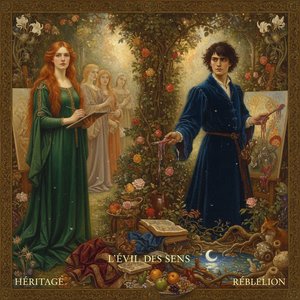
The Pre-Raphaelite Brotherhood: Reclaiming Beauty, Nature, and Truth in Victorian Art History
Explore the revolutionary Pre-Raphaelite Brotherhood. Discover how these visionary artists rejected academic tradition to reclaim beauty, nature, and truth through luminous detail and literary depth in Victorian art history.

The Pre-Raphaelite Brotherhood: Rediscovering Beauty, Romance, and Medieval Magic in Victorian Art
Embark on a journey through the Pre-Raphaelite Brotherhood. Discover the romantic symbolism, medieval magic, and radical beauty of Rossetti and Burne-Jones in this expert exploration of Victorian art history.



