 Przełącz na wydania drukowane
 Rozwiń treść







































 W przypadku dzieł sztuki lub reprodukcji, których którykolwiek z boków przekracza 105 cm (około 41 cali), rama zostanie wysłana w formie zestawu do samodzielnego montażu. Metoda ta zapewnia bezpieczną dostawę i zapobiega uszkodzeniom podczas transportu.


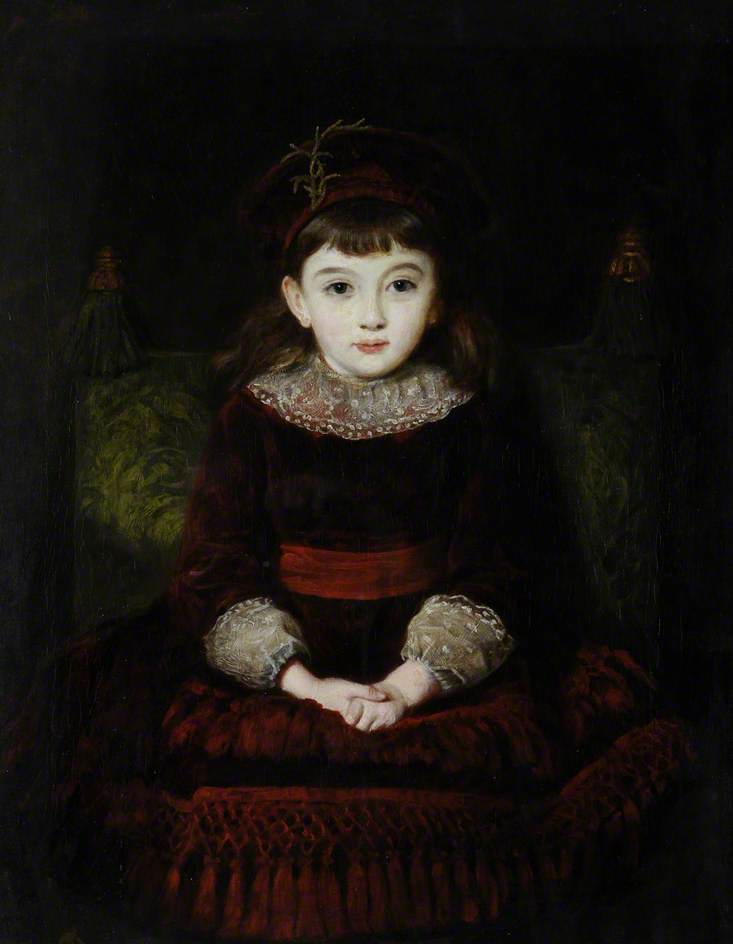
Day Dreams: A Window Into Victorian Sentimentality
“Day Dreams,” painted by Sir John Everett Millais in 1874, stands as an emblem of the Pre-Raphaelite movement’s fascination with idealized beauty and meticulous observation. More than just a portrait, it's a carefully constructed tableau designed to evoke profound emotion—a contemplative stillness that speaks volumes about Victorian sensibilities.
- Subject Matter & Context: The artwork depicts a young girl seated in a chair, bathed in diffused sunlight, lost in reverie. Millais’s choice of subject – innocence and contemplation – aligns perfectly with the Pre-Raphaelites' desire to recapture the spiritual essence of medieval art, rejecting the academic conventions prevalent at the time. It captures a moment frozen in time, reflecting the Victorian preoccupation with domestic tranquility and idealized femininity.
- Style & Technique: Millais’s adherence to Pre-Raphaelite principles is evident throughout the painting. He employed oil paint on canvas with painstaking precision, utilizing glazing techniques to achieve remarkable luminosity and depth of color. The artist's meticulous brushstrokes meticulously recreate textures—the velvety drape of the dress, the delicate lace collar and sleeves—demonstrating an unparalleled commitment to realism.
- Composition & Color Palette: The composition centers on the girl’s figure, positioned centrally within a dark, undefined background. This deliberate framing draws all attention to her expression and posture, conveying a sense of quiet introspection. The color palette is dominated by rich reds, browns, and creams, accented by subtle greens and whites—a harmonious blend designed to create an atmosphere of subdued elegance.
- Symbolism & Emotional Impact: Beyond its visual beauty, “Day Dreams” carries symbolic weight. The girl’s gaze directs upwards, suggesting a yearning for something beyond the immediate surroundings – perhaps spiritual enlightenment or romantic aspiration. The painting's melancholic undertones resonate with Victorian anxieties about mortality and the fleeting nature of life, prompting viewers to contemplate themes of innocence, memory, and inner reflection.
- Detailed Examination: Consider the masterful rendering of textures—the plush upholstery of the chair mirroring the softness of the girl’s skin. Note the careful outlining of shapes, particularly in the lace details, which contribute to a sense of formality and refinement. The lighting – emanating from an unseen source – sculpts the girl's face, highlighting her features and reinforcing the painting’s contemplative mood.
A reproduction of “Day Dreams” offers more than just decorative appeal; it provides access to a pivotal moment in Victorian art history—a testament to Millais’s artistic genius and the enduring power of Pre-Raphaelite ideals. Its serene beauty continues to inspire collectors and interior designers alike.
Pytania i odpowiedzi
Gdzie mogę znaleźć dzieła sztuki podobne do „Seny Dnia” – John Everett Millais?
Strona Podobne dzieła dzieła „Seny Dnia” – John Everett Millais prezentuje powiązane utwory.
W jakiej technice wykonano „Seny Dnia” – John Everett Millais?
John Everett Millais wykorzystał/a technikę Akryl na płótnie w pracy „Seny Dnia”. Technika ta definiuje materię oryginalnego dzieła.
Jakie wnętrze najlepiej współgra z kolorystyką „Seny Dnia” – John Everett Millais?
Dzięki swojej palecie barw Barwy ziemi, dzieło „Seny Dnia” – John Everett Millais idealnie sprawdzi się w Salon lub strefa dzienna. Kolorystyka jest jedną z przyczyn tej rekomendacji.
 Podgląd w skali 1:1
 Wyślij jako kartkę
 Udostępnij
 Szczegóły dzieła
 Przewodnik

 Pobierz obraz
 Podobne obiekty
 RTG
RTG Pokaz slajdów
 Q&A
Q&A Statystyki