Rozmiar tekstu

() ·

Obraz stworzony dla Ciebie, własnoręcznie

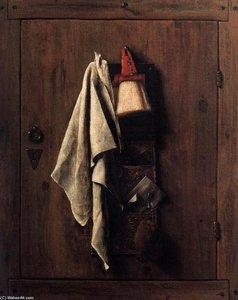
Old Man Looking Through a Window

Ręcznie malowana reprodukcja olejowa

Ręcznie malowany obraz olejny na płótnie, wykonany na zamówienie przez naszych artystów w wybranym przez Ciebie wymiarze i oprawie. ( Przełącz na wydania drukowane Przejdź do wersji cyfrowej)

Opis obiektu

Experience the Baroque drama of Samuel Dirksz van Hoogstraten's Old Man Looking Through a Window; explore this masterful study of isolation from the Dutch Golden Age.

Biografia artysty

"meta_description": "Samuel van Hoogstraten (1627-1678) – holenderski malarz epoki Złotej, znany z iluzjonizmu, puszek perspektywicznych i traktatu o sztuce. Eksperymentował z perspektywą i światłem, pozostawiając trwałe dziedzictwo."

od ·

Rozdział 1

Jak duży powinien być ten format?

Przesuń suwak, aby zmienić rozmiar; obraz po lewej stronie przedstawia ramę w jej rzeczywistej szerokości. Zachowano proporcje oryginału.

Standardowy format
personalizowane
CM
INCH

Wybierz spośród naszych standardowych rozmiarów, które zachowują oryginalne proporcje dzieła sztuki.

szerokość
wysokość

Wpisz wymaganą szerokość i wysokość, aby obraz pasował do Twojej ramy lub ściany. Ponieważ jest to dzieło malowane ręcznie, w przypadku rozmiaru o innych proporcjach artysta może domalować nieco więcej wokół obrazu lub przyciąć jego fragmenty — wybór należy do Ciebie. Przed rozpoczęciem pracy prześlemy Ci cyfrową wizualizację do zatwierdzenia. Obraz widoczny na tej stronie nie przedstawia rzeczywistego efektu — jedynie wizualizacja oddaje realny rezultat.

Rozdział 2

W jaki sposób ma zostać dostarczone?

Wybierz krawędzie płótna naciągniętego na ramę

Wybierz ramę

Corner sample of the WhiteWrap canvas edge finish, stretched on lite drewno bars
Białe krawędzie zł1
Corner sample of the BlurSideWrap canvas edge finish, stretched on lite drewno bars
rozmyte krawędzie zł1
Corner sample of the ExtendedWrap canvas edge finish, stretched on lite drewno bars
Przedłużony zł1
Corner sample of the P118B picture frame: polistyren formowany, 5 cm wide and 3 cm thick
P118B zł10
Corner sample of the P118H picture frame: polistyren formowany, 5 cm wide and 3 cm thick
P118H zł10
Corner sample of the P118W picture frame: polistyren formowany, 5 cm wide and 3 cm thick
P118W zł10
Corner sample of the P438Z picture frame: polistyren formowany, 5.5 cm wide and 3.5 cm thick
P438Z zł10
Corner sample of the P508JH picture frame: polistyren formowany, 7 cm wide and 3.5 cm thick
P508JH zł12
Corner sample of the P508YH picture frame: polistyren formowany, 7 cm wide and 3.5 cm thick
P508YH zł12
Corner sample of the P805H picture frame: polistyren formowany, 5 cm wide and 3.5 cm thick
P805H zł10
Corner sample of the P805Z picture frame: polistyren formowany, 5 cm wide and 3.5 cm thick
P805Z zł10
Corner sample of the P919BZ picture frame: polistyren formowany, 7 cm wide and 3.5 cm thick
P919BZ zł10
Corner sample of the P919G picture frame: polistyren formowany, 7 cm wide and 3.5 cm thick
P919G zł10
Corner sample of the P919XJ picture frame: polistyren formowany, 7 cm wide and 3.5 cm thick
P919XJ zł10
Corner sample of the P959ZH picture frame: polistyren formowany, 5 cm wide and 3 cm thick
P959ZH zł10
Corner sample of the P968JZ picture frame: polistyren formowany, 6 cm wide and 4 cm thick
P968JZ zł12
Corner sample of the W106C picture frame: lite drewno, 5 cm wide and 3 cm thick
W106C zł8
Corner sample of the W218G picture frame: lite drewno, 5 cm wide and 3 cm thick
W218G zł10
Corner sample of the W218JH picture frame: lite drewno, 5 cm wide and 3 cm thick
W218JH zł8
Corner sample of the W218Y picture frame: lite drewno, 5 cm wide and 3 cm thick
W218Y zł10
Corner sample of the W307PJ picture frame: lite drewno, 6 cm wide and 3 cm thick
W307PJ zł10
Corner sample of the W316G picture frame: lite drewno, 6 cm wide and 3 cm thick
W316G zł10
Corner sample of the W316PJ picture frame: lite drewno, 6 cm wide and 3 cm thick
W316PJ zł8
Corner sample of the W316Y picture frame: lite drewno, 6 cm wide and 3 cm thick
W316Y zł10
Corner sample of the W398PJ picture frame: lite drewno, 5 cm wide and 3 cm thick
W398PJ zł8
Corner sample of the W4111J picture frame: lite drewno, 6.5 cm wide and 3.5 cm thick
W4111J zł10
Corner sample of the W500HY picture frame: lite drewno, 7 cm wide and 5 cm thick
W500HY zł15
Corner sample of the W500JH picture frame: lite drewno, 7 cm wide and 5 cm thick
W500JH zł15
Corner sample of the W692G picture frame: lite drewno, 8 cm wide and 4 cm thick
W692G zł12
Corner sample of the W849H picture frame: lite drewno, 5 cm wide and 3 cm thick
W849H zł8
Corner sample of the W940BG picture frame: lite drewno, 7.5 cm wide and 4.5 cm thick
W940BG zł15
Corner sample of the W953PJ picture frame: lite drewno, 6 cm wide and 3.5 cm thick
W953PJ zł8
Corner sample of the H24-GOLD picture frame: rzeźbione drewno pokryte gipsem, 10 cm wide and 6 cm thick
H24-GOLD zł30
Corner sample of the H24-SILVER picture frame: rzeźbione drewno pokryte gipsem, 10 cm wide and 6 cm thick
H24-SILVER zł30
Corner sample of the H36-GOLD picture frame: rzeźbione drewno pokryte gipsem, 15 cm wide and 6.5 cm thick
H36-GOLD zł45
Corner sample of the H36-SILVER picture frame: rzeźbione drewno pokryte gipsem, 15 cm wide and 6.5 cm thick
H36-SILVER zł45

Profil: . Wymiar całkowity w ramie: .

Rozdział 3

Kto go maluje i czy coś powinno ulec zmianie?

Przykłady możliwych zmian: Zastąpienie twarzy zdjęciem klienta; Dodanie zwierzęcia (np. zamiana kota na psa); Ukrycie wiadomości w tle; Zmiana krajobrazu lub elementów tła.
Po złożeniu zamówienia zespół OriginalUniqueArt.com skontaktuje się z klientem drogą mailową w celu uzyskania instrukcji i prześle podgląd projektu

Dostawa na całym świecie () w ciągu 3–4 tygodni zamiast standardowych 5 tygodni. (8 Listopad). Bez kompromisów w kwestii jakości.

Rozdział 4

Ostatnie szlify

Tabliczka informacyjna, jak w muzeum?

Szczegóły grawerowanej brązowej tabliczki

This elegant plaque features the artist's name and the title of the artwork, finely engraved for a timeless presentation.

It is made from bronze with a refined, elegant finish. The text is precisely laser-engraved for a sharp and permanent result. Measuring 9x2 cm, the plaque is compact yet easy to read. It's built to be durable and scratch-resistant, offering a professional, museum-quality look. Mounting is simple thanks to the included adhesive backing.

Szczegóły przezroczystej tabliczki akrylowej

The plaque includes essential engraved details such as the artist's name, the title of the artwork, the date it was created, the type of media used-like oil on canvas or watercolor-a brief description of the piece, and a QR code that links to the complete artwork information.

It is crafted from clear acrylic, offering a sleek, modern appearance. The text is UV-engraved in black to ensure strong visual contrast. With a size of 10x15 cm, it ensures optimal readability. It comes equipped with two metal hooks for secure wall mounting. The plaque is designed to be weather-resistant, making it suitable for various environments, and it includes interactive features that work seamlessly with smartphone scanning.

Szczegóły czarnej tabliczki akrylowej

This elegant plaque includes engraved information such as the artist's name, the title of the artwork, the date it was created, the type of media used (like oil on canvas or watercolor), a short description of the artwork, and a QR code for quick access to more information.

The plaque itself is made from refined black acrylic with a premium finish. The text is laser-engraved in white for high contrast and readability. Its size is 10x15 cm, designed to be easy to read. It comes with two metal hooks for professional mounting. The design is sleek and fits any interior style. It is also weather-resistant and durable, with built-in digital integration for mobile compatibility.

Werniks ochronny?

Kiedy potrzebujesz dostawy?

Rozdział 5

Twoje dzieło, dokładnie tak, jak zamówiłeś

Old Man Looking Through a Window

Technika reprodukcji

Wymiary reprodukcji

-

Wybitny mistrz artystyczny

Większa szczegółowość, finezja i dodatkowy czas na realizację

-

Opcje oprawy reprodukcji

-

-

W przypadku dzieł sztuki lub reprodukcji, których którykolwiek z boków przekracza 105 cm (około 41 cali), rama zostanie wysłana w formie zestawu do samodzielnego montażu. Metoda ta zapewnia bezpieczną dostawę i zapobiega uszkodzeniom podczas transportu.

Wymagany profesjonalny montaż – nie jest to produkt typu DIY.
Zestaw musi zostać złożony, a płótno naciągnięte przez doświadczonego profesjonalnego ramiarza, przy użyciu kleju do drewna (brak w zestawie), kleszczy do naciągania płótna oraz ścisków, które utrzymają krosna w równej pozycji podczas schnięcia kleju. Nieprawidłowy montaż lub nierównomierne napięcie płótna może trwale uszkodzić dzieło sztuki i nie podlega naszej gwarancji.

  • W zestawie znajdują się wszystkie listwy z litego drewna, precyzyjnie docięte do wymiarów.

  • Montaż odbywa się przy użyciu dołączonych wkrętów oraz kleju do drewna do łączenia narożników, którego zestaw nie zawiera i który musi zostać dostarczony przez ramiarza.

  • Wymagane są profesjonalne narzędzia, których nie ma w zestawie: kleszcze do naciągania płótna (napinacz) oraz zaciski, które pozwolą utrzymać listwy w równej pozycji podczas schnięcia kleju.

Ważne:
Do połączenia narożników niezbędny jest klej do drewna, listwy należy unieruchomić za pomocą ścisków do momentu całkowitego wyschnięcia kleju, a naciągnięcie płótna na złożoną ramę wymaga użycia kleszczy do naciągania płótna. Żaden z tych elementów nie jest dołączony do zestawu. Przed zamówieniem tego rozmiaru zalecamy konsultację z doświadczonym ramiarzem.

Etykieta obiektu

-

-

Lakier ochronny

Lakier z połyskiem (pogłębia kolory, chroni przed światłem i wilgocią)

-

Personalizacja dzieła

Przykłady możliwości personalizacji: zastąp twarz zdjęciem klienta; dodaj zwierzę domowe (np. zamień kota na psa); umieść ukrytą wiadomość w tle; zmień krajobraz lub elementy tła.

-

Ekspresowa

Dostawa na cały świat () w ciągu 3–4 tygodni zamiast standardowych 5 tygodni. (8 Listopad). Bez kompromisów w kwestii jakości.

-

Przesyłka ekspresowa

Dostawa na cały świat () w ciągu 5 tygodni. (15 Listopad).

W cenie

Cena całkowita

zł 1174

Suma całkowita zł 1174

Opcja ze szkłem jest dostępna wyłącznie w rozmiarach poniżej 110 cm

W każdym zamówieniu

  • Bezpłatna ekspresowa wysyłka na cały świat
  • Wysokiej jakości płótno lniane
  • Pełne ubezpieczenie przesyłki
  • Gwarancja zwrotu należności celnych i podatków importowych
  • Gwarancja wiernego odwzorowania kolorów
  • 100-dniowa polityka zwrotów (tylko w przypadku wad)
  • Gwarancja 100% zwrotu pieniędzy
  • Zniżka przy zakupie wielu sztuk

A Window Into Eternity: The Melancholy Mastery of Van Hoogstraten

In the quiet, shadowed corners of the Dutch Golden Age, few artists possessed the intellectual depth and technical wizardry of Samuel Dirksz van Hoogstraten. His 1653 masterpiece, "Old Man Looking Through a Window," is far more than a mere portrait; it is a profound psychological journey captured in oil. As we gaze upon the weathered face of the subject, we are not just observing an elderly man, but participating in a carefully orchestrated meditation on time, isolation, and the very nature of perception. The painting serves as a threshold between the viewer’s world and a private, somber reality, inviting us to contemplate the fleeting essence of human existence through the lens of Baroque theatricality.

The composition is anchored by a sense of profound confinement. The subject, positioned centrally, peers through the iron bars of a window, his expression etched with a quiet, lingering sadness. This structural element—the window frame—acts as both a physical barrier and a symbolic gateway. Through Van Hoostraten’s expert use of trompe-l'œil, the boundaries between the canvas and reality begin to blur. The artist invites us into a space where the stone carving of the window frame feels tangible, almost heavy with the weight of history, creating an immersive experience that has captivated collectors and art enthusiasts for centuries.

The Alchemy of Light and Shadow

To understand the emotional gravity of this work, one must look to the artist's masterful command of chiaroscuro. Drawing from the profound influence of his mentor, Rembrandt, Van Hoogstraten employs dramatic contrasts between deep, velvety shadows and piercing highlights to sculpt the man’s features. This technique does not merely illuminate the subject; it breathes life into his very soul. The light catches the subtle textures of his beard and the weary creases around his eyes, revealing a narrative of lived experience, hardship, and reflection. Every brushstroke is executed with the precision of a stone carver, rendering the materiality of the scene—from the cold metal of the bars to the soft, aged skin of the man—with astonishing realism.

For the discerning interior designer or collector, this painting offers an unparalleled sense of gravitas. The interplay of light and dark creates a dynamic energy that can anchor a room, providing a focal point that demands contemplation. It is a piece that does not merely decorate a wall but transforms an environment, infusing it with a sense of historical depth and intellectual curiosity. Whether placed in a sunlit gallery or a moody, library-style study, the painting’s ability to manipulate atmosphere makes it a timeless choice for those seeking art that speaks to the complexities of the human condition.

A Legacy of Illusion and Intellect

Beyond its visual splendor, "Old Man Looking Through a Window" stands as a testament to the philosophical currents of seventeenth-century Europe. Van Hoogstraten was not only a painter but a poet and an art theorist who sought to dissect reality itself. This painting is a manifestation of that scientific and artistic inquiry—a study in how light defines form and how perspective shapes our understanding of truth. The subtle gradations of color and the meticulous attention to texture serve as a bridge between the tangible world and the ephemeral nature of thought.

Owning a high-quality reproduction of this work allows one to bring this piece of Dutch heritage into the modern home. It offers an opportunity to surround oneself with the brilliance of the Baroque era, providing daily inspiration through its masterful execution and hauntingly beautiful subject matter. In every detail, from the heavy stone textures to the melancholic gaze of the old man, lies a story of endurance and the eternal search for meaning through the windows of our own perception.

Pytania i odpowiedzi

Czy dzieło „Old Man Looking Through a Window” autorstwa Samuel Dirksz van Hoogstraten znajduje się w domenie publicznej i dlaczego?

Status praw autorskich do dzieła „Old Man Looking Through a Window” – należy do domeny publicznej – autorskie prawa majątkowe wygasły – wynika z faktu, że artysta zmarł w 1678.

W którym roku powstało dzieło „Old Man Looking Through a Window” – Samuel Dirksz van Hoogstraten?

„Old Man Looking Through a Window” – Samuel Dirksz van Hoogstraten powstało w 1653.

Z jakiego kraju pochodzi dzieło Baroque Illusion Intellect pt. "Old Man Looking Through a Window"?

Dzieło z nurtu Baroque Illusion Intellect, zatytułowane "Old Man Looking Through a Window", zostało stworzone przez artystę urodzonego w Holandia.

Więcej o tym obrazie

Podgląd w skali 1:1 Podgląd AR Przełącz na wydania drukowane Przejdź do wersji cyfrowej Wyślij jako kartkę
Szczegóły dzieła Przewodnik Dodaj do ulubionych Pobierz obraz Podobne obiekty RTG Pokaz slajdów Pytania i odpowiedzi Statystyki

W liczbach

  • 1653rok powstania dzieła
  • 29dostępne ramy do wyboru
  • standardowe formaty, w ich własnych proporcjach
  • 5tygodni na namalowanie i dostarczenie dzieła
Samuel Dirksz van Hoogstraten

Samuel Dirksz van Hoogstraten

1627 - 1678, Holandia

Krótkie informacje o Samuel Dirksz van Hoogstraten

  • Artistic Movement Or Style: Złota Era Holenderska
  • Artists Or Movements Influenced By This Artist: ['Aert de Gelder']
  • Artists Who Influenced This Artist: ['Rembrandt']
  • Date Of Birth: 2 sierpnia 1627
  • Date Of Death: 19 października 1678
  • Full Name: Samuel Dirksz van Hoogstraten
  • Nationality: Holender
  • Notable Artworks:
    • Widok na Hofburg w Wiedniu
    • Portret Mathys van den Broucka
  • Place Of Birth: Dordrecht, Holandia

Biografia artysty

Samuel Dirksz van Hoogstraten: A Master of Illusion and Intellect

Samuel Dirksz van Hoogstraten, a name synonymous with the brilliance and innovation of the Dutch Golden Age, was far more than just a painter; he was a polymath—an artist, poet, theorist, and administrator—who embodied the era’s spirit of intellectual curiosity and artistic experimentation. Born in Dordrecht in 1627 and passing away there in 1678, Van Hoogstraten left an indelible mark on art history not only through his captivating paintings but also through his groundbreaking theoretical work and masterful manipulation of perception. His journey began within the family workshop of his father, Dirk van Hoogstraten, providing a foundational understanding of artistic principles before he ventured to Amsterdam – the vibrant heart of Dutch artistry in the 17th century. It was there that he entered the esteemed studio of Rembrandt van Rijn, an experience that profoundly shaped his early style and approach to light, shadow, and the very essence of representation.

Rembrandt’s Shadow and the Pursuit of Innovation

The influence of Rembrandt is undeniably present in Van Hoogstraten's initial works. A portrait from 1645, now residing in the Liechtenstein collection in Vienna, serves as a striking testament to this early apprenticeship. The painting demonstrates a clear debt to Rembrandt’s masterful use of chiaroscuro – the dramatic contrast between light and dark – creating a sense of depth and drama that immediately captivates the viewer. However, unlike many students who remained firmly rooted in their master's style, Van Hoogstraten possessed an insatiable desire for experimentation and a restless spirit that propelled him beyond mere imitation. He wasn’t content to simply replicate Rembrandt’s techniques; he sought to deconstruct them, analyze their effects, and ultimately forge his own unique artistic voice—a voice characterized by a profound understanding of perspective, illusionism, and the subtle interplay between representation and reality. This relentless pursuit of innovation led him on extensive travels throughout Europe – to Vienna, Rome, and London – exposing him to diverse artistic traditions, philosophical ideas, and the prevailing aesthetic sensibilities of each locale. These journeys weren’t merely sightseeing expeditions; they were immersive studies in architecture, color theory, and the very nature of visual perception.

The Development of a Unique Style: Trompe-l'œil and Perspective Boxes

Upon returning to Dordrecht, Van Hoogstraten began to develop his distinctive style, characterized by an extraordinary command of trompe-l’œil – the art of deceiving the eye. He didn’t merely depict objects; he created illusions—entire worlds contained within a single canvas. His still lifes, for example, were meticulously crafted arrangements designed to blur the boundaries between reality and representation, inviting viewers to contemplate the transient nature of life and the deceptive allure of material possessions. Simultaneously, he became renowned for his creation of “peepshows” or "perspective boxes"—ingenious devices that offered immersive three-dimensional views into miniature worlds. These weren’t mere novelties; they were sophisticated explorations of perspective and spatial illusion, demonstrating Van Hoogstraten's profound understanding of how the human eye perceives depth and dimension. One such box, currently housed at the National Gallery in London, recreates the interior of a typical Dutch house with astonishing realism when viewed through strategically placed peepholes—a testament to his technical skill and artistic vision. His architectural paintings, such as his 1652 view of the Vienna Hofburg, further showcased his meticulous attention to detail and his ability to render complex spatial relationships with remarkable accuracy.

A Theoretician’s Legacy: ‘Inleyding tot de hooge schoole der schilderkonst’

However, Samuel van Hoogstraten's contribution extends far beyond his paintings and perspective boxes. He was a dedicated art theorist who sought to codify the principles of painting in his magnum opus, *Inleyding tot de hooge schoole der schilderkonst: anders de zichtbaere werelt* (Introduction to the Academy of Painting, or The Visible World), published in 1678. This ambitious treatise stands as one of the most comprehensive and intellectually rigorous explorations of art theory produced in the Dutch Republic during the 17th century. Van Hoogstraten delved into issues of pictorial persuasion, illusionism, the moral responsibilities of the artist, and the relationship between painting and philosophy, drawing upon a vast range of ancient and modern sources—from classical texts to contemporary treatises on optics and perspective. He built upon the foundations laid by Karel van Mander in his earlier work, *Het Schilder-Boeck*, seeking to create a systematic framework for understanding and practicing the art of painting. His writings reflect both international influences gleaned from his travels and contemporary debates within Dutch artistic circles. The treatise wasn’t simply a collection of technical instructions; it was a profound meditation on the nature of art itself, exploring its power to shape perception, evoke emotion, and communicate ideas.

A Lasting Influence and Artistic Legacy

Van Hoogstraten's influence resonated through subsequent generations of artists, notably through his pupils – including his brother Jan van Hoogstraten, Aert de Gelder, Cornelis van der Meulen, and Godfried Schalcken. His legacy is further preserved in the writings of Arnold Houbraken, one of his students who penned a biography of the artist that serves as a valuable primary source of information about his life and work. Samuel Dirksz van Hoogstraten was not simply a painter; he was a polymath—an artist, poet, theorist, and administrator—who embodied the intellectual ferment of the Dutch Golden Age. His innovative techniques, profound insights into perception, and dedication to articulating the principles of art continue to captivate and inspire audiences today, solidifying his position as a master of illusion and intellect whose work transcends time.

Najważniejsze informacje

  • Title: Old Man Looking Through a Window
  • Year: 1653
  • Artist: Samuel Dirksz van Hoogstraten
  • Notable elements or techniques: Illusionistic Window Framing
  • Subject or theme: Isolation and Reflection

Quiz o sztuce

Do każdego pytania dotyczy tylko jedna poprawna odpowiedź.

Pytanie 1:
What artistic style is “Old Man Looking Through a Window” primarily associated with?
Pytanie 2:
The painting depicts an old man gazing through the bars of a window. What emotion is conveyed by his expression?
Pytanie 3:
In what city was Samuel Dirksz van Hoogstraten born and where did he spend most of his artistic career?
Pytanie 4:
What is a notable characteristic of Van Hoogstraten’s approach to artmaking that distinguishes him from other painters of his time?
Pytanie 5:
The painting’s composition utilizes multiple windows. What does this visual element symbolize in terms of the subject's experience?
Odkryj dzieła sztuki uporządkowane według tematów, stylów i cech charakterystycznych.