

 Zobacz w skali 1:1
 Wyślij
 Udostępnij
 Szczegóły
 Przewodnik

 Pobierz plik obrazu
 Podobne obiekty
 RTG
RTG Pokaz slajdów
 Statystyki
Rolling Eye Clock


 Czytaj więcej
Dzieło sztuki prezentowane na tej stronie podlega ochronie prawem autorskim, co oznacza, że nie mamy prawa do tworzenia ani sprzedaży jego identycznej reprodukcji. Ochrona ta jest egzekwowana na mocy umów międzynarodowych, takich jak Konwencja berneńska oraz przez przepisy prawa krajowego, w tym te określone w Prawo autorskie USA – Tytuł 17.
Jako pełną szacunku i legalną alternatywę oferujemy personalizowane, malowane ręcznie dzieła sztuki inspirowane oryginałem. Nasi wykwalifikowani i profesjonalni artyści starannie analizują styl, nastrój oraz artystyczną esencję pierwowzoru, aby stworzyć nowe, unikalne dzieło, które przywołuje te same emocje – pozostając jednocześnie w pełni oryginalną kreacją.
Metoda ta jest w pełni zgodna z przepisami prawa autorskiego, ponieważ nie polega na kopiowaniu ani powielaniu chronionego dzieła. Stanowi ona kreatywną reinterpretację – nowy obraz, który czerpie inspirację z oryginału, ale nie jest z nim tożsamy.
Ręcznie malowana reprodukcja olejowa
Ręcznie malowany obraz olejny na płótnie, wykonany na zamówienie przez naszych artystów w wybranym przez Ciebie wymiarze i oprawie. ( Przełącz na wersję drukowaną Przełącz na wersję cyfrową)




P118B zł10

P118H zł10

P118W zł10

P438Z zł10

P508JH zł12

P508YH zł12

P805H zł10

P805Z zł10

P919BZ zł10

P919G zł10

P919XJ zł10

P959ZH zł10

P968JZ zł12

W106C zł8

W218G zł10

W218JH zł8

W218Y zł10

W307PJ zł10

W316G zł10

W316PJ zł8

W316Y zł10

W398PJ zł8

W4111J zł10

W500HY zł15

W500JH zł15

W692G zł12

W849H zł8

W940BG zł15

W953PJ zł8




Wybierz spośród naszych standardowych rozmiarów, które zachowują oryginalne proporcje dzieła sztuki.

Możesz wprowadzić własne wymiary, aby dopasować obraz do konkretnej ramy lub przestrzeni. Jeśli wybrany rozmiar nie będzie odpowiadał proporcjom oryginału, przytniecie dzieło sztuki lub rozszerzymy je o dodatkowe elementy, ręcznie domalowane przez artystę. Przed rozpoczęciem produkcji wyślemy projekt cyfrowy do Twojej akceptacji.
Należy pamiętać, że podgląd na ekranie nie odzwierciedla rzeczywistego przycinania ani rozszerzania obrazu. Tylko projekt dokładnie pokaże ostateczną kompozycję.
Choć oferujemy możliwość zamówienia niestandardowych rozmiarów, zalecamy wybór wymiaru z gotowej listy, aby zachować oryginalne proporcje dzieła.
Po złożeniu zamówienia zespół OriginalUniqueArt.com skontaktuje się z klientem drogą mailową w celu uzyskania instrukcji i prześle wizualizację projektu
Dostawa na całym świecie () w ciągu 3–4 tygodni zamiast standardowych 5 tygodni. (8 Październik). Bez kompromisów w kwestii jakości.

Bezpłatna ekspresowa wysyłka na cały świat

Wysokiej jakości płótno lniane

Pełne ubezpieczenie transportowe

Gwarancja zwrotu należności celnych i podatków importowych

Gwarancja idealnego odwzorowania barw

100-dniowy okres na zwrot dzieła w przypadku wykrycia wad produkcyjnych

Gwarancja 100% zwrotu pieniędzy

Oferta przy zakupie wielu sztuk
 Opcja ze szkłem jest dostępna wyłącznie w rozmiarach poniżej 110 cm

Rolling Eye Clock
Technika wykonania
Rozmiar reprodukcji
-


Suma do zapłaty
zł 1113
Biografia artysty
Oswald Moser: Weaver of Macabre Beauty
Oswald Moser (1874-1953) wasn’t merely an artist; he was a chronicler of the unsettling, a painter who wrestled with mortality and decay, translating their spectral presence onto canvas and into haunting sculptures. Born in London amidst personal tragedy – the early deaths of his brothers casting a long shadow over his childhood – Moser’s artistic journey became inextricably linked to themes of loss, memory, and the inevitable decline of Western civilization. His work, often described as surrealist before the term fully coalesced, possesses an arresting power that continues to resonate with viewers drawn to its melancholic beauty and unsettling realism.
Moser’s early life was marked by a rigorous classical education, culminating in studies at St John's Wood Art School. However, it wasn’t within the confines of traditional academic training that his distinctive style truly took root. Instead, he found himself profoundly influenced by the writings of Friedrich Nietzsche and the philosophical currents of his time, particularly the burgeoning interest in the cyclical nature of history – a concept that would later inform his grand, sweeping theories about the decline of Western culture. His military service during World War I, witnessing firsthand the horrors of conflict and the suffering of wounded soldiers, undoubtedly shaped his artistic sensibility, imbuing his work with a palpable sense of grief and disillusionment.
A Palette of Shadows: Artistic Style and Technique
Moser’s artistic style is immediately recognizable for its meticulous realism combined with an unsettling undercurrent of the macabre. He was a master of capturing subtle details – the wrinkles on a face, the texture of decaying fabric, the glint in a single eye – yet he employed these observations not to celebrate life but to expose its fragility and transience. His use of color is particularly noteworthy; he favored muted tones—ochres, browns, grays, and deep blues—creating an atmosphere of somber contemplation. He often utilized a technique reminiscent of Impressionism, employing broken brushstrokes and layering colors to suggest depth and movement, but always with a deliberate sense of unease.
His sculptures, most famously the “Rolling Eye Clock,” exemplify this duality perfectly. The clock itself is rendered in painstaking detail, yet its single, perpetually rolling eye evokes a profound sense of surveillance and paranoia. The work isn’t simply a mechanical device; it's a meditation on time, memory, and the ever-present gaze of observation. Similarly, his paintings frequently feature recurring motifs: decaying figures, solitary landscapes, and symbolic objects—a broken mirror, a wilting flower, a skeletal hand—each laden with layers of meaning.
The Decline of the West: Philosophical Influences
Moser’s artistic vision was deeply informed by his philosophical explorations, particularly his development of the concept of “cultural cycles.” Drawing heavily from the ideas of Oswald Spengler, a German philosopher who posited that all civilizations inevitably rise and fall in predictable patterns, Moser believed that Western civilization was approaching its terminal phase. This belief permeated his art, manifesting as a recurring preoccupation with themes of decline, decay, and the loss of spiritual values. His paintings and sculptures weren’t merely depictions of physical reality; they were allegorical representations of a larger historical process.
Spengler's theories, which predicted the emergence of “Caesars” – powerful, authoritarian figures who would attempt to halt the inevitable decline—found a visual echo in Moser’s work. The "Rolling Eye Clock," for instance, can be interpreted as a symbol of this impending Caesarism, constantly watching and controlling, yet ultimately unable to prevent the inexorable march of time. Moser's art served as both a warning and a lament – a poignant reflection on the beauty and tragedy of a civilization nearing its end.
Legacy and Recognition
Despite his considerable talent and distinctive vision, Oswald Moser’s work remained largely outside the mainstream during his lifetime. He exhibited primarily in smaller galleries and institutions, and his art was often viewed as unsettling or even disturbing. However, in recent decades, there has been a growing appreciation for his unique contribution to 20th-century art. His works are now held by prestigious collections such as the Wellcome Collection, the Imperial War Museum, and Rye Art Gallery, testament to their enduring power and significance.
Moser’s legacy extends beyond his individual artworks; he represents a pivotal figure in the development of surrealism and a profound observer of the human condition. His haunting images continue to challenge viewers to confront uncomfortable truths about mortality, memory, and the cyclical nature of history—a testament to the enduring relevance of an artist who dared to explore the darkest corners of the human psyche.

Najważniejsze informacje
- Artistic Movement Or Style: Philosopher, cultural critic
- Artists Or Movements Influenced By This Artist:
- Cultural determinism
- Civilization theory
- Artists Who Influenced This Artist:
- Goethe
- Nietzsche
- Date Of Birth: May 29, 1880
- Date Of Death: May 8, 1936
- Full Name: Oswald Arnold Gottfried Spengler
- Nationality: German
- Notable Artworks: ['The Decline of the West']
- Place Of Birth: Blankenburg, Germany
Zobacz także powiązane artykuły
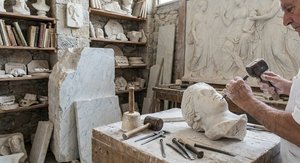
Trwała Spuścizna Marmuru: Kompleksowa Eksploracja Technik, Symboliki i Wyrazu Artystycznego
Odkryj fascynujący świat rzeźby marmurowej! Poznaj historię, techniki i symbolikę tego wyjątkowego medium artystycznego. Inspiracje renesansowe, wybitni artyści i współczesne interpretacje – wszystko w jednym miejscu.

Beyond the Canvas: Why Marble is the Ultimate Power Move for Modern Interiors
Discover why marble is the ultimate power move for modern luxury interiors. Explore how to pair premium natural stone with bold contemporary art to create high-impact, sophisticated spaces that define architectural excellence and timeless design authority.
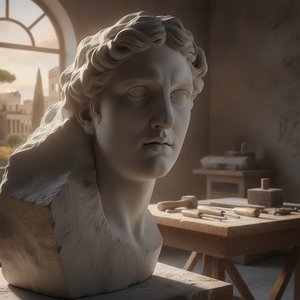
The Eternal Beauty of Marble: A Guide to Sculpting Light, Stone, and the Soul of Art History
Explore the sublime artistry of marble sculpture. From Greek antiquity to the masters of light, discover how stone captures the eternal essence of human beauty and emotion through expert craftsmanship and historical mastery.

Urok marmuru w historii sztuki: od klasycznej rzeźby do nowoczesnej abstrakcji
Odkryj fascynującą historię rzeźby marmurowej – od klasycznych arcydzieł po nowoczesną abstrakcję. Poznaj techniki, artystów i wartość kolekcjonerską tego wyjątkowego medium. Ekspercka analiza dla miłośników sztuki.

Timeless Elegance: A Complete Guide to the Sublime Beauty and Artistry of Marble Sculpture
Discover the sublime beauty of marble art through an expert exploration of Renaissance and Neoclassical masterpieces. From the delicate textures of Carpeaux to the grandeur of Sansovino, immerse yourself in a guide to timeless elegance and sculptural perfection.