The Vocabulary of Vanitas: Decoding Symbols of Decay
To look upon a seventeenth-century Vanitas painting is to enter into a silent, profound dialogue with time itself. This specific genre of still life, which flourished during the Dutch Golden Age, functions as much more than a display of technical virtuosity; it is a visual sermon, a contemplative meditation on the fleeting nature of human existence. The very term Vanitas, derived from the biblical Book of Emclesiastes, encapsulates this core philosophy: that all earthly pursuits are ultimately hollow. Within these compositions, every object acts as a carefully placed syllable in a larger poem about impermanence.
The language of mortality is written through a carefully curated vocabulary of symbols, each acting as a poetic metaphor for the passage of time. We see the heavy presence of the human skull, the ultimate equalizer that strips away titles, wealth, and beauty. When we observe the rich textures of silk or the luster of silver, we are being lured into a sense of permanence that the artist is simultaneously working to dismantle. This duality creates a haunting experience, where the viewer is caught between an appreciation for the beauty of the material world and a somber recognition of its inevitable decay.
The inclusion of dice, playing cards, and ripe fruit—symbols of fortune, indulgence, and abundance—contrasts sharply with the more somber elements of the composition. In works such as Francesco Solimena’s Memento Mori, the artist uses dramatic chiaroscuro to amplify the richness of these subjects, drawing us into a world where beauty and decay coexist in an unsettling harmony. These items remind us that even the most pleasurable experiences are transient.
Mechanical Precision: The Clock as a Measure of Mortality
The Language of Vanitas: An Introduction to Symbolic Mortality The Memento Mori Aesthetic: Decoding the Profound Symbolism of Vanitas Art The Essence of Vanitas: A Meditation on Transience and the Baroque Soul To gaze upon a 17th-century Vanitas pain...
A clock provides shape to something we cannot hold. Its hands make time visible by moving over a marked circle, explaining much of its symbolic weight through its very arrangement. In the Baroque era, clocks were more than mere tools for telling time; they represented power, the fleeting nature of life, and the precision of a universe governed by rules. The clock symbolizes an order that is shared rather than merely private, a rhythm that coordinates human action and provides edges to our days.
This mechanical precision reflects a deeper philosophical concern regarding the finiteness of life. While the clock represents the eternal nature of God or the cosmic rhythm, it also serves as a reminder of the shortness of human existence. In Renaissance and Baroque still-life paintings, the clock can symbolize wealth and power, yet it simultaneously carries the harder meaning of impartial measurement. The dial does not negotiate with rank, talent, or regret; it does not lengthen an hour for grief or shorten one for delight.
This sense of measurable time finds a historical echo in the way ancient civilizations viewed the cosmos. The Egyptians, Mayans, and Mesopotamians designed monumental structures that aligned with celestial events, effectively creating earthbound clocks to track the sun and stars. Just as the Great Pyramids were strategically aligned to track the movement of Sirius, the Baroque clock brought that same cosmic scale down to the domestic table, reminding the viewer that their individual moments are part of a much larger, unstoppable progression.
Vanitas still life with a skull, a lantern with candle, an hourglass and an open book on a wooden table. In the book text and verses titled Pael-Steen.
Within the sophisticated semiotics of Vanitas art, certain objects carry a weight that transcends their physical form. The hourglass, with its rhythmic descent of sand, represents the unstoppable progression of time. It is a symbol of movement that cannot be paused or reversed. As each grain falls, it marks a moment lost to history, mirroring the way life slips away through our fingers. This imagery was frequently paired with other symbols of decay, such as wilting flowers or bruised fruit, to create a cohesive narrative of inevitable decline.
This preoccupation with the passage of time finds its roots in the disciplined contemplations of classical antiquity. The Stoics, including figures such as Seneca and Marcus Aurelius, practiced a form of mental preparation, reminding themselves of their mortality to curb earthly attachments and focus on virtue. They believed that by acknowledging the end, one could refine the soul. This intellectual lineage flowed directly into the religious fervor of later eras, where the recognition of finitude became a gateway to wisdom.
The transition from the fluid, gravity-driven movement of the hourglass to the mechanical ticking of the clock mirrors a shift in human consciousness. While the hourglass emphasizes the loss of substance—the sand literally disappearing from view—the clock introduces a sense of rhythm and recurrence. The hand reaches twelve and begins again; a beginning can carry its ending inside it. This allows for a more structured way of viewing existence, where time is not just a vanishing resource but a series of intervals that define our presence in the world.
Experience the hypnotic tension of Christian Noiret's Fragmented Rhythm in Primary Planes, a unique contemporary abstract masterpiece balancing geometric chaos with vibrant color, available exclusively at OriginalUniqueArt.com.
Clocks were built to coordinate people, symbolizing an order that is shared rather than merely private. Because clocks were used to regulate society, they represent the rules and precision required for complex civilizations to function smoothly. This sense of social rhythm is reflected in the way artists arranged their subjects, creating a controlled chaos where every object has its appointed place. The clock gives each task a space and then returns to the beginning without applause, embodying a certain level of restraint and dignity.
This tension between order and chaos is palpable in the specialized genre of trompe-l'œil, intended to deceive the viewer into thinking a scene is real. In these works, the meticulous arrangement of inanimate objects—books, glasses, or instruments—suggests a world of stability, even as the underlying theme remains one of transience. The clock acts as the anchor of this order, providing a heartbeat to the composition that prevents it from dissolving into mere randomness.
We see this historical echo in the architectural marvels of the past, such as Stonehenge or the temples of the Maya, which were built to align with solar events. These structures functioned as massive, permanent regulators of time, much like the clock regulates the modern day. They provided a dependable hinge for human activity, ensuring that planting, harvesting, and ritual occurred at the correct moment. In the Baroque painting, the clock performs a similar service, providing a sense of structure to the otherwise ephemeral subjects of the Vanitas.
The Eternal Perspective: Finding Stillness Amidst the Ticking Second
A Journey Into History and Reflection: The Museum & Crypt of Capuchins The Museum & Crypt of Capuchins in Rome stands as an unparalleled testament to artistic ingenuity intertwined with profound philosophical contemplation. Located beneath the serene...
To encounter a memento mori is to enter into a silent, profound dialogue with the inevitable. The Latin phrase, translating literally as “remember you must die,” was never intended to inspire fear or despair; rather, it was an invitation to live with intention, fostering a deep sense of humility and a heightened appreciation for the fleeting beauty of the present moment. By acknowledging the transient nature of our physical existence, we learn to find value in the ephemeral.
The clock does not ask us to defeat time; it asks us to recognize the portion in our hands. It offers the dignity of meeting one interval accurately, then allowing the next to arrive. This perspective allows for a way to carry what has passed without letting the past supervise every present choice. In the halls of the Capuchin crypts in Rome, where bones are arranged into intricate architectural patterns, this sentiment is made visceral: “We were what you are; and what we are, you will be.”
In our modern era, where the pace of life often feels frantic and disconnected from natural rhythms, these historical works offer a rare opportunity to pause. They act as a soulful anchor for any space dedicated to reflection. Whether through the heavy shadows of a Dutch still life or the precise rendering of a Renaissance instrument, these artworks remind us that while the clock continues its relentless march, there is profound beauty to be found in the stillness between the ticks.
At OriginalUniqueArt.com, we believe that art should be a window into these enduring truths. Whether you are drawn to the dramatic chiaroscuro of a Baroque reproduction or seeking a custom portrait that captures a personal legacy, our collection is curated to bring the depth and contemplation of the Old Masters into your contemporary home.
Odkryj fascynujący świat malarstwa holenderskiego Złotego Wieku! Poznaj arcydzieła Rembrandta, Vermeera i innych mistrzów. Analiza technik, gatunków i wpływu na sztukę europejską.
Explore the profound beauty of Memento Mori art. Discover how Baroque masters used symbols of mortality to inspire reflection, and learn to curate meaningful, timeless masterpieces for your home with expert guidance from OriginalUniqueArt.
Poznaj 10 arcydzieł holenderskiego baroku! Odkryj historie Rembrandta, Vermeera i innych mistrzów XVII wieku. Reprodukcje obrazów najwyższej jakości – idealne do Twojego wnętrza. OriginalUniqueArt.com

 Time's Relentless March: Decoding the Symbolism of Clocks and Hourglasses in Vanitas Art
 Vanitas Still Life, B. Schaak, 1675 - 1700
 Fragmented Rhythm in Primary Planes: A Singular Study of Geometric Chaos and Motion
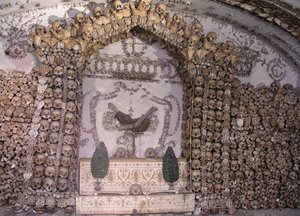 Museum and Crypt of Capuchins




