Surrealism
Sin título (Max Ernst)
Max Ernst (1891–1976) stworzył Sin título. Należy do nurtu Surrealism. Wykonano w technice Engraving.
- Engraving

 Podgląd w skali 1:1

 Ręcznie malowany obraz olejny
 Wyślij jako kartkę
 Udostępnij
 Karta informacyjna


 Pobierz obraz
 Podobne obiekty
 RTG
 Pokaz slajdów
 Pytania i odpowiedzi

 Statystyki
Sin título w skrócie
- Tytuł
- Sin título
- Artysta
- Max Ernst (1891–1976)
- Miejsce urodzenia artysty
- Brühl, Niemcy
- Technika wykonania
- Engraving
- Ruch
- Surrealism
- Epoka
- High Medieval
- Temat
- serpent symbolism, mona lisa echoes, dreamlike struggle, duality of man, surreal landscape, mythological art
Co przedstawia Sin título?
A Descent into the Unconscious: Examining Max Ernst’s “Sin título”
Max Ernst's "Sin título" (Untitled) isn’t merely a black and white etching; it’s an invitation to a psychological landscape, a confrontation with primal fears rendered in stark, unsettling detail. The artwork immediately commands attention through its dynamic composition – a wrestling match between a man and a colossal serpent dominates the frame, interwoven with a ghostly cameo of Mona Lisa that subtly complicates the narrative. Ernst, a pivotal figure in both Dada and Surrealism, masterfully employs a technique reminiscent of engraving or etching, creating an extraordinary contrast between light and shadow, sharp lines, and a flattened perspective that contributes to the work’s dreamlike quality. This isn't simply a depiction of physical struggle; it’s a visual representation of internal conflict, a battle waged within the depths of the human psyche.
The choice of materials – likely etched onto a metal plate and subsequently printed – speaks volumes about Ernst’s artistic process. The rigid linearity of the linework, while creating a graphic appearance, also suggests an underlying tension, mirroring the struggle depicted on the surface. The deliberate lack of shading or realistic depth further enhances this sense of unease, pushing the scene into the realm of symbolism and allegory. It's crucial to note that Ernst was deeply interested in exploring the subconscious, and “Sin título” is a prime example of his ability to translate complex psychological themes into visual form.
The Symbolism of Serpent and Woman: Echoes of Mythology and Art History
The serpent itself is a potent symbol throughout history – representing temptation, chaos, knowledge, and the cyclical nature of life. Here, it’s not merely a beast but an embodiment of primal urges, a force resisting control. The man wrestling with it embodies humanity's struggle against these darker aspects of its own being. Interestingly, positioned within this chaotic scene is a subtle yet significant detail: the inclusion of Mona Lisa. This iconic portrait, instantly recognizable and imbued with an aura of serene beauty, acts as a counterpoint to the turmoil unfolding before us. Some art historians interpret this juxtaposition as representing the eternal conflict between reason and emotion, or perhaps the allure of the unattainable – a reminder that even in moments of intense struggle, there exists a lingering sense of beauty and detachment.
The tower-like structure in the background adds another layer to the symbolism. Towers often represent ambition, power, and reaching for the heavens—but here, it feels somewhat ominous, perhaps suggesting an unattainable goal or a precarious position within this internal struggle. The overall composition suggests a descent into the unconscious, a confrontation with fundamental human dilemmas.
Ernst’s Methodologies: Frottage and the Surrealist Approach
Understanding Max Ernst's artistic methods is key to appreciating “Sin título.” He was a pioneer of techniques like *frottage* – rubbing a pencil over textured surfaces to create unexpected images – and *grattage*, scraping paint across canvas to reveal hidden patterns. These processes were designed to bypass conscious control, tapping into the subconscious mind and generating surprising visual results. This approach is clearly evident in “Sin título,” where the deliberate use of line work and the seemingly random arrangement of elements contribute to a sense of controlled chaos. Ernst wasn’t simply painting what he *saw*; he was actively seeking to access and translate the hidden realities of his inner world.
The artwork's stark black and white palette further emphasizes this exploration of the subconscious. It strips away any distractions, forcing the viewer to confront the raw emotion and psychological intensity of the scene. It’s a testament to Ernst’s skill that he can create such a powerful and unsettling image using such a limited range of tones.
A Reproduction for the Collector: Bringing “Sin título” into Your Space
OriginalUniqueArt offers meticulously hand-painted reproductions of Max Ernst's "Sin título," capturing the essence of this iconic work with unparalleled detail and fidelity. Our artists replicate Ernst’s distinctive linework, creating a stunning visual experience that faithfully reproduces the artwork’s unsettling atmosphere and symbolic depth. Whether you are an art collector seeking to expand your Surrealist collection or simply looking for a unique piece of art to enhance your interior design, our reproduction provides a beautiful and authentic representation of this seminal work. The high-quality materials used ensure that the reproduction will last for generations, preserving the power and mystery of Ernst’s vision. Explore our options today and bring this captivating image into your world.
Zdjęcia w wysokiej rozdzielczości dzieła Sin título

Chronione prawem autorskim: pliki te służą wyłącznie do osobistego wglądu i nie stanowią licencji na ich powielanie.
Max Ernst, Sin título.
Max Ernst (1891–1976), Sin título, engraving. Źródło obrazu: OriginalUniqueArt.com.
Odpowiedzi na pytania dotyczące Sin título
W jakiej technice wykonano „Sin título” – Max Ernst?
„Sin título” wykonano w technice Engraving.
Co przedstawia "Sin título"?
Tematyka obecna w „Sin título” – Max Ernst obejmuje serpent symbolism, mona lisa echoes, dreamlike struggle, duality of man, surreal landscape, mythological art, black and white drama. Razem stanowią one podsumowanie tematyki dzieła.
Czy dzieło "Sin título" znajduje się w domenie publicznej?
Status praw autorskich dla „Sin título” – Max Ernst: dzieło znajduje się w nadal objęte ochroną prawa autorskiego. Określa to, czy reprodukcje obrazu mogą być sporządzane swobodnie.
Kto jest autorem dzieła "Sin título"?
Autorem dzieła „Sin título” jest Max Ernst. Praca ta figuruje w katalogu pod nazwiskiem Max Ernst.
Do jakiego nurtu w sztuce należy „Sin título” – Max Ernst?
„Sin título” – Max Ernst należy do nurtu Surrealism. Nurt ten stanowi stylistyczny kontekst dzieła.
Do którego okresu twórczości Max Ernst należy dzieło „Sin título”?
„Sin título” pochodzi z okresu Mature Period w twórczości Max Ernst. Klasyfikacja ta wiąże dzieło z rozwojem artysty.
Czy dzieło „Sin título” autorstwa Max Ernst znajduje się w domenie publicznej i dlaczego?
Dzieło "Sin título" autorstwa Max Ernst znajduje się w nadal objęte ochroną prawa autorskiego. Okres ochrony praw autorskich liczony jest od daty śmierci artysty, a Max Ernst zmarł(a) w 1976.
Jakie miejsce w dorobku twórczym Max Ernst zajmuje dzieło "Sin título"?
W dorobku Max Ernst, "Sin título" wpisuje się w styl Surrealism, nawiązując do tematów takich jak dada & surrealist echoes, mythic confrontation, psychological tension, humanity's dark side, symbolic allusion, ernst's dreamscapes", exploring the unconscious", recurring serpent motif.
W jaki sposób tematyka dzieła "Sin título" odnosi się do typowych motywów twórczości Max Ernst?
„Sin título” przedstawia serpent symbolism, mona lisa echoes, dreamlike struggle, duality of man, surreal landscape, mythological art, black and white drama, podczas gdy powracające motywy u Max Ernst to dada & surrealist echoes, mythic confrontation, psychological tension, humanity's dark side, symbolic allusion, ernst's dreamscapes", exploring the unconscious", recurring serpent motif. Porównanie tych dwóch elementów ukazuje, jak dzieło nawiązuje do typowej dla tego artysty tematyki.
O artyście: Max Ernst
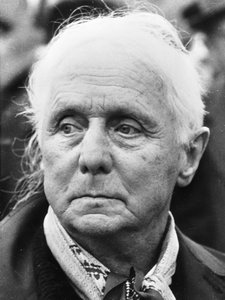
1891–1976, Niemcy
Max Ernst
Życie i korzenie Maxa Ernsta Max Ernst przyszedł na świat 2 kwietnia 1891 roku w Brühl w Niemczech. Wychowywał się w katolickiej rodzinie klasy średniej jako trzecie z dziewięciorga dzieci. Jego dzieciństwo kształtowała spokojna, zdyscyplinowana atmosfera domowego ogniska, w którym jego ojciec, Philipp, pracował jako nauczyciel osób niesłyszących. Philipp był również malarzem-amatorem i to właśnie dzięki niemu chłopiec po raz pierwszy zetknął się z narzędziami oraz praktyką tworzenia sztuki.
Inne prace Max Ernst
 Célèbes lub Słoń Célèbes1921
 Elefant Celebes1921
 Europe Po Regen II1942
 O To Tim Nie Pozna Nikt1923
Eseje o Sin título
 Sztuka jako Prestiż Wnętrz: Program dla Projektantów i Indywidualny Dobór Dzieł z OriginalUniqueArtOriginalUniqueArt – ręcznie malowane reprodukcje i obrazy na zamówienie dla hoteli. Profesjonalne doradztwo, kuratorskie podejście i gwaran…
 Unlocking the Unconscious: The Top 25 Masterpieces by Max ErnstBorn in Brühl, Germany, Max Ernst used frottage and collage to navigate the subconscious, bridging the wreckage of WWI and Surrealism.
 25 Essential Works by Arnold Böcklin: A Journey Through Myth and SymbolismGustav Mahler was so haunted by a single painting that it shaped his Fourth Symphony. What drove Böcklin to revisit his most famous motif?