High Medieval: original voices

96 Famous High Medieval Artyści Who Shaped the Movement

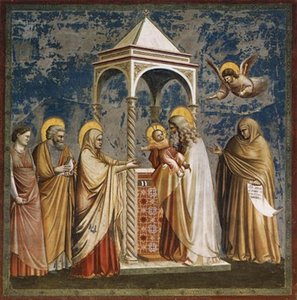
Giotto Di Bondone (1267–1337) is the most famous High Medieval artysta, whose singular vision gave us Madonna in Maest (Ognissanti Madonna) i Madonna z Dzieciątkiem (detal). Next stand Duccio Di Buoninsegna, Cimabue, Zhao Mengfu i Zhu Xi. These 96 artyści, from Xu Daoning (born 970) to Huang Gongwang (born 1269), came from 27 countries.

Our selection. Artists whose works our catalogue attaches to High Medieval, in the order of our fame ranking. Artists born after 1955 with no Wikidata identifier stay out until verified. The Wikipedia figure counts our 32 languages with an article on the artist.

  1. Madonna in Maest (Ognissanti Madonna) autorstwa Giotto Di Bondone1Giotto Di Bondone
  2. Madonna Rucellai autorstwa Duccio Di Buoninsegna2Duccio Di Buoninsegna
  3. Madonna and Child Enthroned (Maesta) autorstwa Cimabue3Cimabue

In brief

High Medieval in brief

  • 96Artyści
  • 970–1269Rok urodzenia
  • 27Kraje pochodzenia
  • 3Kobiety
  • 3Żyjący artyści
  • 1 429Dzieła w naszym katalogu
Miasta z największą liczbą urodzeń
Kyoto (12), Hangzhou (5), Siena (4), Kaifeng (3)
Muzea posiadające najważniejsze dzieła
Metropolitan Museum of Art (12), The Palace Museum (9), National Palace Museum (9), Cleveland Museum of Art (6)

One artist at a time

96 High Medieval Artyści and their signature works

1of 96

Giotto Di Bondone

Włoski Born in Vicchio Proto-Renensans Wikipedia in 31/32 languages

Giotto Di Bondone

Giotto Di Bondone wyłonił się z malowniczych wzgórz w pobliżu Florencji we Włoszech około 1267 roku. W tych przestrzeniach Giotto Di Bondone tworzył w atmosferze religijnego uniesienia epoki, będąc współczesnym postaciom takim jak Dante Alighieri czy Duccio di Buoninsegna. W Padwie, w Kaplicy Scrovegnich – często nazywanej Kaplicą Areny – odnajdujemy dzieło, które Giotto Di Bondone ukończył około 1305 roku.

Pupil of Cimabue #3 · Teacher of Pietro Cavallini #84

Signature works · The 100 signature works

2of 96

Duccio Di Buoninsegna

Włoska Born in Siena Szkoła syreńska, gotyk Trecento Wikipedia in 31/32 languages

Duccio Di Buoninsegna

Urodzony w Sienie, we Włoszech, około 1255 roku, Duccio Di Buoninsegna prowadził życie głęboko splecione z religijnym i obywatelskim rytmem Toskanii. The Virgin and Child with Saints Dominic and Aurea (1312). Urodzony w Sienie, we Włoszech, około 1255 lub 1256 roku, Duccio Di Buoninsegna wywodził się z linii rodowej, która ukształtowała samą istotę jego tożsamości.

Pupil of Cimabue #3

Signature works · The 100 signature works

3of 96

Cimabue

Włoski Born in Florencja Bizantyński i Renesansowy Wikipedia in 28/32 languages

Cimabue

W tętniących życiem ulicach florenckiej Italii, około 1240 roku, rozpoczął swój żywot człowiek znany jako Giovanni Cimabue. Urodzony we Florencji około 1240 roku młody człowiek, który miał stać się znany jako Cimabue, wkroczył w świat, w którym tradycje Bizancjum wciąż mocno trzymały ducha sztuki. Następnie, około 1270 roku, powstał Krucyfiks w San Domenico w Arezzo, gdzie ciało Chrystusa zdaje się uginać pod ciężarem własnej męki.

Signature works · The 100 signature works

4of 96

Zhao Mengfu

Chińska Born in Huzhou Malarstwo literackie; Malarstwo pejzażowe Wikipedia in 18/32 languages

Zhao Mengfu

Zhao Mengfu (1254–1322) jawi się jako monumentalna postać sztuki dynastii Yuan i prawdopodobnie ojciec nowoczesnego chińskiego malarstwa pejzażowego. Urodzony w szlacheckiej linii dynastii Song, wczesne lata Zhao upłynęły pod znakiem przywilejów, ale zostały również naznaczone przez burzliwe czasy polityczne – podbój mongolski głęboko przekształcił kulturowy krajobraz Chin.

Signature works · The 100 signature works

5of 96

Zhu Xi

Wikipedia in 31/32 languages

Zhu Xi

Zhu Xi był wybitnym chińskim filozofem, historykiem, politykiem, poetą oraz kaligrafem epoki dynastii Południowej Song. Przez całe swoje życie Zhu Xi wielokrotnie pełnił funkcje urzędnicze, w tym okres jako prefekt okręgu wojskowego Nankang, gdzie przywrócił do świetności Akademię w Grocie Białego Jelenia. Jego obszerne komentarze do Czterech Ksiąg ostatecznie stały się fundamentem tekstów wykorzystywanych podczas cesarskich egzaminów urzędniczych.

Signature works · The 100 signature works

6of 96

Ma Yuan

chińska Born in Hangzhou szkoła Ma-Xia, dynastia Song Południowa Wikipedia in 19/32 languages

Ma Yuan

Aby zrozumieć pejzaż dynastii Południowej Song, należy przyjrzeć się temu, jak Ma Yuan operował pustką. W dziełach takich jak Scholar Viewing a Waterfall, tuszu warstwy nakładane są z niezwykłą precyzją, wykorzystując subtelne gradacje tonalne do budowania głębi i atmosfery bez polegania na ciężkich konturach.

Signature works · The 100 signature works

7of 96

Guo Xi

Chińczyk Born in Yancheng Krajobraz malarstwa dynastii Song Północnej Wikipedia in 16/32 languages

Guo Xi

Guo Xi (郭熙), urodzony około 1020 roku w Yancheng w prowincji Jiangsu w Chinach, wywodził się z rodziny głęboko zakorzenionej w konfucjańskiej nauce – tradycji, która w sposób fundamentalny ukształtowała jego wrażliwość artystyczną. Wkład Guo Xi w sztukę chińską jest nierozerwalnie związany z dynamicznie rozwijającym się ruchem malarstwa pejzażowego epoki dynastii Północnej Song.

Signature works · The 100 signature works

8of 96

Emperor Huizong of Song

Chinese Born in Kaifeng Song Dynasty; Slender Gold calligraphy Wikipedia in 19/32 languages

Emperor Huizong of Song

As noted by contemporary artists like Zeng Fanzhi, the profound beauty found in his compositions—such as the serene stillness of Listening to the Qin —continues to resonate, offering a moment of meditative peace that transcends the turbulent history of his life.

Signature works · The 100 signature works

9of 96

Muqi

Chinese Born in Sichuan Chan painting Wikipedia in 14/32 languages

Muqi

Natural Simplicity: His legendary Six Persimmons remains perhaps the most iconic example of Chan painting, where the weight, texture, and subtle translucency of the fruit are rendered with an almost miraculous economy of line.

Signature works · The 100 signature works

10of 96

Guido Da Siena

Francuski Born in Włochy Średniowieczna architektura/projektowanie Wikipedia in 17/32 languages

Guido Da Siena

Villard de Honnecourt, postać spowita intrygującą tajemnicą, jawi się jako jeden z najważniejszych, a zarazem najbardziej enigmatycznych artystów XIII-wiecznej Francji. Urodzony około 1230 roku w Pikardii – regionie słynącym wówczas z niezwykłego ożywienia artystycznego – pozostawił po sobie dziedzictwo oparte niemal w całości na niezwykłym „szkicowniku”, czyli albumie, który obecnie znajduje się w zbiorach Bibliothèque nationale de France w Paryżu.

Signature works · The 100 signature works

11of 96

Bonaventura Berlinghieri

Włoski Born in Lukka Styl bizantyjski Wikipedia in 14/32 languages

Bonaventura Berlinghieri

Bonaventura Berlinghieri, wybitny włoski malarz pochodzący z Luccy, kwitł w XIII wieku (1210-1287). Jego ojciec, Berlinghiero Berlinghieri, oraz bracia, Barone i Marco Berlinghieri, byli również utalentowanymi artystami. Ten styl, pod wpływem bliskości Cesarstwa Bizantyjskiego, przedstawiał sceny religijne w sposób nieosobisty, trzymając się kontrojonowizji teologii kościelnej. Święty Franciszek z Asyżu (1235), zamówiony dla Kościoła Świętego Franciszka w Pescii we Włoszech, jest jednym z najwcześniejszych przedstawień św.

Signature works · The 100 signature works

12of 96

Master Mateo

Spanish Romanesque Sculpture

Master Mateo

While his contemporaries often relied on stylized, flat figures, Mateo meticulously studied human anatomy and the complex behavior of drapery, achieving an astonishing accuracy in his depictions. His mastery of limestone carving was unparalleled, particularly through his use of a technique known as trabajo vivo.

Signature works · The 100 signature works

13of 96

Giovanni Pisano

Włoska Born in Piza Połączenie gotyku i stylu rzymskiego

Giovanni Pisano

Giovanni Pisano wyłonił się z artystycznego tygla Pizy we Włoszech w 1248 roku. Jego wczesne współprace z Nicolą przy znaczących dziełach, takich jak ambona w katedrze w Sienie (1265–1268) oraz fontanna Fontana Maggiore w Perugii (ukończona w 1278 roku), ujawniają niezaprzeczalne mistrzostwo formy odziedziczone po ręce ojca.

Signature works · The 100 signature works

14of 96

Mi Fei

Chińczyk Born in Jiangsu Sztuka dynastii Song Wikipedia in 17/32 languages

Mi Fei

Mi Fei, wybitny chiński malarz, poeta i kaligraf, przyszedł na świat w 1051 roku w Taiyuan, w czasach dynastii Song. Ta nowatorska technika zapewniła mu nieśmiertelną sławę jako jednemu z czterech największych kaligrafów dynastii Song, stojącemu w jednym szeregu z takimi mistrzami jak Su Shi, Hung Tingjian oraz Cai Xian.

Signature works · The 100 signature works

16of 96

Li Gonglin

Born in Tongcheng Song Dynasty painting Wikipedia in 9/32 languages

Li Gonglin

Li Gonglin’s painting style is often described as a deliberate revival of earlier traditions, particularly those of the Five Dynasties period (907-960). He consciously rejected the prevailing trends of his time – the opulent and decorative styles favored by many court painters. Li Gonglin, formally known as Longmian Jushi (meaning “Old Man with the Dragon Face”), and bearing the style name Boshi, stands as a towering figure in the landscape of Chinese painting during the Northern Song dynasty.

Signature works · The 100 signature works

17of 96

Ma Lin

Chińska Born in Baoding Technika malarska 'bez kośćca' (boneless) Wikipedia in 7/32 languages

Ma Lin

Zhuang Mengfu: Jeźdźcy prowadzący białego konia – odkrycie innego znamienitego artysty z tego samego okresu. Tenshō Shūbun: Górski krajobraz – docenienie wpływu sztuki chińskiej na malarzy japońskich.

Signature works · The 100 signature works

19of 96

Gislebertus

French Romanesque Sculpture

Gislebertus

While biographical details remain scarce, scholars believe he was trained at Cluny Abbey, arguably the epicenter of European monastic art and intellectual life at the time. While his roots are firmly planted in the Romanesque tradition of Cluny, his expressive power and narrative complexity hint at the burgeoning naturalism that would later define Gothic art.

Signature works · The 100 signature works

20of 96

Badīʿ Az-Zaman Abu L-ʿIzz Ibn IsmāʿĪl Ibn Ar-Razāz Al-Jazarī

Muslim Born in Jazirat Ibn Omar Islamic Golden Age Engineering

Badīʿ Az-Zaman Abu L-ʿIzz Ibn IsmāʿĪl Ibn Ar-Razāz Al-Jazarī

He represents a pivotal figure in the Golden Age of Islam, a period characterized by intellectual flourishing and groundbreaking innovation across diverse fields.

Signature works · The 100 signature works

21of 96

Giunta Pisano

Italian Born in Pisa Renaissance style Wikipedia in 10/32 languages

Giunta Pisano

The Crucifix of San Raniero demonstrates this perfectly, showcasing the artist’s ability to convey both physical pain and spiritual anguish with astonishing realism. Byzantine Influence: His early works show clear traces of Byzantine iconography, particularly in the composition and rendering of Christ’s figure. Artists like the Master of the Blue Crucifixes, the Master of the Treasury, and Vicino da Pistoia are believed to have been influenced by his work.

Signature works · The 100 signature works

22of 96

Xia Gui

Song dynasty Born in Hangzhou Wikipedia in 16/32 languages

Xia Gui

The surviving works of Xia Gui include various genres, such as small album leaves and hand scrolls. Notable examples of his work include: His influence extended far beyond his own era, impacting the Japanese master Sesshū Tōyō, who was influenced by Xia's idiom and made studies of his landscape fans. While much of his life remains unknown, he served in the Imperial Painting Academy during the reign of Emperor Ningzong.

Signature works · The 100 signature works

23of 96

Nicola Pisano

Włoska Born in Apulia Sztuka romańska

Nicola Pisano

Nicola Pisano (ok. 1220/1225 – ok. 1284) jawi się jako monumentalna postać włoskiej rzeźby, uznawana nie tylko ze względu na swój kunszt artystyczny, ale przede wszystkim jako prekursor tego, co z czasem znamy jako rzeźbę nowoczesną.

Signature works · The 100 signature works

24of 96

Li Tang

Song dynasty Born in Meng Prefecture Academy-style landscape Wikipedia in 15/32 languages

Li Tang

They strike the silk or paper like a chisel hitting wood, carving out the rugged textures of the natural world. Through this precision, his approach became the foundation for what is recognized as the academy-style landscape of the Southern Song. Southern Song painters Xia Gui and Ma Yuan studied his compositions and techniques, absorbing his approach to space and form.

Where to see The physical remnants of Li Tang's brushwork reside primarily within major institutional collections.

Signature works · The 100 signature works

25of 96

Qian Xuan

Chinese Born in Wuxing District Fur and feathers painting; Song realism blended with archaic Tang style Wikipedia in 12/32 languages

Qian Xuan

Similarly, his ability to interpret the styles of predecessors, such as his breathtaking Landscape in the Style of Ni Zan, demonstrates a deep reverence for the lineage of Chinese art and an ability to weave historical continuity into his own unique vision.

Signature works · The 100 signature works

28of 96

Herrad of Landsberg

Wikipedia in 16/32 languages

Herrad of Landsberg

Herrad of Landsberg, a woman of noble Alsatian lineage, emerged not merely as a religious leader but as one of the most significant polymaths of the Middle Ages. Though she passed away on July 25, 1195, after twenty-eight years of influential leadership, her voice remains audible through the surviving pages of her Garden.

Signature works · The 100 signature works

30of 96

Joannes Koulix

Byzantine Born in standardized city name Manuscript illumination

Joannes Koulix

Creating such a masterpiece demanded immense patience and skill. The tempera paint had to be applied in thin layers, allowing each layer to dry completely before adding the next. It is not merely a beautiful object but also a valuable historical document, offering insights into the religious beliefs, artistic conventions, and technological skills of 12th-century Byzantium.

Signature works · The 100 signature works

32of 96

Villard De Honnecourt

French Gothic architecture

Villard De Honnecourt

He clearly drew upon the established traditions of medieval architecture, particularly the Cistercian style prevalent in northern France. However, he also incorporated elements from other sources: the writings of classical mathematicians like Euclid, the techniques employed by medieval workshops, and perhaps even contemporary innovations in engineering.

Signature works · The 100 signature works

33of 96

Fujiwara No Sadanaga

Japanese Born in Kyoto Waka poetry

Fujiwara No Sadanaga

His verse often explores themes of impermanence, the beauty of transience, and the emotional resonance of natural imagery. His most famous poem, included in the renowned Hyakunin Isshu anthology, vividly depicts mist rising over dew-kissed pines on an autumn evening—a motif that resonated deeply with later artists and poets. Though Jakuren’s life was tragically cut short in 1202—before the completion of the Shin Kokin Wakashū—his legacy endured.

Signature works · The 100 signature works

34of 96

Zhang Zeduan

Chinese Empire Born in Zhucheng shan shui Wikipedia in 15/32 languages

Zhang Zeduan

Zhang Zeduan’s technical precision helped define the early development of shan shui, the foundational Chinese landscape art style. His approach moved beyond mere representation to establish a structural language for depicting the natural and built environments. Zhang Zeduan’s influence is measured by the sheer volume of iterations his themes have inspired.

Where to see Tracing the physical presence of Zhang Zeduan's output requires looking toward two major institutions in East Asia.

Signature works · The 100 signature works

35of 96

Sū Hànchén

Chinese Born in Kaifeng Song Dynasty painting

Sū Hànchén

His subjects were often drawn from domestic life – children at play, women engaged in scholarly pursuits or gentle pastimes. These weren’t idealized representations; rather, they felt remarkably real, capturing fleeting moments of joy, contemplation, and connection. Although Su Hanchen’s surviving oeuvre is relatively small, his influence on subsequent generations of Chinese painters is undeniable.

Signature works · The 100 signature works

37of 96

Gaddo Gaddi

Italian Born in Florence Gothic Art

Gaddo Gaddi

The Coronation of the Virgin: A breathtaking mosaic situated over the interior door of the Florence Cathedral, dated to approximately 1307, which stands as a testament to his ability to marry spiritual grandeur with technical precision.

Signature works · The 100 signature works

38of 96

Huang Gongwang

Yuan dynasty Born in Changzhou Literati painters (wenrenhua) Wikipedia in 12/32 languages

Huang Gongwang

Huang Gongwang’s approach to the landscape was a deliberate departure from the rigid conventions of the era's Academy. Rather than adhering to the formal structures of his contemporaries, he sought a more personal expression of the natural world. His approach moved away from the rigid conventions of the imperial academies, favoring instead a personal, scholarly expression.

Signature works · The 100 signature works

40of 96

Meliore Of Jacopo

Italian Medieval Italian art

Meliore Of Jacopo

This work, depicting Christ alongside the Virgin, Saint Peter, Saint Paul, and Saint John the Evangelist, represents a significant departure from his earlier geometric roots, embracing a style that is reminiscent of the great Cimabue. Christ the Redeemer and Four Saints: A profound example of his ability to weave complex theological narratives through balanced, sacred imagery. By integrating the geometric discipline of the Master of the Bigallo Crucifix with the more expressive, proto-Renaissance techniques seen in the works of Cimabue, Meliore helped pave the way for the dramatic innovations that would later define Florentine art.

Signature works · The 100 signature works

45of 96

Kuo, River

Chinese Born in Hangzhou Song Dynasty Science & Philosophy

Kuo, River

Born in the vibrant landscape of Hangzhou around 1031, the historical figure was a true polymath, often likened to a Chinese Leonardo da Vinci. The foundations of this intellectual and creative prowess were laid in the fertile soil of the Song Dynasty’s golden age. While history often remembers the name Shen Kuo as the towering intellectual giant of the Song Dynasty—a man whose mind spanned the celestial mechanics of the stars and the magnetic pull of the earth—the contemporary artistic identity of River Kuo breathes new life into this ancestral legacy.

Signature works · The 100 signature works

46of 96

Arnolfo Di Cambio

Chiński Born in Colle Val d'Elsa Malarstwo dynastii Yuan

Arnolfo Di Cambio

Urodzony w Colle Val D'Elsa około 1245 roku, przeżył okres głębokich przemian artystycznych, co pozwoliło mu chłonąć majestat antycznego Rzymu, a jednocześnie pioniersko tworzyć nowe formy, które przez stulecia definiowały gotycką wrażliwość. Jego wczesna nauka u mistrzów takich jak Nicola Pisano zapewniła mu bezcenne fundamenty, co jest szczególnie widoczne w jego pracy nad marmurową amboną dla katedry w Sienie między latami 1265 a 1268.

Signature works · The 100 signature works

47of 96

Muhammad Ibn Ammar

Brytyjska Born in Silves Ilustracja botaniczna

Muhammad Ibn Ammar

Muhammad Ibn Ammar, znany również jako abū bakr muḥammad ibn ʿammār ibn al-ḥusyn ibn ʿammār al-quḍā'ī, był wybitnym arabskim poetą i malarzem pochodzącym ze Silves w Portugalii, urodzonym w 1031 roku. Awans Ibn Ammara na stanowisko wezyra taify Sewilli stał się przełomowym momentem w jego karierze. Jego spektakularne zwycięstwo w partii przeciwko Alfonsowi VI Kastylijskiemu doprowadziło nawet do wycofania się kastylijskiego monarchy z Sewilli.

Signature works · The 100 signature works

53of 96

Hemachandra

Born in Dhandhuka Wikipedia in 10/32 languages

Hemachandra

Hemachandra was a prolific scholar and monk of the Śvetāmbara school of Jainism. Born in Dhandhuka, India, he was a man of immense intellect, earning the title kalikālasarvajña, meaning "the knower of all knowledge in his times." His vast contributions spanned numerous disciplines, including mathematics, history, philosophy, poetry, and grammar.

Signature works · The 100 signature works

54of 96

Bolesław Iv The Curly

Polish Born in Krakow Medieval Art

Bolesław Iv The Curly

In the turbulent landscape of twelfth-century Poland, where the echoes of the Piast dynasty's greatness still resonated, Bolesław IV the Curly emerged not merely as a ruler, but as a transformative force. Following the untimely passing of his elder brothers, Leszek and Casimir, Bolesław ascended to the dukedom of Masovia, stepping into a political arena fraught with tension and the looming shadow of his half-brother, Władysław II the Exile.

Signature works · The 100 signature works

55of 96

Fujiwara No Koreyuki

Japanese Born in Zama Heian calligraphy & poetry

Fujiwara No Koreyuki

He is best known for his exquisite calligraphy on scrolls featuring poems from the Wakan Roeishu, a renowned anthology of Japanese and Chinese verses compiled in the early eleventh century. These were not simply copies; Koreyuki imbued each character with a subtle energy, demonstrating mastery over brushstroke variation and spatial composition.

Signature works · The 100 signature works

56of 96

Adelhog

German Born in Hildesheim Medieval Art

Adelhog

Cultural Connectivity: Through his education in Toulouse, he acted as a conduit for French artistic influences within the German ecclesiastical tradition. Patronage of Visual Identity: His oversight of the minting process helped establish a cohesive visual brand for the Hildesheim diocese, emphasizing themes of purity and strength. While much of his early education remains shrouded in the mists of time, historical records point toward his training at the Toulouse Cathedral in France.

Signature works · The 100 signature works

57of 96

Urtu Saqaltu

Khitan Born in Beijing Literati painting, Confucian tradition

Urtu Saqaltu

Chucai’s artistic style is most accurately described as “literati painting,” a genre deeply rooted in Chinese tradition. The use of gold leaf – particularly evident in works like “Landscape with Tower” – added an element of luxury and spiritual significance, elevating the paintings beyond mere representations of the world to symbolic expressions of higher ideals. Perhaps his most significant contribution was persuading Genghis Khan to adopt a strategy of incorporating Chinese administrators and artisans into the conquered territories – a decision that proved instrumental in consolidating Mongol control over vast swathes of China.

Signature works · The 100 signature works

58of 96

Fernando Martins De Bulhões

Portuguese Born in Lisbon Religious Art

Fernando Martins De Bulhões

This image symbolizes his deep love for Christ and his role as a protector of children. The artistic representations serve not only to commemorate his life but also to convey the core values he embodied: faith, humility, charity, and unwavering love for God and humanity. In 1946, Pope Pius XII bestowed upon him the title of “Doctor of the Church,” a prestigious honor reserved for saints whose writings and teachings have had a significant influence on Catholic theology.

Signature works · The 100 signature works

60of 96

Master Of Bigallo

Italian Proto-Renaissance

Master Of Bigallo

Operating primarily around Florence during a period of immense artistic ferment, this anonymous artist stands as a pivotal figure bridging the late Gothic and early Renaissance, yet stubbornly resisting easy categorization. Pinpointing the exact dates of his career is challenging, though scholars generally place his activity between 1215/20 and 1265. Despite remaining anonymous, the Master of the Bigallo’s contribution to Italian art is undeniable.

Signature works · The 100 signature works

61of 96

Master Of Cabestany

Italian Romanesque

Master Of Cabestany

What sets the Master of Cabestany apart is not merely the quality of his work—though that is undeniably exceptional—but also its surprisingly broad geographic distribution. Despite the distances involved, a remarkable consistency in style binds these works together—a testament to the Master’s strong artistic vision and perhaps his direct involvement in overseeing key aspects of each project. The Master of Cabestany did not emerge from a vacuum.

Signature works · The 100 signature works

62of 96

Hōgen En’I

Japanese Born in Kyoto Yamato-e & Emakimono

Hōgen En’I

His era was one of profound transition, where the rugged energy of the Kamakura period met the refined aesthetic sensibilities of the Yamato-e tradition. His ability to blend the sacred with the beautiful, and the historical with the poetic, set a standard for the emakimono tradition that few could ever hope to reach.

Signature works · The 100 signature works

65of 96

Benedetto Antelami

Born in Pochlam Romanesque

Benedetto Antelami

The technical prowess displayed by Antelami reflects a pivotal moment in medieval art history. This evolution is evident in masterpieces such as the Deposition from the Cross, where dramatic relief carving and poignant religious scenes showcase a burgeoning Gothic influence. Whether carving the intricate Histories of the Virgin or the symbolic History of Borgo, Antelami utilized a multi-layered arrangement to guide the viewer’s eye through sacred timelines, turning architectural surfaces into epic tapestries of stone.

Signature works · The 100 signature works

67of 96

Qingmao Gulin

Chinese Born in Leying Zen Calligraphy, Wanshi-ha Poetry

Qingmao Gulin

Wanshi-ha Poetry Movement: Qingmao Gulin was an integral part of the Wanshi-ha poetry movement, known for its unique writing style influenced by the Sōtō monk-poet Hongzhi Zhengjue. Elegance and Beauty: Despite the boldness of his strokes, his calligraphy is also celebrated for its elegance and beauty, serving as an inspiration to subsequent generations of artists. He not only produced stunning works of art but also contributed significantly to the intellectual and artistic landscape of his time through his involvement in the Wanshi-ha poetry movement.

Signature works · The 100 signature works

68of 96

Hildegard von Bingen

German

Hildegard von Bingen

Between 1158 and 1163, she composes Liber Vitae Meritorum. This preoccupation with moral struggle extends into her musical compositions, specifically the morality play Ordo Virtutum. A number of scholars consider her to be the founder of scientific natural history in Germany.

Signature works · The 100 signature works

70of 96

Filippo Rusuti

Italian Roman School

Filippo Rusuti

Filippo Rusuti (c. 1255 – c. 1325) stands as a cornerstone figure in the late thirteenth-century Roman school, an artistic movement that irrevocably transformed European painting and cemented Rome’s position as a center for artistic innovation. The career of Filippo Rusuti spanned nearly four decades, a period that witnessed a dramatic shift in artistic styles and techniques within Italy.

Signature works · The 100 signature works

71of 96

Toba Sōjō

Francuz Born in Toba Realizm Wikipedia in 10/32 languages

Toba Sōjō

Toba Sōjō, znany również jako Kakuyū, był japońskim mnichem-artystą urodzonym w 1053 roku, synem Minamoto no Takakuni. Potwierdzonym przykładem jego kunsztu jest Fudōmyō'ō-ritsuzō w świątyni Daigo-ji, dzieło stanowiące niezwykle ważny zabytek kultury Japonii, które ukazuje jego mistrzostwo w operowaniu różnorodnymi mediami artystycznymi. Jego dzieła znajdują się w stałych zbiorach The Metropolitan Museum of Art oraz University of Michigan Museum of Art, co odzwierciedla jego nieprzemijający wpływ na świat sztuki.

Signature works · The 100 signature works

74of 96

Yi Yuanji

Chinese Born in Changsha Northern Song Dynasty Wikipedia in 7/32 languages

Yi Yuanji

In the vibrant artistic landscape of the Northern Song Dynasty, few names resonate with as much specialized brilliance as Yi Yuanji. Born in the scenic region of Changsha, Hunan, around the year 1000, this master painter emerged from a cultural milieu deeply influenced by the contemplative depths of Buddhist philosophy and the organic aesthetics of Daoism. The Emperor Yingzong himself was so moved by Yi's prowess that he commissioned a monumental work titled The Picture of a Hundred Gibbons.

Signature works · The 100 signature works

75of 96

Nicolas Of Verdun

Flemish [Gothic art](https://www.britannica.com/art/Gothic-art)[Romanesque art](https://www.britannica.com/art/Romanesque-art)[Mosan school](https://www.britannica.com/topic/Mosan-school)

Nicolas Of Verdun

Around 1205, Nicolas turned his attention to Cologne Cathedral, undertaking the creation of the Shrine of the Three Kings—a reliquary intended to house the bones of the biblical Magi. The figures of the prophets, with their supple drapery and individualized features, represent a significant departure from earlier Romanesque conventions. Nicolas of Verdun’s impact on medieval art extends far beyond his individual creations.

Signature works · The 100 signature works

76of 96

Wuxue Zuyuan

Chinese Born in Hangzhou Zen Buddhist ink art and calligraphy

Wuxue Zuyuan

His works, such as the Calligraphy of a Seven-character Line About the Seven Deities of Good Fortune, demonstrate an exquisite command of East Asian calligraphy, where every stroke carries the weight of spiritual intention and Taoist influence.

Signature works · The 100 signature works

79of 96

Liu Songnian

Chinese Born in Hangzhou Southern Song Dynasty Wikipedia in 7/32 languages

Liu Songnian

Furthermore, Liu was influenced by other artists like Gion Nankai, a prominent Nanga painter who brought a more expressive and emotionally charged approach to landscape painting.

Signature works · The 100 signature works

80of 96

Master of Taüll

Born in Roda de Isábena Wikipedia in 7/32 languages

Master of Taüll

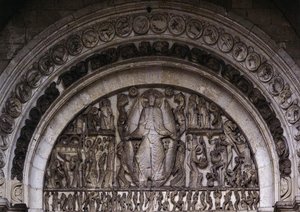
The name of the person who painted the walls of Sant Climent remains lost to time, leaving only the title of the Master of Taüll to mark their presence. The focus remained on the central figure, a Christ in Majesty, seated upon a throne and surrounded by the symbols of the four Evangelists.

Signature works · The 100 signature works

83of 96

Fujiwara Nobuzane

Japanese Born in Kyoto Nise-e, Yamato-e, Kamakura period Wikipedia in 8/32 languages

Fujiwara Nobuzane

In his approach to painting, Nobuzane utilized a technique that favored clarity and psychological depth over mere decoration. These lines were often filled with dense masses of color, particularly when depicting the heavy, stiff robes of the nobility. Portrait of Emperor Go-Toba: An example of his engagement with the highest levels of Japanese leadership.

Signature works · The 100 signature works

84of 96

Pietro Cavallini

Włoska Born in Rzym Naturalizm rzymski

Pietro Cavallini

Pietro Cavallini jawi się jako postać kluczowa dla okresu przejścia od bizantyjskich konwencji artystycznych ku rodzącemu się naturalizmowi, który miał stać się znakiem rozpoznawczym wczesnego renesansu we Włoszech. Urodzony około 1240 roku w Rzymie, pozostaje postacią, której życie spowite jest relatywnemu niepewnością – zachowane zapisy wskazują, że podpisywał się jako pictor romanus, co sugeruje jego głęboką więź z bazyliką św.

Signature works · The 100 signature works

85of 96

Naumburg Master

French High Gothic Wikipedia in 10/32 languages

Naumburg Master

He was active in the towns of Noyon, Amiens, and Reims around 1225, absorbing the High Gothic style that defined the era. By around 1230, he was working at Mainz Cathedral. In these portraits, such as those of Margrave Eckard II of Meissen and his consort Uta von Ballenstedt, the stone takes on a human quality.

Where to see Tracing the physical remains of his hand requires traveling across several locations.

Signature works · The 100 signature works

86of 96

Li Jie

Chinese Born in Xinzheng Tribal Art Wikipedia in 9/32 languages

Li Jie

Jie’s paintings are infused with Buddhist iconography—lotuses symbolizing purity and enlightenment, dragons representing imperial power and auspiciousness—reflecting the dominant religious beliefs of his era. However, these symbols transcend mere decoration; they serve as vehicles for conveying spiritual truths—a hallmark of Daoist art alongside Buddhist principles. Pulleyblank and Alexander Vovin arguing for a profound connection between Jie’s name ("jie") and Proto-Yeniseian (qeˀt/s), “stone.” This hypothesis posits that the root qeˀt/s underlies the ethnonym itself—a daring proposition that suggests Jie's art reflects an awareness of linguistic structures predating Chinese civilization.

Signature works · The 100 signature works

88of 96

Margaritone d'Arezzo

Italian Born in Arezzo Byzantine influence Wikipedia in 8/32 languages

Margaritone d'Arezzo

Born around 1240 in Arezzo, Tuscany, his life is shrouded in mystery, known primarily from a single documentary mention dating back to 1262. The very fact that Giorgio Vasari dedicated space to him in The Lives of the Artists, though often colored by inaccuracies regarding chronology, underscores Margarito’s importance within the local art historical consciousness. His work was largely forgotten until its rediscovery by Giorgio Vasari in the 16th century.

Signature works · The 100 signature works

91of 96

Su Hanchen

Song dynasty Born in Kaifeng Wikipedia in 7/32 languages

Su Hanchen

Su Hanchen lived during the Song dynasty, a period of significant change in China. Born in Kaifeng, he spent much of his life in Zhejiang. His talent was recognized early by the imperial court, where he served as a Painter-in-Attendance for Emperor Huizong.

Signature works · The 100 signature works

92of 96

Xu Daoning

Chinese Born in Xi'an Northern Song Dynasty Wikipedia in 7/32 languages

Xu Daoning

Daoning’s artistic journey was profoundly shaped by Li Cheng (李成, 919–967), one of the most celebrated landscape painters of the Mid-Song period. His early works, such as “ Snow-covered Mountains ” (雪山), demonstrate this clear influence; the composition is characterized by broad washes of ink, suggesting vast distances and an ethereal quality. Daoning deeply admired Li Cheng's masterful use of atmospheric perspective – the subtle gradations of color and tone that create a sense of depth and distance – and meticulously emulated his techniques.

Signature works · The 100 signature works

93of 96

Zhao Boju

Chinese Blue-and-green landscape painting Wikipedia in 6/32 languages

Zhao Boju

Zhao Boju’s brushwork was defined by a meticulous precision that bridged the gap between different eras of Chinese tradition. He was a practitioner of the blue-and-green landscape style, a method that relied on the application of mineral pigments to create a sense of depth and permanence.

Signature works · The 100 signature works

95of 96

Ren Renfa

Born in China Tang dynasty style Wikipedia in 6/32 languages

Ren Renfa

Ren Renfa was an expert of irrigation works, artist, and a government official of the Yuan dynasty. Born in Qinglong Town, Songjiang, he also served as a hydrological engineer, where his work included dredging an area in what is now Beijing to improve the water supply and leading a team to build embankments after the Yellow River burst its banks.

Signature works · The 100 signature works

Signature works

Signature High Medieval works

  1. Madonna in Maest (Ognissanti Madonna) autorstwa Giotto Di Bondone

    Madonna in Maest (Ognissanti Madonna)

    Giotto Di Bondone

    1310

  2. Madonna Rucellai autorstwa Duccio Di Buoninsegna

    Madonna Rucellai

    Duccio Di Buoninsegna

    1285 · Galleria degli Uffizi, Florencja

  3. Madonna and Child Enthroned (Maesta) autorstwa Cimabue

    Madonna and Child Enthroned (Maesta)

    Cimabue

    1285

  4. The Mind Landscape of Xie Youyu (Youyu qiu he 幼輿丘壑 ) autorstwa Zhao Mengfu

    The Mind Landscape of Xie Youyu (Youyu qiu he 幼輿丘壑 )

    Zhao Mengfu

    1287

  5. Thatched Hut Hand Scroll autorstwa Zhu Xi

    Thatched Hut Hand Scroll

    Zhu Xi

  6. The Football Players autorstwa Ma Yuan

    The Football Players

    Ma Yuan

    1207 · Cleveland Museum of Art

  7. Early Spring autorstwa Guo Xi

    Early Spring

    Guo Xi

    1072 · National Palace Museum, Tajpej

  8. Summer Mountain autorstwa Emperor Huizong of Song

    Summer Mountain

    Emperor Huizong of Song

    1250

A timeline

High Medieval through its signature works

  1. 1055
  2. 1072
  3. 1085
  4. 1124
  5. 1180
  6. 1201
  7. 1205
  8. 1207
  9. 1235
  10. 1235
  11. 1250
  12. 1265
  13. 1270
  14. 1279

Figures

The figures

Every name

List of 96 famous High Medieval artyści, every name

  1. 1Giotto Di BondoneGiotto Di BondoneWłoski · 1267–1337
  2. 2Duccio Di BuoninsegnaDuccio Di BuoninsegnaWłoska · 1255–1319
  3. 3CimabueCimabueWłoski · 1240–1302
  4. 4Zhao MengfuZhao MengfuChińska · 1254–1322
  5. 5Zhu XiZhu Xi1130–1200
  6. 6Ma YuanMa Yuanchińska · 1160–1225
  7. 7Guo XiGuo XiChińczyk · 1020–1090
  8. 8Emperor Huizong of SongEmperor Huizong of SongChinese · 1082–1135
  9. 9MuqiMuqiChinese · 1210–1269
  10. 10Guido Da SienaGuido Da SienaFrancuski · 1230–1290
  11. 11Bonaventura BerlinghieriBonaventura BerlinghieriWłoski · 1210–1287
  12. 12Master MateoMaster MateoSpanish · 1161–1217
  13. 13Giovanni PisanoGiovanni PisanoWłoska · 1248–1318
  14. 14Mi FeiMi FeiChińczyk · 1051–1107
  15. 15Lorenzo MaitaniLorenzo MaitaniItalian · 1255–1330
  16. 16Li GonglinLi Gonglin1049–1106
  17. 17Ma LinMa LinChińska · 1180–1256
  18. 18Yi Kyu-BoYi Kyu-BoKorean · 1168–1241
  19. 19GislebertusGislebertusFrench · 1120–1135
  20. 20Badīʿ Az-Zaman Abu L-ʿIzz Ibn IsmāʿĪl Ibn Ar-Razāz Al-JazarīBadīʿ Az-Zaman Abu L-ʿIzz Ibn IsmāʿĪl Ibn Ar-Razāz Al-JazarīMuslim · 1136–1206
  21. 21Giunta PisanoGiunta PisanoItalian · 1190–1260
  22. 22Xia GuiXia GuiSong dynasty · 1195–1224
  23. 23Nicola PisanoNicola PisanoWłoska · 1230–1284
  24. 24Li TangLi TangSong dynasty · 1050–1130
  25. 25Qian XuanQian XuanChinese · 1235–1305
  26. 26Matthew ParisMatthew ParisEnglish · 1200–1259
  27. 27Jingdezhen Ceramic KilnJingdezhen Ceramic KilnChinese · urodzony/a 1004
  28. 28Herrad of LandsbergHerrad of Landsberg1130–1196
  29. 29Fujiwara No Teika, Fujiwara No SadaieFujiwara No Teika, Fujiwara No SadaieJapanese · 1162–1241
  30. 30Joannes KoulixJoannes KoulixByzantine · urodzony/a 1101
  31. 31Břetislav IBřetislav ICzech · 1002–1055
  32. 32Villard De HonnecourtVillard De HonnecourtFrench · 1200–1266
  33. 33Fujiwara No SadanagaFujiwara No SadanagaJapanese · 1139–1202
  34. 34Zhang ZeduanZhang ZeduanChinese Empire · 1085–1145
  35. 35Sū HànchénSū HànchénChinese · 1094–1172
  36. 36Saigyō HōshiSaigyō HōshiJapanese · 1118–1190
  37. 37Gaddo GaddiGaddo GaddiItalian · 1240–1312
  38. 38Huang GongwangHuang GongwangYuan dynasty · 1269–1354
  39. 39KuniyukiKuniyukiJapanese · 1219–1298
  40. 40Meliore Of JacopoMeliore Of JacopoItalian · 1255–1285
  41. 41Guan DaoshengGuan DaoshengChinese · 1262–1319
  42. 42Philippe le BelPhilippe le BelFrench · 1268–1314
  43. 43Coppo di MarcovaldoCoppo di MarcovaldoItalian · 1225–1276
  44. 44Fujiwara No Tadaie(Teika)Fujiwara No Tadaie(Teika)Japanese · 1033–1091
  45. 45Kuo, RiverKuo, RiverChinese · 1031–1095
  46. 46Arnolfo Di CambioArnolfo Di CambioChiński · 1245–1310
  47. 47Muhammad Ibn AmmarMuhammad Ibn AmmarBrytyjska · 1031–1086
  48. 48Zheng YuanZheng Yuan1056–1093
  49. 49Sakyō No Daibu AkisukeSakyō No Daibu AkisukeAmerican · 1090–1155
  50. 50Magnus Sigurdsson Or Sigurd HaraldssonMagnus Sigurdsson Or Sigurd HaraldssonNorwegian · 1115–1155
  51. 51Kamo No ShigeyasuKamo No ShigeyasuJapanese · 1119–1191
  52. 52Fujiwara no TameyoriFujiwara no TameyoriJapanese · 1128–1201
  53. 53HemachandraHemachandra1088–1172
  54. 54Bolesław Iv The CurlyBolesław Iv The CurlyPolish · 1138–1173
  55. 55Fujiwara No KoreyukiFujiwara No KoreyukiJapanese · 1139–1175
  56. 56AdelhogAdelhogGerman · 1170–1190
  57. 57Urtu SaqaltuUrtu SaqaltuKhitan · 1190–1244
  58. 58Fernando Martins De BulhõesFernando Martins De BulhõesPortuguese · 1195–1231
  59. 59Lanxi DaolongLanxi DaolongChinese · 1213–1278
  60. 60Master Of BigalloMaster Of BigalloItalian · urodzony/a 1218
  61. 61Master Of CabestanyMaster Of CabestanyItalian · 1130–1180
  62. 62Hōgen En’IHōgen En’IJapanese · 1240–1300
  63. 63Issan IchineiIssan IchineiChinese · 1247–1317
  64. 64Xianyu ShuXianyu ShuChinese · 1256–1301
  65. 65Benedetto AntelamiBenedetto Antelami1150–1230
  66. 66Saionji KinhiraSaionji KinhiraJapanese · 1264–1315
  67. 67Qingmao GulinQingmao GulinChinese · 1262–1329
  68. 68Hildegard von BingenHildegard von BingenGerman · 1098–1179
  69. 69FachangFachangChinese · 1210–1269
  70. 70Filippo RusutiFilippo RusutiItalian · 1255–1325
  71. 71Toba SōjōToba SōjōFrancuz · 1053–1140
  72. 72Memmo di FilippuccioMemmo di FilippuccioItalian · 1263–1326
  73. 73Su DongpoSu DongpoChinese · 1037–1101
  74. 74Yi YuanjiYi YuanjiChinese · 1000–1064
  75. 75Nicolas Of VerdunNicolas Of VerdunFlemish · 1130–1205
  76. 76Wuxue ZuyuanWuxue ZuyuanChinese · 1226–1286
  77. 77Buonamico BuffalmaccoBuonamico Buffalmacco1262–1340
  78. 78Lombard MasterLombard MasterItalian · 1096–1160
  79. 79Liu SongnianLiu SongnianChinese · 1174–1224
  80. 80Master of TaüllMaster of Taüll1100–1199
  81. 81Wen TongWen TongSong dynasty · 1018–1079
  82. 82Wang XiWang XiChinese · 1096–1119
  83. 83Fujiwara NobuzaneFujiwara NobuzaneJapanese · 1176–1266
  84. 84Pietro CavalliniPietro CavalliniWłoska · 1240–1330
  85. 85Naumburg MasterNaumburg MasterFrench · 1200–1300
  86. 86Li JieLi JieChinese · 1035–1110
  87. 87Dietisalvi di SpemeDietisalvi di Speme1201–1291
  88. 88Margaritone d'ArezzoMargaritone d'ArezzoItalian · 1240–1290
  89. 89Gao KegongGao KegongChinese · 1248–1310
  90. 90Cui BaiCui BaiChinese · 1000–1074
  91. 91Su HanchenSu HanchenSong dynasty · 1101–1161
  92. 92Xu DaoningXu DaoningChinese · 970–1052
  93. 93Zhao BojuZhao BojuChinese · 1120–1182
  94. 94Fujiwara no TakanobuFujiwara no TakanobuJapanese · 1142–1205
  95. 95Ren RenfaRen Renfa1254–1327
  96. 96KōkeiKōkei

Questions

Your questions

Other movements

Famous artists of other movements

Other periods

Famous artists across the periods

Discover more

More artists to discover