Wczesne lata, rodzina i kształcenie
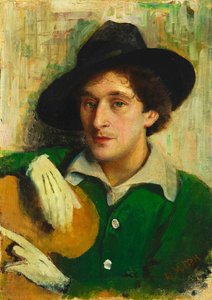
Marc Chagall przychodzi na świat 7 lipca 1887 roku w Witebsku, w Imperium Rosyjskim, jako Moishe Segal. Jest pierwszym z dziewięciorga dzieci w skromnej żydowskiej rodzinie. Jego wczesne życie wyznaczane jest przez rytm pracy i drobnego handlu. Ojciec, Khatskel Segal, pracuje jako konserwator śledzi w magazynie, podczas gdy matka, Feïga-Ita Tchernina, prowadzi mały sklep spożywczy. Te pierwsze lata są głęboko zakorzenione w specyficznej teksturze prowincjonalnego miasteczka, gdzie granice jego świata kształtowane są przez potrzeby licznego gospodarstwa domowego oraz tradycje wspólnoty.
Edukacja rozpoczyna się w murach hederu, tradycyjnej żydowskiej szkoły podstawowej. Tutaj uwaga skupiona jest na nauczaniu religijnym i fundamentalnych tekstach, które stanowią fundament jego wychowania. Gdy artysta osiąga trzynasty rok życia, zakres jego nauki przesuwa się w stronę edukacji świeckiej. Wchodzi do oficjalnej szkoły średniej w Witebsku, aby podjąć naukę w języku rosyjskim, co stanowi odejście od ściśle religijnej sfery jego dzieciństwa. To podwójne istnienie – zawieszone między świętymi tradycjami hederu a świeckimi wymogami państwowej szkoły – tworzy napięcie, które zdefiniuje jego wczesny rozwój.
Artystyczny impuls znajduje swój pierwszy formalny wyraz w Witebsku. Marc Chagall przechodzi pierwsze szkolenie w lokalnej szkole artystycznej prowadzonej przez Iouriego Pena. To właśnie tutaj surowy instynkt wizualnej ekspresji zaczyna krystalizować się w zdyscyplinowaną praktykę. Artysta przechodzi od ustrukturyzowanych lekcji w klasie ku głębszemu zaangażowaniu w sam akt patrzenia, przygotowując grunt pod życie poświęcone przekładaniu pamięci na formę.
Formacyjne lata w Sankt Petersburgu
Przejście od prowincjonalnej ciszy Witebska do imperialnej skali Sankt Petersburga naznaczone jest walką o przetrwanie. W latach 1907–1909 stolica nie oferuje wiele komfortu; bieda staje się nieodłączną towarzyszką, a chwile głodu bywają tak dotkliwe, że fizyczne wycieńczenie staje się bolesną rzeczywistością. Aby przeżyć, Marc Chagall wychodzi na ulice, zarabiając na skromne utrzymanie poprzez malowanie szyldów sklepowych. Te komercyjne zajęcia dostarczają niezbędnych rubli, pozwalających mu trwać w mieście, podczas gdy on sam próbuje odnaleźć się w skomplikowanej rzeczywistości żydowskiego studenta w ogromnym, nieustannie zmieniającym się imperium.
Dążenie do wiedzy akademickiej jest nieustanne. Artysta zapisuje się do kilku akademii, poszukując formalnej struktury dla swojego rodzącego się języka wizualnego. Atmosfera stolicy jest przesycona wpływami awangardy, co tworzy napięcie odciągające go od klasycznego wykształcenia. Znajduje się w pracowni Léona Baksta, scenografa słynnych Ballets Russes, gdzie teatralność projektów scenicznych zaczyna przenikać do jego postrzegania przestrzeni i formy. Ten okres to zderzenie konieczności z ambicją – czas szkicowania w celu przetrwania, przy jednoczesnym chłonięciu radykalnych przemian zachodzących na rosyjskiej scenie artystycznej.
Lata paryskie i wpływ awangardy
Paryż wita go w latach 1910 lub 1911, przynosząc nagłe wyrwanie z prowincjonalnych ograniczeń Imperium Rosyjskiego. Miasto staje się dla niego szokiem sensorycznym. W uliczkach Montparnasse odnajduje światło, kolor i prawdziwą wolność. To już nie jest świat handlarza śledziem czy tradycyjnej szkoły cheder; to krajobraz radykalnych możliwości. Artysta osiada w La Ruche, słynnym kolonii artystycznej, gdzie powietrze wręcz gęstnieje od obecności nowej awangardy. Dzieli tę przestrzeń z takimi postaciami jak Amedeo Modigliani i Fernand Léger, twórcami redefiniującymi granice nowoczesnej ekspresji. Wpływ epoki jest nieunikniony, a jednak Marc Chagall pozostaje outsiderem, chłonąc odkrycia fowizmu i kubizmu, lecz nie poddając się w pełni ich rygorom, zachowując własną, wewnętrzną logikę.
Twórczość powstała w tym okresie zaczyna odzwierciedlać odejście od dosłownej reprezentacji. Artysta zmierza ku stylowi, który przedkłada emocjonalne i poetyckie skojarzenia nad surowe reguły logiki malarskiej. Kolory stają się jaśniejsze, rozświetlone kontaktem z paryską sceną artystyczną. Marc Chagall balansuje między formalnym wykształceniem z przeszłości a eksperymentalną wolnością teraźniejszości. Ten okres intensywnego twórczego tarcia trwa aż do momentu, gdy polityczne niepokoje wojenne rzucają go z powrotem ku Wschodowi. Dopiero w 1923 roku powraca do Paryża wraz z rodziną, na nowo ustanawiając swoją obecność w mieście, które jako pierwsze otworzyło przed nim bramy jego własnego, wizualnego języka.
Lata rosyjskie i rewolucja
Rewolucja przyciąga Marc Chagall z powrotem do Vitebska. Artysta nie ogranicza się jedynie do roli obserwatora dziejowych zawieruch; on próbuje aktywnie kształtować ich krajobraz kulturowy. Przyjmuje funkcję komisarza sztuk pięknych w Vitebsku i obejmuje dyrekcję lokalnej szkoły artystycznej. Jego wizja opiera się na idei wspólnoty i edukacji, jednak polityczny klimat nieustannie zmienia się pod jego stopami. Narodziny Suprematyzmu tworzą głęboki rozłam. Postacie takie jak Malewicz i Lissitzky dążą ku radykalnej, nieobiektywnej abstrakcji, która pozostaje w kolizji z bardziej lirycznym, figuratywnym podejściem, jakie reprezentuje Marc Chagall. To napięcie staje się nie do zniesienia. Artysta zostaje zmuszony do rezygnacji ze swoich stanowisk, a jego marzenie o lokalnym odrodzeniu artystycznym zderza się z rygorystycznymi wymaganiami nowego reżimu.
W 1920 roku punkt ciężkości przesuwa się w stronę Moskwy. Marc Chagall pracuje nad dekoracjami teatru żydowskiego – projektem, który w sposób doskonały oddaje punkt styku jego osobistej tożsamości z publiczną sceną. Jego linie stają się pewne, a kolory – intensywne, a zarazem blade, nawet gdy świat wokół niego ulega fragmentacji. Przechodzi przez okres niezwykle intensywnej twórczości i głębokiej walki o byt materialny, zawieszony między wspomnieniem sztetla a wymaganiami zmieniającego się państwa. Epoka ta definiowana jest właśnie przez to tarcie: przez próbę budowy kulturowego domu w czasie, gdy same fundamenty jego świata są nieustannie przepisywane na nowo.
Życie w Stanach Zjednoczonych
Wybuch II wojny światowej wymusza nagłą zmianę geograficznego biegu życia artysty. W 1941 roku Marc Chagall wraz z rodziną szuka schronienia w Stanach Zjednoczonych, uciekając przed niepewnością okupowanej Francji. Osiada w Nowym Jorku i jego okolicach, co staje się okresem rezydencji trwającym aż do 1948 roku. Miasto to staje się tłem dla głębokich, emocjonalnych wstrząsów. Wśród niepokojów wojennych lat, jego pędzel chwyta napięcie świata znajdującego się w stanie nieustannego ruchu. Twórczość ta odzwierciedla niepewność epoki, przekładając osobisty i globalny niepokój na wizualny język cierpienia i nadziei.
Podczas tych siedmiu lat artysta znajduje sposób na zaangażowanie się w wielkie projekty instytucjonalne. Podejmuje się ważnych zleceń dla siedziby Organizacji Narodów Zjednoczonych, tłumacząc swoją poetycką wizję na architektoniczną tkankę globalnej instytucji. Ten okres w Ameryce stanowi istotny rozdział eksperymentowania i walki o przetrwanie, łącząc jego europejskie korzenie z nową, intensywną rzeczywistością. Pozaje on człowiekiem zawieszonym między światami, którego serce wciąż rwie się ku Francji, nawet gdy musi mierzyć się ze złożonościami amerykańskiego wygnania.
- Białe Ukrzyżowanie (1938)
Technika i styl artystyczny
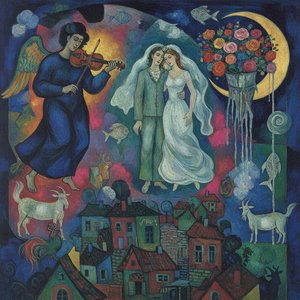
Logika ustępuje miejsca emocjom. Marc Chagall odrzuca sztywne reguły malarskiej logiki, wybierając zamiast tego komponowanie obrazów poprzez poetyckie skojarzenia. Jego płótna operują mechaniką snu. Postacie unoszą się w powietrzu, rzucając wyzwanie grawitacji, podczas gdy kolory pulsują nienaturalną intensywnością. Takie podejście pozwala mu uchwycić istotę uczucia, a nie dosłowny wygląd świata. Wykracza on poza zwykłe naśladownictwo, używając odważnej palety barw, by przełożyć pamięć na język wizualny.
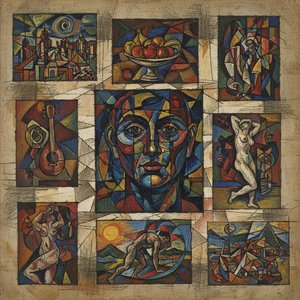
Jego estetyka to zderzenie wpływów. Chłonie on pofragmentowane struktury kubizmu i intensywny kolor fowizmu, lecz filtruje te awangardowe ruchy przez głęboko osobisty pryzmat. Rezultatem jest styl łączący ekspresjonizm z abstrakcją. Przeplata on sacrum z profanum, wypełniając swoje sceny symbolicznymi i surrealistycznymi obrazami. Żydowskie opowieści ludowe oraz ciche, autentyczne detale życia w sztetlu stają się fundamentami prywatnej mitologii. To, co znane, staje się fantastyczne.
Ikonografia często koncentruje się wokół powracających motywów: latających kochanków, skrzypków i potężnych bukietów kwiatów. Elementy te nie są jedynie dekoracją, lecz symbolami duchowego i emocjonalnego krajobrazu. W dziełach takich jak Kochankowie (1929), poczucie nieważkości i użycie intensywnego koloru tworzą przestrzeń, w której prawa fizyki przestają obowiązywać. Jego twórczość pozostaje nieustannym dialogiem między namacalną rzeczywistością dzieciństwa a nieograniczonymi możliwościami wyobraźni.
Mecenasi, warsztat i zamówienia
Połowa lat dwudziestych XX wieku zastaje Marc Chagall w Paryżu, gdzie porusza się w wpływowych kręgach rynku sztuki. Wkracza w orbitę Ambroise’a Vollarda, marszanda, którego autorytet ukształtował trajektorie wielu artystów awangardowych. Vollard zleca Chagallowi serię rycin, powierzając mu ilustrowanie dzieł Mikołaja Goga, a w szczególności Martwych dusz. Ten okres wyznacza zwrot ku precyzji grafiki warsztatowej, oddalając się od płynnej spontaniczności jego wcześniejszych płócien.
W 1931 roku punkt ciężkości przesuwa się w stronę Bliskiego Wschodu. Burmistrz Tel Awiwu kieruje do artysty zaproszenie, by ten udał się do Palestyny. Cel jest ambitny: założenie Żydowskiego Muzeum Sztuki. Ten czas pogłębia jego zaangażowanie w symbolikę religijną i kulturową, co staje się motywem przewodnim jego późniejszych, monumentalnych dzieł architektonicznych. Umiejętność przekładania osobistej i wspólnotowej pamięci na przestrzeń fizyczną staje się definiującym aspektem jego twórczości.
Wraz ze wzrostem sławy, skala jego pracy rozrasta się od intymnej strony książki po monumentalizm. Marc Chagall wkracza w królestwo światła i architektury, projektując witraże dla katedry w Metz oraz dla siedziby Narodów Zjednoczonych w Nowym Jorku. Dzieła te wymagają mistrzowskiego zrozumienia tego, jak kolor wchodzi w interakcję ze światłem słonecznym. W 1964 roku osiąga on szczyt publicznego uznania dzięki zamówieniu na dekorację sufitu Opery Paryskiej – to potężne przedsięwzięcie, które przenosi jego oniryczne obrazy do jednej z najważniejszych instytucji kulturalnych Europy.
Gdzie dziś można podziwiać jego dzieła
Dziedzictwo jego wizji pozostaje zakotwiczone w kilku kluczowych instytucjach na całym świecie. W Nice, we Francji, Musée National Marc Chagall skrywa obszerną kolekcję jego prac, zachowując samo serce jego twórczego dorobku. Muzeum to oferuje skoncentrowany wgląd w symbolikę, która definiowała jego długą karierę. Tymczasem Państwowe Muzeum Rosyjskie w Sankt Petersburgu w Rosji posiada znaczące zbiory jego sztuki, przechowując dzieła nawiązujące do jego wczesnych lat i czasu spędzonego w Imperium Rosyjskim.
Zasięg jego twórczości wykracza poza ocean, docierając do Stanów Zjednoczonych. Museum of Modern Art w Nowym Jorku posiada prace odzwierciedlające jego złożoną relację z tym miastem podczas lat emigracji. W amerykańskim Środkowym Zachodzie Art Institute of Chicago prezentuje jego sztukę, zapewniając jego obecność w najważniejszych międzynarodowych kolekcjach. Te lokalizacje stanowią główne punkty styku dla każdego, kto pragnie doświadczyć jego specyficznego podejścia do koloru i formy.
- Ja i wioska (1911)
- Wesele (1944)
- Białe Ukrzyżowanie (1938)
- Kochankowie (1929)
- Cyrk (1964)

 Zamów ręcznie malowaną reprodukcję
 Rozwiń treść







































 W przypadku dzieł sztuki lub reprodukcji, których którykolwiek z boków przekracza 105 cm (około 41 cali), rama zostanie wysłana w formie zestawu do samodzielnego montażu. Metoda ta zapewnia bezpieczną dostawę i zapobiega uszkodzeniom podczas transportu.


 Podgląd w skali 1:1
 Wyślij jako kartkę
 Udostępnij
 Szczegóły dzieła
 Przewodnik

 Pobierz obraz
 Podobne obiekty
 RTG
RTG Pokaz slajdów
 Pytania i odpowiedzi
 Statystyki