Expressionism · 1915
Marching (Marc Chagall, 1915)
Marc Chagall (1887–1985) stworzył Marching. Dzieło pochodzi z 1915. Należy do nurtu Expressionism. Wykonano w technice Acrylic On Canvas.
- 1915
- Acrylic On Canvas

 Podgląd w skali 1:1

 Ręcznie malowany obraz olejny
 Wyślij jako kartkę
 Udostępnij
 Przewodnik


 Pobierz obraz
 Podobne obiekty
 RTG
 Pokaz slajdów
 Pytania i odpowiedzi

 Statystyki
Marching: najważniejsze informacje
- Tytuł
- Marching
- Artysta
- Marc Chagall (1887–1985)
- Miejsce urodzenia artysty
- Łoźna, Białoruś
- Data powstania
- 1915
- Technika wykonania
- Acrylic On Canvas
- Ruch
- Expressionism
- Temat
- uniform, roof, sky, clock, figures, folklore
Co przedstawia Marching?
A Symphony of Color and Memory: Exploring Marc Chagall's "I Am Alone"
Marc Chagall’s “I Am Alone,” painted in 1915, isn’t merely a depiction of solitude; it’s an embodiment of existential angst rendered in the breathtaking language of Expressionism. Created during the turbulent years preceding World War I—a period marked by anxieties about national identity and impending conflict—the painting transcends its immediate historical context to speak to universal themes of isolation and longing. It's housed in the Musée d'Orsay, Paris, a testament to Chagall’s enduring influence on modern art.- Subject Matter: The canvas portrays a man standing alone on a rooftop amidst a swirling panorama of fantastical figures—a woman with outstretched arms, a child perched precariously on the edge of the roof, and several other stylized individuals drifting upwards into the heavens.
- Style: Chagall’s style is unmistakably Expressionist. Rejecting representational accuracy in favor of emotional intensity, he employs bold colors—primarily yellows, blues, and reds—to convey mood and feeling rather than to faithfully reproduce reality. The figures themselves are distorted and stylized, imbued with a dreamlike quality that defies logical interpretation.
Technique: Bold Brushstrokes and Layered Color
Chagall’s technique is characterized by thick, impasto brushstrokes—meaning the paint is applied in layers so thickly that it stands up prominently from the surface of the canvas. This textural approach contributes significantly to the painting's dramatic impact, creating a palpable sense of movement and conveying the artist’s emotional state directly onto the artwork. The colors are blended strategically to create luminous washes and vibrant accents, enhancing the overall visual richness.- Color Palette: The dominant hues—golden yellows symbolizing warmth and optimism juxtaposed with deep blues representing melancholy and uncertainty—are deliberately chosen to evoke specific emotions. Chagall’s masterful use of color underscores the painting's psychological depth.
- Composition: The rooftop setting serves as a focal point, anchoring the swirling figures and emphasizing the man’s isolation. The upward trajectory of the figures symbolizes aspiration but also hints at vulnerability—a yearning for connection amidst overwhelming circumstances.
Symbolism: Folklore and Existential Concerns
“I Am Alone” is replete with symbolic references drawn from Jewish folklore and Kabbalah—the mystical tradition of Judaism. The woman with outstretched arms represents compassion and maternal care, while the child symbolizes innocence and vulnerability. The swirling figures embody the chaotic forces of fate and the anxieties surrounding impending war. More broadly, the painting explores profound existential questions about human existence—questions concerning identity, purpose, and the inevitability of suffering.Ultimately, Chagall’s “I Am Alone” transcends its historical origins to resonate with viewers across generations. It's a hauntingly beautiful meditation on solitude, loss, and the enduring quest for meaning—a masterpiece that continues to inspire awe and provoke contemplation decades after its creation.
Marching w wysokiej rozdzielczości

Chronione prawem autorskim: obraz przedstawiono wyłącznie w celach informacyjnych.
Więcej rozmiarów, kadrowania i cytowań →Marc Chagall, Marching (1915).
Pytania o Marching
Jaki rozmiar wydruku "Marching" będzie odpowiedni do mojego pokoju?
Zalecane zestawienie dla „Marching” – Marc Chagall: wydruk w formacie Large do Living Room.
Czy „Marching” – Marc Chagall to znane dzieło sztuki?
Poziom popularności dla „Marching” – Marc Chagall wynosi Iconic.
Jaki kolor dominuje w dziele "Marching"?
Dominującym odcieniem w „Marching” – Marc Chagall jest Amber to Saffron.
Jakie emocje budzi „Marching” – Marc Chagall?
„Marching” – Marc Chagall emanuje Melancholic emocjami, wpisując się w ogólnie Romantic nastrój.
Do jakiego nurtu należy "Marching"?
„Marching” to dzieło należące do nurtu Expressionism. Nurt ten określa tradycję artystyczną, w której osadzone jest dzieło.
Jak zbudowana jest kompozycja kolorystyczna „Marching” – Marc Chagall?
W "Marching" Statement kontrast łączy się z Discordant Palette harmonią.
Jakie wnętrze najlepiej współgra z kolorystyką „Marching” – Marc Chagall?
Kolorystyka Earthy w dziele „Marching” – Marc Chagall idealnie współgra z rekomendowanym wnętrzem: Living Room.
Z czego wynika obecny status praw autorskich dzieła "Marching"?
„Marching” – Marc Chagall jest nadal objęte ochroną prawa autorskiego. Okres ochrony praw autorskich liczony jest od śmierci artysty, która nastąpiła w 1985.
Jak kolory w dziele "Marching" współgrają ze sobą?
Kolory dzieła „Marching” – Marc Chagall wykazują Discordant Palette harmonię. Harmonia ta opisuje wzajemne relacje między barwami.
O artyście: Marc Chagall
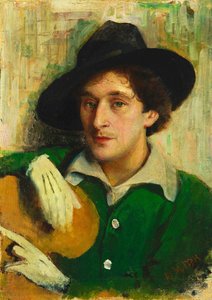
1887–1985, Białoruś
Marc Chagall
Wczesne lata, rodzina i kształcenie Marc Chagall przychodzi na świat 7 lipca 1887 roku w Witebsku, w Imperium Rosyjskim, jako Moishe Segal. Jest pierwszym z dziewięciorga dzieci w skromnej żydowskiej rodzinie. Jego wczesne życie wyznaczane jest przez rytm pracy i drobnego handlu. Ojciec, Khatskel Segal, pracuje jako konserwator śledzi w magazynie, podczas gdy matka, Feïga-Ita Tchernina, prowadzi mały sklep spożywczy.
Inne prace Marc Chagall
 Ja i wioska1911
 Biała Ukrzyżowanie1938
 Urodziny1915
 Nad miastem1918
Eseje o Marching
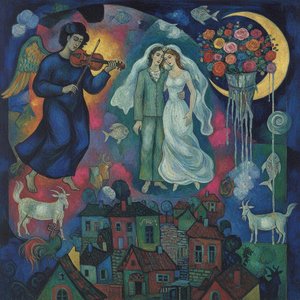 Marc Chagall’s Masterpieces: Exploring the Magic, Color, and Surrealist Legacy of a Modernist IconEmbark on a journey through the dreamlike masterpieces of Marc Chagall. Explore the profound symbolism and vibrant colors of this Surrealis…
 The Language of Brushstrokes: How Artistic Technique Expresses Emotion and EraExplore the profound connection between artistic technique and emotion. From the heavy impasto of Van Gogh to classical mastery, learn how …
 Dreaming in Color: The 25 Most Iconic Masterpieces by Marc ChagallStep into the dreamlike world of Marc Chagall. Explore 25 iconic masterpieces, from vibrant surrealist tales to soulful folklore. Find insp…