Fauvism and Symbolism · 1933
Solitude (Marc Chagall, 1933)
Marc Chagall (1887–1985) stworzył Solitude. Dzieło pochodzi z 1933. Należy do nurtu Fauvism and Symbolism. Wykonano w technice Akryl na płótnie. Wymiary to 102 × 169 cm.
- 1933
- Akryl na płótnie
- 102 × 169 cm

 Podgląd w skali 1:1

 Ręcznie malowany obraz olejny
 Wyślij jako kartkę
 Udostępnij
 Karta informacyjna


 Pobierz obraz
 Podobne obiekty
 RTG
 Pokaz slajdów
 Pytania i odpowiedzi

 Statystyki
Solitude w skrócie
- Tytuł
- Solitude
- Artysta
- Marc Chagall (1887–1985)
- Miejsce urodzenia artysty
- Łoźna, Białoruś
- Data powstania
- 1933
- Technika wykonania
- Akryl na płótnie
- Wymiary
- 102 × 169 cm
- Temat
- jewish culture, solitude, contemplation, symbolism, rabbi, animal
Co przedstawia Solitude?
Solitude – A Chronicle of Jewish Resilience in Chagall’s Masterpiece
Marc Chagall's "Solitude," painted in 1933, isn’t merely a depiction of a man seated on the ground; it’s a profound meditation on identity, faith, and the looming shadow of anti-Semitism that gripped Europe at the time. Housed within the Tel-Aviv Museum of Art, this work transcends its physical dimensions to become a poignant emblem of Jewish culture's enduring spirit amidst turbulent historical currents. The painting immediately draws the eye with its muted palette – a deliberate choice by Chagall, moving away from the vibrant Fauvist hues he sometimes employed, and instead creating an atmosphere of contemplative serenity. The central figure, enveloped in a long robe or cloak, embodies a deep introspection, his head bowed as if wrestling with weighty thoughts. The presence of a calm goat nearby, seemingly undisturbed by the man’s sorrow, adds a layer of unexpected symbolism – perhaps representing the groundedness and resilience often associated with rural Jewish life.
Chagall masterfully employs symbolic elements to convey a powerful message. Notice the Torah scroll resting on the ground beside him, a potent reminder of Jewish law and tradition. The image of God’s messenger, subtly integrated into the composition, speaks to faith and divine guidance. A sacrificial animal – a detail often overlooked – hints at the historical weight of sacrifice within Judaism. Even the customary headpiece worn by the figure is laden with meaning, connecting him to centuries of religious practice. The inclusion of a rabbi or elder personifying Judaism further reinforces this connection, solidifying the painting’s role as a testament to Jewish heritage.
Fauvist Echoes and a Narrative of Loss
While rooted in the emotional core of Chagall's personal experience, "Solitude" is undeniably influenced by Fauvism – an early 20th-century art movement characterized by its bold use of color. However, Chagall tempers this vibrancy with a restrained palette, prioritizing mood and atmosphere over immediate visual impact. The composition itself is carefully constructed to draw the viewer into the man’s internal world. The background, featuring indistinct buildings, suggests a sense of detachment from the outside world, reinforcing the theme of isolation. The violin, resting nearby, evokes memories of music – perhaps a lost joy or a moment of contemplation before succumbing to melancholy.
It's crucial to understand the historical context in which this painting was created. 1933 marked a turning point in European history, with the rise of Nazism and the intensification of anti-Semitic sentiment across the continent. Chagall, himself a Jewish artist living in Europe at the time, witnessed firsthand the growing threat to his community. "Solitude" can be interpreted as a direct response to this climate of fear and uncertainty – a visual articulation of the anxieties and sorrows experienced by many Jews during that period. The painting isn’t simply about loneliness; it's about the profound sadness of cultural displacement and the struggle to maintain identity in the face of persecution.
Legacy and Enduring Symbolism
Chagall’s work, including "Solitude," faced resistance from conservative authorities who sought to control artistic expression. However, his unique vision ultimately prevailed, securing him a place as one of the most celebrated artists of the 20th century. The painting's enduring power lies in its ability to resonate with viewers across generations – a testament to Chagall’s skill at capturing universal themes of faith, loss, and resilience. The image of the solitary figure, grappling with his thoughts while surrounded by symbols of Jewish heritage, continues to evoke empathy and contemplation.
Reproductions of "Solitude" offer an exceptional opportunity to bring this powerful artwork into your home or office. OriginalUniqueArt’s hand-painted reproductions faithfully capture the nuances of Chagall's brushstrokes and color palette, ensuring that you experience the full emotional impact of this masterpiece. Consider how this evocative image can serve as a reminder of the importance of cultural heritage, resilience in the face of adversity, and the enduring power of art to connect us to our shared human experiences.
Zdjęcia w wysokiej rozdzielczości dzieła Solitude

Chronione prawem autorskim: pliki te służą wyłącznie do osobistego wglądu i nie stanowią licencji na ich powielanie.
Marc Chagall, Solitude (1933).
Odpowiedzi na pytania dotyczące Solitude
W którym roku powstało dzieło „Solitude” – Marc Chagall?
"Solitude" powstało w 1933 roku. Data ta pozwala umiejscowić dzieło w kontekście twórczości Marc Chagall oraz epoki, w której powstało.
Z jakiej techniki wykorzystano "Solitude"?
Technika wykonania dzieła „Solitude” – Marc Chagall to Akryl na płótnie. Reprodukcje mają na celu wierne oddanie wyglądu tej techniki.
Jakie są wymiary oryginału "Solitude"?
Wymiary dzieła „Solitude” – Marc Chagall to 102 x 169 cm. Reprodukcje można zamówić w innych rozmiarach, zachowując te same proporcje.
Co przedstawia „Solitude” – Marc Chagall?
„Solitude” – Marc Chagall przedstawia: jewish culture, solitude, contemplation, symbolism, rabbi, animal, violin, anti-semitism.
Czy dzieło "Solitude" znajduje się w domenie publicznej?
„Solitude” – Marc Chagall znajduje się w domenie publicznej (nadal objęte ochroną prawa autorskiego). Status ten określa zasady reprodukcji obrazu tego dzieła.
Kto jest autorem dzieła "Solitude"?
Autorem dzieła „Solitude” jest Marc Chagall. Praca ta figuruje w katalogu pod nazwiskiem Marc Chagall.
Do jakiego nurtu w sztuce należy „Solitude” – Marc Chagall?
„Solitude” to dzieło należące do nurtu Fauvism and Symbolism. Nurt ten określa tradycję artystyczną, w której osadzone jest dzieło.
Do którego okresu twórczości Marc Chagall należy dzieło "Solitude"?
W dorobku artystycznym Marc Chagall dzieło „Solitude” przypada na Mid-Career Works. Ten etap pozwala zestawić je z innymi pracami twórcy.
W jakim wieku Marc Chagall stworzył(a) "Solitude"?
Marc Chagall miał 46 lat w momencie powstania „Solitude” w 1933. Wiek ten obliczono na podstawie roku urodzenia artysty, 1887.
O artyście: Marc Chagall
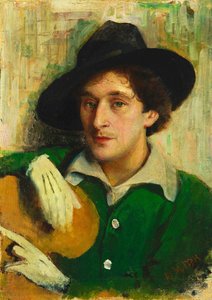
1887–1985, Białoruś
Marc Chagall
Wczesne lata, rodzina i kształcenie Marc Chagall przychodzi na świat 7 lipca 1887 roku w Witebsku, w Imperium Rosyjskim, jako Moishe Segal. Jest pierwszym z dziewięciorga dzieci w skromnej żydowskiej rodzinie. Jego wczesne życie wyznaczane jest przez rytm pracy i drobnego handlu. Ojciec, Khatskel Segal, pracuje jako konserwator śledzi w magazynie, podczas gdy matka, Feïga-Ita Tchernina, prowadzi mały sklep spożywczy.
Inne prace Marc Chagall
 Ja i wioska1911
 Biała Ukrzyżowanie1938
 Urodziny1915
 Nad miastem1918
Eseje o Solitude
 Dreaming in Color: The 25 Most Iconic Masterpieces by Marc ChagallStep into the dreamlike world of Marc Chagall. Explore our curated list of 25 iconic masterpieces, from vibrant surrealist canvases to soul…
 Echoes of Isolation: Solitude in Western Art from Renaissance to ModernismExplore the profound representation of solitude in Western art from the Renaissance to Modernism. Discover iconic paintings & artists like …
 Solitude & Spirit: Capturing the Serenity of Monastic Life through the Impressionist LensExplore the profound serenity of monastic life through Impressionist art. Discover how masters captured spiritual light and solitude, and l…