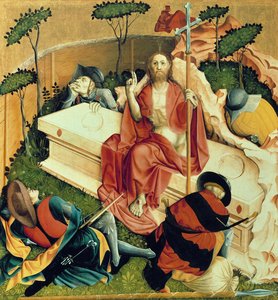
Wersja olejowa
 Wszystko o Pentecost







































 W przypadku dzieł sztuki lub reprodukcji, których którykolwiek z boków przekracza 105 cm (około 41 cali), rama zostanie wysłana w formie zestawu do samodzielnego montażu. Metoda ta zapewnia bezpieczną dostawę i zapobiega uszkodzeniom podczas transportu.


The Divine Descent: An Encounter with Pentecost
To stand before Hans Multscher's depiction of Pentecost is to step directly into the charged atmosphere of early Renaissance spiritual awakening. This 1437 masterpiece does more than merely illustrate a biblical event; it captures a moment of profound, transformative energy. The scene unfolds within an intimate, richly detailed interior space, drawing the viewer immediately into the circle of disciples gathered in anticipation. At the heart of this gathering sits the Virgin Mary, her outstretched hands suggesting both reception and benediction, anchoring the divine mystery for all present. The air itself seems thick with unspoken revelation, a palpable blend of human devotion meeting celestial power.
Bridging Eras: Style and Technique
Multscher, a pivotal figure in German art history, stands as a magnificent bridge between the lingering elegance of the Gothic period and the burgeoning naturalism of the Renaissance. His technique is marked by an astonishing commitment to realism, evident in the drapery of the medieval garments worn by every figure surrounding Mary. Observe the meticulous rendering of texture—the folds of cloth, the subtle gestures of the hands, even the inclusion of life through the two visible birds that seem to observe the sacred drama from above and within the composition. This attention to minute detail speaks to an artist deeply influenced by the burgeoning Netherlandish tradition, allowing the divine narrative to be grounded in tangible, observable reality.
Symbolism Woven into the Scene
The subject matter itself—the descent of the Holy Spirit at Pentecost—is steeped in potent symbolism. The gathering represents the nascent Church receiving the gifts necessary for its mission. Every figure, from the central maternal presence to the surrounding apostles, participates in this moment of illumination. The objects within the room, such as the simple bench and chair, serve not merely as props but as anchors grounding the miraculous event within a recognizable human setting. These elements invite contemplation: how does the divine intersect with the mundane? It is a meditation on revelation itself.
An Echo for the Modern Collector
For the discerning collector or those seeking to infuse a space with historical gravitas and spiritual depth, this work offers unparalleled resonance. While its original scale of 148 x 140 cm commands attention, acquiring a high-quality reproduction allows one to bring Multscher’s masterful narrative into contemporary living spaces. The emotional impact of the piece is one of awe mixed with profound intimacy; it whispers tales of divine guidance and human potential all at once. It remains a powerful focal point, inviting quiet reflection and elevating any room from mere decoration to a space imbued with enduring artistic and spiritual meaning.
Pytania i odpowiedzi
Czy Pentecost jest dziełem namalowanym ręcznie, czy wydrukiem?
Malowane ręcznie: wykwalifikowany artysta wykonuje olejną kopię Pentecost na płótnie lnianym.
Jaki rozmiar wybrać dla Pentecost?
Wymiary oryginału to 148 x 140 cm. Dostępne rozmiary obejmują zakres od 33.3 x 30.0 cm (zł894) do 241.7 x 218.0 cm (zł8769); tabela na tej stronie przedstawia główne warianty oraz ich ceny.
Ile trwa dostawa?
Czas dostawy wynosi od 4 do 5 tygodni, przy czym oferujemy bezpłatną ekspresową wysyłkę na cały świat; na tej stronie dostępna jest również opcja pilnej produkcji. Możesz dokonać zwrotu w ciągu 100 dni z pełnym zwrotem kosztów, bez żadnych dodatkowych warunków.
Gdzie znajduje się oryginał Pentecost?
Oryginał znajduje się w zbiorach Berlińskie Muzea Państwowe w Berlin.
Jakiej techniki użył/a Hans Multscher w pracy Pentecost?
Oil On Canvas
 Podgląd w skali 1:1

 Wyślij jako kartkę
 Udostępnij
 Szczegóły dzieła
 Karta informacyjna


 Pobierz obraz
 Podobne obiekty
 RTG
 Pokaz slajdów
 Pytania i odpowiedzi

 Statystyki