Podgląd w skali 1:1
 Wyślij jako kartkę
 Udostępnij
 Szczegóły dzieła
 Przewodnik

 Pobierz obraz
 Podobne obiekty
 RTG
RTG Pokaz slajdów
 Pytania i odpowiedzi
 Statystyki
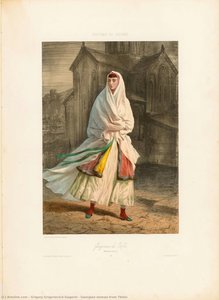
Wojownik Czircasski

- 59.0 x 42.0 cm


 Rozwiń treść
Giclée / Wydruk artystyczny
Wydruki giclée lub płótna o jakości muzealnej, szybka realizacja i szeroki wybór opcji wykończenia. ( Zamów ręcznie malowaną reprodukcję Przejdź do wersji cyfrowej)




P118B zł10

P118H zł10

P118W zł10

P438Z zł10

P508JH zł12

P508YH zł12

P805H zł10

P805Z zł10

P919BZ zł10

P919G zł10

P919XJ zł10

P959ZH zł10

P968JZ zł12

W106C zł8

W218G zł10

W218JH zł8

W218Y zł10

W307PJ zł10

W316G zł10

W316PJ zł8

W316Y zł10

W398PJ zł8

W4111J zł10

W500HY zł15

W500JH zł15

W692G zł12

W849H zł8

W940BG zł15

W953PJ zł8




Wybierz spośród naszych standardowych rozmiarów, które zachowują oryginalne proporcje dzieła sztuki.

Wpisz wymaganą szerokość i wysokość, aby dopasować grafikę do ramy lub ściany. Wydruk można jedynie przyciąć, nigdy nie powiększając go poza oryginalny obraz, dlatego format o innych proporcjach spowoduje utratę części kompozycji. Przed rozpoczęciem druku prześlemy Ci cyfrowy podgląd do zatwierdzenia. Obraz wyświetlany na tej stronie nie pokazuje rzeczywistego przycięcia — jedynie podgląd oddaje ten efekt.
Dostawa na cały świat () w ciągu 2 tygodni zamiast standardowych 4/5 tygodni. (3 Listopad)

Bezpłatna ekspresowa wysyłka na cały świat

Wysokiej jakości płótno lniane

Pełne ubezpieczenie przesyłki

Gwarancja zwrotu należności celnych i podatków importowych

Gwarancja wiernego odwzorowania kolorów

100-dniowa polityka zwrotów (tylko w przypadku wad)

Gwarancja 100% zwrotu pieniędzy

Zniżka przy zakupie wielu sztuk
 Opcja ze szkłem jest dostępna wyłącznie w rozmiarach poniżej 110 cm

Wojownik Czircasski
Giclée / Wydruk artystyczny
Wymiary reprodukcji
-


Cena całkowita
zł 317
Circassian Warrior – A Window Into Georgian Artistic Heritage
Grigory Gagarin’s “Circassian Warrior” transcends mere depiction; it embodies the spirit of 1850s Tbilisi and represents a pivotal moment in Russian Orientalism. Painted during Gagarin's tenure as Director General of Public Works for Georgia, this artwork isn’t simply a portrait but an emblem of Georgian identity—a defiant gaze confronting imperial ambition. The painting resides within the Art Palace of Georgia – Museum of Cultural History, offering visitors a tangible connection to a bygone era and Gagarin’s profound influence on Tbilisi's artistic landscape.A Masterpiece Born From Observation
Gagarin’s meticulous approach is evident in his detailed sketches and drawings of Caucasian peoples—a project undertaken with the generous patronage of Mikhail Vorontsov, Governor-General of Georgia. Unlike idealized representations common at the time, Gagarin sought to capture authentic expressions of Circassian warriors, reflecting their resilience and unwavering resolve. The artist's keen eye for detail is particularly noticeable in the rendering of clothing and weaponry—elements meticulously researched to convey accuracy and immediacy.Technique and Style: Guache on Paper – A Delicate Balance
Executed in guache on paper, “Circassian Warrior” showcases Gagarin’s mastery of color and texture. The muted palette—dominated by earthy tones—creates a sense of atmospheric depth, mirroring the arid landscape of Georgia's Caucasus Mountains. Brushstrokes are deliberate yet subtle, prioritizing tonal gradation over sharp delineation. This technique lends an air of solemn dignity to the subject matter, emphasizing both physical strength and inner fortitude. Gagarin’s style aligns with the broader artistic trends of Romanticism, blending realism with expressive idealism—a hallmark of his oeuvre.Symbolism Within Context: Resistance Against Imperial Domination
The Circassian warrior's posture – upright, resolute, sword drawn – speaks volumes about the socio-political climate of the period. Georgia was under Russian rule, and Gagarin’s depiction captures the spirit of defiance inherent in Caucasian culture. The staff symbolizes leadership and protection, while the bow represents readiness for combat—visual cues that underscore the warrior's commitment to safeguarding his people’s traditions and independence. Furthermore, the cathedral backdrop serves as a reminder of Georgia’s Orthodox faith and cultural heritage – values Gagarin sought to honor through his artistic endeavors.Emotional Resonance: Capturing Courage and Dignity
“Circassian Warrior” isn’t merely aesthetically pleasing; it evokes profound emotions—a palpable sense of courage, dignity, and unwavering determination. The artist's ability to convey these qualities through visual language is remarkable, inviting viewers to contemplate themes of heroism and cultural preservation. This artwork remains a testament to Gagarin’s artistic vision and his enduring contribution to Georgian art history – an inspiring piece for interior designers seeking to infuse their spaces with narratives of strength and resilience.Pytania i odpowiedzi
Czy dzieło "Wojownik Czircasski" pozostało w ojczyźnie swojego artysty?
Nie – dzieło znajduje się poza granicami kraju artysty. Grigory Gagarin urodził(a) się w Rosja, natomiast muzeum przechowujące oryginał dzieła „Wojownik Czircasski” znajduje się w Gruzja.
W którym roku powstało „Wojownik Czircasski” – Grigory Gagarin?
"Wojownik Czircasski" powstało w 1855 roku. Data ta pozwala umiejscowić dzieło w kontekście twórczości Grigory Gagarin oraz epoki, w której powstało.
Jaki nastrój i emocje wyraża „Wojownik Czircasski” – Grigory Gagarin?
Nastrój utrwalony w „Wojownik Czircasski” – Grigory Gagarin to Dramatyczny, a jego ton emocjonalny to Pełen siły.
Biografia artysty
Grigory Gagarin (1810 - 1893)
Grigory Grigorievich Gagarin (Russian: Григо́рий Григо́рьевич Гага́рин, May 29 April 1810 – January 30 January 1893) was a Russian painter, Major General and administrator. He stands as one of the most prominent figures in Russian Romanticism, celebrated for his captivating depictions of Caucasian landscapes and portraits—particularly those capturing the spirit of the Circassian people. His artistic journey began under the tutelage of Karl Briullov, a titan of Russian art, shaping his style and fostering an enduring fascination with observation and expressive color. ### Early Life and Artistic Formation Born into the noble Rurikid Gagarin family – descendants of Vladimir Rus’—Grigory’s upbringing instilled in him a deep appreciation for heritage and tradition. His father, Prince Grigory Ivanovich Gagarin (Saint Petersburg, March 29 March 1782 – Tegernsee, February 12 February 1837), served as Russia's ambassador to Italy, exposing young Grigory to European culture and fostering a cosmopolitan outlook. Despite lacking formal artistic training, Gagarin’s talent blossomed thanks to invaluable lessons from Karl Briullov, whose influence would permeate his entire oeuvre. This formative period in Siena solidified his commitment to capturing the beauty of the natural world and conveying emotion through visual art. ### Artistic Career: Landscapes and Portraits Gagarin's artistic career gained momentum during his time in Saint Petersburg, where he befriended literary luminaries like Alexander Pushkin and Mikhail Lermontov—artists who profoundly impacted Russian culture. He meticulously illustrated Pushkin’s masterpieces, “The Queen of Spades” and “The Tale of Tsar Saltan,” demonstrating a masterful command of narrative storytelling through painting. Furthermore, Gagarin's artistic explorations extended beyond literature; he embarked on expeditions to the Caucasus region, documenting its dramatic vistas with breathtaking precision. His canvases—such as "Caucasian Prince" and "Circassian Woman"—became emblems of Romantic idealism, reflecting his belief in the sublime power of nature and the importance of portraying human subjects with sensitivity and nuance. He also produced portraits of Armenian clergymen and Kurds from Ararat, showcasing his dedication to documenting diverse ethnic groups and traditions. ### Military Service and Administrative Roles Beyond his artistic pursuits, Gagarin distinguished himself as a military officer and administrator—serving as a Major General in the Russian Army and holding positions within the Imperial Court. His diplomatic service spanned Paris, Rome, and Constantinople, providing him with invaluable experience in international relations and fostering an understanding of diverse cultures. Notably, he was appointed Vice President of the Fine Arts Academy since 1859, cementing his legacy as a champion of artistic excellence and furthering Russia’s cultural standing on the global stage. ### Legacy and Significance Grigory Gagarin's contribution to Russian art is undeniable—his landscapes embody Romantic ideals, while his portraits capture the essence of human character with remarkable accuracy. His work continues to inspire admiration for its beauty and emotional depth, serving as a testament to the enduring power of observation and artistic expression. He remains an important figure in Russian cultural history, symbolizing the harmonious blend of intellectual curiosity and creative talent that characterized the Romantic era. ### References:- Caucasus Prince, OriginalUniqueArt.com
- Russian Art, wikipedia

Grigory Gagarin
1810 - 1893 , Rosja
Krótka nota
- Artistic Movement Or Style: Romanticism
- Artists Who Influenced This Artist: ['Karl Briullov']
- Date Of Birth: May 29 April 1810
- Date Of Death: January 30 January 1893
- Full Name: Grigory Grigorievich Gagarin
- Nationality: Russian
- Notable Artworks:
- Caucasian Prince
- Circassian Woman
- A Priest from Armenia
- Kurds from Ararat
- Georgian Man
- Place Of Birth: Saint Petersburg, Russia
Powiązane artykuły

Arcydzieła XIX Wieku: 10 Obrazów Opowiadających Epokę | OriginalUniqueArt
Odkryj 10 arcydzieł XIX wieku! Poznaj historię Monet, Van Gogha i Courbeta. Imesjonizm, realizm, romantyzm – obrazy pełne emocji i piękna czekają na OriginalUniqueArt.com. Znajdź idealny obraz do swojego wnętrza!

Vasily Surikov: Historical Epic & Psychological Realism in 19th-Century Russian Painting
Explore the powerful historical paintings of Vasily Surikov, a leading figure of Russian Realism. Discover his dramatic compositions, psychological depth & lasting influence on 19th-century art. Learn about collecting Surikov's masterpieces.

Vladimir Makovsky: Realism, Social Commentary & Russian Life in Late 19th-Century Painting
Explore the captivating world of Vladimir Makovsky, a leading Russian realist painter. Discover his insightful depictions of 19th-century life, social commentary & legacy with OriginalUniqueArt.

Victor Vasnetsov: Myth, Nationalism & the Revival of Russian Fairy Tale Painting
Explore the captivating world of Victor Vasnetsov, a co-founder of Russian folklorist painting. Discover his iconic works, influence on national identity, and lasting legacy in this expert guide.

Ivan Bilibin: A Synthesis of Folklore, Modernism & National Identity in Russian Illustration
Explore the enchanting world of Ivan Bilibin, a master Russian illustrator who synthesized folklore, Art Nouveau & national identity. Discover his iconic fairy tale illustrations and legacy with OriginalUniqueArt.