Podgląd w skali 1:1
 Wyślij jako kartkę
 Udostępnij
 Szczegóły dzieła
 Przewodnik

 Pobierz obraz
 Podobne obiekty
 RTG
RTG Pokaz slajdów
 Statystyki
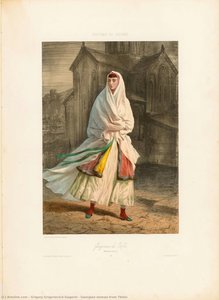
Żydowscy Circassianie
 Akryl na płótnie
- Sztuka ścienna
- Romantic Realism
 1855
1855 59.0 x 42.0 cm
 Art Palace of Georgia - Museum of Cultural History
 Rozwiń treść
Ręcznie malowana reprodukcja olejowa
Ręcznie malowany obraz olejny na płótnie, wykonany na zamówienie przez naszych artystów w wybranym przez Ciebie wymiarze i oprawie. ( Przełącz na wydania drukowane Przejdź do wersji cyfrowej)




P118B zł10

P118H zł10

P118W zł10

P438Z zł10

P508JH zł12

P508YH zł12

P805H zł10

P805Z zł10

P919BZ zł10

P919G zł10

P919XJ zł10

P959ZH zł10

P968JZ zł12

W106C zł8

W218G zł10

W218JH zł8

W218Y zł10

W307PJ zł10

W316G zł10

W316PJ zł8

W316Y zł10

W398PJ zł8

W4111J zł10

W500HY zł15

W500JH zł15

W692G zł12

W849H zł8

W940BG zł15

W953PJ zł8




Wybierz spośród naszych standardowych rozmiarów, które zachowują oryginalne proporcje dzieła sztuki.

Wpisz wymaganą szerokość i wysokość, aby obraz pasował do Twojej ramy lub ściany. Ponieważ jest to dzieło malowane ręcznie, w przypadku rozmiaru o innych proporcjach artysta może domalować nieco więcej wokół obrazu lub przyciąć jego fragmenty — wybór należy do Ciebie. Przed rozpoczęciem pracy prześlemy Ci cyfrową wizualizację do zatwierdzenia. Obraz widoczny na tej stronie nie przedstawia rzeczywistego efektu — jedynie wizualizacja oddaje realny rezultat.
Po złożeniu zamówienia zespół OriginalUniqueArt.com skontaktuje się z klientem drogą mailową w celu uzyskania instrukcji i prześle wizualizację projektu
Dostawa na całym świecie () w ciągu 3–4 tygodni zamiast standardowych 5 tygodni. (27 Październik). Bez kompromisów w kwestii jakości.

Bezpłatna ekspresowa wysyłka na cały świat

Wysokiej jakości płótno lniane

Pełne ubezpieczenie przesyłki

Gwarancja zwrotu należności celnych i podatków importowych

Gwarancja wiernego odwzorowania kolorów

100-dniowa polityka zwrotów (tylko w przypadku wad)

Gwarancja 100% zwrotu pieniędzy

Zniżka przy zakupie wielu sztuk
 Opcja ze szkłem jest dostępna wyłącznie w rozmiarach poniżej 110 cm

Żydowscy Circassianie
Technika reprodukcji
Wymiary reprodukcji
-


Cena całkowita
zł 1153
Grigory Gagarin’s “Circassian Soldier”: A Portrait of Resilience Amidst Caucasus History
Grigory Gagarin's "Circassian Soldier," painted in 1855, transcends mere depiction; it embodies a pivotal moment in Russian art history and reflects the broader narrative of cultural exchange during the turbulent era of Tsar Nicholas I’s reign. More than just an image of a soldier—a symbol of military might and imperial ambition—the painting delves into the complexities of ethnographic observation and artistic interpretation within the context of the Caucasus expeditions.
- Subject Matter: The artwork portrays a Circassian warrior, meticulously rendered in detail. Gagarin’s focus isn't simply on anatomical accuracy but on capturing the essence of Circassian identity—his posture conveys dignity and determination, mirroring the spirit of the Circassian people during their interactions with European powers.
- Style & Technique: Gagarin employed a masterful blend of realism and impressionistic brushstrokes. The palette is muted yet vibrant, utilizing earthy tones to convey the rugged landscape of Georgia—a deliberate choice that underscores the subject’s connection to its environment. His technique prioritizes capturing light and texture, creating an illusion of depth and conveying the palpable atmosphere of the Caucasus.
- Historical Context: Gagarin's painting emerged during a period of intense scientific curiosity fueled by the Russian Empire’s expansion into Central Asia and the Caucasus. The expedition to Georgia was undertaken as part of Tsar Nicholas I’s ambitious program for revitalizing Russia’s prestige and consolidating its influence over the region. Gagarin’s work reflects this intellectual fervor, aligning with the broader trend toward ethnographic studies aimed at documenting diverse cultures.
- Symbolism: The Circassian soldier serves as a visual emblem of resilience—a testament to the Circassian people's ability to adapt and persevere amidst geopolitical shifts. The sword held aloft symbolizes courage and defense, while the dirt ground beneath him represents the harsh realities of nomadic life and the challenges faced by those inhabiting frontier territories.
- Emotional Impact: Beyond its formal qualities, “Circassian Soldier” evokes a sense of contemplative grandeur. Gagarin’s careful composition invites viewers to contemplate not only the soldier's physical presence but also his inner spirit—a portrayal that speaks to themes of honor, duty, and the enduring legacy of cultural traditions.
The painting resides in the Art Palace of Georgia – Museum of Cultural History in Tbilisi, where it continues to inspire admiration for its artistic merit and historical significance. Its meticulous detail and evocative atmosphere stand as a lasting reminder of Gagarin’s contribution to Russian art and his profound engagement with the cultural landscape of the Caucasus.
Pytania i odpowiedzi
Czy obraz „Żydowscy Circassianie” – Grigory Gagarin można swobodnie reprodukować?
„Żydowscy Circassianie” – Grigory Gagarin znajduje się w domenie publicznej (należy do domeny publicznej – autorskie prawa majątkowe wygasły). Status ten określa zasady reprodukcji obrazu tego dzieła.
Co wyjaśnia sytuację prawną dotyczącą praw autorskich do „Żydowscy Circassianie” – Grigory Gagarin?
Status praw autorskich do dzieła „Żydowscy Circassianie” – należy do domeny publicznej – autorskie prawa majątkowe wygasły – wynika z faktu, że artysta zmarł w 1893.
Gdzie mogę znaleźć przewodnik do "Żydowscy Circassianie"?
Strona Karta informacyjna dla uczniów dzieła „Żydowscy Circassianie” – Grigory Gagarin oferuje dwustronicową kartę informacyjną w formacie do druku: samo dzieło wraz z tabelą identyfikacyjną, oś czasu umieszczającą je w latach życia artysty, inne prace tego twórcy, zmierzoną paletę kolorystyczną oraz gotowe do skopiowania cytaty w czterech stylach.
Biografia artysty
Grigory Gagarin (1810 - 1893)
Grigory Grigorievich Gagarin (Russian: Григо́рий Григо́рьевич Гага́рин, May 29 April 1810 – January 30 January 1893) was a Russian painter, Major General and administrator. He stands as one of the most prominent figures in Russian Romanticism, celebrated for his captivating depictions of Caucasian landscapes and portraits—particularly those capturing the spirit of the Circassian people. His artistic journey began under the tutelage of Karl Briullov, a titan of Russian art, shaping his style and fostering an enduring fascination with observation and expressive color. ### Early Life and Artistic Formation Born into the noble Rurikid Gagarin family – descendants of Vladimir Rus’—Grigory’s upbringing instilled in him a deep appreciation for heritage and tradition. His father, Prince Grigory Ivanovich Gagarin (Saint Petersburg, March 29 March 1782 – Tegernsee, February 12 February 1837), served as Russia's ambassador to Italy, exposing young Grigory to European culture and fostering a cosmopolitan outlook. Despite lacking formal artistic training, Gagarin’s talent blossomed thanks to invaluable lessons from Karl Briullov, whose influence would permeate his entire oeuvre. This formative period in Siena solidified his commitment to capturing the beauty of the natural world and conveying emotion through visual art. ### Artistic Career: Landscapes and Portraits Gagarin's artistic career gained momentum during his time in Saint Petersburg, where he befriended literary luminaries like Alexander Pushkin and Mikhail Lermontov—artists who profoundly impacted Russian culture. He meticulously illustrated Pushkin’s masterpieces, “The Queen of Spades” and “The Tale of Tsar Saltan,” demonstrating a masterful command of narrative storytelling through painting. Furthermore, Gagarin's artistic explorations extended beyond literature; he embarked on expeditions to the Caucasus region, documenting its dramatic vistas with breathtaking precision. His canvases—such as "Caucasian Prince" and "Circassian Woman"—became emblems of Romantic idealism, reflecting his belief in the sublime power of nature and the importance of portraying human subjects with sensitivity and nuance. He also produced portraits of Armenian clergymen and Kurds from Ararat, showcasing his dedication to documenting diverse ethnic groups and traditions. ### Military Service and Administrative Roles Beyond his artistic pursuits, Gagarin distinguished himself as a military officer and administrator—serving as a Major General in the Russian Army and holding positions within the Imperial Court. His diplomatic service spanned Paris, Rome, and Constantinople, providing him with invaluable experience in international relations and fostering an understanding of diverse cultures. Notably, he was appointed Vice President of the Fine Arts Academy since 1859, cementing his legacy as a champion of artistic excellence and furthering Russia’s cultural standing on the global stage. ### Legacy and Significance Grigory Gagarin's contribution to Russian art is undeniable—his landscapes embody Romantic ideals, while his portraits capture the essence of human character with remarkable accuracy. His work continues to inspire admiration for its beauty and emotional depth, serving as a testament to the enduring power of observation and artistic expression. He remains an important figure in Russian cultural history, symbolizing the harmonious blend of intellectual curiosity and creative talent that characterized the Romantic era. ### References:- Caucasus Prince, OriginalUniqueArt.com
- Russian Art, wikipedia

Grigory Gagarin
1810 - 1893 , Rosja
Krótka nota
- Artistic Movement Or Style: Romanticism
- Artists Who Influenced This Artist: ['Karl Briullov']
- Date Of Birth: May 29 April 1810
- Date Of Death: January 30 January 1893
- Full Name: Grigory Grigorievich Gagarin
- Nationality: Russian
- Notable Artworks:
- Caucasian Prince
- Circassian Woman
- A Priest from Armenia
- Kurds from Ararat
- Georgian Man
- Place Of Birth: Saint Petersburg, Russia
Powiązane artykuły
John Hoppner: Portraiture, Patronage & British Identity in the Late Georgian Era
Explore the life & work of John Hoppner, a leading Georgian portraitist. Discover his vibrant style, influential patrons, and lasting impact on British art history. Expert insights for collectors.
Francis Cotes: Elegance, Portraiture & the Rise of a Georgian Aesthetic
Explore the elegant world of Francis Cotes, pioneer of English pastel painting & celebrated Georgian portraitist. Discover his captivating portraits, artistic techniques, and lasting influence on 18th-century art.
Sir Nathaniel Dance-Holland: Portraiture, Patronage & Georgian Identity
Explore the life & art of Sir Nathaniel Dance-Holland, a leading Georgian portraitist. Discover his masterful technique, influential patrons, and lasting impact on 18th-century British society. A guide for discerning collectors.
Thomas Rowlandson: Satire, Society & the Art of Caricature in Georgian England
Explore the witty world of Thomas Rowlandson, master Georgian caricaturist! Discover his satirical prints & insightful social commentary on 18th-century England. Learn about his life, techniques, and enduring influence.
Niko Pirosmani: A Georgian Visionary – Life, Legacy, and the Poetics of Outsider Art
Discover the captivating life & art of Niko Pirosmani, Georgia’s celebrated primitivist painter. Explore his unique oilcloth paintings, lasting influence, and enduring legacy with OriginalUniqueArt.