
 Podgląd w skali 1:1
 Wyślij jako kartkę
 Udostępnij
 Szczegóły dzieła
 Przewodnik

 Pobierz obraz
 Podobne obiekty
 RTG
RTG Pokaz slajdów
 Pytania i odpowiedzi
 Statystyki
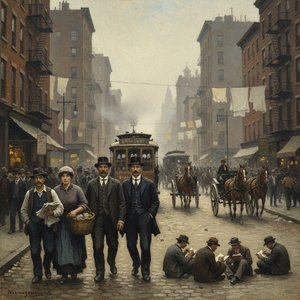
Noontime, St. Botolph Street, Boston


 Rozwiń treść
Giclée / Wydruk artystyczny
Wydruki giclée lub płótna o jakości muzealnej, szybka realizacja i szeroki wybór opcji wykończenia. ( Zamów ręcznie malowaną reprodukcję Przejdź do wersji cyfrowej)




P118B zł10

P118H zł10

P118W zł10

P438Z zł10

P508JH zł12

P508YH zł12

P805H zł10

P805Z zł10

P919BZ zł10

P919G zł10

P919XJ zł10

P959ZH zł10

P968JZ zł12

W106C zł8

W218G zł10

W218JH zł8

W218Y zł10

W307PJ zł10

W316G zł10

W316PJ zł8

W316Y zł10

W398PJ zł8

W4111J zł10

W500HY zł15

W500JH zł15

W692G zł12

W849H zł8

W940BG zł15

W953PJ zł8




Wybierz spośród naszych standardowych rozmiarów, które zachowują oryginalne proporcje dzieła sztuki.

Wpisz wymaganą szerokość i wysokość, aby dopasować grafikę do ramy lub ściany. Wydruk można jedynie przyciąć, nigdy nie powiększając go poza oryginalny obraz, dlatego format o innych proporcjach spowoduje utratę części kompozycji. Przed rozpoczęciem druku prześlemy Ci cyfrowy podgląd do zatwierdzenia. Obraz wyświetlany na tej stronie nie pokazuje rzeczywistego przycięcia — jedynie podgląd oddaje ten efekt.
Dostawa na cały świat () w ciągu 2 tygodni zamiast standardowych 4/5 tygodni. (5 Listopad)

Bezpłatna ekspresowa wysyłka na cały świat

Wysokiej jakości płótno lniane

Pełne ubezpieczenie przesyłki

Gwarancja zwrotu należności celnych i podatków importowych

Gwarancja wiernego odwzorowania kolorów

100-dniowa polityka zwrotów (tylko w przypadku wad)

Gwarancja 100% zwrotu pieniędzy

Zniżka przy zakupie wielu sztuk
 Opcja ze szkłem jest dostępna wyłącznie w rozmiarach poniżej 110 cm

Noontime, St. Botolph Street, Boston
Giclée / Wydruk artystyczny
Wymiary reprodukcji
-


Cena całkowita
zł 315
Noontime in Boston: A Study of Urban Life by George Benjamin Luks
George Benjamin Luks’s “Noontime, St. Botolph Street, Boston,” painted in 1923, isn't merely a depiction of a rainy afternoon; it’s a poignant snapshot of American urban life at the cusp of modernity. Housed within the Museum of Fine Arts, Boston, this oil on canvas offers a rare glimpse into the everyday rhythms and quiet dramas unfolding amidst the bustling streets of early 20th-century Boston. Luks, a key figure in the Ashcan School movement, rejected the idealized portrayals favored by the National Academy of Design, instead choosing to capture the gritty reality of working-class life with unflinching honesty and remarkable empathy.
The painting immediately draws the eye to its central figure – a man navigating the rain-slicked sidewalk, clutching an umbrella and a worn suitcase. His posture suggests both weariness and determination, hinting at a journey, perhaps a temporary escape or a return home. Around him, a carefully constructed tableau of ordinary individuals unfolds: a woman hurrying past with her own umbrella, a group pausing beneath awnings, and the subtle suggestion of activity in the background – a bench occupied by a solitary figure, a chair leaning against a building. These aren’t grand historical scenes or heroic narratives; they are fragments of human experience, rendered with remarkable detail and psychological insight.
A Masterclass in Realist Technique
Luks's distinctive style is immediately apparent in the painting’s bold brushstrokes and vibrant color palette. He masterfully employs a technique that blends elements of realism and impressionism, capturing not just the visual appearance of the scene but also its atmosphere—the dampness, the muted light filtering through the clouds, and the sense of movement inherent in a busy street. The use of loose, expressive brushwork creates a dynamic energy, contrasting with the carefully observed details of the figures and their surroundings. Note particularly how he uses color to evoke the feeling of rain – subtle blues, grays, and greens dominate, punctuated by the brighter tones of umbrellas and clothing.
The artist’s attention to light and shadow is equally impressive. The wet pavement reflects the diffused sunlight, creating a shimmering effect that adds depth and realism to the scene. Luks skillfully uses chiaroscuro – the contrast between light and dark – to sculpt the figures and define their forms, drawing the viewer's eye to key elements within the composition. The subtle play of light on the wet pavement is particularly evocative, suggesting both the discomfort of the rain and the beauty of its reflection.
Contextualizing a Moment in Time
“Noontime, St. Botolph Street, Boston” was created during a period of significant social and economic change in America. The early 20th century witnessed rapid industrialization, urbanization, and immigration, leading to the growth of densely populated cities like Boston and the emergence of new working-class communities. Luks’s painting reflects this reality, portraying the lives of ordinary people struggling to make a living in an increasingly complex world. The inclusion of the suitcase suggests themes of migration and displacement – common experiences for many immigrants arriving in America at the time.
Furthermore, understanding the context of Boston itself is crucial. St. Botolph Street was a vibrant, working-class neighborhood during this period, a microcosm of the larger urban landscape. The painting’s location within the city's historical fabric adds another layer of meaning to the scene, reminding us of the rich and often overlooked history of everyday life in America.
Symbolism and Emotional Resonance
Beyond its realistic depiction of urban life, “Noontime, St. Botolph Street, Boston” carries a subtle emotional resonance. The solitary figure with the suitcase embodies themes of loneliness, uncertainty, and the challenges of navigating an unfamiliar city. The rain itself can be interpreted as a symbol of cleansing or renewal, suggesting that even in difficult circumstances, there is always the possibility for hope. Luks’s ability to capture these nuanced emotions through his masterful technique and keen observation makes this painting a truly enduring work of art.
OriginalUniqueArt offers meticulously crafted hand-painted reproductions of “Noontime, St. Botolph Street, Boston,” allowing you to bring this captivating scene into your home or office. Each reproduction is created by skilled artists using archival quality materials, ensuring that the beauty and detail of Luks’s original work are faithfully preserved for generations to come.
Pytania i odpowiedzi
Z jakich materiałów wykonano "Noontime, St. Botolph Street, Boston" i w jakim stylu?
"Noontime, St. Botolph Street, Boston" powstało przy użyciu Oil On Canvas, w stylu Ashcan School.
Kto jest autorem i z jakiego roku pochodzi "Noontime, St. Botolph Street, Boston"?
George Luks, "Noontime, St. Botolph Street, Boston", 1923 rok
Czy kolory w „Noontime, St. Botolph Street, Boston” – George Luks są nasycone, czy stonowane?
Dzieło „Noontime, St. Botolph Street, Boston” – George Luks charakteryzuje się nasyceniem na poziomie Balanced Soft oraz intensywnością Balanced.
Biografia artysty
A Life Forged in the Crucible of American Realism
George Benjamin Luks, a name now inextricably linked to the vibrant and often gritty reality of early 20th-century America, was far more than just a painter; he was a keen observer, a chronicler of his time, and a powerful voice for those frequently overlooked. Born in Williamsport, Pennsylvania, in 1867, into a family steeped in both Polish and German heritage – his father a physician and apothecary, his mother an amateur musician – Luks’s formative years were shaped by the stark contrasts of rural life alongside the burgeoning industrial landscape of the coal-mining region. This early exposure to hardship and resilience would profoundly influence his artistic vision, driving him to capture the essence of everyday people and their struggles with unflinching honesty. His childhood was punctuated by a surprising detour into the world of vaudeville, where he and his brother honed their performance skills, developing an acute awareness of human behavior and the art of captivating an audience – skills that would later translate seamlessly into his paintings.Early Influences and European Studies
Luks’s formal artistic education began at the Pennsylvania Academy of the Fine Arts in Philadelphia, but it was his subsequent travels to Europe that truly ignited his creative spirit. He immersed himself deeply within the works of the Old Masters – particularly Velázquez and Hals – absorbing their mastery of light, shadow, and the ability to convey profound emotion through seemingly simple compositions. These encounters weren’t merely acts of imitation; they were a process of synthesis, as Luks began to develop his own unique style, informed by both classical tradition and a burgeoning desire to capture the dynamism of modern life. He spent time in Düsseldorf, Germany, studying at the prestigious Düsseldorf School of Art, where he was exposed to a different approach to painting – one emphasizing bold brushwork and a direct engagement with the subject matter. This period solidified his commitment to realism and fueled his ambition to depict the world as he saw it, without embellishment or romanticization. Manet’s influence also played a significant role in shaping Luks's artistic sensibilities, particularly his interest in capturing fleeting moments of urban life.The Rise of the Ashcan School and New York City
Upon returning to America, Luks found work as an illustrator for various newspapers and magazines, including *Puck*, *Truth*, and *The Verdict*. This experience proved invaluable, exposing him to the bustling streets, diverse populations, and often-overlooked realities of urban life in Philadelphia. Crucially, it connected him with a group of like-minded artists – Robert Henri, John Sloan, William Glackens, and others – who shared a rejection of the conservative values of the National Academy of Design and a desire to create art that reflected the experiences of ordinary Americans. This collective spirit gave rise to what became known as the Ashcan School, a movement characterized by its gritty realism, focus on urban subjects, and willingness to depict the less glamorous aspects of city life. Luks quickly embraced this new artistic direction, finding his voice within the group’s shared commitment to portraying the truth, however uncomfortable it might be.Capturing the Soul of New York: Paintings and Illustrations
Luks's paintings are instantly recognizable for their energetic brushwork, bold compositions, and unflinching portrayal of urban life in New York City. He didn’t shy away from depicting poverty, hardship, and social inequalities – subjects that were often ignored by mainstream artists. His subjects ranged from cab drivers and street performers to laborers and ordinary people going about their daily routines. Works like *The Cabby* are not simply depictions of individuals; they're imbued with a sense of dignity and resilience in the face of adversity. Similarly, *Sulky Boy* captures the vulnerability and introspection of youth with remarkable sensitivity. His technique was as distinctive as his subject matter – he employed a thick impasto style, applying paint liberally to the canvas, creating a textured surface that seemed to vibrate with energy. Luks’s use of color was often muted, reflecting the grimy realities of urban life, but punctuated by flashes of brilliance that drew the viewer's eye and added depth to his compositions. He also worked as a cartoonist for *The New York World*, continuing the popular comic strip “Hogan’s Alley” after its creator, Richard F. Outcault, had moved on.A Legacy of Realism and Social Commentary
George Benjamin Luks died in 1933, leaving behind a remarkable body of work that continues to resonate with viewers today. He wasn't simply documenting reality; he sought to convey its emotional weight, its inherent drama. His paintings are not merely historical documents; they are powerful testaments to the human condition, reminders of the struggles and triumphs of those whose stories might otherwise have been forgotten. Luks’s legacy extends beyond his individual artistic achievements – he was a passionate advocate for American art and artists, teaching at the Art Students League and inspiring generations of young painters to embrace their own unique voices and perspectives. His influence can be seen in the work of countless subsequent artists who sought to capture the spirit of the urban experience, solidifying his place as a pivotal figure in American art history.
George Luks
1867 - 1933 , Stany Zjednoczone
Krótka nota
- Artistic Movement Or Style: Ashcan School, Realizm
- Artists Or Movements Influenced By This Artist: ['American Modernism']
- Artists Who Influenced This Artist:
- Velázquez
- Hals
- Manet
- Date Of Birth: 1867
- Date Of Death: 1933
- Full Name: George Benjamin Luks
- Nationality: Amerykański
- Notable Artworks:
- The Cabby
- Sulky Boy
- Place Of Birth: Williamsport, USA
Powiązane artykuły
Szkoła Ashcan: Realizm miejski i demokratyzacja sztuki amerykańskiej
Poznaj Szkołę Ashcan – rewolucyjny ruch artystyczny, który zdemokratyzował amerykańską sztukę na początku XX wieku. Analiza twórczości Henriego i jego uczniów, wpływ na realizm społeczny oraz dziedzictwo tego wyjątkowego nurtu.

Romantic Realism's Finest: 10 Masterpieces for Your Home | OriginalUniqueArt
Explore 10 defining masterpieces of Romantic Realism! Discover Courbet, Millet & Daumier's powerful paintings—capturing emotion and social realities. Find museum-quality reproductions for your home at OriginalUniqueArt.com.

Georges Braque: 25 Arcydzieł Kubizmu i Nowoczesnej Sztuki | OriginalUniqueArt.com
Odkryj 25 arcydzieł Georges'a Braque – pioniera kubizmu i malarstwa nowoczesnego. Poznaj historię, techniki i inspiracje za jego najsłynniejszymi obrazami. Reprodukcje najwyższej jakości na OriginalUniqueArt.com! Eksploruj pełną kolekcję online.

Georges Seurat: 25 Arcydzieł Punktalizmu dla Twojego Domu | OriginalUniqueArt.com
Odkryj 25 arcydzieł Georges'a Seurata! Poznaj historię punktalizmu, impresjonistyczne pejzaże i fascynującą technikę malarską. Reprodukcje obrazów najwyższej jakości na OriginalUniqueArt.com – inspiracje do Twojego wnętrza. Eksploruj pełną kolekcję online!

Concrete Visions: Exploring the Urban Landscape in Painting – From Realism to Contemporary Art
Explore the evolution of cityscape painting from Realism to contemporary art with OriginalUniqueArt. Discover key artists & invest in timeless urban visions. Expert guidance, museum-quality reproductions.
