Menu
Text size

() ·

A painting made for you, by hand

Verdun, Francja

Ręcznie malowana reprodukcja olejowa

Ręcznie malowany obraz olejny na płótnie, wykonany na zamówienie przez naszych artystów w wybranym przez Ciebie wymiarze i oprawie. ( Przełącz na wydania drukowane Przejdź do wersji cyfrowej)

Opis obiektu

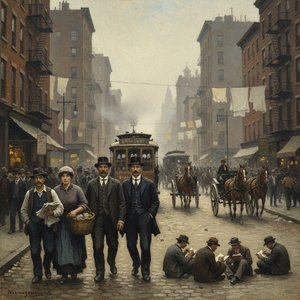
Magnificent watercolor obraz „Verdun, Francja” George’a Benjamin Luksiego z roku 1902 przedstawiającego życie miasta Verdun i jego mieszkańców. Odkryj piękno Ashcan School!

Biografia artysty

George Luks (1867-1933) – amerykański malarz Ashcan School, znany z realistycznych obrazów życia miejskiego i portretów. Jego dzieła oddają atmosferę Nowego Jorku początku XX wieku.

from ·

Chapter 1

How large should it be?

Slide to change the size; the picture on the left shows the frame at its real width. The proportions of the original are kept.

Standardowy format
personalizowane
CM
INCH

Wybierz spośród naszych standardowych rozmiarów, które zachowują oryginalne proporcje dzieła sztuki.

szerokość
wysokość

Wpisz wymaganą szerokość i wysokość, aby obraz pasował do Twojej ramy lub ściany. Ponieważ jest to dzieło malowane ręcznie, w przypadku rozmiaru o innych proporcjach artysta może domalować nieco więcej wokół obrazu lub przyciąć jego fragmenty — wybór należy do Ciebie. Przed rozpoczęciem pracy prześlemy Ci cyfrową wizualizację do zatwierdzenia. Obraz widoczny na tej stronie nie przedstawia rzeczywistego efektu — jedynie wizualizacja oddaje realny rezultat.

Chapter 2

How should it arrive?

Choose the edges of the stretched canvas

Choose your frame

Corner sample of the WhiteWrap canvas edge finish, stretched on lite drewno bars
White zł1
Corner sample of the BlurSideWrap canvas edge finish, stretched on lite drewno bars
Blurside zł1
Corner sample of the ExtendedWrap canvas edge finish, stretched on lite drewno bars
Extended zł1
Corner sample of the P118B picture frame: polistyren formowany, 5 cm wide and 3 cm thick
P118B zł10
Corner sample of the P118H picture frame: polistyren formowany, 5 cm wide and 3 cm thick
P118H zł10
Corner sample of the P118W picture frame: polistyren formowany, 5 cm wide and 3 cm thick
P118W zł10
Corner sample of the P438Z picture frame: polistyren formowany, 5.5 cm wide and 3.5 cm thick
P438Z zł10
Corner sample of the P508JH picture frame: polistyren formowany, 7 cm wide and 3.5 cm thick
P508JH zł12
Corner sample of the P508YH picture frame: polistyren formowany, 7 cm wide and 3.5 cm thick
P508YH zł12
Corner sample of the P805H picture frame: polistyren formowany, 5 cm wide and 3.5 cm thick
P805H zł10
Corner sample of the P805Z picture frame: polistyren formowany, 5 cm wide and 3.5 cm thick
P805Z zł10
Corner sample of the P919BZ picture frame: polistyren formowany, 7 cm wide and 3.5 cm thick
P919BZ zł10
Corner sample of the P919G picture frame: polistyren formowany, 7 cm wide and 3.5 cm thick
P919G zł10
Corner sample of the P919XJ picture frame: polistyren formowany, 7 cm wide and 3.5 cm thick
P919XJ zł10
Corner sample of the P959ZH picture frame: polistyren formowany, 5 cm wide and 3 cm thick
P959ZH zł10
Corner sample of the P968JZ picture frame: polistyren formowany, 6 cm wide and 4 cm thick
P968JZ zł12
Corner sample of the W106C picture frame: lite drewno, 5 cm wide and 3 cm thick
W106C zł8
Corner sample of the W218G picture frame: lite drewno, 5 cm wide and 3 cm thick
W218G zł10
Corner sample of the W218JH picture frame: lite drewno, 5 cm wide and 3 cm thick
W218JH zł8
Corner sample of the W218Y picture frame: lite drewno, 5 cm wide and 3 cm thick
W218Y zł10
Corner sample of the W307PJ picture frame: lite drewno, 6 cm wide and 3 cm thick
W307PJ zł10
Corner sample of the W316G picture frame: lite drewno, 6 cm wide and 3 cm thick
W316G zł10
Corner sample of the W316PJ picture frame: lite drewno, 6 cm wide and 3 cm thick
W316PJ zł8
Corner sample of the W316Y picture frame: lite drewno, 6 cm wide and 3 cm thick
W316Y zł10
Corner sample of the W398PJ picture frame: lite drewno, 5 cm wide and 3 cm thick
W398PJ zł8
Corner sample of the W4111J picture frame: lite drewno, 6.5 cm wide and 3.5 cm thick
W4111J zł10
Corner sample of the W500HY picture frame: lite drewno, 7 cm wide and 5 cm thick
W500HY zł15
Corner sample of the W500JH picture frame: lite drewno, 7 cm wide and 5 cm thick
W500JH zł15
Corner sample of the W692G picture frame: lite drewno, 8 cm wide and 4 cm thick
W692G zł12
Corner sample of the W849H picture frame: lite drewno, 5 cm wide and 3 cm thick
W849H zł8
Corner sample of the W940BG picture frame: lite drewno, 7.5 cm wide and 4.5 cm thick
W940BG zł15
Corner sample of the W953PJ picture frame: lite drewno, 6 cm wide and 3.5 cm thick
W953PJ zł8
Corner sample of the H24-GOLD picture frame: rzeźbione drewno pokryte gipsem, 10 cm wide and 6 cm thick
H24-GOLD zł30
Corner sample of the H24-SILVER picture frame: rzeźbione drewno pokryte gipsem, 10 cm wide and 6 cm thick
H24-SILVER zł30
Corner sample of the H36-GOLD picture frame: rzeźbione drewno pokryte gipsem, 15 cm wide and 6.5 cm thick
H36-GOLD zł45
Corner sample of the H36-SILVER picture frame: rzeźbione drewno pokryte gipsem, 15 cm wide and 6.5 cm thick
H36-SILVER zł45

Moulding: . Overall size with the frame: .

Chapter 3

Who paints it, and should anything change?

Examples of what can be changed: Replace face with customer photo; Add pet (e.g., replace cat with dog); Include hidden message in background; Change background landscape or elements.
After order, OriginalUniqueArt.com team will email client for instructions and provide a mockup preview

Dostawa na całym świecie () w ciągu 3–4 tygodni zamiast standardowych 5 tygodni. (29 Październik). Bez kompromisów w kwestii jakości.

Chapter 4

The finishing touches

A nameplate, as in a museum?

Szczegóły grawerowanej brązowej tabliczki

This elegant plaque features the artist's name and the title of the artwork, finely engraved for a timeless presentation.

It is made from bronze with a refined, elegant finish. The text is precisely laser-engraved for a sharp and permanent result. Measuring 9x2 cm, the plaque is compact yet easy to read. It's built to be durable and scratch-resistant, offering a professional, museum-quality look. Mounting is simple thanks to the included adhesive backing.

Szczegóły przezroczystej tabliczki akrylowej

The plaque includes essential engraved details such as the artist's name, the title of the artwork, the date it was created, the type of media used-like oil on canvas or watercolor-a brief description of the piece, and a QR code that links to the complete artwork information.

It is crafted from clear acrylic, offering a sleek, modern appearance. The text is UV-engraved in black to ensure strong visual contrast. With a size of 10x15 cm, it ensures optimal readability. It comes equipped with two metal hooks for secure wall mounting. The plaque is designed to be weather-resistant, making it suitable for various environments, and it includes interactive features that work seamlessly with smartphone scanning.

Szczegóły czarnej tabliczki akrylowej

This elegant plaque includes engraved information such as the artist's name, the title of the artwork, the date it was created, the type of media used (like oil on canvas or watercolor), a short description of the artwork, and a QR code for quick access to more information.

The plaque itself is made from refined black acrylic with a premium finish. The text is laser-engraved in white for high contrast and readability. Its size is 10x15 cm, designed to be easy to read. It comes with two metal hooks for professional mounting. The design is sleek and fits any interior style. It is also weather-resistant and durable, with built-in digital integration for mobile compatibility.

A protective varnish?

When do you need it?

Chapter 5

Your painting, as you ordered it

Verdun, Francja

Technika reprodukcji

Wymiary reprodukcji

-

Wybitny mistrz artystyczny

Większa szczegółowość, finezja i dodatkowy czas na realizację

-

Opcje oprawy reprodukcji

-

-

W przypadku dzieł sztuki lub reprodukcji, których którykolwiek z boków przekracza 105 cm (około 41 cali), rama zostanie wysłana w formie zestawu do samodzielnego montażu. Metoda ta zapewnia bezpieczną dostawę i zapobiega uszkodzeniom podczas transportu.

Wymagany profesjonalny montaż – nie jest to produkt typu DIY.
Zestaw musi zostać złożony, a płótno naciągnięte przez doświadczonego profesjonalnego ramiarza, przy użyciu kleju do drewna (brak w zestawie), kleszczy do naciągania płótna oraz ścisków, które utrzymają krosna w równej pozycji podczas schnięcia kleju. Nieprawidłowy montaż lub nierównomierne napięcie płótna może trwale uszkodzić dzieło sztuki i nie podlega naszej gwarancji.

  • W zestawie znajdują się wszystkie listwy z litego drewna, precyzyjnie docięte do wymiarów.

  • Montaż odbywa się przy użyciu dołączonych wkrętów oraz kleju do drewna do łączenia narożników, którego zestaw nie zawiera i który musi zostać dostarczony przez ramiarza.

  • Wymagane są profesjonalne narzędzia, których nie ma w zestawie: kleszcze do naciągania płótna (napinacz) oraz zaciski, które pozwolą utrzymać listwy w równej pozycji podczas schnięcia kleju.

Ważne:
Do połączenia narożników niezbędny jest klej do drewna, listwy należy unieruchomić za pomocą ścisków do momentu całkowitego wyschnięcia kleju, a naciągnięcie płótna na złożoną ramę wymaga użycia kleszczy do naciągania płótna. Żaden z tych elementów nie jest dołączony do zestawu. Przed zamówieniem tego rozmiaru zalecamy konsultację z doświadczonym ramiarzem.

Etykieta obiektu

-

-

Lakier ochronny

Lakier z połyskiem (pogłębia kolory, chroni przed światłem i wilgocią)

-

Personalizacja dzieła

Przykłady możliwości personalizacji: zastąp twarz zdjęciem klienta; dodaj zwierzę domowe (np. zamień kota na psa); umieść ukrytą wiadomość w tle; zmień krajobraz lub elementy tła.

-

Ekspresowa

Dostawa na cały świat () w ciągu 3–4 tygodni zamiast standardowych 5 tygodni. (29 Październik). Bez kompromisów w kwestii jakości.

-

Przesyłka ekspresowa

Dostawa na cały świat () w ciągu 5 tygodni. (5 Listopad).

W cenie

Cena całkowita

zł 1155

Suma całkowita zł 1155

Opcja ze szkłem jest dostępna wyłącznie w rozmiarach poniżej 110 cm

Included with every order

  • Bezpłatna ekspresowa wysyłka na cały świat
  • Wysokiej jakości płótno lniane
  • Pełne ubezpieczenie przesyłki
  • Gwarancja zwrotu należności celnych i podatków importowych
  • Gwarancja wiernego odwzorowania kolorów
  • 100-dniowa polityka zwrotów (tylko w przypadku wad)
  • Gwarancja 100% zwrotu pieniędzy
  • Zniżka przy zakupie wielu sztuk

George Benjamin Luks i Verdun Francji – Odtwórca Życia Miasta w Kolorach Ashcan School

Verdun Francji autorstwa George’a Benjamin Luks'a stanowi fascynujące świadectwo ducha amerykańskiej sztuki początku XX wieku oraz umiejętności malarza skupionego na obserwacji codziennego życia miejskiego. Utworzony w 1902 roku obraz, przedstawiający panoramę miasta Verdun położonego na północno-wschodzie Francji, jest doskonałym przykładem stylu Ashcan School – ruchu artystycznego, który odrzucał akademickie konwenanse i koncentrował się na wiernym odwzorowaniu rzeczywistości społecznej. Luks, inspirowany przez twórczość Henriego Matisse’a oraz innych impresjonistów francuskich, wykorzystał technikę olejną na papierze wodnym, aby uchwycić atmosferę miasta i emocje towarzyszące jego mieszkańcom. Jego dzieło nie tylko prezentuje piękno architektury i krajobrazu Verdun, ale także oddaje ducha epoki – czas zmian społecznych i politycznych oraz konfliktów ideowych.
  • Styl Ashcan School: Różni się od akademickiego stylu dominującego w Akademii Sztuki Narodowej przez skupienie na życiu codziennym ludzi z różnych środowisk społecznych, często przedstawianym bez idealizacji i z uwzględnieniem aspektów ubóstwa oraz trudności życiowych.
  • Technika Olejna na Papierze Wodnym: Luks zastosował delikatną technikę olejną na papierze wodnym, która pozwalała uzyskać miękkie kolory i efekt rozświetlenia. Jest to metoda charakterystyczna dla Ashcan School, która podkreślała faktury powierzchni oraz atmosferę miejsca.
  • Kompozycja: Obraz został podzielony na kilka płaszczyzny, co dodatkowo wzmacnia jego dynamikę i pozwala uwydatnić szczegółowe elementy krajobrazu oraz postaci ludzi. Szczególną uwagę zwrócono na linię wody biegnącą przez miasto Verdun.
Symbolizm: Przypuszcza się, że obraz Luks'a odzwierciedla atmosferę napięcia i niepokoju związanego z konfliktami międzynarodowymi oraz przygotowaniami do wojny. Kolorystyka dzieła jest stonowana i refleksyjna, co sugeruje głębokie przemyślenia autora dotyczące kondycji ludzkiej oraz roli sztuki w dokumentowaniu historii. Znaczenie Obrazu: Verdun Francji nie tylko stanowi piękną dekorację wnętrza, ale także przypomina o ważnym wydarzeniu historycznym – bitwie francuską z 1916 roku. Jego obecność w kolekcji artystycznej może zainspirować refleksję nad przeszłością oraz aktualnymi wyzwaniami społecznymi. Obraz Luks'a jest doskonałym przykładem sztuki realistycznej, która wiernie oddaje rzeczywistość i emocje towarzyszące jej mieszkańcom.
  • Dostępność Reprodukcji: Można zamówić wysokiej jakości reprodukcję obrazu Verdun Francji w OriginalUniqueArt. Oferowane są wydruki na papierze fotograficznym oraz olejowe reprodukcje wykonane przez doświadczonych artystów, którzy dokładnie analizują oryginał Luks'a.
  • Dodatkowe Informacje: Szczegółową wiedzę o twórczości George’a Benjamin Luks'a można pozyskać z publikacji Addison Gallery Of American Art oraz kolekcji amerykańskiej sztuki Smithsonian American Art Museum. Można również zapoznać się z dostępnymi materiałami edukacyjnymi na stronie OriginalUniqueArt.
Źródła: Wszystkie informacje zawarte w artykule pochodzą z publikacji Addison Gallery Of American Art oraz kolekcji amerykańskiej sztuki Smithsonian American Art Museum oraz Wikipedii.

Pytania i odpowiedzi

Co przedstawia i jaką atmosferę oddaje „Verdun, Francja” – George Luks?

„Verdun, Francja” – George Luks łączy w sobie cityscape, riverine scene, urban life, american realism, watercolor technique, early 20th century, european influence z Pełen spokoju atmosferą.

Czy "Verdun, Francja" wpisuje się w typową tematykę twórczości George Luks?

„Verdun, Francja” przedstawia cityscape, riverine scene, urban life, american realism, watercolor technique, early 20th century, european influence, podczas gdy powracające motywy u George Luks to realism, observation, urban life, european tradition, impressionistic style, social commentary, poverty concerns, henri group’s vision. Porównanie tych dwóch elementów ukazuje, jak dzieło nawiązuje do typowej dla tego artysty tematyki.

Kiedy i z jakich materiałów wykonano "Verdun, Francja"?

"Verdun, Francja" powstało w 1902 roku przy użyciu Akryl na płótnie.

More about this painting

Podgląd w skali 1:1 Podgląd AR Przełącz na wydania drukowane Przejdź do wersji cyfrowej Wyślij jako kartkę
Szczegóły dzieła Przewodnik Dodaj do ulubionych Pobierz obraz Podobne obiekty RTG Pokaz slajdów Q&A Statystyki

In numbers

  • 1902the year it was painted
  • 29frames to choose from
  • standard sizes, in its own proportions
  • 5weeks to paint and deliver it
George Luks

George Luks

1867 - 1933, Stany Zjednoczone

Quick facts about George Luks

  • Artistic Movement Or Style: Ashcan School, Realizm
  • Artists Or Movements Influenced By This Artist: ['American Modernism']
  • Artists Who Influenced This Artist:
    • Velázquez
    • Hals
    • Manet
  • Date Of Birth: 1867
  • Date Of Death: 1933
  • Full Name: George Benjamin Luks
  • Nationality: Amerykański
  • Notable Artworks:
    • The Cabby
    • Sulky Boy
  • Place Of Birth: Williamsport, USA

Biografia artysty

A Life Forged in the Crucible of American Realism

George Benjamin Luks, a name now inextricably linked to the vibrant and often gritty reality of early 20th-century America, was far more than just a painter; he was a keen observer, a chronicler of his time, and a powerful voice for those frequently overlooked. Born in Williamsport, Pennsylvania, in 1867, into a family steeped in both Polish and German heritage – his father a physician and apothecary, his mother an amateur musician – Luks’s formative years were shaped by the stark contrasts of rural life alongside the burgeoning industrial landscape of the coal-mining region. This early exposure to hardship and resilience would profoundly influence his artistic vision, driving him to capture the essence of everyday people and their struggles with unflinching honesty. His childhood was punctuated by a surprising detour into the world of vaudeville, where he and his brother honed their performance skills, developing an acute awareness of human behavior and the art of captivating an audience – skills that would later translate seamlessly into his paintings.

Early Influences and European Studies

Luks’s formal artistic education began at the Pennsylvania Academy of the Fine Arts in Philadelphia, but it was his subsequent travels to Europe that truly ignited his creative spirit. He immersed himself deeply within the works of the Old Masters – particularly Velázquez and Hals – absorbing their mastery of light, shadow, and the ability to convey profound emotion through seemingly simple compositions. These encounters weren’t merely acts of imitation; they were a process of synthesis, as Luks began to develop his own unique style, informed by both classical tradition and a burgeoning desire to capture the dynamism of modern life. He spent time in Düsseldorf, Germany, studying at the prestigious Düsseldorf School of Art, where he was exposed to a different approach to painting – one emphasizing bold brushwork and a direct engagement with the subject matter. This period solidified his commitment to realism and fueled his ambition to depict the world as he saw it, without embellishment or romanticization. Manet’s influence also played a significant role in shaping Luks's artistic sensibilities, particularly his interest in capturing fleeting moments of urban life.

The Rise of the Ashcan School and New York City

Upon returning to America, Luks found work as an illustrator for various newspapers and magazines, including *Puck*, *Truth*, and *The Verdict*. This experience proved invaluable, exposing him to the bustling streets, diverse populations, and often-overlooked realities of urban life in Philadelphia. Crucially, it connected him with a group of like-minded artists – Robert Henri, John Sloan, William Glackens, and others – who shared a rejection of the conservative values of the National Academy of Design and a desire to create art that reflected the experiences of ordinary Americans. This collective spirit gave rise to what became known as the Ashcan School, a movement characterized by its gritty realism, focus on urban subjects, and willingness to depict the less glamorous aspects of city life. Luks quickly embraced this new artistic direction, finding his voice within the group’s shared commitment to portraying the truth, however uncomfortable it might be.

Capturing the Soul of New York: Paintings and Illustrations

Luks's paintings are instantly recognizable for their energetic brushwork, bold compositions, and unflinching portrayal of urban life in New York City. He didn’t shy away from depicting poverty, hardship, and social inequalities – subjects that were often ignored by mainstream artists. His subjects ranged from cab drivers and street performers to laborers and ordinary people going about their daily routines. Works like *The Cabby* are not simply depictions of individuals; they're imbued with a sense of dignity and resilience in the face of adversity. Similarly, *Sulky Boy* captures the vulnerability and introspection of youth with remarkable sensitivity. His technique was as distinctive as his subject matter – he employed a thick impasto style, applying paint liberally to the canvas, creating a textured surface that seemed to vibrate with energy. Luks’s use of color was often muted, reflecting the grimy realities of urban life, but punctuated by flashes of brilliance that drew the viewer's eye and added depth to his compositions. He also worked as a cartoonist for *The New York World*, continuing the popular comic strip “Hogan’s Alley” after its creator, Richard F. Outcault, had moved on.

A Legacy of Realism and Social Commentary

George Benjamin Luks died in 1933, leaving behind a remarkable body of work that continues to resonate with viewers today. He wasn't simply documenting reality; he sought to convey its emotional weight, its inherent drama. His paintings are not merely historical documents; they are powerful testaments to the human condition, reminders of the struggles and triumphs of those whose stories might otherwise have been forgotten. Luks’s legacy extends beyond his individual artistic achievements – he was a passionate advocate for American art and artists, teaching at the Art Students League and inspiring generations of young painters to embrace their own unique voices and perspectives. His influence can be seen in the work of countless subsequent artists who sought to capture the spirit of the urban experience, solidifying his place as a pivotal figure in American art history.

Najważniejsze informacje

  • Dimensions: Nieznane
  • Influences: Robert Henri
  • Artistic style: Realizm agresywny
  • Medium: Oleje na papierze
  • Location: Nieznana kolekcja
  • Movement: Ashcan School

Quiz o sztuce

Do każdego pytania dotyczy tylko jedna poprawna odpowiedź.

Pytanie 1:
Jak nazywa się obraz George’a Benjamin Luks’a?
Pytanie 2:
W którym okresie sztuki powstał ten obraz?
Pytanie 3:
Jaki styl malarski charakteryzuje twórczość George’a Benjamin Luks’a?
Pytanie 4:
Co przedstawiono na obrazie Verdun, Francja?
Pytanie 5:
Jakie techniki malarskie wykorzystał Luks przy tworzeniu tego obrazu?
Odkryj dzieła sztuki uporządkowane według tematów, stylów i cech charakterystycznych.