 Se i rommet
 Del som digitalt kort
 Del
Del
 Detaljer
 Studentguide

 Last ned
 Liknende objekter
 Røntgen
 Lysbildefremvisning
 Besøksstatistikk
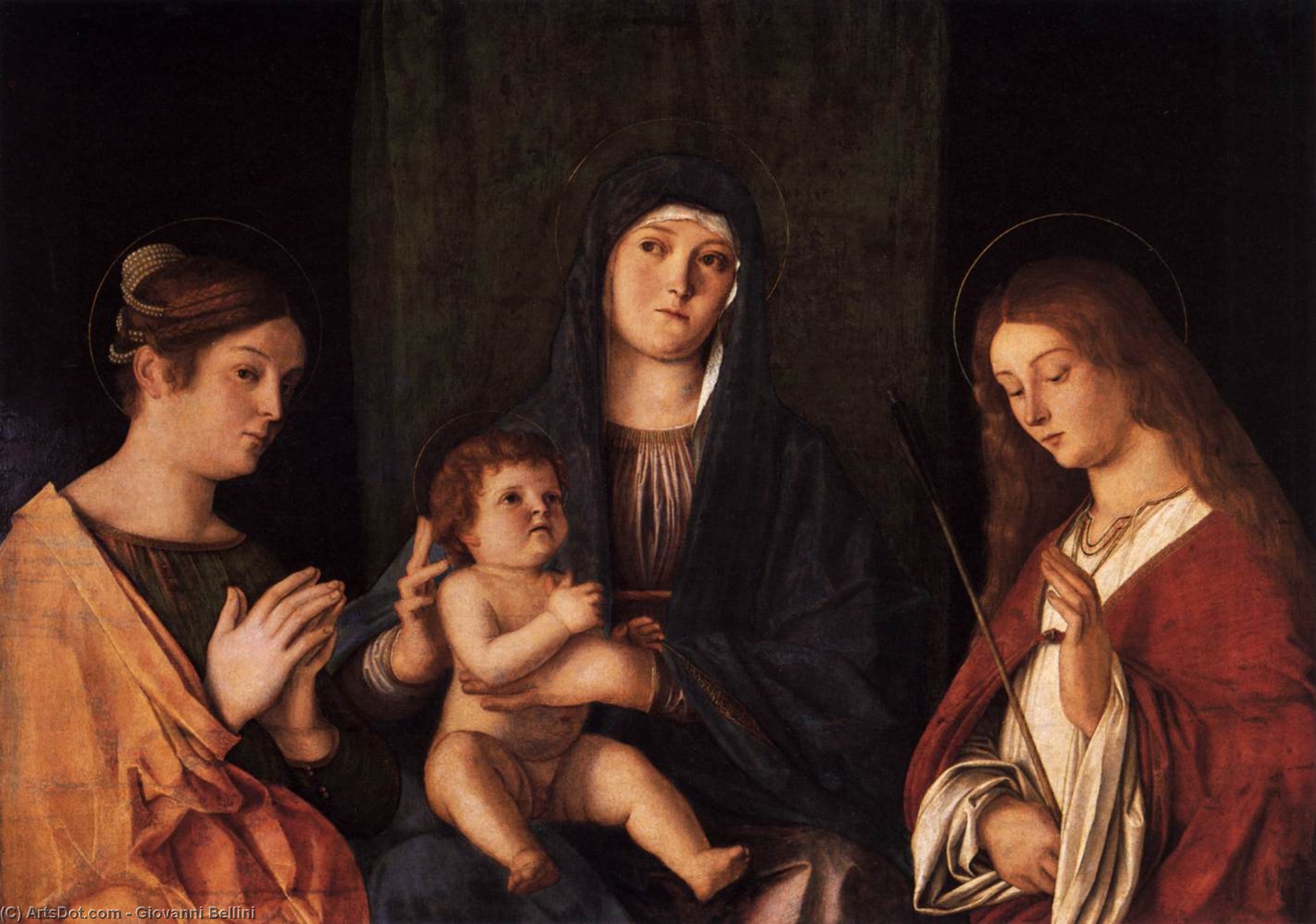
Sakkelig samtale
 Akryl på lerret
- Veggkunst
- Northern Renaissance
 1490
1490 77.0 x 104.0 cm
 Museo del Prado
 Les mer
Håndlaget oljereproduksjon
Håndmalt olje på lerret i din valgte størrelse og ramme, laget på bestilling av våre kunstnere. ( Bytt til trykkversjon Gå til digitalt bilde)




P118B Nkr10

P118H Nkr10

P118W Nkr10

P438Z Nkr10

P508JH Nkr12

P508YH Nkr12

P805H Nkr10

P805Z Nkr10

P919BZ Nkr10

P919G Nkr10

P919XJ Nkr10

P959ZH Nkr10

P968JZ Nkr12

W106C Nkr8

W218G Nkr10

W218JH Nkr8

W218Y Nkr10

W307PJ Nkr10

W316G Nkr10

W316PJ Nkr8

W316Y Nkr10

W398PJ Nkr8

W4111J Nkr10

W500HY Nkr15

W500JH Nkr15

W692G Nkr12

W849H Nkr8

W940BG Nkr15

W953PJ Nkr8




Velg mellom våre forhåndsdefinerte størrelser som bevarer kunstverkets opprinnelige proporsjoner.

Skriv inn bredden og høyden du trenger, slik at den passer til din ramme eller vegg. Dette er håndmalt, så for en størrelse med en annen form kan kunstneren male litt mer rundt bildet, eller beskjære det noe — du velger selv. Vi sender deg en digital mockup for godkjenning før maleriet påbegynnes. Bildet som vises på denne siden viser ikke det faktiske resultatet — kun mockuppen gjør det.
Etter bestilling vil OriginalUniqueArt.com-teamet sende e-post til kunden for instruksjoner og sende et utkast (mockup) som forhåndsvisning.
Verdensomspennende levering () på 3–4 uker i stedet for standard 5 uker. (22 October). Ingen kompromisser med kvaliteten.

Gratis ekspressfrakt over hele verden

Lerretsduk av høykvalitets lin

Full transportforsikring

Garanti for refusjon av toll og importavgifter

Garantert fargeekthet

100 dagers returrett ved fabrikasjonsfeil

100% pengene tilbake-garanti

Mengderabatt
 Glassalternativet er kun tilgjengelig i størrelser under 110 cm

Sakkelig samtale
Reproduksjonsmetode
Format på reproduksjon
-


Totalpris
Nkr 2832
Giovanni Bellini og Sakra Conversazione – En Dialog om Tro og Kunst
Giovanni Bellini var en kunstner som virkelig definerte sin tid, og hans verk «Sakra Conversazione» er et vitnesbyrd om den italienske Renessansen i Venezia. Født rundt 1430 – selv om noen kilder antyder 1433 – vokste han opp i hjemmet til Jacopo Bellini, som lenge ble antatt å være hans far, men moderne forskning viser nå at Jacopo var Giovanni’s eldste halvbror, med Gentile Bellini som nevø snarere enn sønn. Denne komplekse familiære historien er viktig for å forstå Bellinis kunstneriske utvikling og hans plass i den italienske kunsthistorien. Han ble oppdratt av en verkstedsmiljø hvor teknikk og kreativitet blomstret, noe som førte til at han tidlig absorberte grunnlaget for maleri fra sin far og bror. Denne tidlige erfaringen ville senere forme hans stil og hans evne til å fange essensen av menneskelig følelse og religiøs refleksjon.- Stil: Sakra Conversazione er et eksempel på veneziansk Renessansekunst, men Bellini var også dypt påvirket av bysantinske tradisjoner. Dette vises spesielt i bruken av bakgrundsfarger og komposisjonsteknikker som vektlegger stabilitet og hierarki. Bellinis kunst handler om å skape en følelse av harmoni og ro gjennom bruk av lys og farge, noe som var et viktig mål for mange italienske kunstnere på denne tiden.
- Teknikk: Bellini var en mester i å bruke tempera og olje på dukat, noe som tillot ham å oppnå imponerende detaljer og dybde i sine bilder. Hans bruk av perspektiv og komposisjon var banebrytende for sin tid, og han var blant de første til å eksperimentere med nye teknikker for å skape realistiske og følelsesmessige bilder. Spesielt interessant er hans teknikk for å bruke sfumato – en subtil blending av farger og lys – noe som gir bildet en atmosfære av mystikk og dybde.
Historisk Kontekst og Symbolisme
«Sakra Conversazione» ble malt rundt 1490 og er et produkt av den kulturelle og religiøse atmosfæren i Venezia på denne tiden. Venezia var et viktig handelssentrum og kunstnerisk senter, og Bellini var en aktiv deltaker i den kunstneriske debatten som fant sted mellom ulike skoler og ideologier. Maleriet viser tre kvinner – sannsynligvis Maria Magdalena, Eva og Johannes Evangelist – som sitter sammen i et rom og fører en samtale om kristendommens grunnleggende spørsmål. Dette var ikke bare et religiøst tema, men også et symbol på kvinnelig visdom og styrke, noe som var viktig for å fremme humanistiske ideer. Det lille barnet i Eva’s arm representerer håp og fødsel, mens bøkerne hos Johannes Evangelist symboliserer kunnskap og guddommelig veiledning. Bellini bruker lys og farge på en måte som ikke bare er teknisk imponerende, men også har en sterk følelsesmessig effekt på betrakteren.Emosjonell Påvirkning og Inspirasjon
«Sakra Conversazione» er et verk som fortsatt fascinerer kunstnere og publikum i dag. Maleriet uttrykker en dyp følelse av menneskelig forbindelse og åndelig søken, noe som resonnerer med oss på et grunnleggende nivå. Bellinis bruk av sfumato skaper en atmosfære av varme og intimitet, og hans komposisjon er balansert og harmonisk. Dette verk kan inspirere interiørdesignere til å skape rom som gjenskaper denne følelsen av ro og refleksjon. Det er et eksempel på hvordan kunst kan kommunisere universelle menneskelige erfaringer og verdier, noe som gjør det til en tidløs klassiker innen italiensk kunsthistorie. Sakra Conversazione forteller historien om tro og menneskelig forståelse gjennom vakre bilder og teknikk.Spørsmål og svar
Hvordan knytter "Sakkelig samtale" av Giovanni Bellini Northern Renaissance til kunstnerens hjemland?
Det Northern Renaissance-pregede verket "Sakkelig samtale" ble skapt av en kunstner født i Italia.
Hvilken emosjonell tone ledsager Northern Renaissance-stilen i "Sakkelig samtale"?
Den Rolig følelsen i "Sakkelig samtale" ledsager dens Northern Renaissance-stil.
Hvilken fargemetning har "Sakkelig samtale" av Giovanni Bellini?
Fargene i "Sakkelig samtale" av Giovanni Bellini har en Subtile farger metning. Metning beskriver hvor levende eller dempede fargene er.
Kunstnerbiografi
A Venetian Master: The Life and Legacy of Giovanni Bellini
Giovanni Bellini, a name synonymous with the blossoming Renaissance in Venice, stands as a pivotal figure bridging the gap between the traditions of Byzantine art and the innovative spirit that would define the 16th century. Born around 1430 – though some sources suggest 1433 – into a family deeply entrenched in the artistic world, Bellini’s journey was one of continuous evolution, marked by a profound sensitivity to color, light, and the burgeoning humanism of his era. The precise nature of his familial relationships has been debated; for years Jacopo Bellini was considered his father, but modern scholarship increasingly points towards Jacopo being Giovanni's elder half-brother, with Gentile Bellini as his nephew rather than sibling. Regardless of these intricacies, young Giovanni grew up immersed in a workshop brimming with creativity and technical expertise, absorbing the foundations of painting from an early age. His initial training likely involved the traditional tempera techniques favored at the time, but it was his innate talent for observation and emotional expression that would set him apart.Early Influences and Artistic Development
The artistic landscape of 15th-century Venice was a unique blend of influences. The city’s position as a major trading hub exposed its artists to diverse styles and ideas, while the Byzantine heritage continued to exert a strong pull. Bellini's early works reflect this duality. Initially, his style bore the mark of his father and brother, Gentile, with compositions often characterized by meticulous detail and a somewhat restrained emotional palette. However, even in these early pieces, hints of his future brilliance began to emerge – a delicate handling of light, a growing interest in naturalistic settings, and an ability to imbue religious figures with a palpable sense of human pathos. The influence of Andrea Mantegna, his brother-in-law, is also readily apparent during this period, particularly in the clarity of line and sculptural forms. Bellini’s early commissions often involved collaborative projects, such as his contributions to the Scuola di San Marco alongside Gentile and other prominent Venetian artists. These large-scale works provided invaluable experience and allowed him to hone his skills while working alongside some of the most talented painters of the day.Revolutionizing Venetian Painting: Color, Light, and Oil
Bellini’s true revolution lay in his embrace of oil paint. While not the inventor of the technique, he was among the first Venetian artists to fully exploit its potential. Unlike tempera, which dried quickly and demanded a precise, linear approach, oil paint allowed for greater blending, richer colors, and subtle gradations of tone. This newfound freedom enabled Bellini to create paintings with an unprecedented depth and luminosity. His use of color became increasingly sophisticated, moving away from the bright, often harsh hues of earlier Venetian painting towards a more nuanced and harmonious palette. He masterfully captured the effects of light and atmosphere, imbuing his landscapes with a sense of serenity and realism that was groundbreaking for its time. This mastery of oil paint not only transformed his own work but also laid the foundation for the distinctive style that would come to define the Venetian school – a style celebrated for its sensuousness, coloristic richness, and atmospheric perspective. His paintings began to radiate an inner glow, reflecting a spiritual depth that resonated with viewers.Mature Works and Lasting Influence
As Bellini matured, his artistic vision continued to evolve. His altarpieces, such as those created for the churches of San Zaccaria and Santa Corona, demonstrate his ability to create complex compositions filled with symbolic meaning and emotional resonance. The *Transfiguration*, now housed in the Capodimonte Museum in Naples, exemplifies his mature style – a serene spirit combined with ripened artistic powers. He also served as conservator of the paintings in Doge’s Palace, further solidifying his reputation as Venice's leading artist. His influence extended far beyond his own lifetime. He became a mentor to a generation of younger painters, including Giorgione and Titian, who would carry on his legacy and push the boundaries of Venetian art even further. These pupils absorbed Bellini’s techniques and aesthetic principles, adapting them to their own individual styles and contributing to the golden age of Venetian painting. Bellini's impact can be seen in the works of countless artists who followed, solidifying his place as a true master of the Renaissance. He died in Venice in 1516, leaving behind a body of work that continues to inspire awe and admiration centuries later.A Legacy Enduring Through Time
Giovanni Bellini’s significance extends beyond his technical innovations and artistic achievements. He captured the spirit of a changing world – a world grappling with new ideas about humanity, spirituality, and the relationship between art and nature. His paintings are not merely representations of religious scenes; they are profound meditations on faith, beauty, and the human condition. His ability to imbue his figures with dignity and grace, combined with his masterful use of color and light, created a visual language that resonated deeply with his contemporaries and continues to captivate audiences today. *Bellini’s legacy is not simply one of artistic brilliance; it is a testament to the power of art to transcend time and connect us to the enduring values of human experience.* From the serene beauty of his Madonnas to the dramatic intensity of his religious scenes, Bellini's work remains a cornerstone of Western art history.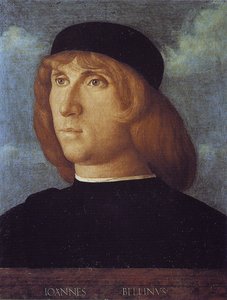
Giovanni Bellini
1433 - 1516 , Italia
Kort om kunstneren
- Artistic Movement Or Style: Skolen i Venezia
- Artists Or Movements Influenced By This Artist:
- Giorgione
- Tiziano
- Artists Who Influenced This Artist:
- Jacopo Bellini
- Gentile Bellini
- Andrea Mantegna
- Date Of Birth: c. 1430
- Date Of Death: 1516
- Full Name: Giovanni Bellini
- Nationality: Italiensk
- Notable Artworks:
- Transfigurazione
- Madonna con il Bambino
- Place Of Birth: Venezia, Italia
Relaterte artikler

Giorgione: Enigma and Innovation in Early Venetian Renaissance Painting
Explore the enigmatic world of Giorgione, a pivotal figure in the Venetian Renaissance. Discover his innovative techniques, iconic paintings like 'The Tempest', and lasting influence on art history. Learn more at OriginalUniqueArt.

Jacopo Tintorettos 25 Mesterverk: Drama, Lys og Renessanse Kunst | OriginalUniqueArt.no
Oppdag Jacopo Tintorettos 25 mest ikoniske malerier! Fordyp deg i renessansens drama, lys og farger. Eksklusive kunsttrykk & lerretstrykk på OriginalUniqueArt.no – finn din favoritt nå!
The Venetian Renaissance: A Masterclass in Colorito, Light, and the Birth of Atmospheric Brilliance
Explore the breathtaking mastery of the Venetian Renaissance. Discover how legends like Titian revolutionized art through Colorito, capturing the luminous light and vibrant pigments of the Venetian lagoon in a visual journey of unparalleled color and texture.

Venetian Renaissance: The Mastery of Color, Light, and the Art of Colorito
Explore the luminous mastery of the Venetian Renaissance. Discover how masters like Titian and Giorgione revolutionized art through colorito, light, and atmosphere. An expert guide to the golden age of Italian painting for collectors and enthusiasts.
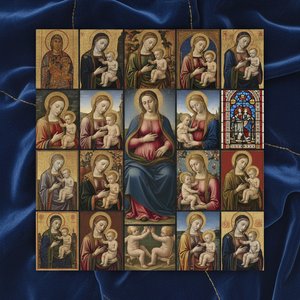
Divine Love: A Curated Guide to the Most Iconic Madonna and Child Masterpieces in Art History
Embark on a sophisticated journey through art history with our curated guide to the most iconic Madonna and Child masterpieces. Discover the profound beauty, theological depth, and enduring legacy of these sacred Renaissance treasures.