Forhåndsvisning
 Send
Send Del med andre
 Vis detaljer

 Last ned bildet
 Liknende objekter
 Røntgenundersøkelse
 Lysbildefremvisning
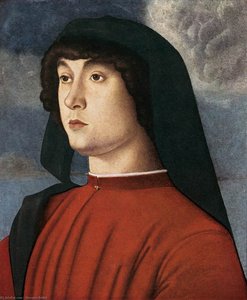
Portrett av en ung mann
 Akryl på lerret
- Veggkunst
- High Renaissance
 1500
1500 31.0 x 26.0 cm
 Galleria degli Uffizi
 Vis hele teksten
Håndlaget oljereproduksjon
Håndmalt olje på lerret i din valgte størrelse og ramme, laget på bestilling av våre kunstnere. ( Kjøp trykk Kjøp bilde)




P118B $10

P118H $10

P118W $10

P438Z $10

P508JH $12

P508YH $12

P805H $10

P805Z $10

P919BZ $10

P919G $10

P919XJ $10

P959ZH $10

P968JZ $12

W106C $8

W218G $10

W218JH $8

W218Y $10

W307PJ $10

W316G $10

W316PJ $8

W316Y $10

W398PJ $8

W4111J $10

W500HY $15

W500JH $15

W692G $12

W849H $8

W940BG $15

W953PJ $8




Velg mellom våre forhåndsdefinerte størrelser som bevarer kunstverkets opprinnelige proporsjoner.

Du kan angi egne mål for å tilpasse en spesifikk ramme eller plass. Dersom den valgte størrelsen ikke samsvarer med originalbildets proporsjoner, vil vi enten beskjære kunstverket eller utvide maleriet med ytterligere håndmalte elementer. En digital mockup vil bli sendt til din godkjenning før produksjonen starter.
Vennligst merk at forhåndsvisningen på skjermen ikke gjenspeiler den faktiske beskjæringen eller utvidelsen. Kun mockuppen vil vise den endelige komposisjonen nøyaktig.
Selv om tilpassede størrelser er tilgjengelige, anbefaler vi å velge et mål fra den forhåndsdefinerte listen for å bevare de originale proporsjonene.
Etter bestilling vil OriginalUniqueArt.com-teamet sende e-post til kunden for instruksjoner og sende et utkast (mockup) som forhåndsvisning.
Verdensomspennende levering () på 3–4 uker i stedet for standard 5 uker. (21 August). Ingen kompromisser med kvaliteten.

Gratis ekspressfrakt over hele verden

Lerretsduk av høykvalitets lin

Full forsikring under transport

Garanti for refusjon av toll og importavgifter

Garantert korrekt fargegjengivelse

60 dagers returrett (kun ved feil)

100% pengene tilbake-garanti

Rabatt ved flere kjøp
 Glassalternativet er kun tilgjengelig i størrelser under 110 cm

Portrett av en ung mann
Teknikk for reproduksjon
Størrelse på reproduksjon
-


Endelig pris
$ 300
Beskrivelse av kunstverket
Giovanni Bellini’s Portrait of a Young Man: A Window into Renaissance Reflection
Giovanni Bellini's “Portrait of a Young Man,” painted around 1500, stands as an emblem of Venetian High Renaissance artistry – a testament to the era’s preoccupation with humanist ideals and its unparalleled mastery of visual representation. More than just a depiction of youthful beauty, this painting delves into profound psychological depth, inviting viewers to contemplate themes of contemplation and inner serenity. Its enduring appeal lies not only in its exquisite craftsmanship but also in its ability to encapsulate the spirit of a transformative period in European culture.Subject Matter and Composition
The portrait portrays a young man with striking red hair, dressed in a dark robe adorned with intricate embroidery—a deliberate choice reflecting the fashions of the time and subtly hinting at social status. He wears a black hat, adding to his dignified appearance. Bellini’s meticulous attention to detail extends beyond mere costume; he captures the youthful gaze of the subject, eyes wide with curiosity or perhaps surprise, directly confronting the viewer. This bold compositional decision immediately establishes an intimate connection between artist and sitter, fostering a sense of immediacy and inviting contemplation about inner thoughts and emotions. The backdrop—a hazy expanse of clouds—creates an atmospheric setting that enhances the portrait’s contemplative mood, mirroring the psychological landscape of its subject.Technique and Artistic Innovation
Bellini's technique exemplifies the Venetian Renaissance’s groundbreaking advancements in oil painting. He skillfully employs *chiaroscuro*, manipulating light and shadow to sculpt the figure’s form with remarkable precision. This masterful use of tonal gradation imbues the portrait with a palpable sense of realism, capturing subtle nuances of skin texture and musculature. Furthermore, Bellini's layering of glazes—thin translucent coats of paint applied over multiple layers—creates luminous surfaces that shimmer with color and depth. These glazing techniques were revolutionary for their time, surpassing the limitations of tempera painting and allowing artists to achieve unprecedented levels of expressive power. The artist’s careful observation of nature is evident in the depiction of the clouds, which are rendered with atmospheric perspective – a technique pioneered by Bellini and his contemporaries that convincingly simulates depth and realism.Historical Context and Symbolism
Painted during Venice's golden age—a period marked by flourishing trade, artistic patronage, and intellectual ferment—the portrait reflects the humanist values championed by figures like Leonardo da Vinci and Michelangelo. The Renaissance fascination with human anatomy and psychology is palpable in Bellini’s portrayal of the young man’s gaze and expression. While definitive interpretations remain elusive, scholars suggest that the image may symbolize youthful innocence and contemplation – qualities highly valued during this era. The robe's embroidery could represent wealth and status, reinforcing societal hierarchies prevalent at the time.Emotional Impact and Legacy
“Portrait of a Young Man” transcends mere visual representation; it communicates an emotional resonance that continues to captivate audiences centuries later. Bellini’s ability to convey inner stillness and quiet contemplation speaks to the enduring human desire for introspection and self-awareness. This painting serves as a poignant reminder of the Renaissance's commitment to capturing the complexities of human experience—a legacy that resonates powerfully in contemporary art appreciation. Its serene beauty and masterful technique solidify Giovanni Bellini’s place among the greatest artists of his time, ensuring its continued admiration and study for generations to come.Om kunstneren
A Venetian Master: The Life and Legacy of Giovanni Bellini
Giovanni Bellini, a name synonymous with the blossoming Renaissance in Venice, stands as a pivotal figure bridging the gap between the traditions of Byzantine art and the innovative spirit that would define the 16th century. Born around 1430 – though some sources suggest 1433 – into a family deeply entrenched in the artistic world, Bellini’s journey was one of continuous evolution, marked by a profound sensitivity to color, light, and the burgeoning humanism of his era. The precise nature of his familial relationships has been debated; for years Jacopo Bellini was considered his father, but modern scholarship increasingly points towards Jacopo being Giovanni's elder half-brother, with Gentile Bellini as his nephew rather than sibling. Regardless of these intricacies, young Giovanni grew up immersed in a workshop brimming with creativity and technical expertise, absorbing the foundations of painting from an early age. His initial training likely involved the traditional tempera techniques favored at the time, but it was his innate talent for observation and emotional expression that would set him apart.Early Influences and Artistic Development
The artistic landscape of 15th-century Venice was a unique blend of influences. The city’s position as a major trading hub exposed its artists to diverse styles and ideas, while the Byzantine heritage continued to exert a strong pull. Bellini's early works reflect this duality. Initially, his style bore the mark of his father and brother, Gentile, with compositions often characterized by meticulous detail and a somewhat restrained emotional palette. However, even in these early pieces, hints of his future brilliance began to emerge – a delicate handling of light, a growing interest in naturalistic settings, and an ability to imbue religious figures with a palpable sense of human pathos. The influence of Andrea Mantegna, his brother-in-law, is also readily apparent during this period, particularly in the clarity of line and sculptural forms. Bellini’s early commissions often involved collaborative projects, such as his contributions to the Scuola di San Marco alongside Gentile and other prominent Venetian artists. These large-scale works provided invaluable experience and allowed him to hone his skills while working alongside some of the most talented painters of the day.Revolutionizing Venetian Painting: Color, Light, and Oil
Bellini’s true revolution lay in his embrace of oil paint. While not the inventor of the technique, he was among the first Venetian artists to fully exploit its potential. Unlike tempera, which dried quickly and demanded a precise, linear approach, oil paint allowed for greater blending, richer colors, and subtle gradations of tone. This newfound freedom enabled Bellini to create paintings with an unprecedented depth and luminosity. His use of color became increasingly sophisticated, moving away from the bright, often harsh hues of earlier Venetian painting towards a more nuanced and harmonious palette. He masterfully captured the effects of light and atmosphere, imbuing his landscapes with a sense of serenity and realism that was groundbreaking for its time. This mastery of oil paint not only transformed his own work but also laid the foundation for the distinctive style that would come to define the Venetian school – a style celebrated for its sensuousness, coloristic richness, and atmospheric perspective. His paintings began to radiate an inner glow, reflecting a spiritual depth that resonated with viewers.Mature Works and Lasting Influence
As Bellini matured, his artistic vision continued to evolve. His altarpieces, such as those created for the churches of San Zaccaria and Santa Corona, demonstrate his ability to create complex compositions filled with symbolic meaning and emotional resonance. The *Transfiguration*, now housed in the Capodimonte Museum in Naples, exemplifies his mature style – a serene spirit combined with ripened artistic powers. He also served as conservator of the paintings in Doge’s Palace, further solidifying his reputation as Venice's leading artist. His influence extended far beyond his own lifetime. He became a mentor to a generation of younger painters, including Giorgione and Titian, who would carry on his legacy and push the boundaries of Venetian art even further. These pupils absorbed Bellini’s techniques and aesthetic principles, adapting them to their own individual styles and contributing to the golden age of Venetian painting. Bellini's impact can be seen in the works of countless artists who followed, solidifying his place as a true master of the Renaissance. He died in Venice in 1516, leaving behind a body of work that continues to inspire awe and admiration centuries later.A Legacy Enduring Through Time
Giovanni Bellini’s significance extends beyond his technical innovations and artistic achievements. He captured the spirit of a changing world – a world grappling with new ideas about humanity, spirituality, and the relationship between art and nature. His paintings are not merely representations of religious scenes; they are profound meditations on faith, beauty, and the human condition. His ability to imbue his figures with dignity and grace, combined with his masterful use of color and light, created a visual language that resonated deeply with his contemporaries and continues to captivate audiences today. *Bellini’s legacy is not simply one of artistic brilliance; it is a testament to the power of art to transcend time and connect us to the enduring values of human experience.* From the serene beauty of his Madonnas to the dramatic intensity of his religious scenes, Bellini's work remains a cornerstone of Western art history.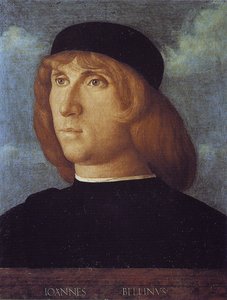
Giovanni Bellini
1433 - 1516 , Italia
Kort om kunstneren
- Artistic Movement Or Style: Skolen i Venezia
- Artists Or Movements Influenced By This Artist:
- Giorgione
- Tiziano
- Artists Who Influenced This Artist:
- Jacopo Bellini
- Gentile Bellini
- Andrea Mantegna
- Date Of Birth: c. 1430
- Date Of Death: 1516
- Full Name: Giovanni Bellini
- Nationality: Italiensk
- Notable Artworks:
- Transfigurazione
- Madonna con il Bambino
- Place Of Birth: Venezia, Italia
Relaterte artikler

The Enduring Legacy of Oil on Canvas: Technique, History & Aesthetic Impact
Explore the rich history & techniques of oil painting – from Renaissance masters to Impressionism. Discover pigments, layering methods, and why this timeless medium endures. Expert insights for artists & art enthusiasts.

Venetian Renaissance: The Mastery of Color, Light, and the Art of Colorito
Explore the luminous mastery of the Venetian Renaissance. Discover how masters like Titian and Giorgione revolutionized art through colorito, light, and atmosphere. An expert guide to the golden age of Italian painting for collectors and enthusiasts.

The Golden Light of Innovation: Exploring the Venetian Renaissance Art Movement (1430–1580)
Explore the Golden Age of Venetian art (1430–1580). Discover Giorgione, Titian & Tintoretto's techniques, the 'colorito' revolution, and lasting influence. Expert insights for collectors & enthusiasts.

Oil on Canvas: A Historical & Technical Exploration of a Timeless Artistic Medium
Explore the rich history & enduring techniques of oil painting on canvas. Discover the science behind its longevity, conservation practices, and contemporary relevance. Expert insights for art enthusiasts.

The Enduring Power of Painting: A Historical & Contemporary Exploration of Form and Emotion
Explore the rich history & enduring techniques of oil painting with OriginalUniqueArt. Discover masterpieces, learn about art collecting, and find authentic handmade reproductions crafted by skilled artists.