Tekstgrootte

() ·

Een schilderij speciaal voor u gemaakt, met de hand

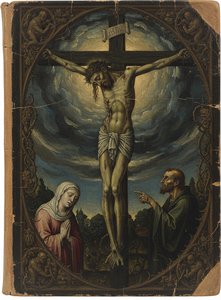
The Resurrection

Handgemaakte olieverfreproductie

Met de hand geschilderd in olieverf op canvas in uw gewenste maat en lijst, op bestelling gemaakt door onze kunstenaars. ( Schakel over naar print Schakel over naar digitale afbeeldingen)

Beschrijving verzamelobject

Discover "The Resurrection" by Matthias Grünewald! This powerful 1515 oil painting showcases dramatic chiaroscuro & symbolic figures. Explore late Gothic/Renaissance style & a captivating masterpiece.

Biografie kunstenaar

Matthias Grünewald: Een Duitse Renaissance-schilder bekend om de intense Isenheim Altapiece en zijn emotionele religieuze kunstwerken. Ontdek zijn unieke stijl!

vanaf ·

Hoofdstuk 1

Hoe groot moet het zijn?

Schuif om de afmetingen te wijzigen; de afbeelding aan de linkerzijde toont de lijst in de werkelijke breedte. De oorspronkelijke verhoudingen blijven behouden.

Standaardformaat
op maat gemaakt
CM
INCH

Kies uit onze vooraf ingestelde maten die overeenkomen met de originele verhoudingen van het kunstwerk.

breedte
hoogte

Voer de breedte en hoogte in die u nodig heeft, passend bij uw lijst of uw muur. Omdat dit handgeschilderd is, kan de kunstenaar bij een afmeting met een andere beeldverhouding iets meer rondom het schilderij schilderen of juist iets meer weglaten — u kiest zelf. Wij sturen u een digitaal mockup ter goedkeuring voordat het schilderwerk begint. De afbeelding die op deze pagina wordt getoond, is niet het uiteindelijke resultaat — alleen de mockup geeft dit weer.


Hoofdstuk 2

Hoe moet het worden geleverd?

Kies de randen van het canvas

Kies uw lijst

Corner sample of the WhiteWrap canvas edge finish, stretched on massief hout bars
Wit €1
Corner sample of the BlurSideWrap canvas edge finish, stretched on massief hout bars
Vervagende randen €1
Corner sample of the ExtendedWrap canvas edge finish, stretched on massief hout bars
Doorlopende rand €1
Corner sample of the P118B picture frame: gegoten polystyreen, 5 cm wide and 3 cm thick
P118B €10
Corner sample of the P118H picture frame: gegoten polystyreen, 5 cm wide and 3 cm thick
P118H €10
Corner sample of the P118W picture frame: gegoten polystyreen, 5 cm wide and 3 cm thick
P118W €10
Corner sample of the P438Z picture frame: gegoten polystyreen, 5.5 cm wide and 3.5 cm thick
P438Z €10
Corner sample of the P508JH picture frame: gegoten polystyreen, 7 cm wide and 3.5 cm thick
P508JH €12
Corner sample of the P508YH picture frame: gegoten polystyreen, 7 cm wide and 3.5 cm thick
P508YH €12
Corner sample of the P805H picture frame: gegoten polystyreen, 5 cm wide and 3.5 cm thick
P805H €10
Corner sample of the P805Z picture frame: gegoten polystyreen, 5 cm wide and 3.5 cm thick
P805Z €10
Corner sample of the P919BZ picture frame: gegoten polystyreen, 7 cm wide and 3.5 cm thick
P919BZ €10
Corner sample of the P919G picture frame: gegoten polystyreen, 7 cm wide and 3.5 cm thick
P919G €10
Corner sample of the P919XJ picture frame: gegoten polystyreen, 7 cm wide and 3.5 cm thick
P919XJ €10
Corner sample of the P959ZH picture frame: gegoten polystyreen, 5 cm wide and 3 cm thick
P959ZH €10
Corner sample of the P968JZ picture frame: gegoten polystyreen, 6 cm wide and 4 cm thick
P968JZ €12
Corner sample of the W106C picture frame: massief hout, 5 cm wide and 3 cm thick
W106C €8
Corner sample of the W218G picture frame: massief hout, 5 cm wide and 3 cm thick
W218G €10
Corner sample of the W218JH picture frame: massief hout, 5 cm wide and 3 cm thick
W218JH €8
Corner sample of the W218Y picture frame: massief hout, 5 cm wide and 3 cm thick
W218Y €10
Corner sample of the W307PJ picture frame: massief hout, 6 cm wide and 3 cm thick
W307PJ €10
Corner sample of the W316G picture frame: massief hout, 6 cm wide and 3 cm thick
W316G €10
Corner sample of the W316PJ picture frame: massief hout, 6 cm wide and 3 cm thick
W316PJ €8
Corner sample of the W316Y picture frame: massief hout, 6 cm wide and 3 cm thick
W316Y €10
Corner sample of the W398PJ picture frame: massief hout, 5 cm wide and 3 cm thick
W398PJ €8
Corner sample of the W4111J picture frame: massief hout, 6.5 cm wide and 3.5 cm thick
W4111J €10
Corner sample of the W500HY picture frame: massief hout, 7 cm wide and 5 cm thick
W500HY €15
Corner sample of the W500JH picture frame: massief hout, 7 cm wide and 5 cm thick
W500JH €15
Corner sample of the W692G picture frame: massief hout, 8 cm wide and 4 cm thick
W692G €12
Corner sample of the W849H picture frame: massief hout, 5 cm wide and 3 cm thick
W849H €8
Corner sample of the W940BG picture frame: massief hout, 7.5 cm wide and 4.5 cm thick
W940BG €15
Corner sample of the W953PJ picture frame: massief hout, 6 cm wide and 3.5 cm thick
W953PJ €8
Corner sample of the H24-GOLD picture frame: gesneden hout met gesso, 10 cm wide and 6 cm thick
H24-GOLD €30
Corner sample of the H24-SILVER picture frame: gesneden hout met gesso, 10 cm wide and 6 cm thick
H24-SILVER €30
Corner sample of the H36-GOLD picture frame: gesneden hout met gesso, 15 cm wide and 6.5 cm thick
H36-GOLD €45
Corner sample of the H36-SILVER picture frame: gesneden hout met gesso, 15 cm wide and 6.5 cm thick
H36-SILVER €45
Lijstvoorbeeld
Ingelijst

Lijstrand: . Totale afmetingen inclusief lijst: .

Hoofdstuk 3

Wie schildert het, en moet er iets veranderen?

Voorbeelden van wat aangepast kan worden: Vervang het gezicht door een foto van de klant; Voeg een huisdier toe (bijv. vervang de kat door een hond); Voeg een verborgen boodschap toe aan de achtergrond; Wijzig het landschap of de elementen in de achtergrond.
Na de bestelling zal het team van OriginalUniqueArt.com per e-mail contact opnemen met de klant voor instructies en een mockup-voorbeeld verstrekken

Wereldwijde levering () binnen 3 tot 4 weken in plaats van de standaard 5 weken. (4 november). Zonder concessies aan de kwaliteit.

Hoofdstuk 4

De laatste hand aan

Een naambordje, zoals in een museum?

Details van de gegraveerde bronzen plaat

This elegant plaque features the artist's name and the title of the artwork, finely engraved for a timeless presentation.

It is made from bronze with a refined, elegant finish. The text is precisely laser-engraved for a sharp and permanent result. Measuring 9x2 cm, the plaque is compact yet easy to read. It's built to be durable and scratch-resistant, offering a professional, museum-quality look. Mounting is simple thanks to the included adhesive backing.

Details transparante acrylplaat

The plaque includes essential engraved details such as the artist's name, the title of the artwork, the date it was created, the type of media used-like oil on canvas or watercolor-a brief description of the piece, and a QR code that links to the complete artwork information.

It is crafted from clear acrylic, offering a sleek, modern appearance. The text is UV-engraved in black to ensure strong visual contrast. With a size of 10x15 cm, it ensures optimal readability. It comes equipped with two metal hooks for secure wall mounting. The plaque is designed to be weather-resistant, making it suitable for various environments, and it includes interactive features that work seamlessly with smartphone scanning.

Details zwarte acrylplaat

This elegant plaque includes engraved information such as the artist's name, the title of the artwork, the date it was created, the type of media used (like oil on canvas or watercolor), a short description of the artwork, and a QR code for quick access to more information.

The plaque itself is made from refined black acrylic with a premium finish. The text is laser-engraved in white for high contrast and readability. Its size is 10x15 cm, designed to be easy to read. It comes with two metal hooks for professional mounting. The design is sleek and fits any interior style. It is also weather-resistant and durable, with built-in digital integration for mobile compatibility.

Een beschermende vernis?

Wanneer heeft u het nodig?

Hoofdstuk 5

Uw schilderij, zoals u het heeft besteld

The Resurrection

Druktechniek

Afmetingen reproductie

-

Geselecteerde topkunstenaars

Meer detail, verfijning en extra productietijd

-

Lijst voor reproductie

-

-

Voor kunstwerken of reproducties die aan één zijde groter zijn dan 105 cm (ongeveer 41 inch), wordt de lijst als een losse set verzonden. Deze methode garandeert een veilige levering en voorkomt schade tijdens het transport.

Professionele montage vereist - dit is geen doe-het-zelfproduct.
De set moet worden gemonteerd en het canvas moet worden gespannen door een ervaren professionele lijstenmaker, met gebruik van houtlijm (niet inbegrepen), een doekspanter en klemmen om de sponningen recht te houden terwijl de lijm droogt. Onjuiste montage of een ongelijkmatige spanning op het canvas kan het kunstwerk permanent beschadigen en wordt niet gedekt door onze garantie.

  • Alle massief houten onderdelen zijn inbegrepen, nauwkeurig op maat gesneden voor montage.

  • Te monteren met de meegeleverde schroeven, plus houtlijm voor de hoekverbindingen, die niet wordt meegeleverd en door uw lijstenmaker moet worden aangeschaft.

  • Professioneel gereedschap is vereist en niet inbegrepen: een spanner voor canvas en klemmen om de latten recht te houden terwijl de lijm droogt.

Belangrijk:
De hoekverbindingen vereisen houtlijm, de latten moeten met lijmklemmen worden vastgehouden tot de lijm volledig is opgedroogd, en het spannen van het canvas op het samengestelde frame vereist een doekspanter. Geen van deze artikelen is inbegrepen in de set. Wij adviseren u om een ervaren professionele lijstenmaker te raadplegen voordat u deze maat bestelt.

Naamplaatje

-

-

Beschermende vernislaag

Glanzende vernis (versterkt de kleuren en biedt bescherming tegen licht en vocht)

-

Mijn kunstwerk aanpassen

Voorbeelden van aanpassingen: vervang het gezicht door een eigen foto; voeg een huisdier toe (bijv. vervang de kat door een hond); verwerk een verborgen boodschap in de achtergrond; wijzig het landschap of andere elementen op de achtergrond.

-

Spoedlevering

Wereldwijde levering () binnen 3 tot 4 weken in plaats van de standaard 5 weken. (4 november). Geen concessies aan de kwaliteit.

-

Spoedlevering

Wereldwijde levering naar binnen 5 weken. (11 november).

Inbegrepen

Eindtotaal

€ 268

Totaalprijs € 268

De optie voor glas is alleen beschikbaar bij een formaat kleiner dan 110 cm.

Inbegrepen bij elke bestelling

  • Gratis wereldwijde expressverzending
  • Hoogwaardig linnen canvas
  • Volledige verzendverzekering
  • Garantie op terugbetaling van invoerrechten
  • Garantie op exacte kleurweergave
  • Retourbeleid van 100 dagen (alleen bij defecten)
  • 100% Geld-terug-garantie
  • Korting bij meerdere afnames

A Vision of Ascent: Matthias Grünewald’s “The Resurrection”

Matthias Grünewald's "The Resurrection," painted around 1515, isn’t merely a depiction of a biblical event; it’s a visceral experience. This monumental panel, now housed in the Unterlinden Museum in Colmar, France, transcends simple narrative to become a profound meditation on faith, sacrifice, and the triumph over darkness. It's a work that immediately commands attention, not through polished realism, but through an intensely emotional and dramatically charged atmosphere – a hallmark of Grünewald’s unique Northern Renaissance style.

The painting unfolds as a carefully orchestrated drama. At its heart stands Christ, not in serene repose, but powerfully ascending into the heavens. His body, ravaged by the wounds of the crucifixion, is rendered with an almost agonizing detail – the flayed skin, the exposed nails, the blue-tinged lips conveying both suffering and divine presence. This isn’t idealized beauty; it's a raw, unflinching portrayal of human agony transformed into spiritual victory. Below him lies a chaotic tableau of fallen Roman soldiers, their armor scattered, weapons abandoned, symbolizing the defeat of earthly power by the resurrected Christ.

The Language of Light and Shadow: Technique and Style

Grünewald’s mastery lies in his manipulation of light and shadow – a technique known as *chiaroscuro*. The scene is dominated by deep, almost impenetrable blacks that contrast sharply with the radiant glow emanating from Christ himself. This dramatic lighting isn't just aesthetic; it serves to elevate Christ to a divine level, casting him as the source of all illumination and hope. The artist employs impasto – thick layers of paint applied directly to the panel – creating a tactile surface that adds depth and physicality to the figures and architectural elements. The brushstrokes are visible, lending a sense of immediacy and energy to the composition.

Notice also the deliberate flattening of perspective. Grünewald prioritizes emotional impact over strict realism, drawing the viewer’s eye upwards towards Christ's ascent through strong diagonals and a tightly structured composition. This compositional choice reinforces the painting’s central theme: the movement from earthly suffering to heavenly glory.

Symbolism and Context: A Hospital Altarpiece

“The Resurrection” wasn’t created for a grand cathedral, but for the hospital of St. Anthony in Issenheim, a monastery dedicated to caring for plague victims. The monks there were particularly skilled at treating ergotism, a debilitating disease characterized by gangrene and convulsions. The imagery within the painting – Christ's wounds mirroring the symptoms of the afflicted – was intended to offer comfort and reassurance to those suffering from this horrific illness. It’s a poignant example of art serving as a source of spiritual healing.

Furthermore, the inclusion of figures like Saint Sebastian (pierced by arrows) and John the Baptist (pointing towards Christ) adds layers of symbolic meaning. Sebastian represents martyrdom and sacrifice, while John foreshadows the coming of the Messiah. The lamb, held by John, is a potent symbol of Christ as the sacrificial Lamb of God.

A Legacy of Dramatic Intensity

“The Resurrection” remains one of Grünewald’s most powerful and enduring works. Its raw emotion, dramatic composition, and profound symbolism continue to resonate with viewers centuries later. It's a testament to the artist’s ability to capture not just the events of the biblical narrative, but also the complex emotions associated with faith, suffering, and redemption. Reproductions of this masterpiece offer a remarkable opportunity to experience Grünewald’s visionary style in your own space – a window into a world of intense spirituality and artistic brilliance.

Veelgestelde vragen

Wanneer en met welke materialen is "The Resurrection" gemaakt?

De techniek van "The Resurrection" door Matthias Grünewald is Oil On Panel, en het werk dateert uit 1515.

Hoe kan ik een digitale afbeelding van "The Resurrection" door Matthias Grünewald verkrijgen?

Een digitale afbeelding van "The Resurrection" door Matthias Grünewald is verkrijgbaar op de Digitale afbeelding pagina: een digitale afbeelding in hoge resolutie om te downloaden.

Zijn de kleuren van "The Resurrection" krachtig of juist zacht?

"The Resurrection" door Matthias Grünewald heeft een Balanced kleurintensiteit.

Meer over dit schilderij

Voorvertoning Bekijk in AR Schakel over naar print Schakel over naar digitale afbeeldingen Verstuur
Details bekijken Gids Toevoegen aan favorieten Download Vergelijkbare items Röntgenonderzoek Diavoorstelling Vraag & antwoord Statistieken

In cijfers

  • 1515het jaar waarin het werd geschilderd
  • 29lijsten om uit te kiezen
  • standaardmaten, in hun eigen verhoudingen
  • 5weken om te schilderen en te leveren
Matthias Grünewald

Matthias Grünewald

1480 - 1528, Duitsland

Snelle feiten over Matthias Grünewald

  • Artistic Movement Or Style: Laatgotische schildertraditie
  • Artists Or Movements Influenced By This Artist: ['Albrecht Dürer']
  • Artists Who Influenced This Artist:
    • Albrecht Dürer
    • Martin Schongauer
  • Date Of Birth: ca. 1475/80
  • Date Of Death: 1528
  • Full Name: Matthias Grünewald
  • Nationality: Duits
  • Notable Artworks:
    • Het Isenheim Altarpiece
    • De Kruisiging
  • Place Of Birth: Würzburg, Duitsland

Biografie kunstenaar

Matthias Grünewald: Leven en Nalatenschap

Vroege Leven en Artistieke Beginsels

Matthias Grünewald, geboren als Mathis Gothart Neithardt rond 1470-1475 in Würzburg, Duitsland, was een spilfiguur van de Duitse Renaissance. Ondanks het feit dat hij leefde in een tijdperk dat steeds meer werd beïnvloed door de idealen van de Italiaanse Renaissance, bleef Grünewald diep geworteld in de artistieke tradities van het laatmiddeleeuwse Centraal-Europa. Hoewel details over zijn vroege jaren schaars zijn, is bekend dat hij een opleiding als kunstenaar genoot, waarschijnlijk binnen lokale ateliers.

Artistieke Ontwikkeling en Invloeden

De artistieke ontwikkeling van Grünewald werd gevormd door de heersende Noord-Europese tradities van realisme, emotionele intensiteit en gedetailleerde observatie. Zijn werk vertoont invloeden van kunstenaars zoals Albrecht Dürer en Martin Schongauer, maar hij smeedde een uniek pad dat werd gekenmerkt door dramatische expressie en levendige kleuren. Hij was niet direct betrokken bij de humanistische kringen die in Italië floreerden; in plaats daarvan diende zijn kunst voornamelijk religieuze doeleinden, waarbij hij de spirituele angsten van zijn tijd weerspiegelde.

Belangrijke Werken en Artistieke Stijl

  • Het Isenheimer Altaarstuk (1512-1516): Dit meesterwerk, ondergebracht in het Musée d'Unterlinden in Colmar, wordt beschouwd als het magnum opus van Grünewald. Het toont scènes uit het leven van Christus met een aangrijpend realisme, waarbij de focus met name ligt op lijden en verlossing.
  • Maagd van de Annunciatie (1512-14): Een studie voor het Isenheimer Altaarstuk, die zijn minutieuze planningsproces onthult.
  • Mozes (1511): Een tekening die Grünewalds vaardigheid in het vastleggen van expressieve figuren en dramatische poses benadrukt.

De stijl van Grünewald onderscheidt zich door:

  • Dramatische Compositie: Hij maakte gebruik van dynamische arrangementen om de emotionele impact te vergroten.
  • Levendig Kleurenpalet: Zijn gebruik van intense, vaak contrasterende kleuren creëerde een krachtige visuele ervaring.
  • Realistische Weergave van het Lijden: Grünewald schuwde het niet om de fysieke en emotionele pijn die verbonden is aan religieuze verhalen uit te beelden.
  • Expressieve Figuren: Zijn figuren zijn doordrenkt met sterke emoties en psychologische diepgang.

Historische Betekenis en Nalatenschap

Het werk van Grünewald staat als een testament voor de blijvende kracht van middeleeuwse artistieke tradities in Duitsland tijdens de Renaissance. Hij overbrugde de kloof tussen de laatgotische stijl en de opkomende Renaissance, waarmee hij een unieke visuele taal creëerde die resoneerde met zijn tijdgenoten. Zijn invloed is terug te zien in latere Duitse kunstenaars die thema's van religieuze vurigheid en emotionele intensiteit bleven verkennen. Hoewel hij na zijn dood in 1528 eeuwenlang grotendeels vergeten was, beleefde Grünewald een heropleving in de 19e eeuw, en tegenwoordig wordt hij erkend als een van de belangrijkste schilders van de Duitse Renaissance. Zijn kunst blijft kijkers fascineren met zijn rauwe emotie, technische briljantie en diepe spirituele gelaagdheid.

Verdere Verkenning

Ontdek meer over het leven en de werken van Matthias Grünewald op: OriginalUniqueArt

Snelle feiten

  • Medium: Oil on panel
  • Artistic style: Expressionism
  • Artist: Matthias Grünewald
  • Subject or theme: Religious event
  • Year: 1515
  • Location: Unterlinden Museum, Colmar

Kunstquiz

Er is slechts één goed antwoord op elke vraag.

Vraag 1:
What is the primary subject depicted in Matthias Grünewald’s ‘The Resurrection’?
Vraag 2:
Which artistic technique is most prominently featured in ‘The Resurrection’ to create a dramatic effect?
Vraag 3:
The painting ‘The Resurrection’ is believed to have been created during which historical period?
Vraag 4:
What does the radiant halo surrounding Christ’s head in ‘The Resurrection’ symbolize?
Vraag 5:
Based on the image description, what is a key characteristic of the fallen soldiers depicted in ‘The Resurrection’?