
 Voorvertoning
 Verstuur
 Delen
Delen
 Details bekijken
 Gids
Gids

 Download
 Vergelijkbare items
 Röntgenonderzoek
 Diavoorstelling
 Vraag & antwoord
 Statistieken
Pan playing the flute


 Lees meer
Giclée / Kunstafdrukken
Giclée- of canvasafdruk van museumkwaliteit met een snelle productie en flexibele afwerkingsmogelijkheden. ( Bestel handgeschilderde reproductie Schakel over naar digitale afbeeldingen)




P118B €10

P118H €10

P118W €10

P438Z €10

P508JH €12

P508YH €12

P805H €10

P805Z €10

P919BZ €10

P919G €10

P919XJ €10

P959ZH €10

P968JZ €12

W106C €8

W218G €10

W218JH €8

W218Y €10

W307PJ €10

W316G €10

W316PJ €8

W316Y €10

W398PJ €8

W4111J €10

W500HY €15

W500JH €15

W692G €12

W849H €8

W940BG €15

W953PJ €8




Kies uit onze vooraf ingestelde maten die overeenkomen met de originele verhoudingen van het kunstwerk.

Voer de gewenste breedte en hoogte in, passend bij uw lijst of muur. Een afdruk kan alleen worden ingekort en nooit groter worden gemaakt dan het origineel; een formaat met andere verhoudingen zal daarom een deel van de afbeelding verliezen. Wij sturen u een digitaal mockup ter goedkeuring voordat we tot drukwerk overgaan. De afbeelding op deze pagina toont niet de werkelijke uitsnede — dit is alleen te zien op het mockup.
Wereldwijde levering () binnen 2 weken in plaats van de standaard 4/5 weken. (9 november)

Gratis wereldwijde expressverzending

Hoogwaardig linnen canvas

Volledige verzendverzekering

Garantie op terugbetaling van invoerrechten

Garantie op exacte kleurweergave

Retourbeleid van 100 dagen (alleen bij defecten)

100% Geld-terug-garantie

Korting bij meerdere afnames
 De optie voor glas is alleen beschikbaar bij een formaat kleiner dan 110 cm.

Pan playing the flute
Giclée / Kunstafdrukken
Afmetingen reproductie
-


Eindtotaal
€ 72
A Celebration of Rustic Joy: Jacob Jordaens’ “Pan Playing the Flute”
Jacob Jordaens' "Pan Playing the Flute," painted in 1678, is more than just a depiction of a man playing an instrument; it’s a vibrant snapshot of Flemish life during the late Baroque period. This captivating work, brimming with earthy realism and a palpable sense of merriment, offers a rare glimpse into the world as seen through the eyes of one of Flanders' most significant artists. Jordaens, deeply rooted in his Antwerp surroundings, eschewed the fashionable Italianate trends of his time, instead choosing to celebrate the simple pleasures and unvarnished truths of everyday existence – a decision that cemented his reputation as “The Painter of Peasant Revelry.” The painting’s immediate appeal lies in its subject: a naked Pan, the Greek god of the wild, lost in the joyous act of playing his flute. This figure, rendered with remarkable detail and a touch of mischievous humor, immediately draws the viewer into a scene of uninhibited delight.
A Masterclass in Baroque Realism
Jordaens’ technical skill is immediately apparent in the meticulous rendering of textures – the rough linen of Pan's loincloth, the smooth curve of his flute, and the subtle variations in skin tone. His brushwork is loose yet controlled, creating a sense of movement and spontaneity that contributes significantly to the painting’s lively atmosphere. The artist employs a technique known as *alla prima*, or ‘at first sight,’ which means he applied paint directly to the canvas with minimal layering, resulting in a rich, vibrant surface. This approach, favored by Rubens himself – Jordaens' former master – is evident in the luminous quality of the light and the dynamic interplay of shadows. The composition itself is carefully constructed, utilizing diagonal lines to guide the eye across the scene and creating a sense of depth and perspective that was highly valued during the Baroque period.
Symbolism and Context: A Flemish Feast
“Pan Playing the Flute” isn’t simply a portrait; it's imbued with symbolic meaning rooted in classical mythology and Flemish social customs. Pan, representing nature and rustic joy, embodies a rejection of courtly refinement in favor of a more primal connection to the earth. The presence of two additional figures – one on the left and another on the right – adds layers of complexity. These individuals, likely friends or companions, further amplify the sense of communal revelry. The painting’s creation in 1678, at the very end of Jordaens' life, is particularly poignant. It reflects a desire to capture a fleeting moment of happiness and connection before his own passing, aligning with the Baroque fascination with mortality and the transience of earthly pleasures. The work speaks to the values of the Antwerp art world – a celebration of human experience in all its forms.
Emotional Impact and Artistic Legacy
The enduring appeal of “Pan Playing the Flute” lies not only in Jordaens’ masterful technique but also in its ability to evoke a powerful emotional response. The painting's inherent joy, combined with the figure of Pan’s carefree expression, invites viewers to share in his moment of blissful abandon. Jordaens’ work has had a lasting impact on art history, influencing generations of artists who sought to capture the essence of human experience with honesty and passion. Today, this reproduction offers an opportunity to own a piece of this artistic legacy – a testament to Jordaens' genius and a celebration of the simple joys of life.
Veelgestelde vragen
Waar wordt het Portrait-formaat van "Pan playing the flute" aanbevolen te tonen?
Met zijn Portrait-formaat is een reproductie van "Pan playing the flute" een prachtige aanvulling op een Living Room.
Waar komen de bezoekers van "Pan playing the flute" door Jacob Jordaens vandaan?
De Statistieken-pagina van "Pan playing the flute" door Jacob Jordaens toont statistieken over de publieksbezoeken: het aantal maandelijkse bezoeken aan dit kunstwerk, een vergelijking met de meest bekeken werken van de kunstenaar en de herkomst van de bezoekers.
Uit welke materialen bestaat "Pan playing the flute" en in welke stijl is het uitgevoerd?
In "Pan playing the flute" komen de Oil-techniek en de Baroque-stroming samen.
Biografie kunstenaar
A Flemish Master of Life’s Abundance: Jacob Jordaens
Jacob Jordaens, geboren in Antwerpen in 1593 en overleden daar in 1678, was een van de meest opvallende figuren van de Vlaamse Barok. In tegenstelling tot vele van zijn tijdgenoten die naar Italië reisden om de klassieke kunst te studeren, bleef Jordaens trouw aan zijn geboortestad en ontwikkelde daar een unieke stijl die de vreugden en realiteiten van het alledaagse leven weerspiegelde. Zijn vader, een succesvolle linnenhandelaar, gaf hem een comfortabele opvoeding, waardoor hij toegang kreeg tot een onderwijs dat past was bij zijn sociale positie, voordat hij aan kunststudie begon onder Adam van Noort – ook de meester van Peter Paul Rubens. Deze cruciale training legde de basis voor Jordaens’s technische vaardigheid en compositiebegrip, maar hij onderscheidde zich snel door een eigen artistieke weg te volgen. In 1616, door zijn huwelijk met Adams dochter Katharina, verankerde hij zijn positie in de gevestigde Antwerpse kunstwereld.De Schilder van Boerenfeesten en Barokse Pracht
Jordaens’s oeuvre was buitengewoon divers, variërend van religieuze scènes en mythologische verhalen tot allegorische composities, levendige genrebeelden en portretten. Hij staat echter vooral bekend om zijn boemeloze afbeeldingen van boerenfeesten en tavernegezichten – werken die een opvallende energie uitstralen en een ongebreidelde vreugde in de aardse genoegens belichamen. Schilderijen als *De Koning Drinkt* (ook bekend als het Festijn van de Peperboogkoning) illustreren deze kenmerkende stijl: drukke composities vol met stevige figuren die meedoen aan een levendige feestvreugde, weergegeven in warme, stralende kleuren en dramatische licht-donkercontrasten. Deze scènes waren niet alleen uitingen van vreugde; ze bevatten vaak subtiele morele lessen, die de complexe relatie tussen genot en zelfbeheersing weerspiegelden die kenmerkend was voor de 17e eeuw. Tegelijkertijd was Jordaens echter ook in staat om grootsere, meer formele opdrachten uit te voeren. Zijn betrokkenheid bij het decoreren van het Huis ten Bosch paleis nabij Den Haag – samen met samenwerkingen met Rubens – toonde zijn vermogen om monumentale allegorische werken te creëren die schilderkunst en architectuur naadloos combineerden.Invloeden en een Unieke Artistieke Stem
Hoewel Jordaens nooit naar Italië reisde, werd hij sterk beïnvloed door Italiaanse meesters zoals Jacopo Bassano, Paolo Veronese en Caravaggio – kunstenaars wiens werk via gravures en schilderijen in Noord-Europa arriveerde. De invloed van Caravaggio is bijzonder duidelijk te zien in zijn gebruik van licht en schaduw, een techniek die *tenebrisme* wordt genoemd, waardoor de emotionele intensiteit van zijn scènes wordt versterkt. Echter, Jordaens kopieerde deze invloeden niet simpelweg; hij synthetiseerde ze met zijn eigen Vlaamse gevoeligheden, waardoor hij een unieke stijl creëerde. Hij onderscheidde zich van Rubens en Van Dyck in zijn voorkeur voor realisme boven idealisme, waarbij hij een directere en minder verfijnde benadering nam om de menselijke vorm weer te geven. Zijn figuren zijn vaak stevig van stuk, soms zelfs mollig, met rood aangelichte gezichten die gezondheid en vitaliteit uitstralen. Deze toewijding aan naturalisme, gecombineerd met zijn meesterschap in kleur en compositie, plaatste hem als een belangrijke figuur in de Vlaamse Barokschilderkunst.De Ontwikkeling van een Stijl
Jordaens’s stijl evolueerde doorheen zijn lange en productieve carrière. In zijn vroege werken, vaak opdrachtwerken voor tapijten, is de invloed van Adam van Noort duidelijk zichtbaar, met nadruk op compositie en kleurgebruik. Naarmate hij volgorde te werken, ontwikkelde Jordaens een meer expressieve stijl, met een grotere aandacht voor detail en emotie. Zijn latere werken vertonen soms variaties in kwaliteit, maar zijn bekend om hun levendigheid en het gebruik van dramatische lichteffecten. Hij was een meester in het creëren van sfeer en het vastleggen van de essentie van menselijke ervaringen.Erfgoed en Duurzaam Impact
Doorheen zijn lange en productieve carrière trainde Jordaens vele leerlingen – vijftien werden officieel geregistreerd door de Gilde van Sint-Lucas tussen 1621 en 1667—waardoor zijn artistieke nalatenschap werd voortgezet. Zijn invloed is terug te zien in het werk van latere kunstenaars, zoals Jan Steen, die een vergelijkbare voorkeur had voor levendige genrebeelden. Naast zijn directe impact op andere kunstenaars, droeg Jordaens’s klassiek geïnspireerde afbeeldingen van boerenleven bij aan de verandering van de kunstwereld, door traditionele hiërarchieën uit te dagen en de waardigheid van het alledaagse leven te vieren. Zelfs vandaag de dag blijven zijn schilderijen ons betoveren met hun energie, vitaliteit en eerlijke weergave van menselijke ervaringen. Zijn vermogen om realisme te combineren met allegorie, sensualiteit met moraliteit, en grandeur met intimiteit maakt hem tot een van de meest boeiende en blijvende figuren van de Barokperiode.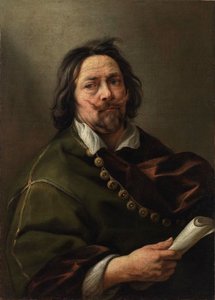
Jacob Jordaens
1593 - 1678 , België
Belangrijkste feiten
- Artistic Movement Or Style: Barokke kunst
- Artists Or Movements Influenced By This Artist: ['Jan Steen']
- Artists Who Influenced This Artist: ['Adam van Noort']
- Date Of Birth: 19 mei 1593
- Date Of Death: 18 okt 1678
- Full Name: Jacob Jordaens
- Nationality: Vlaams
- Notable Artworks:
- De Aanbidding der Schelders
- Argus en Mercurius
- Place Of Birth: Antwerpen, België
Gerelateerde artikelen

The Enduring Legacy of Fine Art Prints: Technique, History & Aesthetic Impact
Explore the rich history & techniques of fine art prints. Discover investment potential, assess authenticity, and learn how to preserve your collection with expert guidance. Trusted insights for discerning collectors.

Giclée Prints: Archival Quality & Aesthetic Nuances for the Discerning Collector
Explore the world of giclée prints with OriginalUniqueArt. Learn about archival quality, aesthetic nuances & investment potential. Expert guidance for discerning art collectors seeking museum-quality reproductions and lasting value.

Mastering Drama and Light: A Definitive Guide to the Flemish Baroque Art Movement
Explore the dramatic brilliance of the Flemish Baroque movement. Discover how masters like Peter Paul Rubens utilized chiaroscuro and dynamic composition to redefine art history through light, shadow, and unparalleled emotion.
Speelse Kunst: Top 10 Meesterwerken voor een Vrolijke Sfeer | OriginalUniqueArt
Ontdek 10 meesterwerken die speelsheid en vreugde uitstralen! Van Monet's impressionisme tot Kandinsky's abstractie. Laat je inspireren door de kleuren & verhalen achter deze iconische kunstwerken. Museumkwaliteit reproducties op OriginalUniqueArt.com.
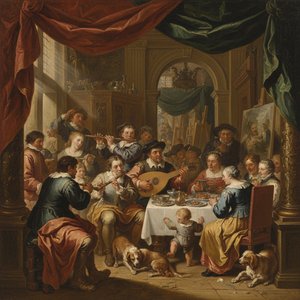
Jacob Jordaens: Baroque Dynamism & Genre Innovation of the Antwerp School
Discover Jacob Jordaens, a leading Flemish Baroque painter renowned for his dynamic compositions & realistic genre scenes. Explore his life, art, and lasting influence with OriginalUniqueArt.


