

 Peržiūrėti realaus dydžio版
 Siųsti
 Dalintis
 Išsamiau
 Vadovas

 Atsisiųsti
 Panašūs eksponatai
 Rentgeno spindulių nuotrauka
 Diaporama
 Statistika
Ardrossan
 Oil On Canvas
- WallArt
- Neo-Romantic Landscape
 1944
1944 51.0 x 61.0 cm
 Walker Art Gallery
 Rodyti daugiau
Šiame puslapyje rodomas meno kūrinys yra saugomas autorių teisių įstatymais, todėl neturime teisės legaliai kurti ar parduoti jo identiškos reprodukcijos. Ši apsauga užtikrinama remiantis tokiais tarptautiniais susitarimais kaip Bernės konvencija ir pagal nacionalines įstatymų nuostatas, įskaitant tas, kurias nurodo JAV autoriškos teisės įstatymas – 17-asis skyrius.
Šis metodas visiškai atitinka autorių teises, nes jame nėra kūrinio kopijavimo ar dubliavimo. Tai yra kūrybinė reinterpretacija – naujas paveikslas, kurį įkvėpė originalas, tačiau kuris nėra jo identiškas.
Giclée / Meno spausdinimas
Muziejų lygio „giclée“ arba drobos spausdinimas: greita gamyba ir lankstios apdailos parinktys. ( Pirkti rankomis tapytą reprodukciją Perejti prie skaitmeninių vaizdų)




P118B €10

P118H €10

P118W €10

P438Z €10

P508JH €12

P508YH €12

P805H €10

P805Z €10

P919BZ €10

P919G €10

P919XJ €10

P959ZH €10

P968JZ €12

W106C €8

W218G €10

W218JH €8

W218Y €10

W307PJ €10

W316G €10

W316PJ €8

W316Y €10

W398PJ €8

W4111J €10

W500HY €15

W500JH €15

W692G €12

W849H €8

W940BG €15

W953PJ €8




Pasirinkite iš mūsų nustatytų dydžių, atitinkančių originalaus meno kūrinio proporcijas.

Įveskite jums reikiamą plotį ir aukštį, kad atvaizdas derėtų prie jūsų rėmo ar sienos. Spausdiną galima tik sumažinti, bet nepadidinti virš originalaus paveikslėlio dydžio, todėl keičiant proporcijas, dalis vaizdo prarandama. Prieš spausdinimą atsiųsime jums skaitmeninį maketą patvirtinimui. Šioje puslapio nuotraukoje matomas pjūvis nėra tikslus – jį rodo tik maketas.
Pristatymas visame pasaulyje () per 2 weeks, o ne įprastas 4/5 savaičių laikotarpis. (18 spalis)

Nemokamas greitasis pristatymas visame pasaulyje

Aukštos kokybės lininis drobė

Pilnas siuntimo draudimas

Muitinės mokesčių grąžinimo garantija

Tikro spalvų atitikimo garantija

100 dienų grąžinimo politika (tik esant įtaigoms)

100% pinigų grąžinimo garantija

Nuolaida dideliems užsakymams
 Stiklo variantas prieinamas tik pasirinkus dydį iki 110 cm

Ardrossan
Giclée / Meno spausdinimas
Reprodukcijos dydis
-


Visų pasirinktų variantų kaina
€ 70
A Moment Frozen in Time: The Essence of Ardrossan
Stephen Bone’s Ardrossan isn't merely a depiction of a coastal town; it’s a carefully constructed evocation of memory, atmosphere, and the quiet dignity of a bygone era. Painted in 1944, during the tumultuous years of World War II, the canvas captures a specific moment – a fleeting glimpse of a bustling harbor scene rendered with a deliberate restraint that speaks volumes about the artist's sensibility. The painting immediately draws the viewer into its monochrome world, a carefully calibrated palette of grays and blacks that feels both familiar and profoundly melancholic. It’s a visual poem to the resilience of place and the enduring power of observation.
- Historical Context: Bone's work during this period is deeply intertwined with his role as an Admiralty war artist, documenting naval activities and coastal defenses. This experience undoubtedly informed his approach to capturing the essence of Ardrossan – a town vital to maritime trade and strategically positioned along the Firth of Clyde.
- The Artist’s Vision: Bone was known for his ability to distill complex landscapes into their most essential elements, prioritizing mood and atmosphere over photographic realism. He sought not just to represent Ardrossan, but to convey a feeling – a sense of timelessness and quiet contemplation.
The Language of Line and Tone
Bone’s masterful use of line is immediately striking. Strong, confident strokes delineate the buildings lining the waterfront, creating a sense of solidity and permanence despite the cloudy sky above. These lines aren't rigid or geometric; they possess a subtle fluidity, suggesting movement and life within the town. The boats in the harbor are rendered with varying degrees of detail, their forms subtly suggested through carefully placed lines, contributing to the overall depth and spatial awareness of the composition. Crucially, the artist employs a sophisticated understanding of tonal variation – light and shadow are used not just for visual interest but also to create a palpable sense of atmosphere. The darker tones in the foreground anchor the scene, while the lighter shades receding into the distance evoke a feeling of atmospheric perspective, drawing the eye deeper into the image.
The painting’s monochromatic palette is particularly effective in conveying a mood of nostalgia and understated drama. It's reminiscent of vintage photographs, lending the work an almost documentary quality while simultaneously elevating it to the realm of art.Symbolism and Emotional Resonance
Beyond its technical merits, Ardrossan is rich in symbolic resonance. The cloudy sky, a dominant feature of the composition, can be interpreted as a metaphor for uncertainty and hardship – reflecting the anxieties of wartime Britain. The harbor itself, with its bustling activity, represents both connection and isolation, highlighting the town’s role as a vital link between land and sea. The presence of the boats suggests trade, industry, and perhaps even a longing for distant horizons. There's an underlying sense of quiet dignity in the scene, a suggestion that life continues despite the challenges of the time.
The painting’s emotional impact is profoundly subtle yet undeniably powerful – it invites contemplation and evokes a feeling of wistful remembrance.A Window into the Past: Technical Details
Painted in oil on canvas, Ardrossan demonstrates Bone's mastery of layering and blending techniques. The visible brushstrokes add texture and depth to the scene, creating a sense of immediacy and authenticity. The careful attention to detail – from the reflections shimmering on the water to the subtle variations in tone – speaks to the artist’s meticulous approach. The dimensions of 51 x 61 cm suggest a scale that is intimate yet expansive, allowing for both detailed observation and a broader appreciation of the scene.
问答 (or more naturally for a website heading): Klausimai ir atsakymai
Kokia „Ardrossan“, autorius – Stephenas Bone'As švytėjimo (luminance) intensyvumas?
Kūrinys „Ardrossan“, autorius – Stephenas Bone'As pasižymi Soft Shadow šviesos intensyvumu. Šviesos intensyvumas apibūdina, kiek šviesos, kaip atrodo, atspindi spalvos.
Kokia technika ir stilius charakterizuoja „Ardrossan“, autorius – Stephenas Bone'As?
„Ardrossan“ sukurta naudojant Oil On Canvas, Neo-Romantic Landscape stiliuje.
Ar „Ardrossan“ yra garsus Neo-Romantic Landscape kūrinys?
Neo-Romantic Landscape kryptėje kūrinys „Ardrossan“ pasižymi Recognized populiarumumo lygio.
Autoriaus biografija
Stephen Bone: Gyvenimas ir menas
Pradiniai metai ir išsilavinimas
- Gimė: Čizvikas, Jungtinė Karalystė (1904 m.)
- Mirė: 1958 m.
- Stephenas Bone buvo žinomio dailininko ser Sir Muirhead Bone ir rašytojos Gertrude Helena Dodd sūnus. Ši kūrybiška šeimos aplinka kruopščiai įformavo jo ankstyvąjį talentą.
- Baigė Bedales mokyklą, o 1922 metais įstojo į Slade dailės akademiją.
- Tačiau akademinis požiūris Slade mokykloje jam tapo nuobodžias, todėl 1924 metais jis paliko akadiją, siekdamas realizuoti savo polinkį į knygų iliustraciją.
Pradinė karjera ir meninė evoliucija
- Bone iš pradžių pasiekė sėkmę kaip medegravio iliustratorius, kūryba padėdamas savo motinai bei kitiems rašytojams. 1925 metais Paryz eyes tarptautinėje parodo jis pelnė auksinį medegravio medžio skulptūros medą.
- 1926 metais Goupil galerijoje jis kartu su Rodney Joseph Burn ir Robin Guthrie pristatė savo darbus, kas tapo svarbiu žingsniu į jo meninę atpažintį.
- 1928 metais jis sukūrė freską Londono metraujo stotyje „Piccadilly Circus“, taip demonstruodamas savo universalumą ir plečiant meninę horizontą.
- 1929 metais susižosionęs su dailinike Mary Adshead, Bone pradėjo plačiai keliauti po Britaniją ir Europą. Šios kelionės tapo esmine dalimi kuriant jo charakterišką ryškių peizažų stilių, vaizduojant scenas en plein air nepaisant bet kokio oro.
30-metai: Peizažų tapymas ir parodos
- 30-yje metais Bone savo kūrybą plačiai pristatė prestižinėse galerijose, tokiose kaip „Fine Art Society“, „Lefevre Gallery“ ir „Redfern Gallery“.
- 1936 metais Оksfordo „Ryman“ galerijoje jis pristatė 41 paveikslį, vaizduojantį Britanijos apskrities kraštus, taip parodydamas savo atsidavimą britiško peizažo esmei įamžinti.
- Taip pat jo parodos vyko Stokholme 1936 ir 1937 metais, taip plečiant jo tarptautinį žinomumą.
Karo dailininkas ir indėlis į Antrojoj pasaulinėje kare
- Pradėjus Antrajam pasaulio karui, Bone tarnavo kaip pareigūnas Civilinės apsaugos kamufliažo įstaigoje.
- 1943 metais jis buvo paskirtas pilno darbo metu dirbančiu dailininku prie Karo dailininkų patariamojo komiteto, specializuojančiuosi Jūrų parsargų (Admiralty) temomis. Šią pareǐbę anksčiau užėmęs jo tėvas, Muirhead Bone, buvo perėmta Stepheno po jų sūnaus Gavinio mirties. ly
- Svarbiai IIP kūriniai: Jis sukurė daugybę paveikslų, vaizduojančių pakrantės įrenginius ir jūros laivus, įskaitant scenų, tapintų narvalų (ponoriųjų laivų) viduje.
- Bone 1944 metais asmeniškai matė ir dokumentavo Normandijos išсаubimą, tapindamas scenas Kaene ir Courseulles. Jis taip pat užfiksavo puolimą prie Niderlandų įsalios Walcheren.
- 1944 metų pabaigoje jis keliavo į Norvegiją, dokumentuodamas „Tirpitz“ laivnavimą, užimtus jūros bazes bei karo trimuotių masinius masinius kapius.
Pokario karjera ir palikimas
- Po karo Bone pajuto, kad jo stilius tapo kiek nepopuliarus. Nors jis toliau tapė, susidūrė su sunkumais eksponuojant savo darbus.
- Jis persiorientavo į meno kritiką, rašydamas „Manchester Guardian“ laikraščiui ir prisidėdamas prie humoristinių straipsnių „Glasgow Herald“.
- Bone taip pat dirbo televizijoje ir radijuje BBC, o su žmona bendradarbiavo kuriant vaikiškas knygas. Kartu jie organizavo freskų tapimo kursą Dartingtone.
- 1957 metais jis buvo paskirtas Hornsey meno kolegijos direktoriu.
- Mirtis: Stephenas Bone mirė nuo vėžio 1958 m. rugsėjo 15 d. Londono St. Bartholomew ligoninėje.
- Stepheno Bone kūriniai yra vertinga vizualinė XX amžiaus midiedo Britanijos istorija, apimanti tiek ramybę ir peizažų švelnumą, tiek negailestingą karo realybę.

Stephenas Bone'As
1904 - 1958 , Jungtinė Karalystė
Trumpa informacija apie kūrėją
- Gimimo Data: 1904
- Gimimo Vieta: Chiswick, Jungtinė Karalystė
- Išskirtiniai Darbai:
- Dvi karo laivų karo bazės
- Vidurnytės saulė
- Bunkerių žmonės
- Saulėlydis Normandijos paplūdimiuose
- }
- Kryptis:
- Medgrabzdžių iliustracija
- Peizažų tapymas
- Karo menas
- Mirties Data: 1958
- Tautybė: Britų
- Vardas: Stephen Bone
- Įkvėpė: Muirhead Bone
Susiję straipsniai

Džono Konsteblio Šedevrai: 25 Išskirtiniai Darbai Jūsų Interjerui | OriginalUniqueArt
Atraskite 25 įspūdingiausius Džono Konsteblio paveikslus! Romantizmo meistro gamtos vaizdai, Dedham Vale peizažai ir meno istorijos šedevrai. Meno reprodukcijos jūsų interjerui – OriginalUniqueArt.com

Evocations of Place: A Historical Journey Through Landscape Art
Explore the rich history of landscape art with OriginalUniqueArt. Discover renowned artists, movements like Impressionism & Romanticism, and expert guidance for collecting timeless pieces. Find your perfect serene escape today!

Evocations of Place: A Historical Journey Through Landscape Art
Explore the rich history of landscape art with OriginalUniqueArt. Discover renowned artists, movements like Impressionism & tonalism, and expert guidance for collecting timeless pieces. Find your perfect serene escape today!
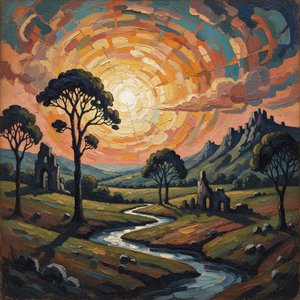
Stephen Bone: A Reassessment of Colour, Form & the British Neo-Romantic Landscape Tradition
Explore the vibrant world of Stephen Bone (1904-1958), a key figure in British Neo-Romanticism. Discover his captivating landscapes, impactful war art & unique artistic style. Learn about his life, influences & legacy.

10 Romantinių Peizažų Simbolių: Tapybos Majestatės Viršūnės
Atraskite 10 legendinių romantinio peizažo kūrinių! Pasinerkite į Claude Lorrain, Caspar David Friedrich ir J.M.W. Turner genijaus pasaulį. Išmokite apie tapybos meistriškumą bei gamtos grožį. Aukščiausios kokybės meno reprodukcijos – OriginalUniqueArt.com. Tyrinėkite kolekciją!
